



Georgian Spirit Measure
A georgian spirit measure is a historic drinking vessel used for portioning alcohol, prized by collectors for its honest utility and rich material character.
Georgian Spirit Measure
A georgian spirit measure encompasses various utilitarian vessels designed to portion alcohol accurately during the eighteenth and nineteenth centuries. These pieces reflect the drinking customs of the period, ranging from tavern service to domestic hospitality.
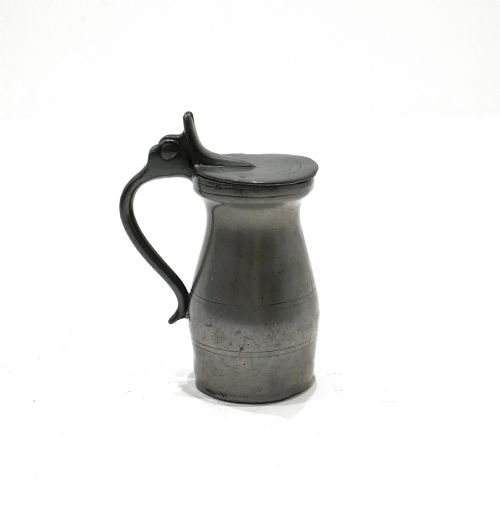
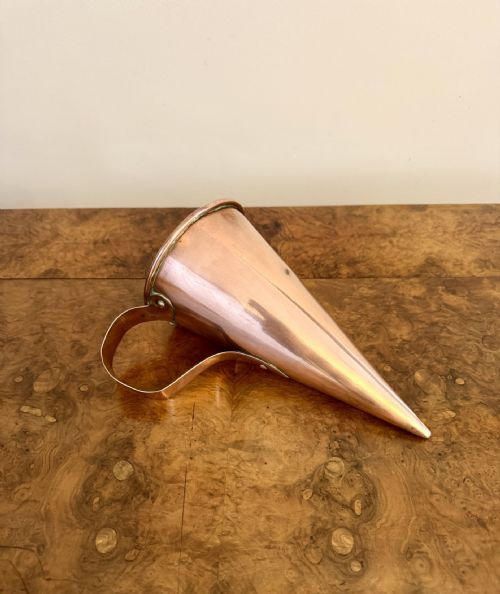
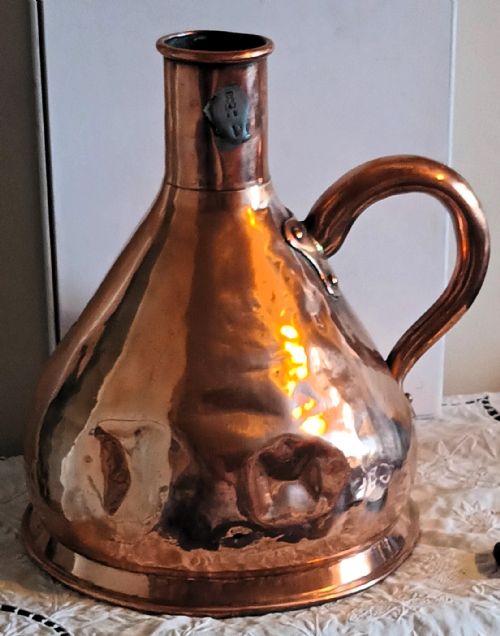
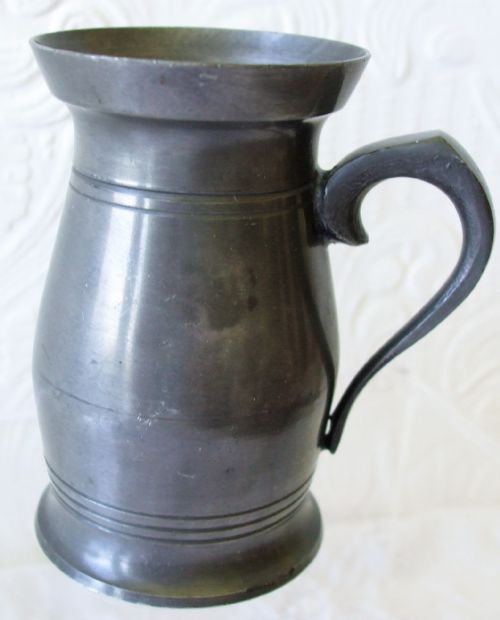
The versions most commonly met on this page include copper and pewter measures, along with occasional glass examples. Forms span from lidded flagons and tappit hens to graduated jugs and dram glasses.
Origins represented in the current selection include English, Irish, Scottish, and Jersey pieces. Each region brought distinct regional standards and vessel shapes to the craft of liquid measurement.
Materials and construction
Metal vessels such as pewter and copper measures were shaped through founding, hammering, and soldering techniques. Pewter components often relied on tin alloys, while copper items utilised sheet metal joined along seams with skill.
Glass examples, including double ended dram measures, were formed via glassblowing and lead glass manufacturing methods. These required precise manipulation while molten to achieve the correct internal volume and clarity.
Georgian Spirit Measure Retail Price Guide 2026
Typical asking prices for georgian spirit measure among the pieces listed under this phrase on Sellingantiques today, from the lower quarter to the upper quarter. They describe what is for sale here now, not the wider market.
Listings feature items dated across the eighteenth and nineteenth centuries, spanning periods from George III to the wider Georgian era.
Assessing quality and character
Quality in these vessels rests upon the crispness of touchmarks, the integrity of original joins, and the preservation of surface patination. Heavier metal gauge and balanced proportions distinguish finer examples from standard utility pieces.
The survival of original lids, thumbpieces, and capacity verification marks elevates an object. Honest wear from active service enhances the appeal, provided the underlying form remains unaltered.
The Georgian Spirit Measure Glossary
- Gill
- A historical unit of liquid capacity equivalent to a quarter of a pint. Gill measures are frequently encountered in pewter and copper.
- Tappit hen
- A traditional Scottish form of pewter measure with a tapped spigot and distinctive lid. These large vessels served large households and taverns.
- Noggin
- A small mug or measure holding a quarter of a pint. Lidless noggin measures appear in regional pewterware.
- Dram measure
- A small vessel designed for serving a single shot of spirits. Glass versions often feature double ended bowls.
- Flat lidded
- A descriptor for early pewter measures featuring a horizontal lid hinged to the handle. This style is typical of the early eighteenth century.
Georgian Spirit Measure: Frequently Asked Questions
What are georgian spirit measures?
A georgian spirit measure is a historical drinking vessel used for dispensing precise amounts of alcohol. They were essential tools in homes, inns, and taverns during the eighteenth and nineteenth centuries.
These items range from small dram glasses to large copper gallon jugs and pewter flagons. They reflect the strict regulatory standards of alcohol consumption and trade at the time.
How were spirit measures used?
Spirit measures were employed to portion liquor accurately for sale or personal consumption. Barkeeps and hosts used them to pour consistent drinks from bulk containers.
Larger vessels often acted as master measures for checking smaller cups and jugs. Over time, many transitioned from working tavern tools to decorative objects.
How do I care for antique metal measures?
Antique copper and pewter require gentle handling and minimal cleaning to preserve their historic surfaces. Avoid harsh chemical polishes that strip away age-appropriate patination and original tool marks.
Keep the pieces in stable indoor environments away from excessive moisture. Dust them softly with a dry cloth to maintain the metal finish.
How do I identify different regional styles?
Regional identification relies on specific vessel forms, touchmarks, and material usage associated with particular areas. For example, Scottish tappit hens and Jersey lidless measures exhibit distinct local manufacturing traits.
Comparing handle shapes, lid designs, and touchmark stamps against known reference guides helps pinpoint geographical origins.