




Georgian Sloping Desk Box
A georgian sloping desk box combines portable storage with a practical writing surface, offering clever compartments for paper and correspondence.
Georgian Sloping Desk Box
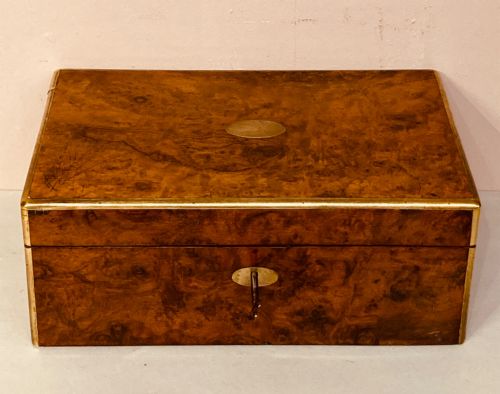
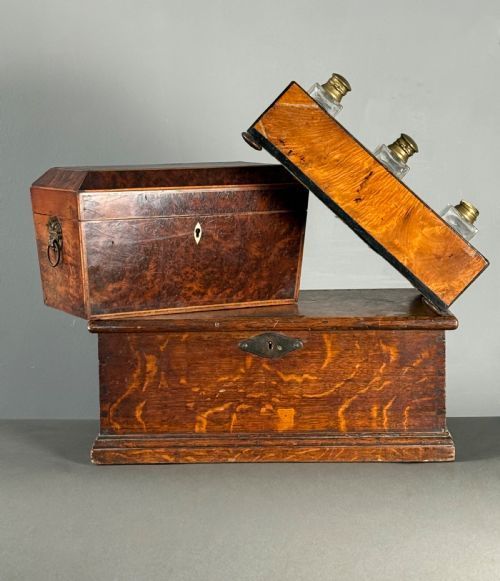
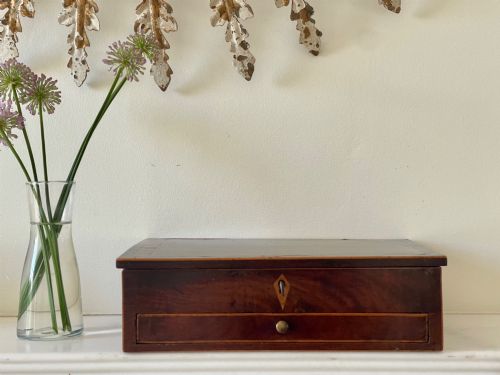
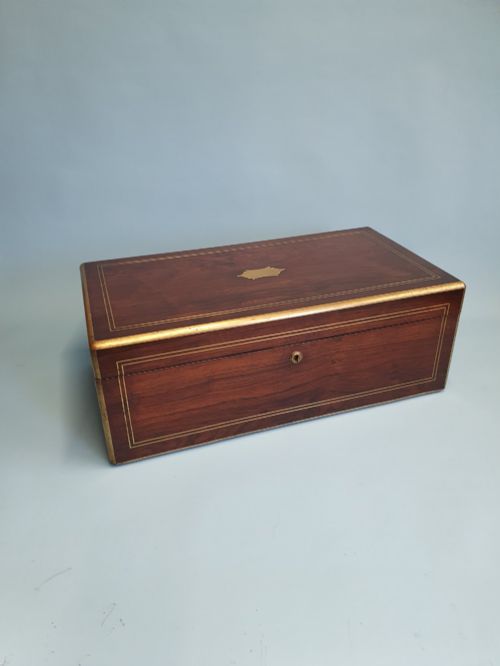
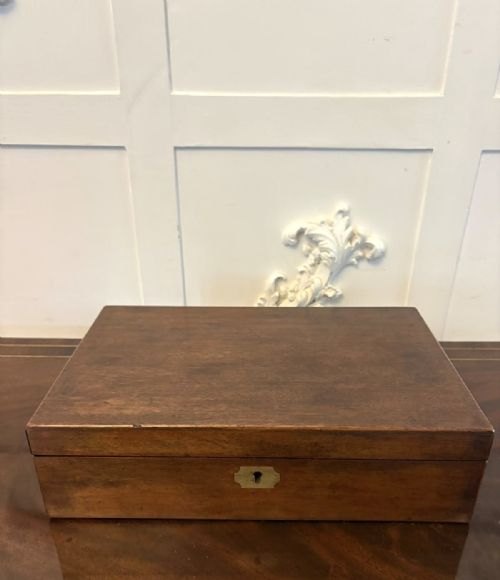
A georgian sloping desk box appears primarily as a portable writing slope, a document box, or a table-top bureau designed for correspondence. These pieces emerge in mahogany, rosewood, oak, and walnut, often featuring hinged lids that open to reveal fitted interiors.
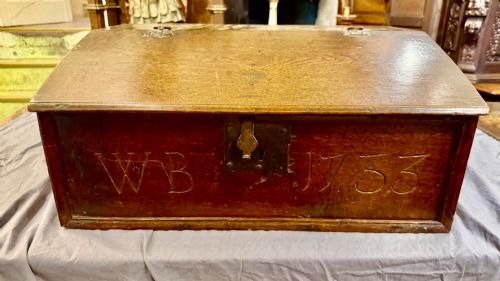
The versions met most frequently on this page date from the eighteenth and nineteenth centuries, spanning Georgian, Regency, and Victorian periods. Forms range from brass-bound campaign boxes to inlaid satinwood stationary holders and simple oak bible boxes.
Makers constructed these items to serve travellers, officers, and writers who required a secure place for letters and seals. Many incorporate secret drawers, compartments, or lectern functions suited for active writing desks.
Materials and Construction
Cabinetmakers utilised dense hardwoods such as mahogany, rosewood, and walnut, frequently selecting figured grains like flame mahogany and burr walnut for exterior surfaces. Oak and elm appear in earlier or regional pieces, occasionally embellished with holly and bog oak inlay.
Metal fittings played a crucial structural role, with brass corner mounts, hinges, and bindings reinforcing portable campaign boxes against travel wear. Interiors often incorporate mother of pearl, bone details, and leather writing surfaces alongside hand-cut dovetail joints.
Campaign styles appear frequently with brass mounts, reflecting travel and military use.
Standard and Craftsmanship
Quality rests in the precision of the cabinetwork, visible in tightly fitted internal compartments, concealed secret drawers, and flush brass mounts. Superior examples display carefully matched timber veneers and well-preserved original hinges rather than later replacements.
The presence of specialised internal fittings, such as intaglio coloured-glass seals, original velvet or leather panels, and intact locking mechanisms, separates standard utility boxes from finer decorative pieces.
George Austin
The Georgian Sloping Desk Box Glossary
- Writing slope
- A portable box with a slanted lid that folds down to provide an angled surface for penning letters. Inside, partitions store inkwells, pens, and paper.
- Campaign box
- A sturdy portable chest or desk fitted with brass corners and recessed handles for transport during military campaigns or travel. These pieces often feature collapsible elements or reinforced framing.
- Secret compartment
- A concealed drawer or space built into a desk box to secure valuables, accessed through hidden catches or sliding panels. Cabinetmakers integrated these subtle hiding places into many Georgian and Regency interiors.
- Bible box
- A heavy oak or elm chest used historically to store sacred texts and documents, pre-dating the dedicated portable writing slope. These boxes frequently feature carved panels or sloping lids.
- Stationary box
- A specialised desktop container designed to hold envelopes, writing paper, and pens in upright slots or stacked compartments.
Georgian Sloping Desk Box: Frequently Asked Questions
What is a georgian sloping desk box?
A georgian sloping desk box is a portable wooden chest featuring an angled lid designed to hold writing materials and provide a writing surface.
These pieces typically open to reveal small compartments for inkwells, quills, and paper, often including hidden drawers for secure storage.
How were campaign boxes used?
Campaign boxes served military officers and travellers who needed a portable desk and storage chest while on the move.
They feature robust brass bindings and recessed handles to withstand rough transport during journeys.
How do I identify a Georgian box?
Georgian boxes display period timbers like mahogany, rosewood, or oak, combined with hand-cut dovetails and period brass hardware.
Examining the internal layout, wood species, and construction methods helps distinguish eighteenth-century pieces from later nineteenth-century reproductions.
How do I care for antique wood?
Keep antique wood away from direct sunlight and extreme humidity changes to prevent the timber and veneers from splitting or warping.
Apply a light application of appropriate furniture wax occasionally to nourish the surface without building up excessive residue.