





Georgian Silver Waiter
A Georgian silver waiter is a small, versatile serving tray used for cards or drinks, prized for its classic proportions and fine craftsmanship.
What a Georgian silver waiter is
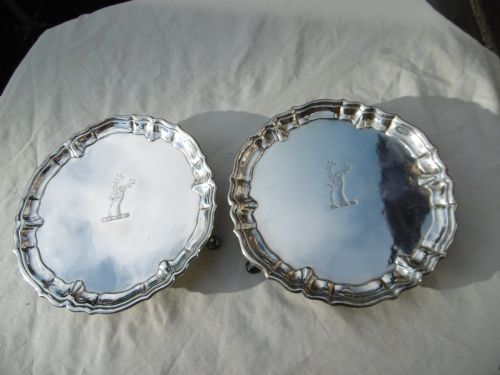
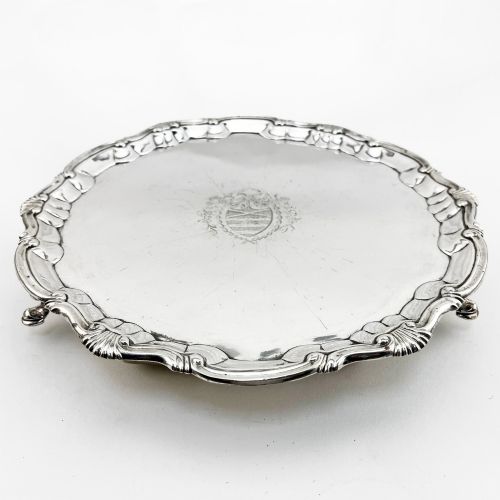
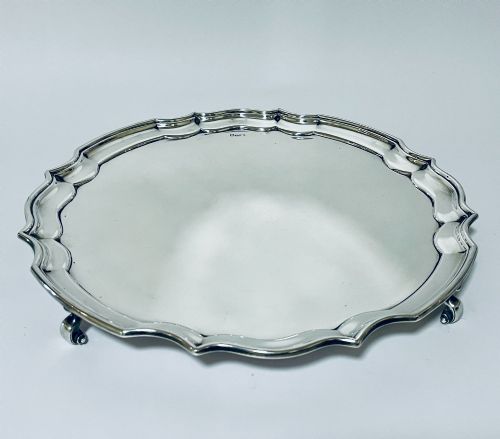
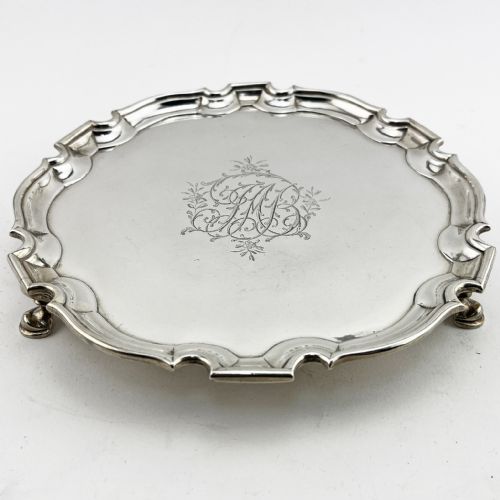
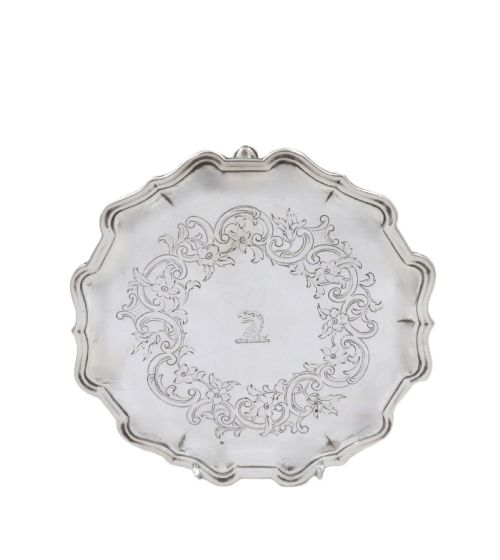
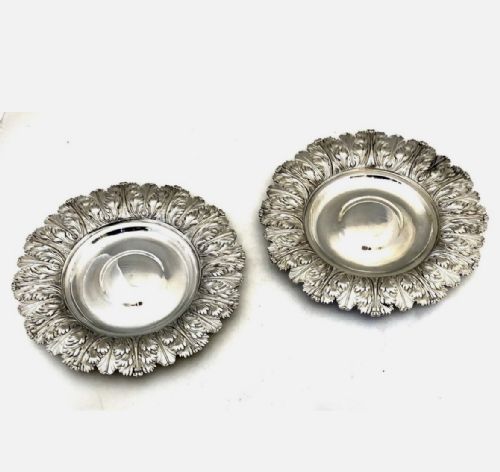
When you search for a Georgian silver waiter, you are looking at small serving trays and card trays originating from the Georgian era. These pieces usually take a circular form, designed to rest on a tabletop or be handed round by servants.
The versions you are most likely to meet on this page span sterling silver items from the eighteenth and early nineteenth centuries. They reflect the domestic habits of the period, when small silver items were central to entertaining and card games.
How they were made
Makers shaped these items from solid sterling silver using traditional silversmithing techniques. Metal was beaten, cast and chased to create sturdy plates with decorative borders.
Many examples feature distinct supports such as hoof feet, alongside detailed hand-chased borders and engraved centrepieces. Workshops relied on skilled hand-tooling to finish every edge and surface.
The site's archive shows sterling silver waiters produced across the Georgian period, featuring makers from London and Scotland.
What varies in quality
Quality in these pieces rests upon the crispness of the chasing and the weight of the sterling silver. Better examples display deep, sharp engraving and robust construction that resists bending.
The reputation of the maker also dictates the standing of a piece. Well-known silversmiths produced items with superior balance, cleaner hallmarks and more refined decorative borders.
Robert Abercromby·Ebenezer Coker·Makepeace And Carter·Gabriel Sleath·John Tuite·Smith And Sharp
The Georgian Silver Waiter Glossary
- Waiter
- A small tray used for serving glasses, teacups or calling cards, often interchangeable with the term salver.
- Salver
- A flat plate or tray of precious metal, typically raised on feet, used for formal presentation.
- Sterling silver
- An alloy containing ninety-two point five percent silver by mass, standard for British silver plate and holloware.
- Hoof foot
- A small, three-dimensional support shaped like an animal hoof, commonly found on mid-eighteenth-century silver.
- Hallmark
- A series of official marks stamped on items to guarantee the metal purity and origin.
Frequently Asked Questions
What is a Georgian silver waiter used for?
These trays were primarily utilised for presenting visiting cards, letters or small glasses of wine to guests. They kept delicate glassware steady while being passed around a room.
Today, they function well as decorative display pieces on desks, dressing tables or sideboards, holding small everyday items.
How do I clean a silver waiter?
Cleaning requires a soft cloth and a reputable silver polish formulated to lift tarnish without removing the underlying metal. Avoid abrasive pads that can scratch the delicate hand-engraved surfaces.
Regular, gentle dusting keeps the sterling silver bright. Store the piece away from direct sunlight and damp environments to maintain the finish.
How can I tell the period of a waiter?
The hallmarks stamped onto the sterling silver provide the most reliable guide to date a piece accurately. These marks reveal the assay office, the specific year letter and the maker's mark.
Stylistic details also help identify the era. Early pieces often feature plain centres and hoof feet, whereas later examples introduce beaded borders and alternative supports.
Are waiters and salvers the same thing?
The terms are often used interchangeably in historical records and modern listings. Generally, a waiter refers to a smaller tray, while a salver describes a larger version.
Both items share the same flat top and raised feet, differing mainly in overall dimensions and capacity for serving.