





Georgian Silver Tool
Georgian silver tool pieces are functional household items, medical instruments, and fireside implements that bring authentic period craftsmanship to daily use.
Georgian Silver Tool
When you search for georgian silver tool, you encounter a varied selection of functional implements, sewing accessories, and fireside equipment dating from the eighteenth and nineteenth centuries. These items range from solid silver apple corers and wine funnels to fitted etui cases and medical instruments.
How they were made
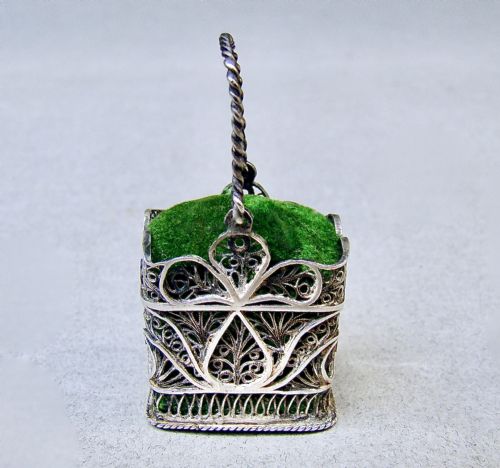
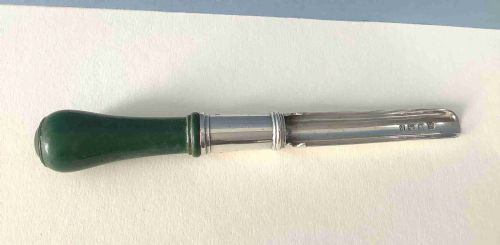
Silversmiths utilised sterling silver alongside tortoiseshell, velvet, and stained bone to construct portable etuis, needle cases, and sewing tools. Metalworking techniques included casting, piercing, and turning to shape functional items like wine funnels and apple corers.
Fireplace accessories and companion tools relied on durable iron and polished steel to withstand daily hearth use. Makers combined silver casings with internal steel implements to balance decorative appeal with structural strength.
Georgian Silver Tool Retail Price Guide 2026
Typical asking prices for georgian silver tool among the pieces listed under this phrase on Sellingantiques today, from the lower quarter to the upper quarter. They describe what is for sale here now, not the wider market.
Listings feature items spanning the Georgian, Regency, and Victorian Revival periods, constructed from silver, steel, tortoiseshell, and iron.
What varies in quality
The standard of execution depends on the precision of the silversmith's handwork, particularly in the crispness of hallmarks and the delicacy of engraved decoration. Pieces with complete, undamaged internal tool sets command greater interest than incomplete examples.
Material selection and survival of original components dictate the standing of each piece within its category. Fine tortoiseshell panels, intact velvet linings, and unpolished steel surfaces elevate the overall character of the work.
Taylor and Perry
The Georgian Silver Tool Glossary
- Etui
- A small ornamental case used for holding needles, tweezers, and other personal implements. These fitted holders often incorporate tortoiseshell and silver.
- Fleam
- A medical instrument used for blood letting, typically featuring multiple folding steel blades within a silver case. Taylor and Perry produced notable examples.
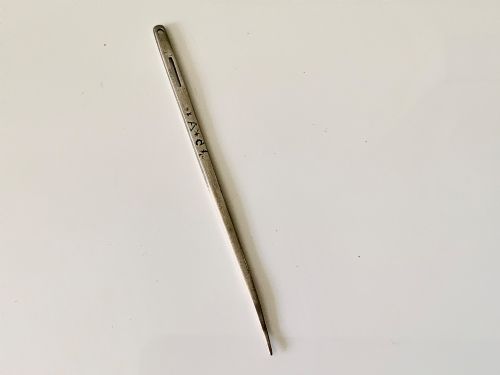
- Bodkin
- A thick, blunt needle with a large eye used for drawing ribbon or cord through fabric loops. They appear frequently within sewing tool sets.
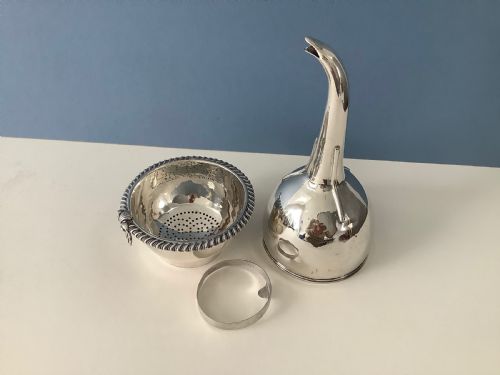
- Wine Funnel
- A device placed in the neck of a decanter to filter sediment during pouring. Solid silver versions often feature removable straining sections.
- Fire Dogs
- Supports used to raise logs off the hearth floor to improve airflow. These iron and steel fixtures form part of broader fireplace equipment.
Georgian Silver Tool: Frequently Asked Questions
What are georgian silver tool items used for?
These pieces served practical, medical, and domestic functions in period households, ranging from wine decanting and fruit preparation to sewing and blood letting.
Today, collectors appreciate them for their historic utility and the fine metalwork displayed in their construction.
How do I date a silver tool?
Dating relies on identifying silversmith marks, town assay office stamps, and date letters stamped directly onto the silver components. stylistic details and material combinations also help place items within the Georgian or Regency periods.
Matching the object type to known production eras provides a reliable timeframe for manufacture.
Are all tools made entirely of silver?
Many items combine solid silver casings or mounts with internal components made of steel, bone, or iron. Sewing and medical implements frequently utilised steel for functional edges and working parts.
This mixed-material construction was standard practice to ensure durability during actual use.
How should I care for silver tools?
Gentle cleaning with a soft cloth helps maintain the metal surface without wearing away crisp hallmarks or delicate engraving. Avoid harsh chemical dips, particularly on items featuring tortoiseshell, velvet, or stained bone.
Storing pieces in stable humidity protects organic materials from warping or cracking.