



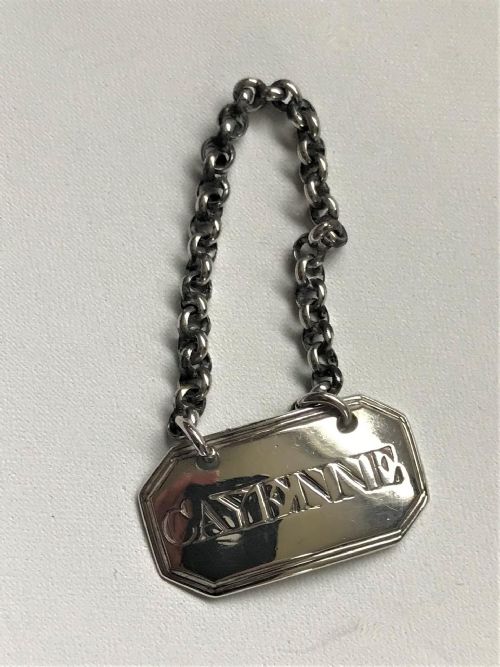


Georgian Silver Tag
When you handle a georgian silver tag, you hold a miniature piece of drinking history designed to identify the bottle.
Georgian Silver Tag
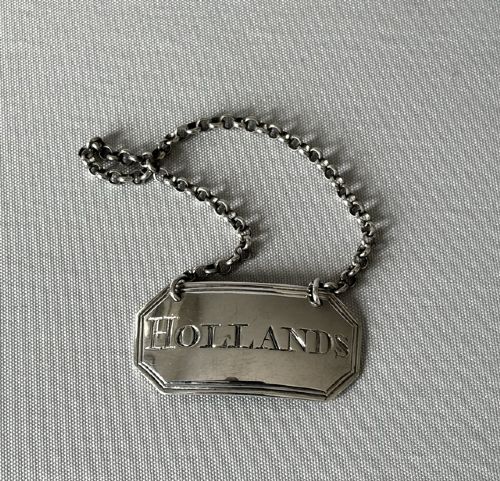
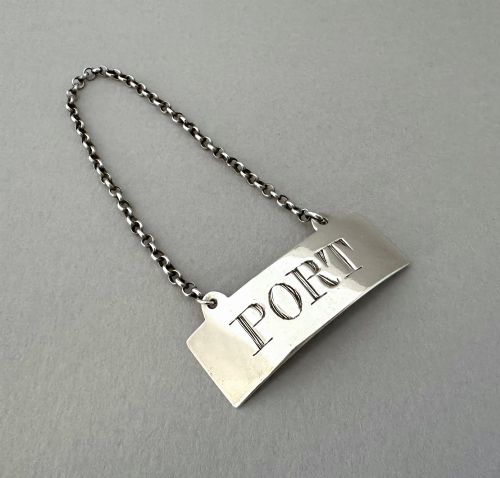
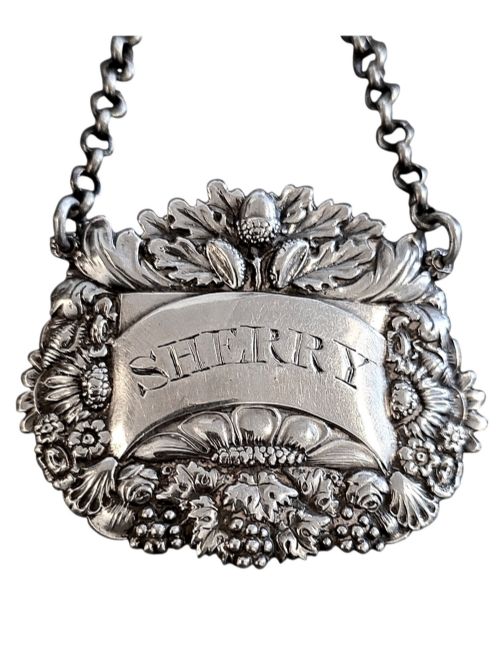
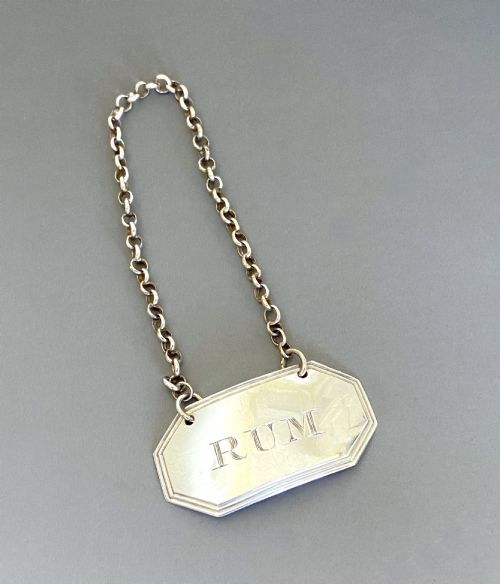
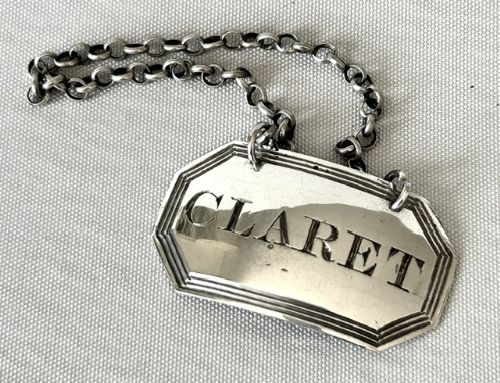
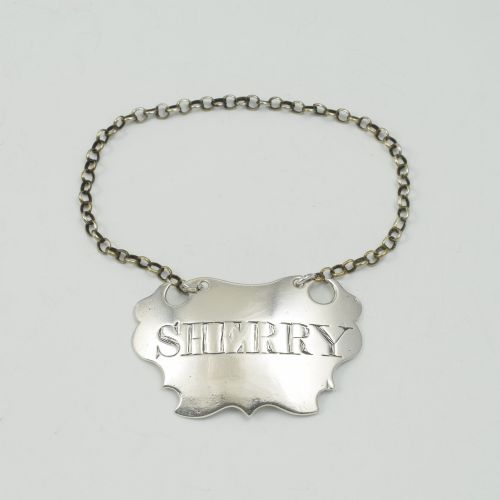
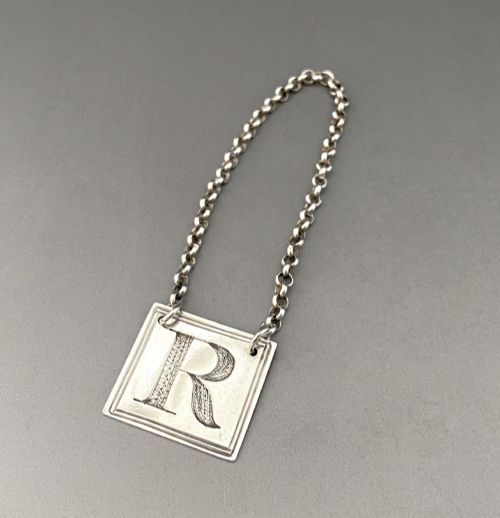
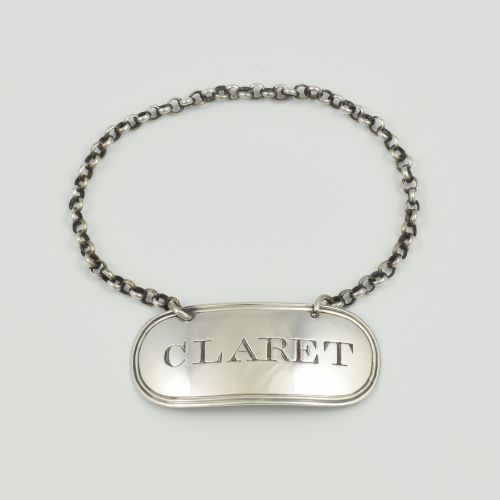
A georgian silver tag, also known as a decanter label or bottle ticket, hangs around the neck of a decanter to name the wine or spirit within. You are most likely to meet rectangular, escutcheon, vine leaf, or crescent forms hung by a chain.
The labels identify specific contents such as sherry, rum, claret, port, cayenne, madeira, hock, gin, or moselle. These small markers date primarily from the Georgian and Regency periods, stretching into early Victorian times and including Scottish provincial examples.
Makers working in London, Edinburgh, and provincial towns produced these items in sterling or solid silver, sometimes with silver gilt finishes. They form part of the broader category of decanter accessories used in formal dining.
Materials and construction
Silversmiths shaped sterling silver, solid silver, and silver gilt into distinct outlines using cutting, piercing, and embossing techniques. The metal provides a bright reflective surface that catches candlelight on the dining table.
Maker marks, town marks, and date letters are typically stamped directly onto the reverse or front of the silver tag. Chains and suspension rings are attached to secure the label around the decanter neck.
Georgian Silver Tag Retail Price Guide 2026
Typical asking prices for georgian silver tag among the pieces listed under this phrase on Sellingantiques today, from the lower quarter to the upper quarter. They describe what is for sale here now, not the wider market.
The periods represented span the Georgian era, Regency period, William IV reign, and early Victorian years.
Judging quality in silver tags
Depth of piercing and crispness of engraved lettering distinguish finer decanter labels from simpler production. Stylised motifs like vine leaves or rococo revival scrolls demand greater skill from the silversmith.
The presence of clear hallmarks, including maker's marks and date ciphers, adds historical weight to a piece. Provincial marks from Scottish makers introduce regional variation that collectors value.
William Barrett II·Elizabeth Morley·John Reily·Thomas Wallis II·Peter and Anne Bateman
The Georgian Silver Tag Glossary
- Escutcheon shape
- A shield-shaped outline commonly used for decanter labels in the eighteenth and nineteenth centuries. This form provides a traditional heraldic appearance.
- Silver gilt
- Silver covered with a thin layer of gold, creating a two-tone warm finish. This technique appears on specific vine leaf wine labels.
- Bottle ticket
- An alternative historical term for a decanter label or tag. These tags served the practical purpose of naming table contents.
- Provincial mark
- A stamp applied by silversmiths working outside major assay offices like London. Scottish provincial towns produced distinct regional variations.
- Decanter accessory
- An umbrella category for items associated with serving wine, including labels and bottle tags. These accessories were essential for grand dining.
Georgian Silver Tag: Frequently Asked Questions
What is a georgian silver tag used for?
These small silver pieces hang around the necks of glass decanters to identify the specific wine or spirit inside.
They prevented confusion at the dining table when multiple decanters of port, sherry, or claret circulated among guests.
How do you hang a silver decanter label?
Each label includes a silver link chain or jump ring threaded through a top loop.
The chain drapes securely around the neck of the glass decanter bottle just below the lip.
What drinks are named on these tags?
Common inscriptions include sherry, port, claret, madeira, rum, gin, hock, moselle, and cayenne for spice bottles.
Drink names were often pierced through the silver or engraved in bold capital letters.
How can you tell the age of a label?
Silversmiths stamped hallmarks onto the silver that record the year of manufacture, the town of assay, and the maker's initials.
Stylistic shifts from plain shields to elaborate vine leaves also help separate Georgian periods from later Victorian eras.