




Georgian Silver Metalware
Georgian silver metalware brings together practical vessels and lighting in Old Sheffield plate, pewter, and paktong for daily use.
Georgian Silver Metalware
When searching for georgian silver metalware, buyers encounter domestic table items and decorative objects spanning the eighteenth century and the regency period. The selection encompasses tableware such as mugs, plates, dishes, gravy warmers, and toasted cheese dishes alongside lighting like candlesticks and chamber sticks.
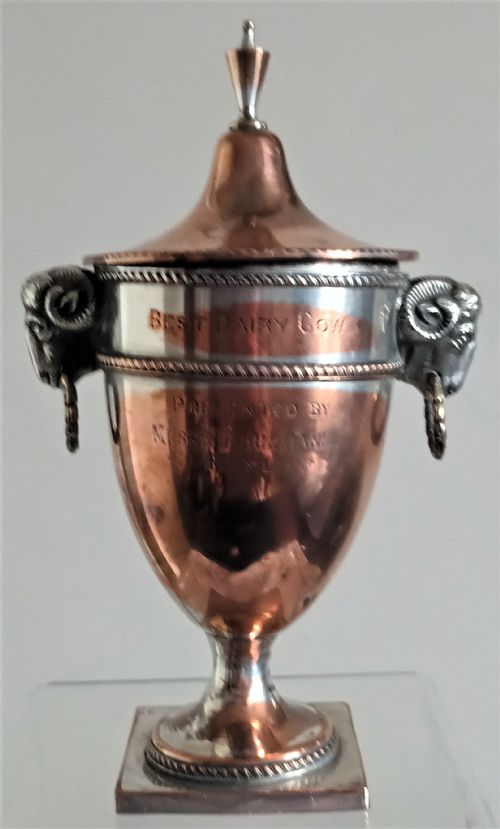
Vessels for beverage service form a distinct category within georgian silver metalware, represented by beer jugs, pitchers, and decorative urns. Pewter chargers and plates appear frequently alongside items forged in Old Sheffield plate and paktong, reflecting the utilitarian and ornamental needs of the era.
Materials and construction
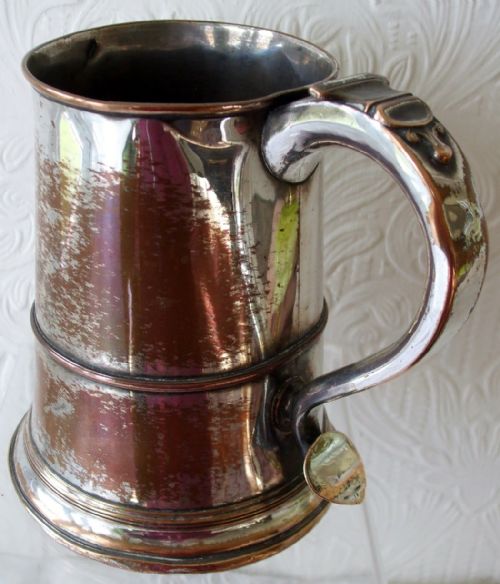
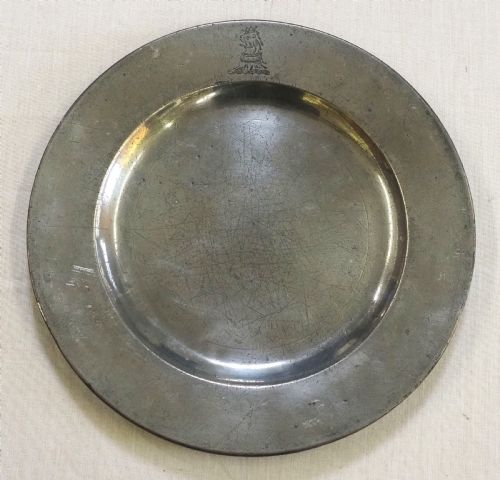
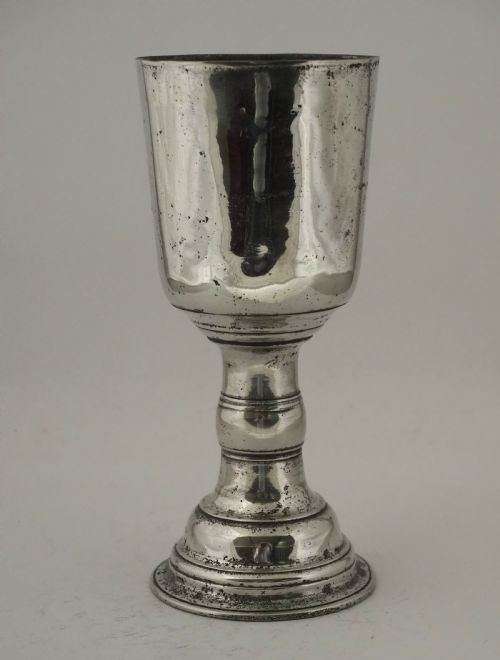
Old Sheffield plate pieces combine a thin sheet of silver fused to a copper core, often revealing the base metal at high points or edges. Pewter items rely on an alloy of tin shaped into chargers, plates, chalices, and mugs with plain or wavy rims.
Paktong metal forms candlesticks using a zinc, copper, and nickel alloy imported from Asia during the eighteenth century. Wood occasionally integrates into the design of metalware pieces as handles or insulating components.
Distinctions in quality
The standard of georgian silver metalware depends upon the preservation of the fused silver layer on Old Sheffield plate and the crispness of heraldic engraving. Plates and chargers demonstrate superior craftsmanship through balanced weight and well-defined rim profiles.
Early marks on metalware indicate workshop origin and add authority to pieces like beer jugs and chalices. The integrity of the metal surface and the survival of original components govern the standing of each item.
James Spackman
The Georgian Silver Metalware Glossary
- Old Sheffield Plate
- A composite material made by fusing a layer of silver to a copper base. This technique preceded modern electroplating and produced durable tableware.
- Paktong
- A copper, nickel, and zinc alloy originating in China. It mimics the appearance of silver and was utilised for eighteenth-century candlesticks.
- Charger
- A large ornamental or serving plate. These items in pewter often display maker marks or heraldic crests.
- Argyle
- A vessel designed to keep gravy warm via an inner compartment for hot water. Examples appear in Old Sheffield plate from the georgian era.
- Chamber stick
- A short candlestick fitted with a pan and handle. These portable items provided light for navigating rooms.
Georgian Silver Metalware: Frequently Asked Questions
What is Old Sheffield plate?
Old Sheffield plate is an early form of plated metal created by thermally fusing a thin sheet of silver to a copper ingot. This composite material was then hammered and rolled into sheets for fabricating tableware and lighting.
Items made this way display the characteristic warmth of real silver while utilising the strength and economy of copper underneath. Close inspection often reveals subtle copper bleed along exposed edges.
How do I care for pewter metalware?
Pewter requires gentle cleaning with mild soap and warm water followed by immediate drying with a soft cloth. Avoid abrasive polishes that strip the natural dark patina accumulated over centuries.
Store pieces in stable humidity away from direct heat sources to prevent the soft alloy from warping or developing surface corrosion. Proper handling preserves both touch and visual depth.
What is paktong?
Paktong is a ternary alloy composed of copper, nickel, and zinc that arrived in Europe through East Asian trade routes during the eighteenth century. It possesses a bright, silvery sheen that resists tarnishing better than standard brass.
Craftsmen utilised this heavy, durable metal to cast high-end candlesticks and decorative items for wealthy households. Its scarcity makes surviving pieces particularly notable.
How were gravy warmers used?
Gravy warmers kept sauces at serving temperature during lengthy eighteenth-century dining sessions by utilising an internal heating core or compartment for hot water. Servants filled the reservoir before bringing the vessel to the table.
These specialised pieces ensured rich gravies remained fluid throughout multi-course meals. They represent the ingenuity of domestic metalwork in the georgian period.