




Georgian Silver Drinking Cups
Georgian silver drinking cups span heavy pint tankards and delicate goblets, offering tangible tactile links to eighteenth and nineteenth-century social rituals.
Georgian Silver Drinking Cups
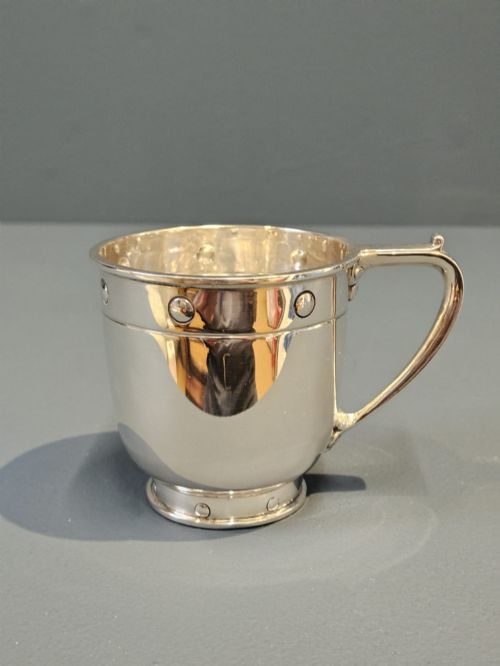
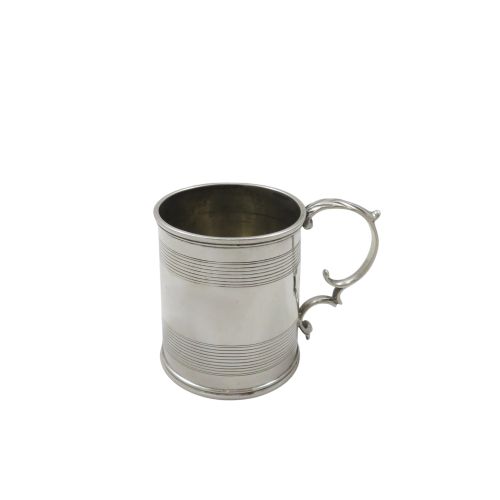
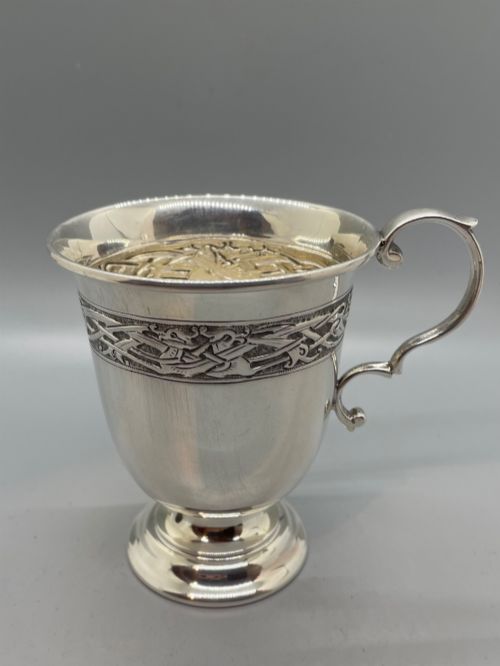
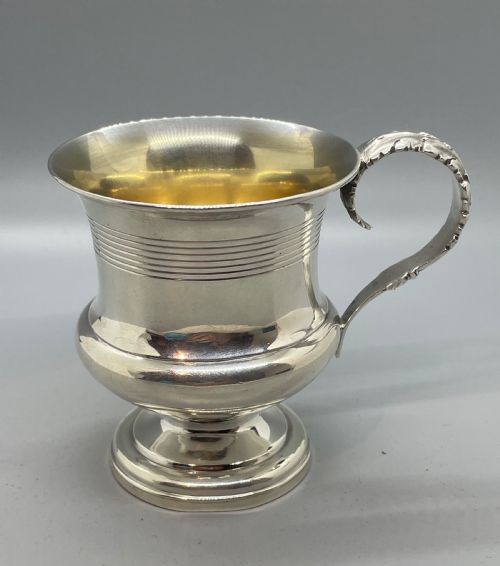
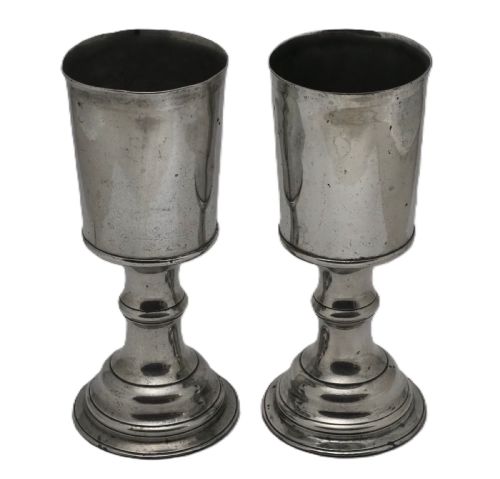
When you search for georgian silver drinking cups, you encounter a robust selection of drinking vessels predominantly originating from the eighteenth and nineteenth centuries, alongside complementary examples styled in later revivals. These objects span sturdy mugs, heavy tankards, christening vessels, and slender goblets designed for formal dining or domestic hospitality.
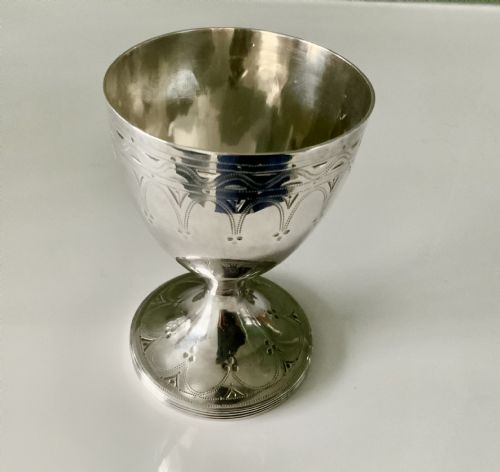
Mugs and tankards dominate the selection, often marked by substantial weight and capacious pint designs intended for ale or wine. Alongside these, goblets with vase-shaped bodies represent the more refined, decorative end of domestic drinking vessels from the period.
How georgian silver drinking cups were made
Silversmiths constructed these vessels primarily from sterling silver or higher-purity Britannia standard silver, hammering and shaping metal sheets into cylindrical or vase-shaped bodies. Handles were cast separately and securely soldered to the main body, often reinforced to withstand daily use.
Alternative materials in the evidence include old Sheffield plate, which fused a thin layer of silver to a copper base, alongside pewter and horn for folk art pieces. Surface decoration involved hand engraving, bright-cut cutting, and occasional gold gilt interiors.
Makers utilised traditional assays and punch marks to indicate metal purity and geographic origin, striking hallmarks directly onto the exterior or base of the metal.
Listings on this page span sterling silver, Britannia standard silver, old Sheffield plate, pewter, copper, and horn across periods from the early eighteenth century through the twentieth century.
What varies in quality in georgian silver drinking cups
Quality rests significantly on the heaviness of the gauge and the integrity of the original metal, with solid sterling or Britannia standard specimens commanding greater substance than plated wares. The clarity and completeness of town marks, date letters, and maker punches add tangible historical value.
The execution of decorative elements, from crisp bright-cut engraving to cleanly soldered handles, separates workshop output. Superior pieces maintain balanced proportions and clear, uncompromised wall thickness without thinning from centuries of polishing.
Barker Bros
The Georgian Silver Drinking Cups Glossary
- Britannia standard
- A higher purity standard of silver introduced in England, containing 95.84 percent pure silver. Objects bearing this mark often date from the early eighteenth century.
- Bright-cut
- An engraving technique utilising faceted V-shaped cuts to reflect light and create sparkling geometric or floral patterns. This ornamentation appears frequently on late eighteenth-century goblets.
- Porringer
- A two-handled bowl or cup used for porridge, broth, or small drinks. Examples from the eighteenth century typically feature symmetrical cast handles.
- Old Sheffield plate
- An early fused metal product made by sandwiching copper between sheets of silver. This technique predates modern electroplating.
Georgian Silver Drinking Cups: Frequently Asked Questions
What is a christening mug?
A christening mug is a small handled vessel traditionally presented to an infant to mark a baptism or birth. These pieces frequently feature engraved personal initials or dates.
They served as enduring keepsakes that transitioned from functional drinking vessels into cherished family heirlooms over generations.
How do I identify a Georgian tankard?
A Georgian tankard is distinguished by its cylindrical body, sturdy handle, and often a flat or slightly domed lid intended for holding ale. Examining the base usually reveals stamped hallmarks indicating the assay office and date.
These pieces reflect the robust tavern and domestic drinking customs of the eighteenth and early nineteenth centuries.
How should I clean silver drinking cups?
Silver drinking cups require gentle washing with mild soap and warm water followed by thorough drying with a soft cloth. Avoid harsh chemical dips that strip away desirable historical patination.
Regular handling naturally maintains a soft shine without the need for abrasive polishes.