

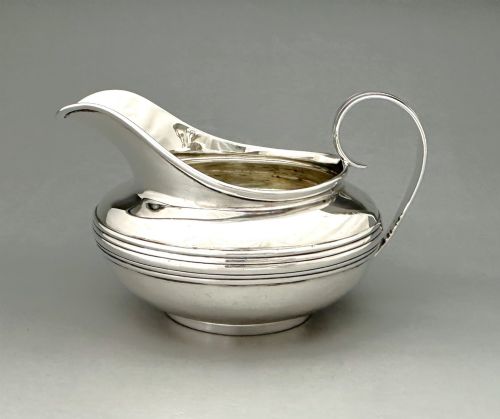
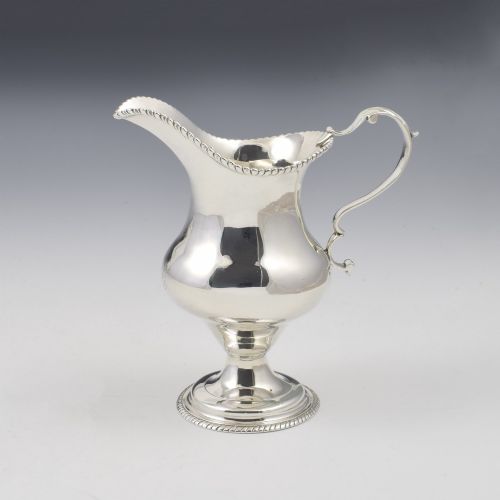
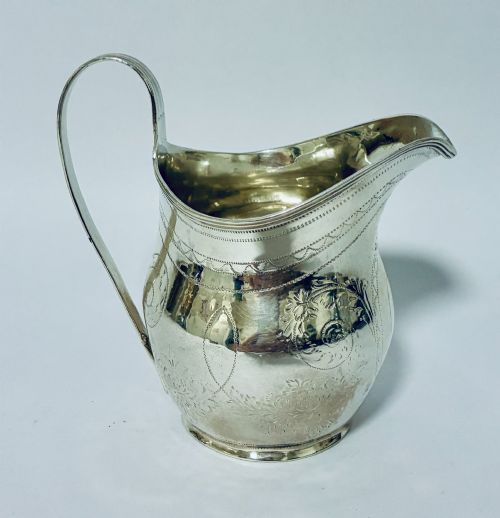
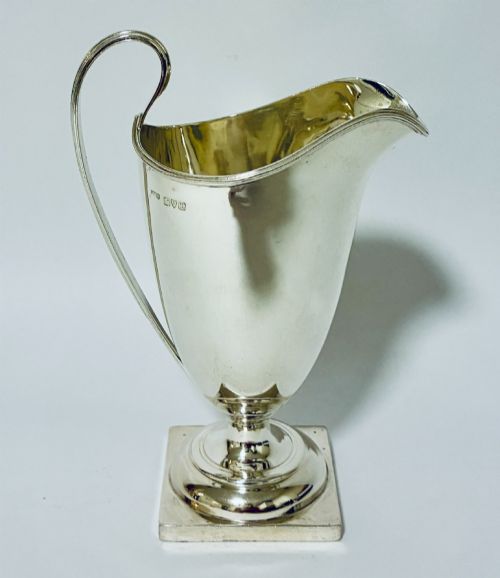






Georgian Silver Creamer Pitcher
A georgian silver creamer pitcher is a small pouring vessel for milk or cream, prized for its classic proportions and functional elegance at the tea table.
Georgian Silver Creamer Pitcher
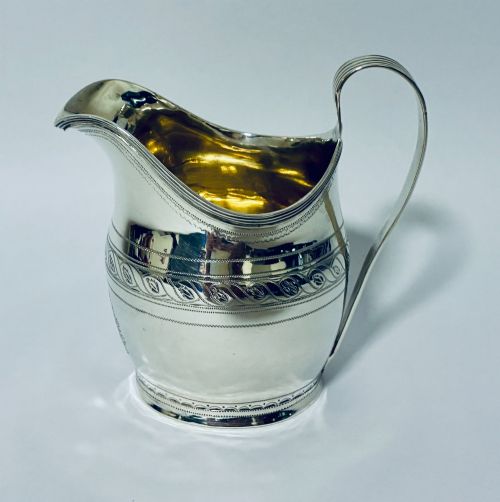
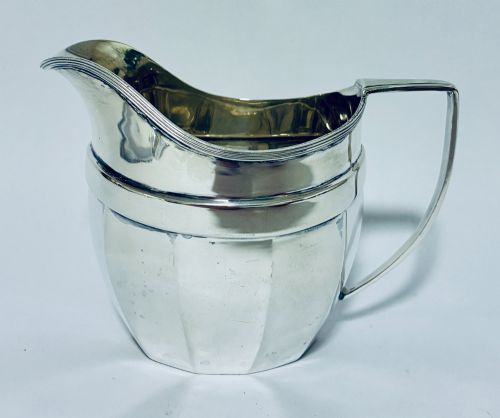
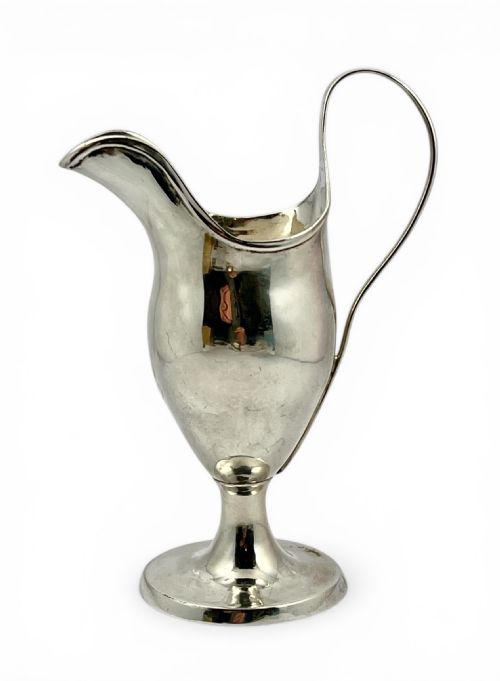
A georgian silver creamer pitcher encompasses small pouring vessels designed for tea service, appearing frequently in forms such as cream jugs, milk jugs, and helmet cream jugs. The pieces span the 18th century, the Georgian reigns, and subsequent periods including the Victorian and George V eras, alongside later revivals.
Makers shaped these vessels in regional workshops across London, Newcastle, Dublin, and Aberdeen, utilising sterling silver, silver plate, and copper. The selection includes specific historical designs like sparrow beak jugs and bright-cut examples alongside larger milk jugs.
Buyers meet objects ranging from early 18th-century sparrow beak jugs to later George III helmet forms and 20th-century interpretations. The assortment reflects diverse provincial and metropolitan silversmithing traditions from distinct historical reigns.
What varies in quality
The standard of execution depends on the crispness of the chasing and the precision of the bright-cut engraving, which distinguishes master silversmiths from standard production. Weight and gauge of the metal also contribute substantially to the structural solidity of the piece.
Provenance and maker attribution elevate certain examples, particularly those bearing marks from known provincial makers or prominent London workshops. The integrity of original hallmarks and the survival of clean, unpolished surface details determine the desirability among collectors.
Early 18th-century silversmiths designed sparrow beak jugs so small they held barely enough cream for a single polite cup of tea.
Stalker & Mitchison·James Gordon·John Emes·Peter & Ann Bateman·George Unite·Robert Pringle & Sons
The Georgian Silver Creamer Pitcher Glossary
- Sparrow beak
- An early 18th-century cream jug form featuring a small, pinched spout resembling a bird's beak. This compact shape characterises many pieces from the reign of George I and George II.
- Helmet cream jug
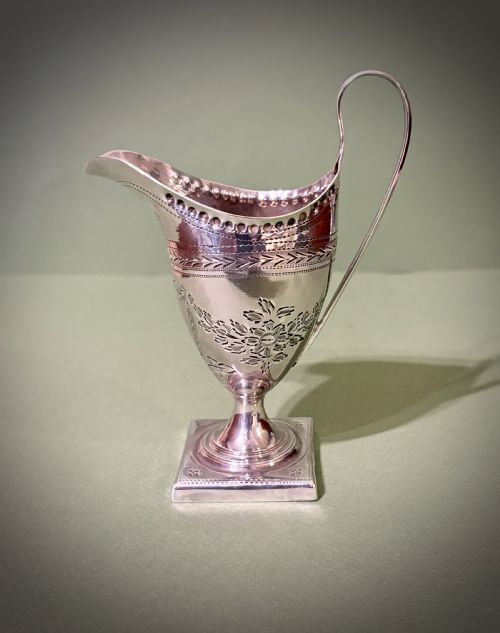
- A vessel shaped with a flared rim and footed base that evokes the appearance of a classical helmet. This style gained widespread popularity during the George III period.
- Bright-cut engraving
- A surface decoration technique utilising faceted cuts with a graved chisel to create glittering, geometric patterns. It appears frequently on silver jugs from the Georgian era.
- Sterling silver
- An alloy consisting of 92.5 percent silver by mass, with other metals added for increased durability. Most British creamers in this selection utilise this standard.
- Silver gilt
- Silver objects that have been coated with a thin layer of gold on the surface. This finish protects the interior from acidic dairy products and adds colour contrast.
Georgian Silver Creamer Pitcher: Frequently Asked Questions
What is a sparrow beak jug?
A sparrow beak jug is an early form of cream pitcher characterised by a short, projecting spout and a bulbous body. These small vessels date primarily to the early 18th century.
They were designed to dispense small quantities of cream into tea during a period when tea was an expensive and measured commodity.
What does bright-cut mean on silver?
Bright-cut engraving involves cutting shallow facets into the silver surface with a sharp graver to reflect light. The technique creates geometric borders and floral motifs.
It was widely applied to cream jugs during the late 18th century to add texture without heavy embossing.
How were these creamers used historically?
These vessels held cream or milk for addition to tea at formal dining and drawing-room gatherings. Servants brought them to the table as part of the broader silver teaware service.
Their capacities reflect the social customs of tea drinking when portions were measured and poured from the host's tray.
Can I use antique silver creamers daily?
Antique silver creamers handle daily use well because sterling silver is durable. Wash them by hand using mild soap and dry them promptly.
Avoid abrasive cleaners that wear down engravings and hallmarks accumulated over centuries of existence.