


Georgian Silver and Glass
Georgian silver and glass brings together the brilliance of cut crystal and the quiet weight of silver in tablewares and small accessories.
Georgian Silver and Glass
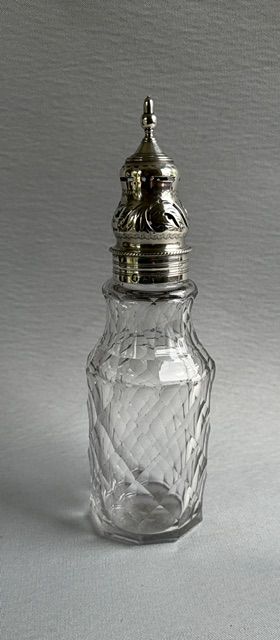
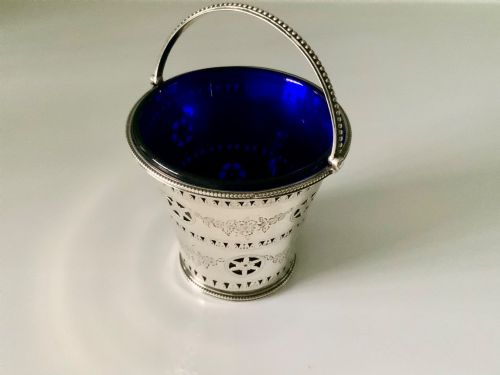
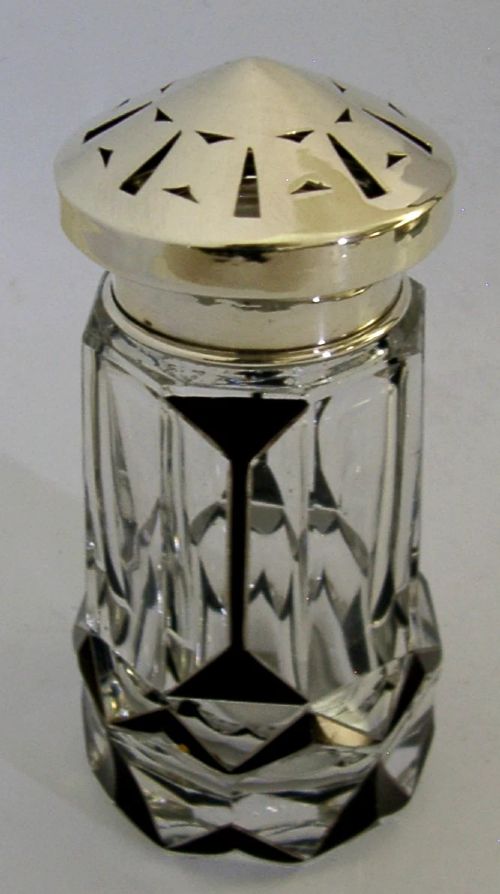
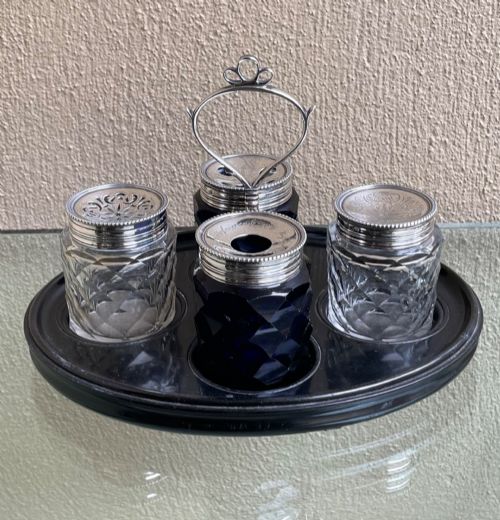
Georgian silver and glass encompasses functional tableware and personal items where metalwork frames or contains clear or coloured glass. Cruet sets, salt cellars with glass liners, mustard pots, inkstands, and cut glass tea caddies form the backbone of this category.
Makers combined sterling silver mounts, swing handles, and pierced galleries with heavy, hand-cut glass vessels designed to catch the candlelight of a dining room. The metalwork often carries hallmarks indicating London, Chester, or regional assay offices, paired with faceted or moulded glass bases.
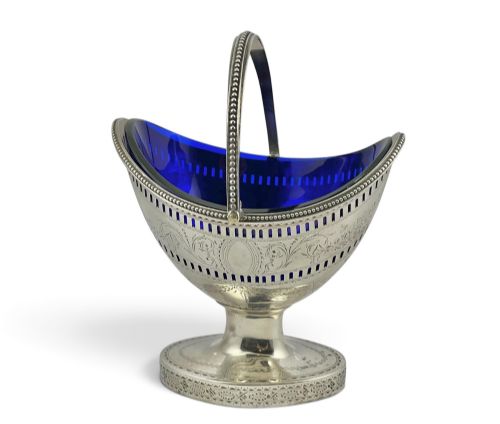
While true Georgian examples date from the eighteenth and early nineteenth centuries, the aesthetic extends into later revival styles that replicate the proportion and utility of the period. Buyers encounter everything from table salts with blue glass liners to inkstands fitted with glass inkwells.
Materials and construction
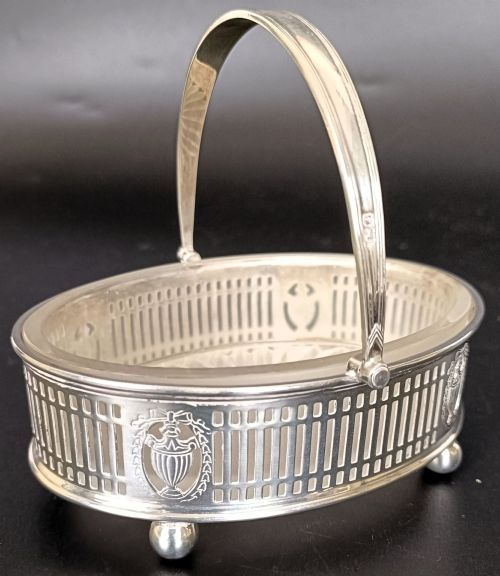
Silversmiths shaped sterling silver through casting, piercing, and wirework, creating lattice frames for baskets and secure collars for bottles. The metal was frequently pierced by hand to form symmetrical patterns, then polished to a bright finish or gilded.
Glass components were heavy and substantial, often shaped by blowing into moulds or hand-cut with deep facets to refract light. The glass liners for salt cellars and bottles were ground to fit snugly within their silver housings.
Makers secured glass inserts with precision, ensuring that movable parts like swing handles on baskets or hinged lids on mustard pots functioned without stressing the fragile glass beneath.
Georgian Silver and Glass Retail Price Guide 2026
Typical asking prices for georgian silver and glass among the pieces listed under this phrase on Sellingantiques today, from the lower quarter to the upper quarter. They describe what is for sale here now, not the wider market.
Listings feature silver, glass, mahogany, and brass across periods spanning the eighteenth century to the Art Deco era.
Markers of distinction
Quality rests in the crispness of the silversmith's piercing and the clarity of the cut glass. Sharply defined facets on glass cruets and thick, evenly cast silver mounts distinguish finer workshop output from simpler domestic wares.
The survival of original components, such as matching blue glass liners in table salts or complete sets of cut glass bottles in a cruet frame, elevates an object's integrity. Replacement glass or mismatched bottles alter the unified design intended by the maker.
Makers' marks provide a clear benchmark, with crisp stamps from notable silversmiths indicating superior workshop standards compared to unmarked or rubbed pieces.
Aldridge & Green·Gillows Of Lancaster·George Adams·Charles Thomas Fox·Hester Bateman·Jonathan Douglas·William Rudkins·Josiah Williams & Co·P. Caminada·G & L Guanziroli
The Georgian Silver and Glass Glossary
- Cruet set
- A matched collection of glass bottles or castors mounted in a silver stand for holding condiments at the table. These sets often include cut glass bottles with silver collars.
- Paste glass
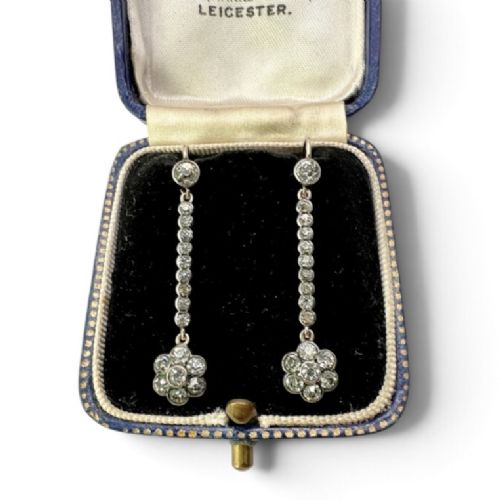
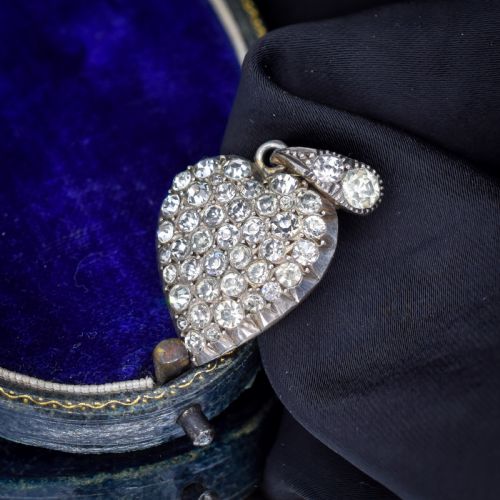
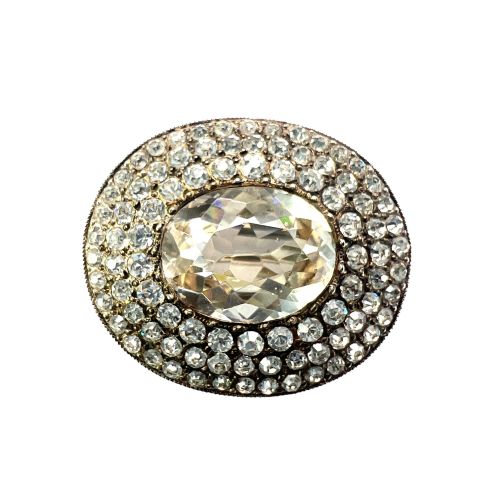
- Hand-cut lead glass used to imitate gemstones in jewellery, though the term also extends to decorative glass components in small desk wares. It reflects light brightly under artificial illumination.
- Hallmark
- A series of stamped symbols on silver indicating the maker, assay office, standard of purity, and date of manufacture. These marks confirm the material and origin.
- Piercing
- A technique where metal is cut through to create openwork decorative patterns in galleries, basket walls, and frames. It lightens the visual weight of the silver while securing the glass within.
- Sterling silver
- An alloy of silver containing 92.5 percent pure silver and 7.5 percent other metals, usually copper. This standard provides the necessary rigidity for functional tablewares.
Georgian Silver and Glass: Frequently Asked Questions
What were glass liners used for in silver salts?
Glass liners protected the porous silver from the corrosive effects of salt and vinegar during dining.
They allowed the salt cellars to be cleaned easily without damaging the delicate silver framework.
How do I care for silver and glass objects?
Keep silver polish away from the glass components to avoid residue accumulation in the cut facets.
Wash glass liners in warm soapy water and dry them thoroughly before placing them back into their silver mounts.
Are cruet bottles usually original to the frame?
Many cruet sets suffered breakage over centuries of use, leading to replacement bottles matching the original style.
Inspect the fit and glass colour closely to determine if the bottles share the same age as the silver stand.