





Georgian Sewing Desk
A georgian sewing desk combines a compact table with fitted drawers for needlework, offering versatile utility and refined period style.
Georgian Sewing Desk
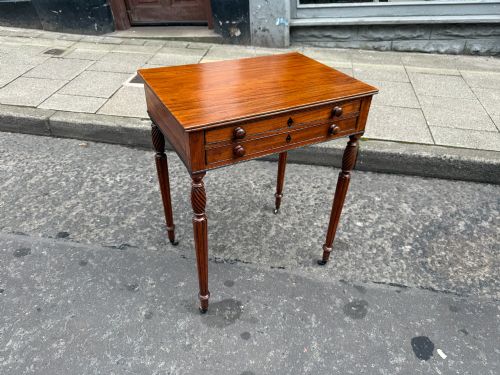
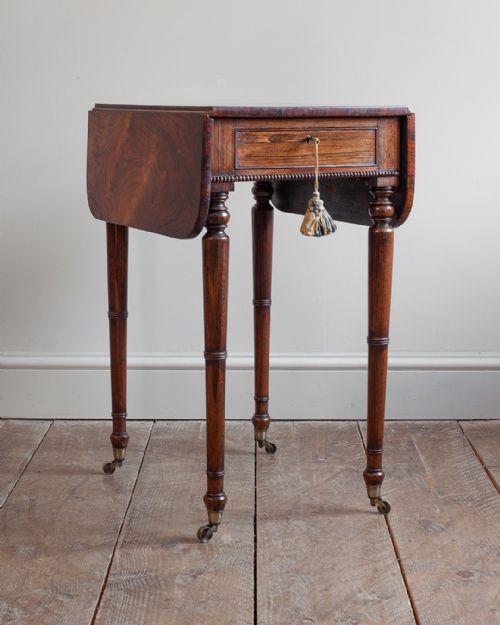
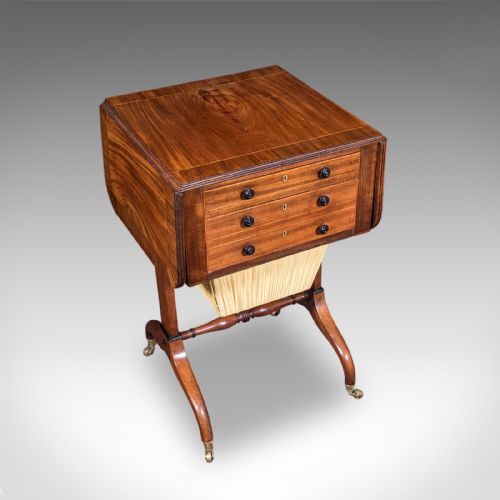
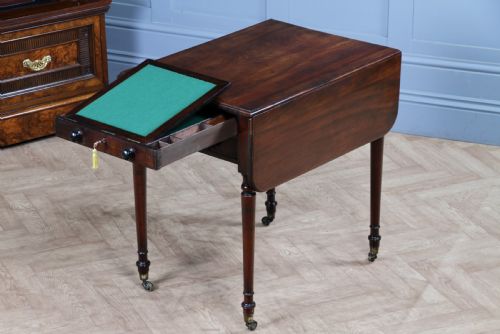
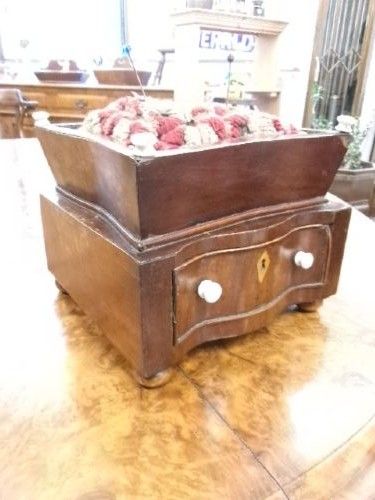
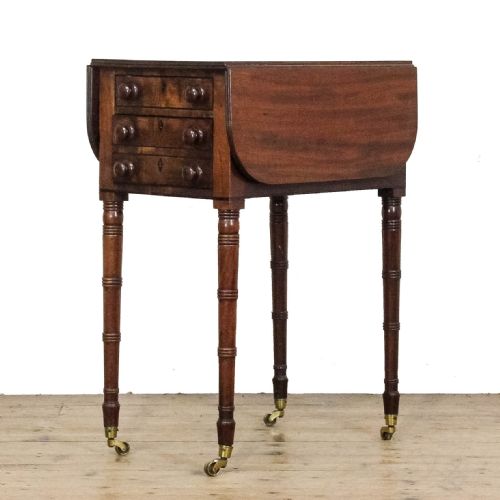
A georgian sewing desk most often appears in the form of a Pembroke or drop-leaf work table, built to serve domestic needs during the late eighteenth and early nineteenth centuries. These pieces combine writing surfaces and sewing storage, frequently housing fitted drawers and interior compartments for needles, thread, and documents.
The materials and construction reflect the cabinet-making standards of the Georgian and Regency periods, utilising figured timbers such as mahogany, rosewood, and satinwood. Many examples incorporate drop leaves that extend the surface area, alongside pedestal bases or tapered legs.
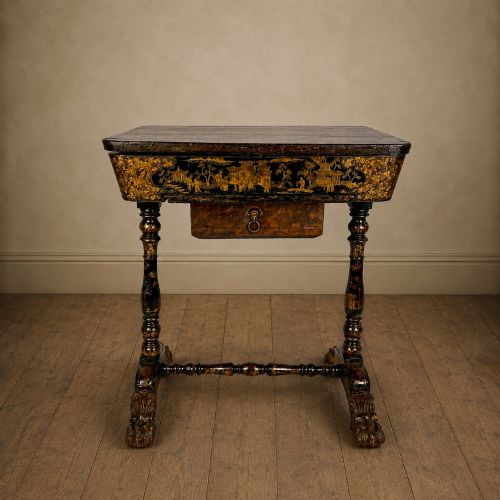
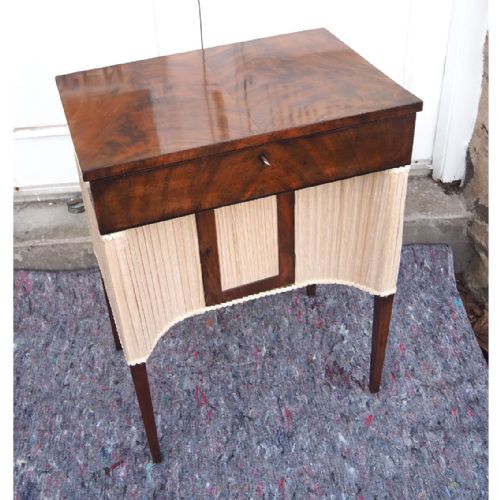
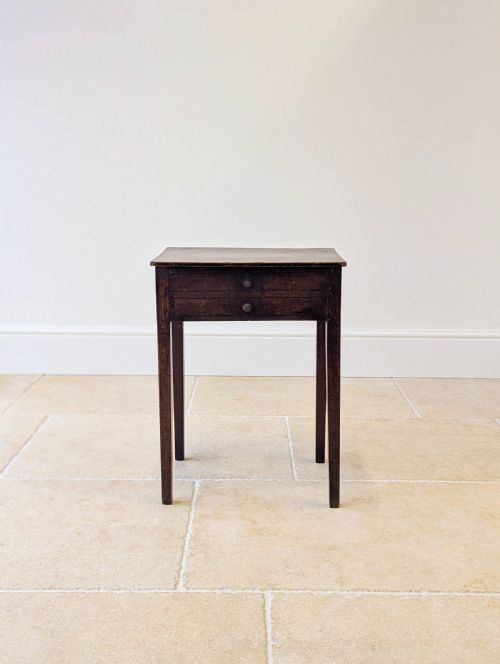
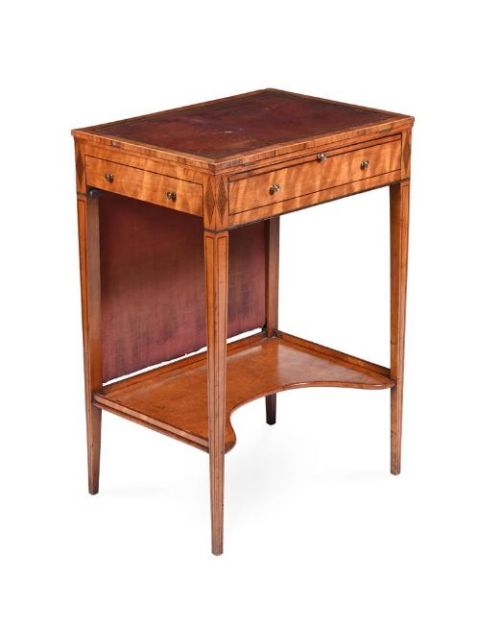
Buyers will encounter variations ranging from simple oak work tables to elaborate satinwood and lacquered pieces featuring writing slides and rear screens. The forms merge practicality with elegance, serving as functional side tables or writing desks within domestic spaces.
Assessing the range of quality
The choice of timber sets the baseline for quality, moving from plain utility woods up to highly figured flame mahogany, richly grained rosewood, and delicate satinwood veneers. Finer pieces demonstrate superior book-matching and careful grain selection across the top and leaves.
Internal complexity marks the division between standard tables and high-tier examples, particularly those with multiple secret rising compartments, fitted writing drawers, and original key mechanisms. The ingenuity of the interior layout dictates the standing of the piece.
Originality of hardware, castors, and fabric inserts preserves the integrity of the work table. Seamless operation of drop-leaf mechanisms and drawers indicates skilled primary craftsmanship during the period of manufacture.
Secret compartments in these desks often kept hidden pins and needles safely tucked away from wandering fingers.
Gillows
The Georgian Sewing Desk Glossary
- Pembroke table
- A small table with hinged drop leaves on either side, offering expandable surface area. This form frequently incorporates one or two end drawers.
- Secretaire
- A desk or table featuring a pull-out or drop-front drawer fitted with writing surfaces and small compartments. It conceals stationery and writing materials.
- Work table
- A specialised piece of furniture designed for needlework and sewing, equipped with internal trays, bags, or compartments. These tables double as occasional or side tables.
- Drop leaf
- A hinged flap of wood attached to the main top of a table, supported by brackets or swing legs when raised. It allows the footprint of the furniture to change according to space.
- Chinese Export lacquer
- Decorative varnish work applied in East Asia for the Western market, typically featuring black grounds with gilt motifs. It appears on select Regency period pieces.
Georgian Sewing Desk: Frequently Asked Questions
How were they used originally?
Wealthy women utilised these tables to hold sewing accessories, threads, and needlework projects while sitting in the parlour or drawing room. Many versions also incorporated writing surfaces for correspondence.
The pull-out bags or fitted drawers kept materials organised and out of sight when the table was not in use as a workspace.
Where should I place one?
These tables function well as side tables, occasional tables, or compact desks in living rooms and studies. Their drop leaves allow them to fit into smaller spaces.
Keep them away from direct heat sources and strong sunlight to protect the aged wood veneers and delicate interior fabrics.
How do I spot a Regency piece?
Regency pieces often display bolder wood grains like rosewood, heavier pedestal bases, brass stringing, or chinoiserie lacquer work. The lines tend to draw on classical architectural forms.
Cabinet makers of this era also introduced more complex internal mechanisms, such as rising compartments and integrated writing screens.