



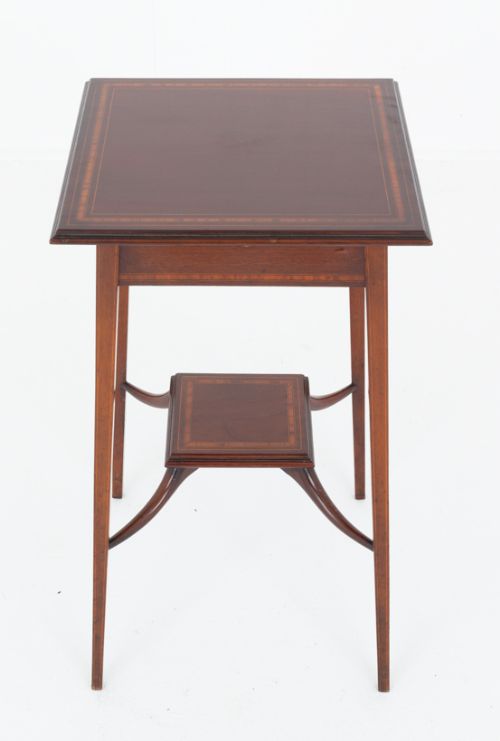
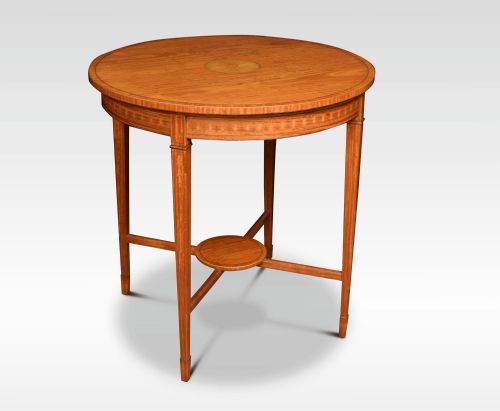


Georgian Revival Wine Table
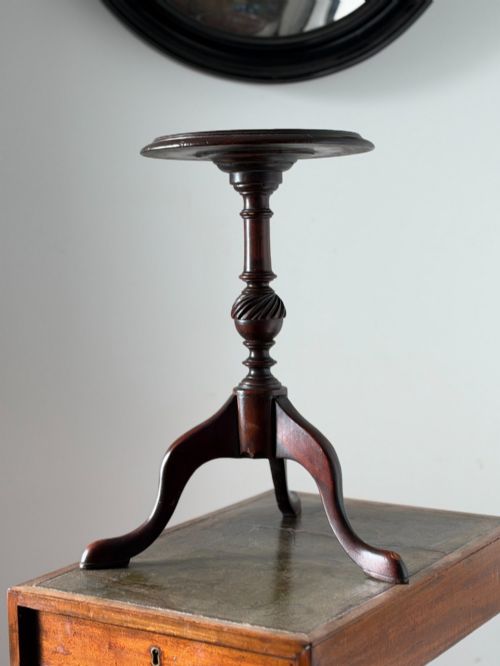
A georgian revival wine table brings compact elegance to a corner, offering a sturdy pillar base and a convenient circular top.
Georgian Revival Wine Table
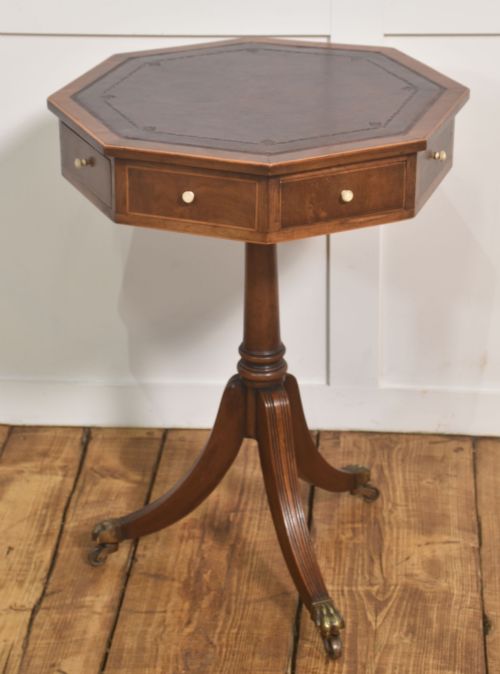
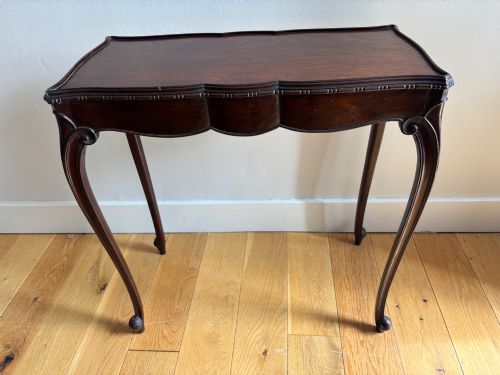
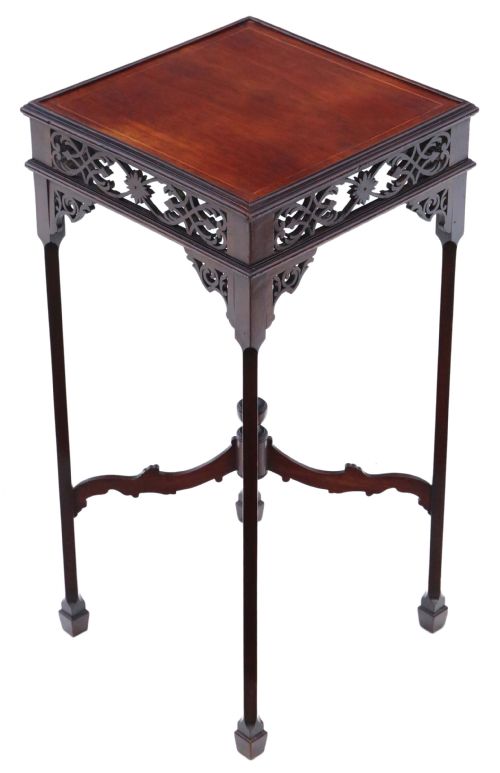
A georgian revival wine table revives the classic compact pillar forms popular during the eighteenth century, recreated in later eras such as the Edwardian period and the early twentieth century. These pieces function primarily as small occasional surfaces, lamp stands, or decorative urn stands within a room.
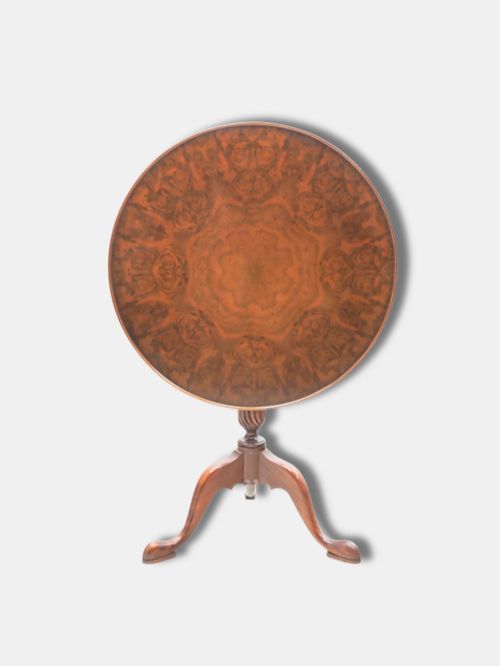
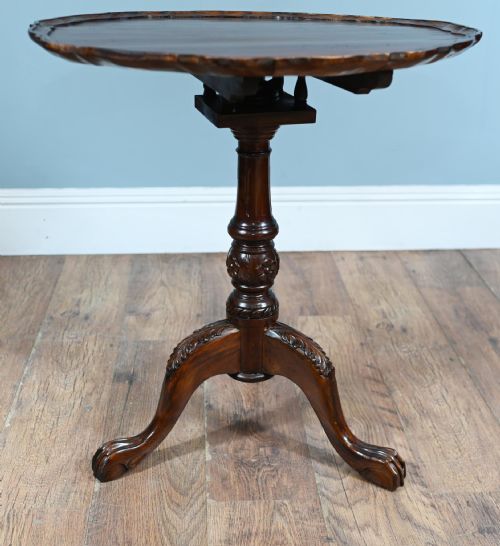
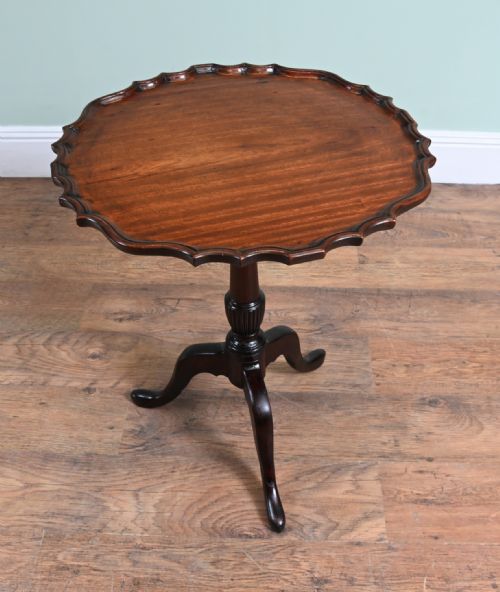
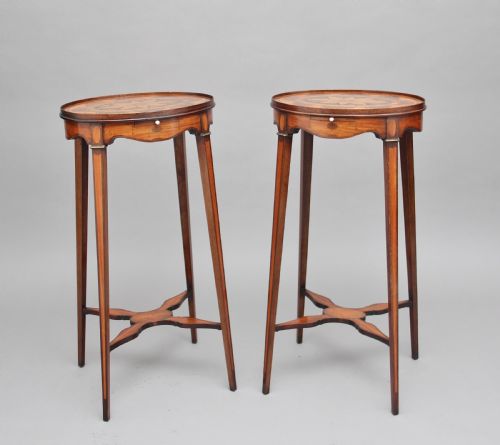
The versions most commonly met on this page include mahogany tripod tables with tip-top mechanisms, alongside satinwood occasional pieces bearing delicate inlay work. Makers of these revival pieces drew heavily on Sheraton, Hepplewhite, and general George III design principles to satisfy domestic demand for historic revival furniture.
Origins span English workshops from the late nineteenth century through to nineteen twenty, reflecting a sustained appetite for traditional domestic forms. They sit comfortably beside larger seating groups, offering surface utility without dominating the floor space of a room.
What Varies in Quality
The distinction between standard commercial output and finer workshops rests upon the crispness of the timber carving and the precision of the inlay. Hand-cut stringing and subtle figuring in the mahogany or burr walnut veneer elevate an example above plain, utilitarian production.
Structural integrity in the pillar and block mechanism dictates longevity, ensuring the top remains firm and level rather than wobbling upon its base. Brass fittings and catch mechanisms, where present, show varying degrees of weight and finish that correspond to the overall grade of the piece.
Georgian Revival Wine Table Retail Price Guide 2026
Typical asking prices for georgian revival wine table among the pieces listed under this phrase on Sellingantiques today, from the lower quarter to the upper quarter. They describe what is for sale here now, not the wider market.
Some tables hide a clever birdcage mechanism beneath the top, letting the surface spin like a compass before folding away.
Edwards and Roberts
The Georgian Revival Wine Table Glossary
- Wine table
- A small occasional table featuring a single central pillar and three legs, historically designed to hold a glass and bottle. These pieces often incorporate circular tops with raised pie crust or plain moulded edges.
- Tip-top
- A tabletop mounted on a hinge mechanism that allows it to pivot vertically for storage against a wall. This traditional feature saved valuable floor space in period drawing rooms.
- Tripod base
- A support structure comprising three legs radiating from a central turned column. It provides stable placement on uneven floors through three points of contact.
- Inlay
- A decorative technique where contrasting woods, such as satinwood and boxwood, are set flush into the primary timber surface. This creates geometric or botanical patterns across the top or legs.
- Pie crust edge
- A carved and moulded tabletop rim featuring subtle undulating curves resembling pastry work. This decorative flourish appears on finer mahogany and walnut surfaces.
Georgian Revival Wine Table: Frequently Asked Questions
What is a georgian revival wine table?
A georgian revival wine table is a small, portable occasional table supported by a central pillar and tripod legs. These pieces emulate eighteenth-century furniture designs while being manufactured during the Victorian, Edwardian, or early twentieth-century periods.
They provide a convenient surface for a lamp or small objects, combining historical aesthetics with practical domestic utility.
How were these tables originally used?
These tables served primarily as mobile surfaces for holding drinks, candles, or books near seating areas. Their compact size allowed servants to move them easily about the room depending on the social occasion.
Today, they function well as lamp tables or bedside stands in traditional and contemporary interiors alike.
Why do some tops tilt?
The tilting mechanism allowed the table to be stored flat against a wall when not in use, clearing valuable floor space in smaller rooms. This practical feature was common on pillar tables from the eighteenth century onwards.
Revival makers retained this functional detail, though many modern owners keep the top fixed in the horizontal position.
How do I identify the period?
Dating relies on timber characteristics, construction methods, and the specific revival style employed by the maker. Edwardian and early twentieth-century pieces often display cleaner interior secondary woods and machine-assisted turning compared to older work.
Stylistic cues such as Sheraton or Hepplewhite revival motifs help narrow down the era of manufacture within the late nineteenth and early twentieth centuries.