




Georgian Revival Stand
A georgian revival stand brings classical proportion and refined timber to modern rooms, echoing eighteenth-century elegance through early twentieth-century craftsmanship.
Georgian Revival Stand
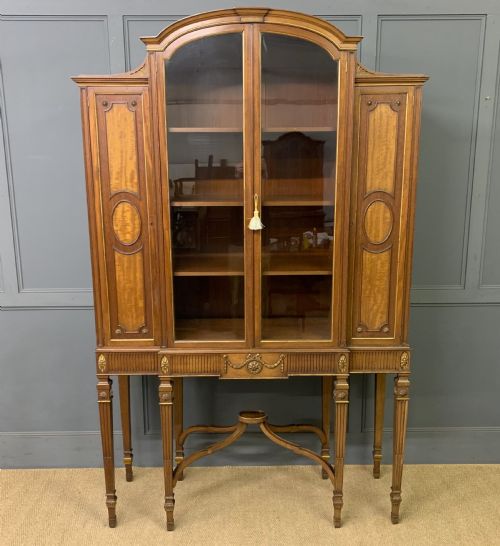
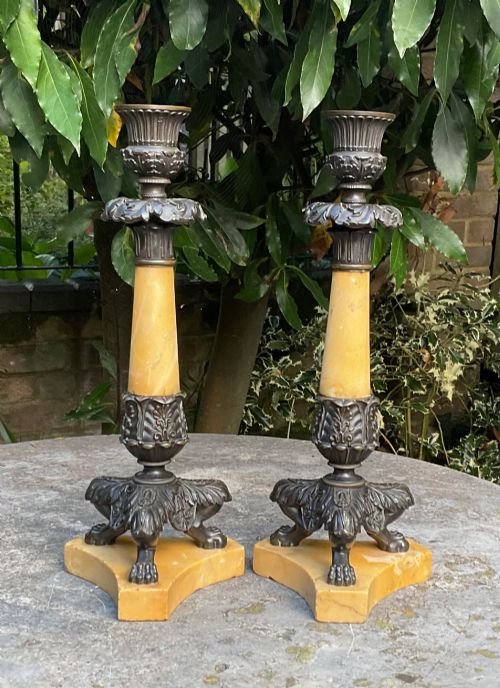
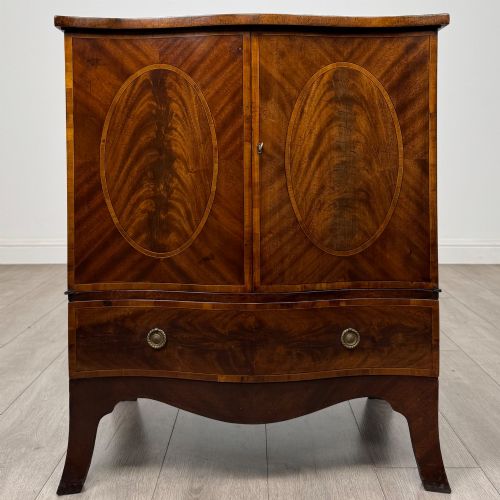
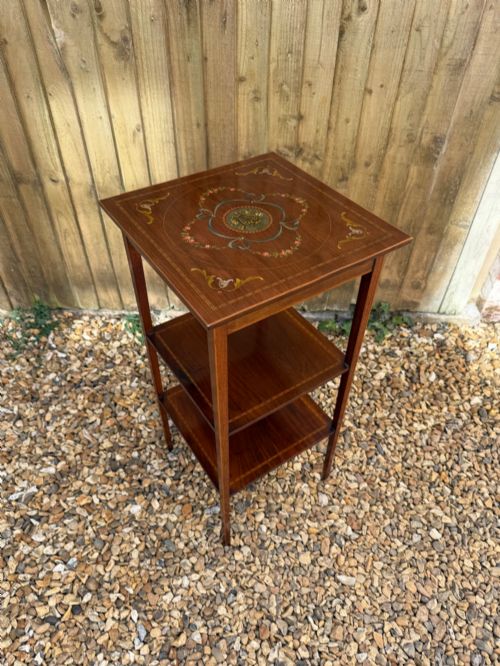
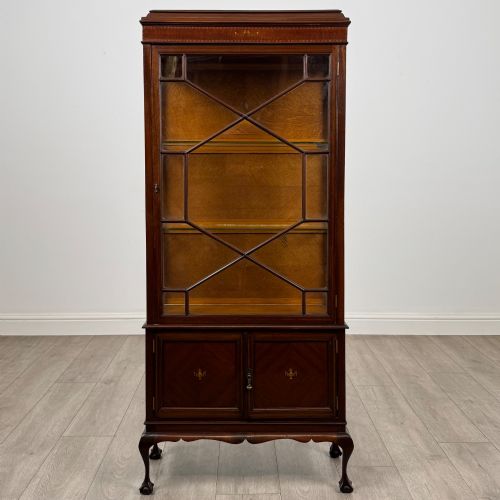
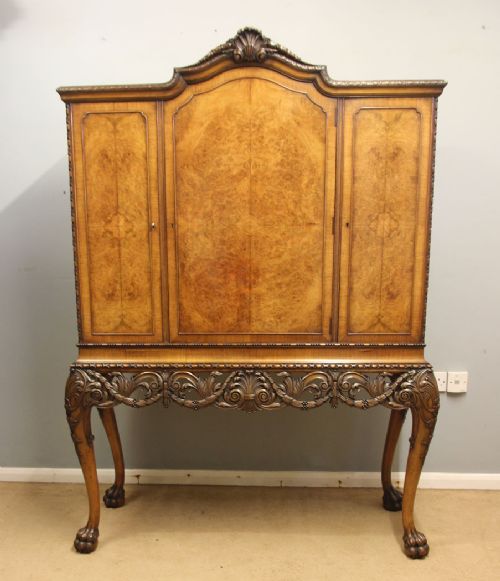
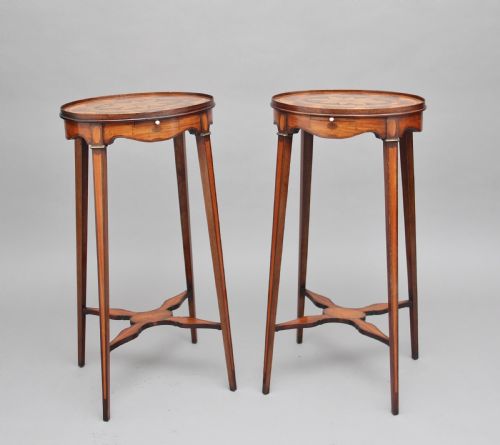
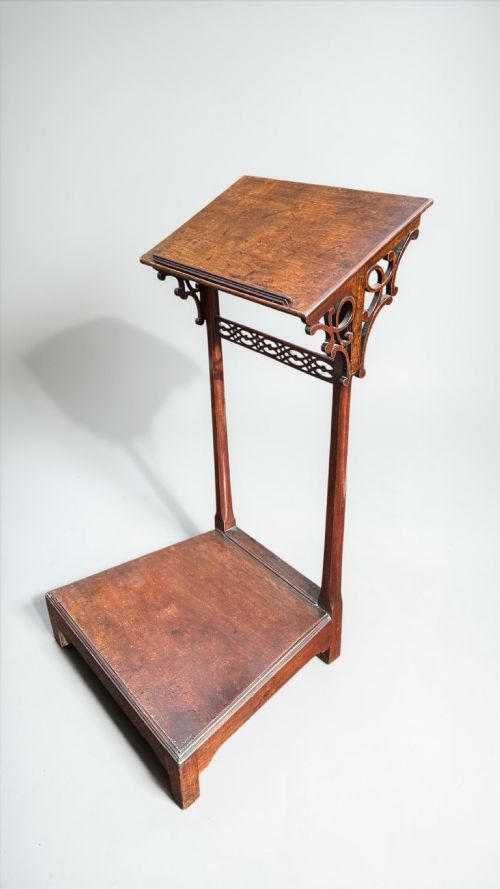
When you search for a georgian revival stand, you encounter pieces that echo the distinct classical forms of earlier centuries, predominantly constructed around nineteen-hundred or during the Edwardian period. The selection on this page centres on occasional tables, torchères, book troughs, and cabinets raised on legs or stands, reflecting the eclectic revivalist tastes of the late nineteenth and early twentieth centuries.
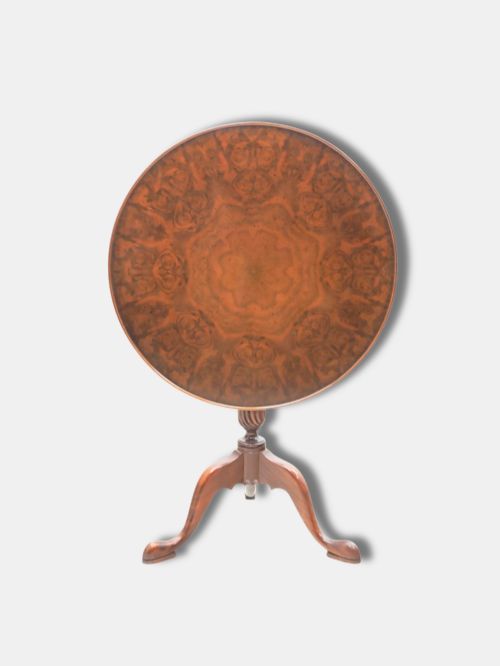
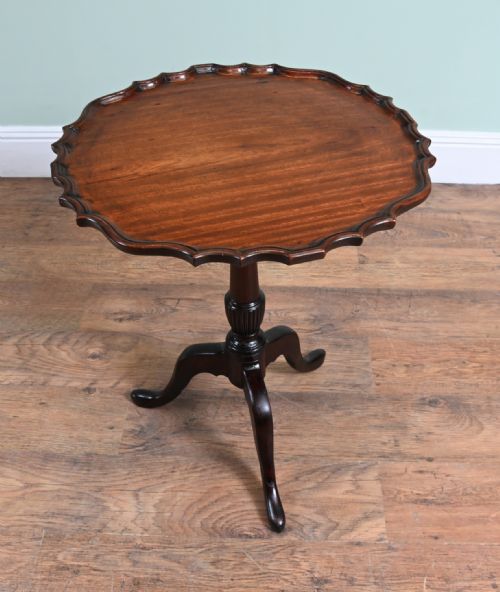
These items borrow heavily from established eighteenth-century idioms such as Chippendale, Sheraton, and Adam, adapting them for contemporary Edwardian and early twentieth-century interiors. You will frequently find tripod tables, wine tables, and display stands that mirror the lighter, more elegant proportions favoured by Sheraton and Hepplewhite designers.
The objects serve varied domestic functions, ranging from display surfaces for ornaments to specialised library stands and silver tables. Their makers looked back to Georgian design principles while utilising the timbers and manufacturing efficiencies available in the nineteen-hundreds.
Materials and Construction
Makers relied extensively on mahogany as the primary structural timber, often enhancing surfaces with satinwood, boxwood inlay, or burr walnut veneer to create visual contrast. Cabinet-makers applied these veneers over solid secondary woods, employing traditional jointing methods alongside the machine assistance available by nineteen-hundred.
Decorative detailing often involved delicate stringing, cross-banding, and hand-painted motifs that recalled earlier neoclassical styles. Brass hardware, such as castors and handles, complemented the polished timber surfaces, while occasional pieces incorporated glass panels and bronze elements.
Sheraton and Chippendale revival styles dominate the design vocabulary of these stands.
The Measure of Quality
Quality in these revival pieces rests upon the crispness of the carving, the selection of timber figures, and the precision of the inlay work. Finer examples display carefully matched burr walnut or satinwood veneers and hand-cut details that distinguish them from plainer, mass-produced alternatives.
Structural integrity also separates the upper tier from standard pieces, visible in the tightness of the joinery on tripod bases, tray tops, and cabinet stands. Superior items maintain balanced proportions and use dense, high-grade mahogany rather than lighter, softer secondary substitutes.
Edwards & Roberts·Hawksworth Eyre & Co
The Georgian Revival Stand Glossary
- Torchère
- A tall, slender stand designed to support a candelabrum or lamp. These elevated pieces often feature tripod legs and carved pillars.
- Inlay
- A technique where pieces of contrasting timber, such as satinwood or boxwood, are inserted into recessed cavities to form decorative patterns. This method enhances the visual depth of mahogany surfaces.
- Pie crust
- A carved, undulating raised edge typically found on the circular tops of occasional and wine tables. The moulding mimics pastry crust designs popular in eighteenth-century furniture.
- Astragal
- The narrow wooden moulding that divides panes of glass within a cabinet door. These delicate strips are characteristic of glazed bookcases and display units from the period.
Georgian Revival Stand: Frequently Asked Questions
What is a georgian revival stand?
A georgian revival stand is a piece of furniture made around nineteen-hundred that imitates the styles of the eighteenth century. These items include small tables, torchères, and cabinets.
Craftsmen drew inspiration from designers like Sheraton and Chippendale to create domestic pieces suited for Edwardian homes.
How do I date these stands?
Dating relies on timber characteristics, construction methods, and stylistic cues present in the piece. Most items date from the Edwardian era or the early twentieth century.
Makers often combined older design templates with manufacturing techniques typical of nineteen-hundred.
Where were these stands used?
These pieces functioned as versatile items for drawing rooms, libraries, and parlours. They held books, lamps, silver, or decorative ornaments.
Their smaller proportions allowed them to fit easily into various domestic spaces as side tables or display units.
What woods were used?
Mahogany served as the principal timber for the majority of these stands. Cabinet-makers frequently added satinwood, walnut, and boxwood for decorative inlays.
Finishes ranged from polished natural grain to painted surfaces with detailed neoclassical motifs.