



Georgian Pottery Vessel
A georgian pottery vessel brings the robust utility and decorative charm of the eighteenth and early nineteenth centuries directly into a modern room.
Georgian Pottery Vessel
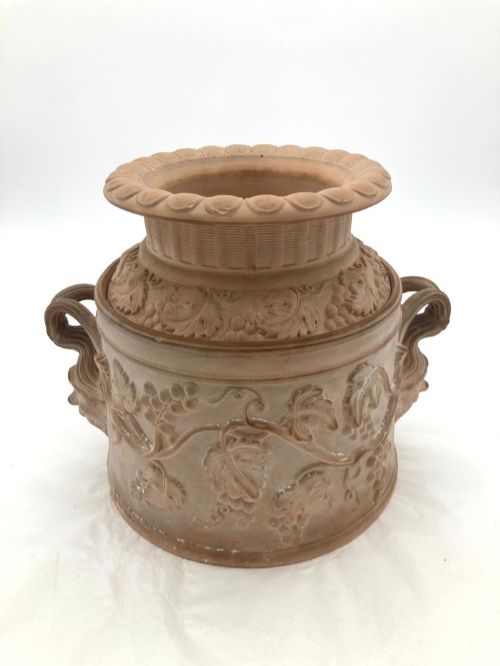
When you search for a georgian pottery vessel, you encounter a diverse array of utilitarian and decorative objects made from clay during the Georgian and Regency periods. These domestic items range from large footbaths and wine coolers to modest mugs, jugs, and apothecary jars.
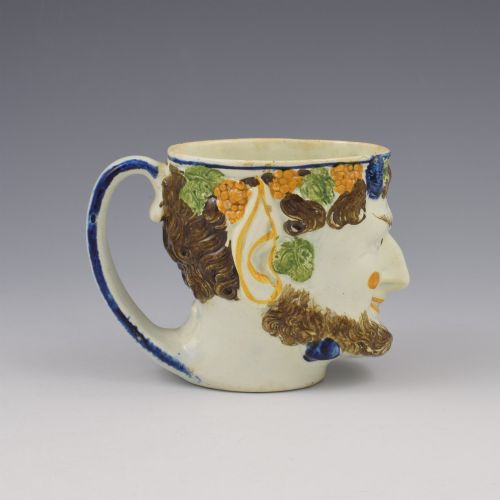
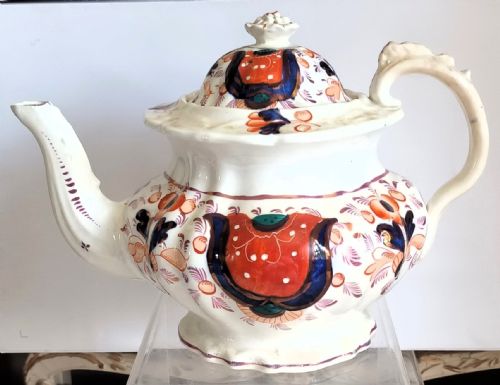
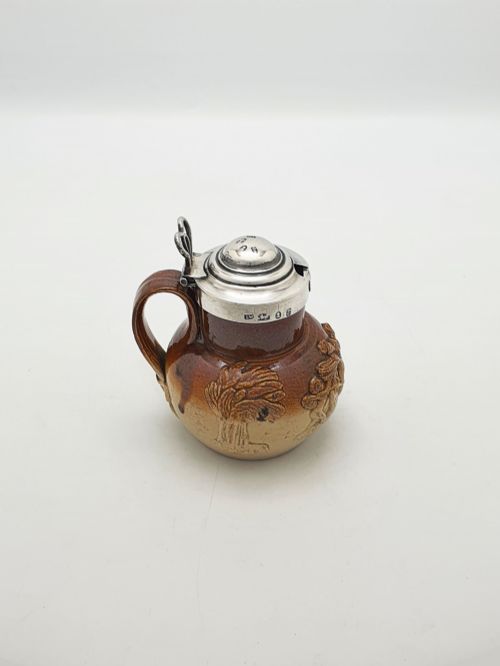
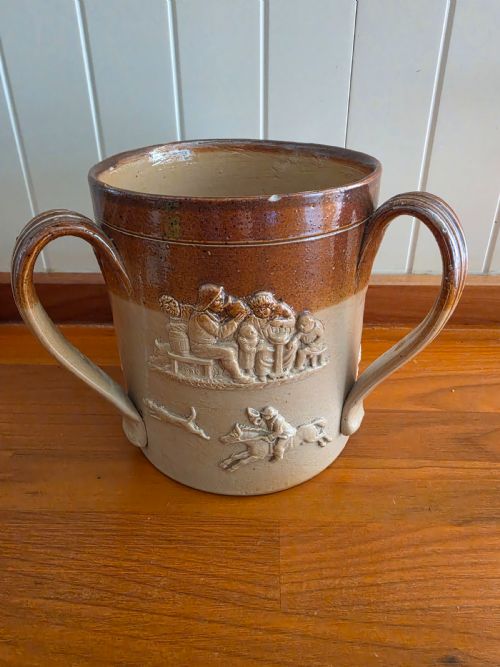
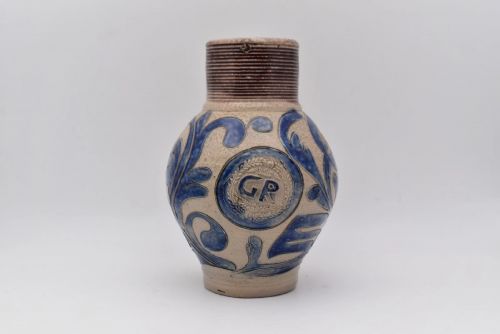
The pieces on this page heavily feature English country pottery, creamware, and pearlware alongside distinct continental imports such as German Westerwald salt glaze. Common forms include tankards, loving cups, teapots, and cow creamers originating from makers and regions like Staffordshire, Liverpool, and Wales.
Buyers are most likely to meet earthenware and stoneware vessels displaying hand-painted motifs, transfer printing, or lustrous enamel finishes. These household ceramics reflect the daily dining, drinking, and medicinal habits of homes spanning the eighteenth and nineteenth centuries.
Materials and construction
Potters shaped these vessels from local clays, refined earthenware, creamware, and dense stoneware bodies suited to holding liquids and dry goods. Artisans utilised traditional throwing and moulding techniques to form jugs, jars, and large bathing vessels before applying decorative surface treatments.
Glazes and colours played a fundamental role in finishing each piece, incorporating cobalt oxide for blue and white transfer designs, metallic lustres, and enamel paints. Some items received salt glazing in kilns, while others incorporated utilitarian elements like sterling silver collars.
Georgian Pottery Vessel Retail Price Guide 2026
Typical asking prices for georgian pottery vessel among the pieces listed under this phrase on Sellingantiques today, from the lower quarter to the upper quarter. They describe what is for sale here now, not the wider market.
Frog and newt loving cups delighted Georgian drinkers by revealing a small ceramic amphibian swimming at the bottom of the vessel.
Assessing quality and craftsmanship
The calibre of a vessel depends upon the precision of the potter's moulding, the stability of the clay body, and the clarity of the glaze firing. Superior examples display crisp relief work, well-aligned transfer prints, or finely executed hand painting that remains distinct across the ceramic surface.
Artistic ambition and regional origin also separate standard utilitarian items from exceptional pieces made by prominent factories or skilled country potters. Greater control over kiln temperatures and pigment application distinguishes the finest output from everyday domestic wares.
Miles Mason·Adams
The Georgian Pottery Vessel Glossary
- Creamware
- A refined earthenware developed in Yorkshire featuring a pale yellowish or cream-coloured lead glaze. It became widely popular for domestic tableware throughout the Georgian era.
- Pearlware
- An improved earthenware body invented by Josiah Wedgwood with a bluish-tinted glaze designed to mimic the appearance of Chinese porcelain. It frequently displays hand-painted or transfer-printed decoration.
- Salt Glaze
- A vitreous coating formed by throwing common salt into the kiln at the height of temperature, creating a pitted texture resembling orange peel on stoneware.
- Lustreware
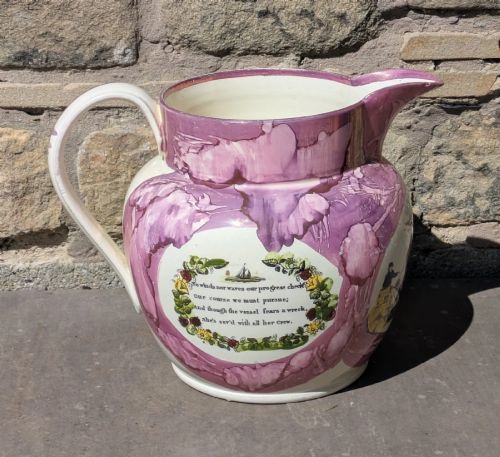
- Earthenware or stoneware decorated with a metallic film that produces an iridescent or shiny surface. Pink and copper tones were especially common on nineteenth-century jugs.
- Tyg
- A large drinking vessel featuring three or more handles designed for passing among guests at communal gatherings. They frequently appear in seventeenth, eighteenth, and early nineteenth-century slipware and stoneware.
- Westerwald
- A German ceramic manufacturing region known for grey stoneware vessels decorated with cobalt blue incisions and stamped medallions. These items were widely exported to Britain.
Georgian Pottery Vessel: Frequently Asked Questions
What were apothecary jars used for?
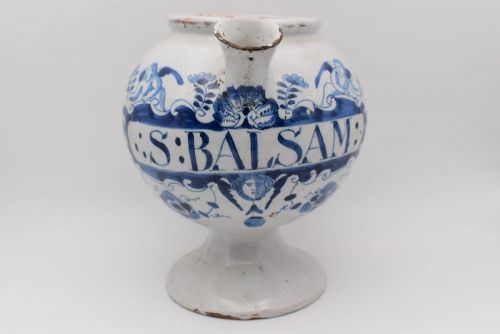
Apothecary jars held dry drugs, herbal remedies, and medicinal balms in chemists' shops and domestic households. Pharmacies kept them on shelves with painted labels to identify specific contents.
Over time, these ceramic containers transitioned into decorative objects appreciated for their painted inscriptions and historical utility.
How do I care for antique pottery vessels?
Keep antique earthenware and stoneware away from direct sunlight and areas subject to rapid temperature fluctuations. Hand wash delicate pieces gently with warm water when necessary.
Avoid using modern dishwashers or harsh chemical detergents, as these methods can damage fragile glazes and historical surfaces.
What is the difference between creamware and pearlware?
Creamware utilises a warm, yellowish glaze over a refined earthenware body that suited domestic dining tables. It dominated British ceramic production during the mid-to-late eighteenth century.
Pearlware incorporates a small amount of cobalt in the glaze to produce a bluish hue that makes the underlying ceramic appear wheter and closer to porcelain.
Where were these vessels manufactured?
Production took place across notable English ceramic centres such as Staffordshire, Liverpool, and Sunderland, alongside various rural kilns. Potters also imported specialised stonewares from continental workshops in Germany.
Regional hubs developed distinct specialities, ranging from utilitarian country slipware to refined factory-produced ironstone and transfer-printed teawares.