
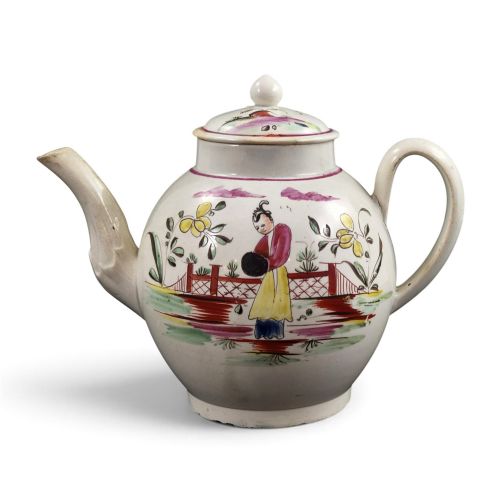
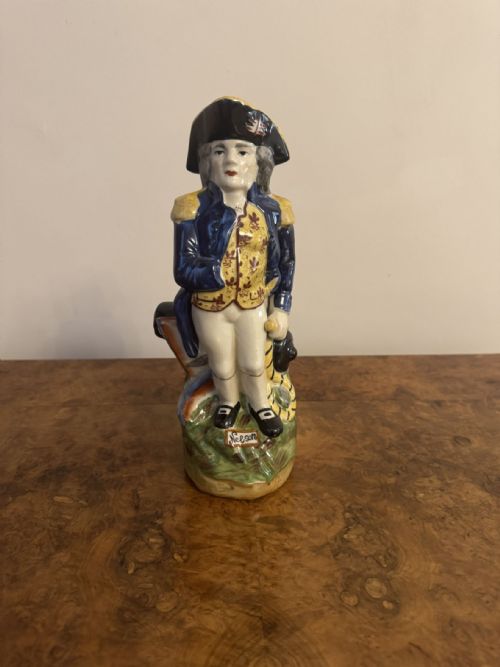


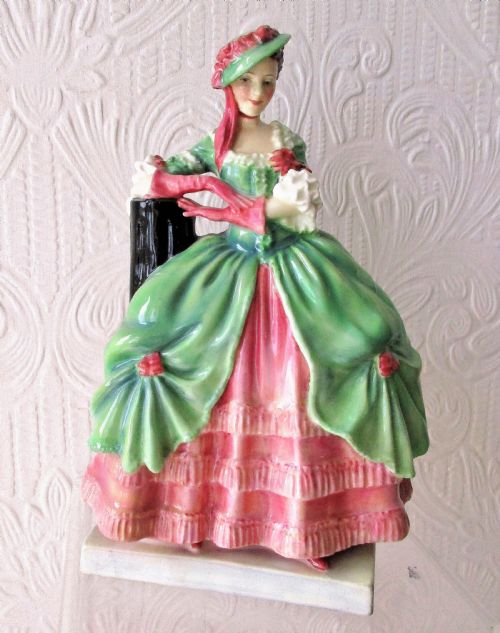
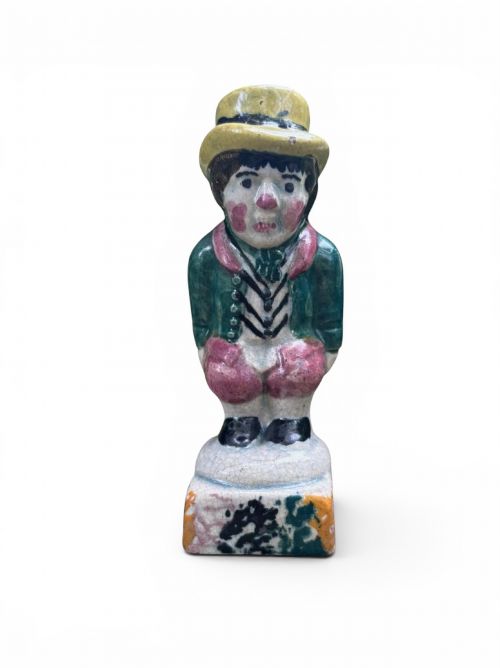


Georgian Pottery Figure
A georgian pottery figure captures the robust charm and character of late eighteenth and nineteenth-century ceramic art, offering tactile historical appeal for collectors.
Georgian Pottery Figure
A georgian pottery figure encompasses a range of ceramic works including earthenware, creamware, and pearlware productions from British kilns. These decorative figures depict historical subjects, literary groups, and animals such as lions, sheep, and pugs.
The objects span periods from the eighteenth century into the nineteenth century, reflecting the developing output of Staffordshire potters alongside regional variations. Buyers encounter everything from utilitarian pepper pots and toby jugs to elaborate figure groups and spillholders.
Staffordshire pottery dominates the selections, often characterised by flat bases and modelled details representing biblical scenes, literary characters, and domestic animals. These pieces reflect the popular tastes of the period through moulded earthenware and hand-painted enamel decoration.
How they were made
Makers utilised earthen clays, creamware, and pearlware, shaping the bodies through pressing into moulds or hand-modelling. Potters applied lead glazes to seal the porous ceramic body, sometimes incorporating cobalt to achieve the characteristic bluish tint of pearlware glaze.
Enamel colours were painted onto the fired ceramic surface, often followed by a secondary low-temperature firing to fix the pigments. Artisans combined oxide washes and polychrome glazes to render details on figures, animals, and architectural elements like pottery cottages.
Among the menagerie of lions, sheep, and dogs sits a hobbled cow creamer, ready to pour milk from an unexpected anatomical spot.
What varies in quality
The integrity of the glaze and the complexity of the subject matter influence the standing of a piece within its category. Greater artistic ambition, seen in paired groups or large animal figures, typically correlates with more accomplished execution by the pottery.
Ralph Wood·Walton·Lakin & Poole·Enoch Wood factory
The Georgian Pottery Figure Glossary
- Pearlware
- A refined earthenware developed by Josiah Wedgwood and adopted by other potteries, featuring a thin glaze with a slight bluish tinge over a white body. This material succeeded creamware and provided a brighter ground for enamel painting.
- Creamware
- A fine earthenware with a pale yellowish-buff body, perfected in the eighteenth century by Staffordshire potters. It is covered in a transparent lead glaze that pools to a warm tone.
- Toby jug
- A pottery jug modelled as a stout, jovial man usually wearing a tricorn hat and holding a mug of beer or a pipe. These figures were produced in large numbers across the ceramic centres of England.
- Spillholder
- A hollow ceramic figure incorporating a small cylindrical vase designed to hold taper spills for lighting candles or fires. These dual-purpose objects combined domestic utility with decorative animal or human subjects.
- Flat base
- A characteristic construction method for Staffordshire figures where the underside is unglazed and flat, allowing the piece to stand steadily on a mantelpiece without a separate plinth.
Georgian Pottery Figure: Frequently Asked Questions
What materials make up a georgian pottery figure?
The pieces consist mainly of earthenware, creamware, and pearlware bodies coated in glazes and decorated with enamels.
Potters shaped these clays using moulds before applying coloured oxides and firing the ceramic items in kilns.
What subjects appear on these pottery figures?
Makers depicted a wide range of subjects including biblical scenes, literary characters, historical figures, and domestic or exotic animals.
Common themes involve pastoral groups, lions, sheep, dogs, and allegorical pairs reflecting the popular culture of the eighteenth and nineteenth centuries.
Were these figures meant for display?
Most decorative figures and sculptural groups served as mantelpiece ornaments and interior decorations for middle-class homes.
Some ceramic forms, such as toby jugs, pepper pots, and creamers, also served functional roles in domestic dining and hospitality.