

Georgian Portrait Wall Art
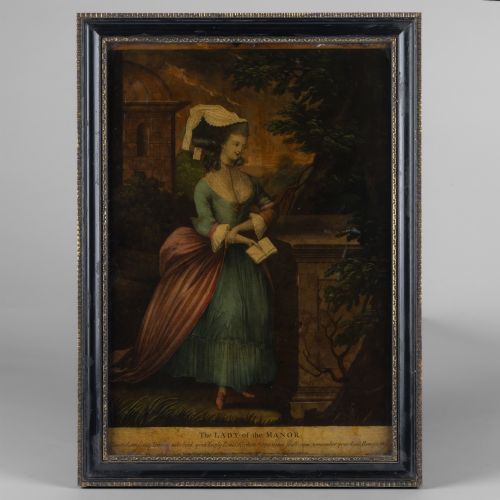
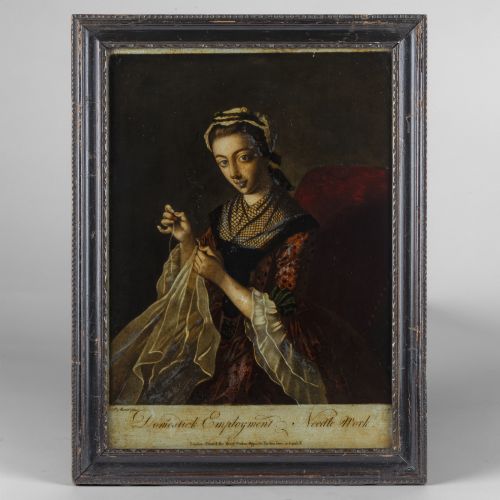
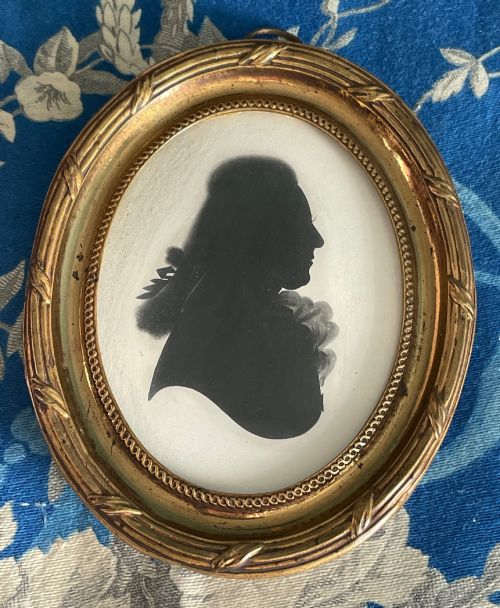
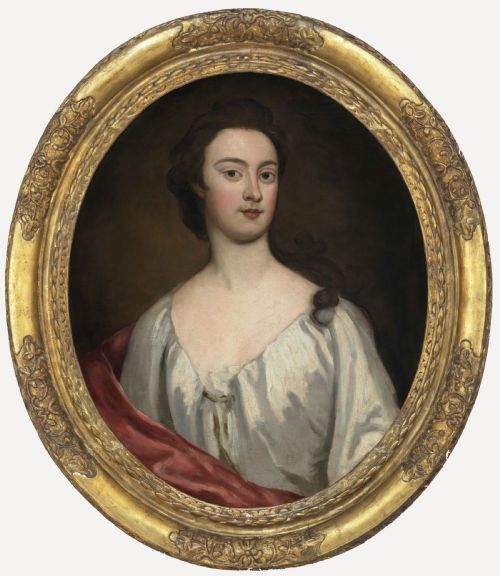
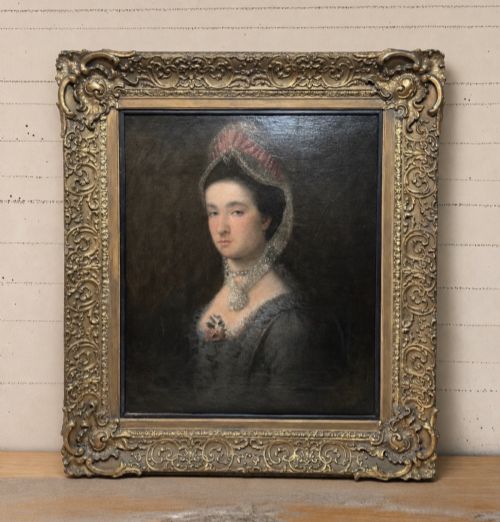
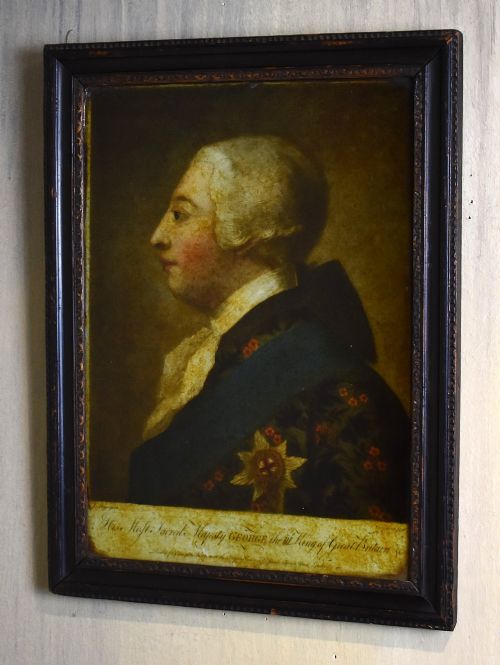
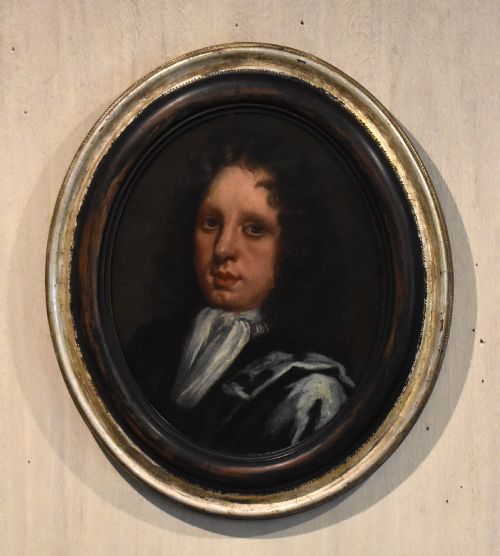
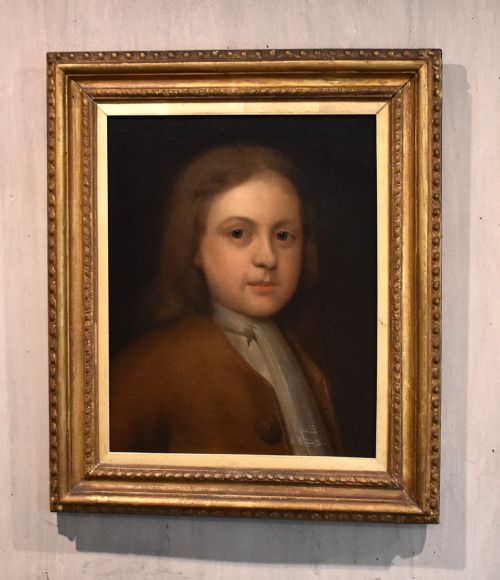
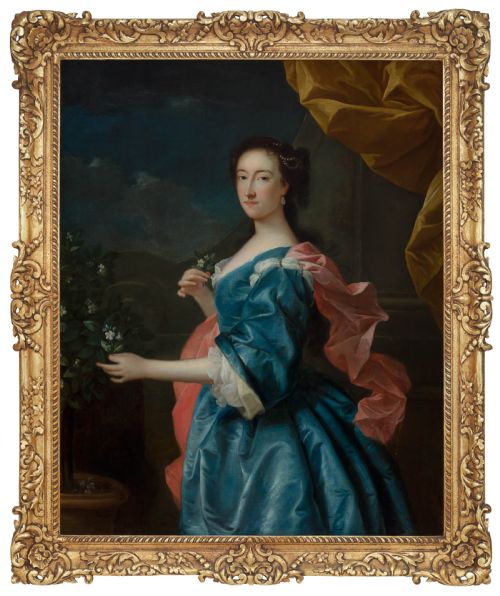
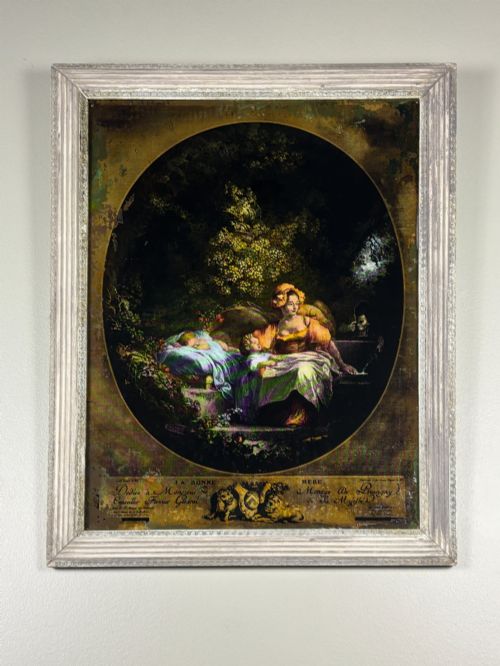
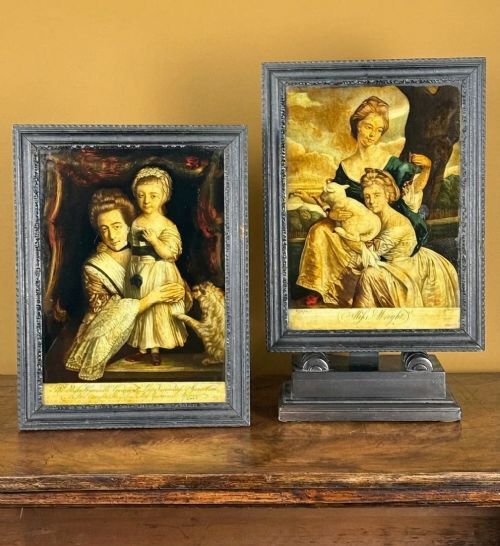
Georgian portrait wall art encompasses oil paintings, reverse glass prints, and silhouettes capturing distinct personalities from the eighteenth and nineteenth centuries.
Georgian Portrait Wall Art
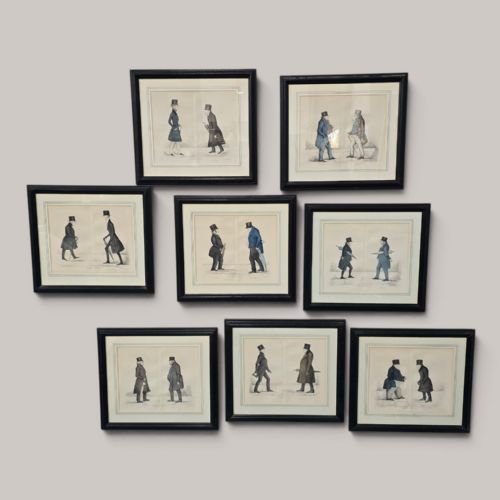
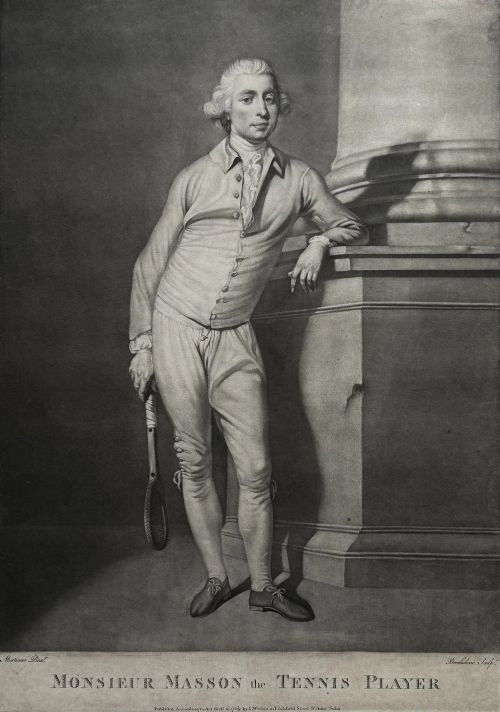
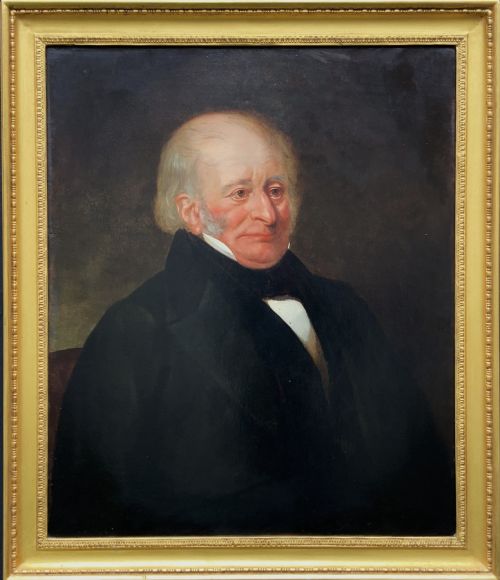
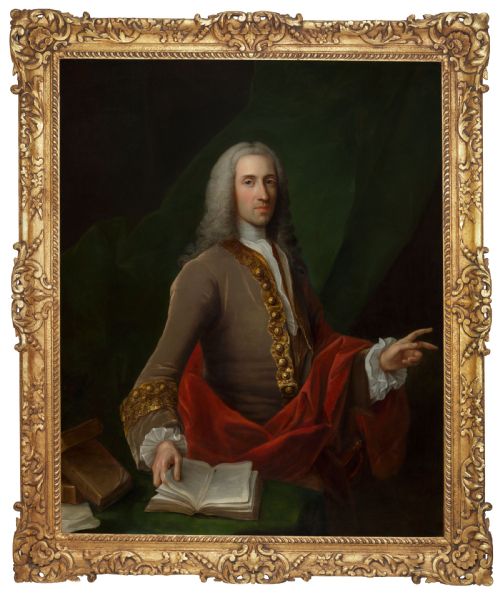
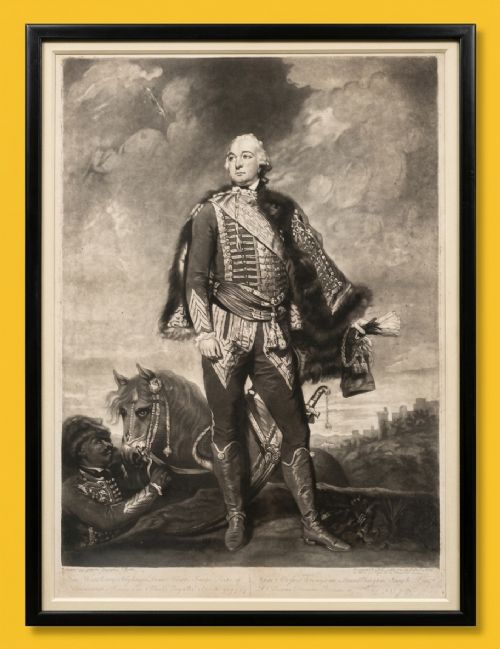
Georgian portrait wall art includes oil paintings on canvas, framed prints, stipple engravings, and mezzotints depicting gentlemen, ladies, and children. Buyers searching for georgian portrait wall art frequently encounter works executed in oil, alongside delicate reverse glass prints and silhouette family groups.
Works span the eighteenth century into the nineteenth century, reflecting styles from the Baroque period through to Regency elegance. Formats range from intimate portrait miniatures to large country house canvases.
Materials and technique
Makers utilised oil paint on stretched canvas for substantial portraits, applying layered pigments to render fabrics and flesh tones. Engravers and printmakers produced mezzotints and stipple engravings on paper, sometimes employing reverse painting techniques directly onto glass.
Frames form an integral part of these pieces, utilising carved giltwood and rosewood to house the works. Metal embellishments occasionally accent the printed clothing on nineteenth-century examples.
Georgian Portrait Wall Art Retail Price Guide 2026
Typical asking prices for georgian portrait wall art among the pieces listed under this phrase on Sellingantiques today, from the lower quarter to the upper quarter. They describe what is for sale here now, not the wider market.
Children depicted in nineteenth-century prints occasionally wear outfits enhanced with unusual metal embellishments.
Assessing the execution
The distinction between standard commercial output and superior execution lies in the skill of the brushwork or the clarity of the print impression. Finer oil paintings exhibit subtle control over light and anatomical detail, whereas lesser works rely on formulaic rendering.
Original framing enhances the integrity of the piece, particularly where period giltwood or rosewood surrounds complement the artwork. The prominence of the sitter and the documentation of the maker or artist further elevate the standing of individual pieces.
Mrs Mary Lightfoot·Jeremiah Davison·Richard Brookshaw·John Hamilton Mortimer·John Finlayson·Sir Joshua Reynolds·John Rafael Smith·Francois Boucher·Anna Tonelli·Sir William Beechey·Thomas G Appleton·James Ferguson·Francis Lindo·John Russell
The Georgian Portrait Wall Art Glossary
- Mezzotint
- A printmaking process of the intaglio family where the plate is roughened to achieve tones and rich dark areas. This technique allowed printmakers to replicate painted portraits with remarkable tonal depth.
- Reverse glass print
- An image applied or transferred directly to the back of a glass panel for display. These pieces present a glossy surface finish peculiar to eighteenth and nineteenth-century interior decoration.
- Portrait miniature
- A small, highly detailed painting on a portable support such as vellum, card, or ivory. These intimate works were often commissioned to commemorate family members.
Georgian Portrait Wall Art: Frequently Asked Questions
How do I date an old portrait?
Dating relies primarily on the style of clothing, hair, and framing materials visible in the piece. Costumes changed noticeably between the early eighteenth century and the Regency era.
Secondary clues include trade labels on the reverse, artist signatures, and the specific printmaking techniques employed during production.
What is a reverse glass print?
A reverse glass print is an image transferred or painted onto the rear side of a glass sheet. When viewed from the front, the glass protects the pigments and imparts a characteristic sheen.
This technique enjoyed popularity for decorative prints and patriotic subjects throughout the Georgian period.
How were these artworks displayed?
Original owners hung oil paintings and framed prints in prominent reception rooms and galleries within country houses. Larger canvases often served as formal statements of lineage and status.
Smaller miniatures and silhouettes were typically grouped together on walls or kept in specialised protective cases.
Are silhouettes considered portraits?
Silhouettes function as direct profiles cut from paper or painted onto card, representing real individuals. During the Georgian period, itinerant artists produced these shadow likenesses as an accessible form of record.
Many examples survive complete with contemporary trade labels detailing the maker.