

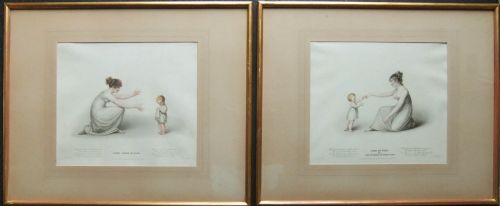
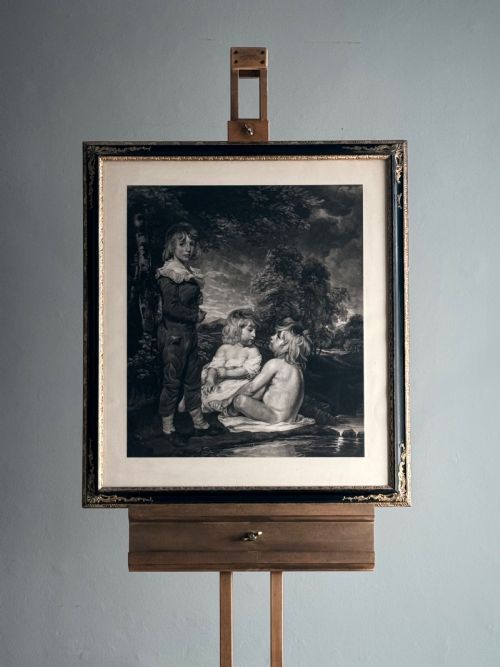
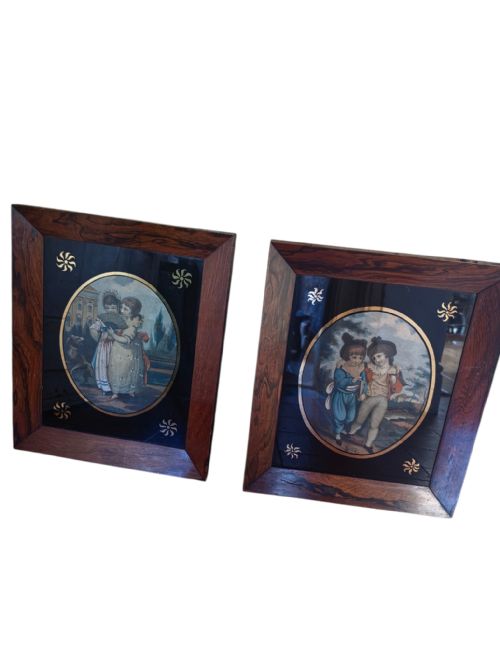
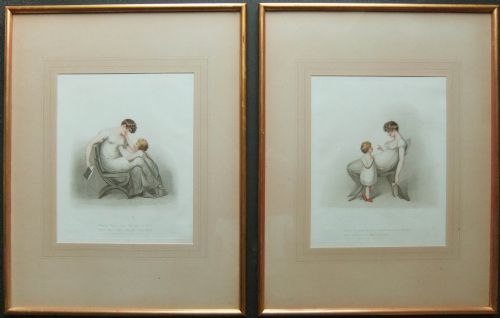
Georgian Portrait of Child
A georgian portrait of child captures youthful innocence through enduring oil, watercolour, and silhouette mediums.
Georgian Portrait of Child
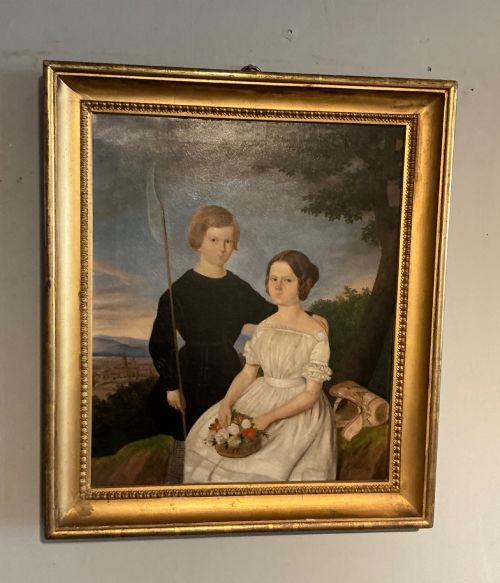
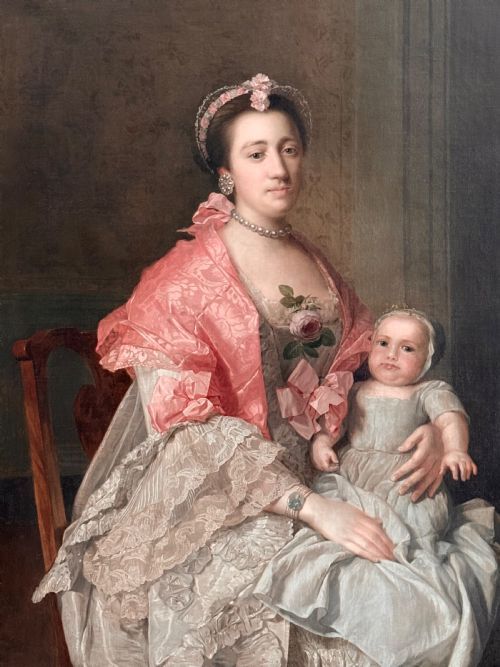
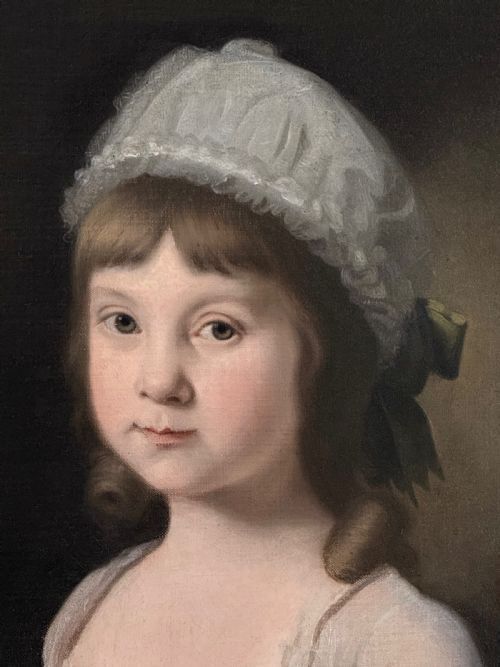
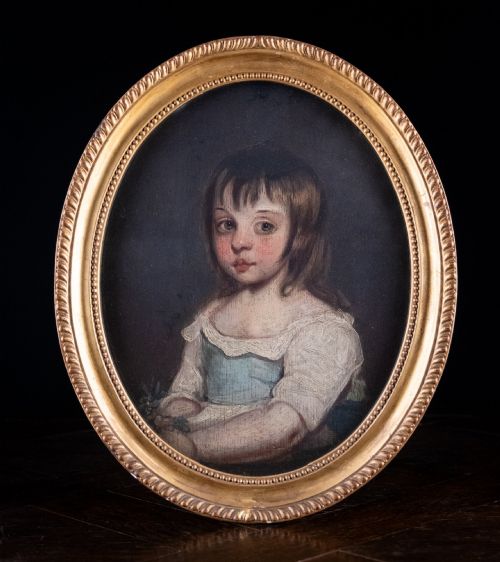
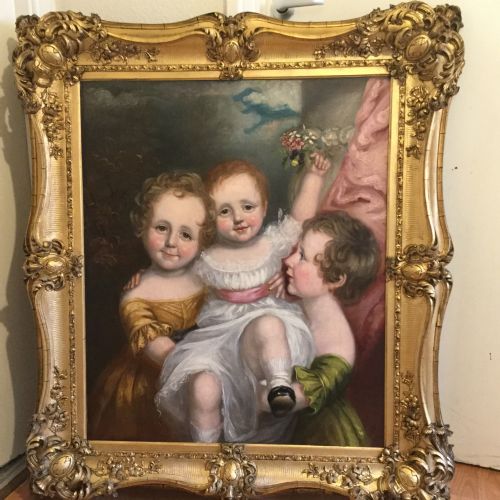
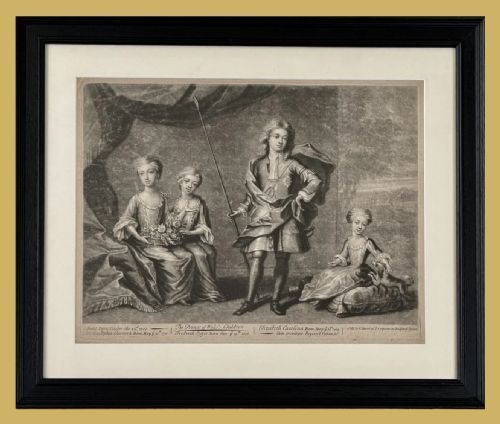
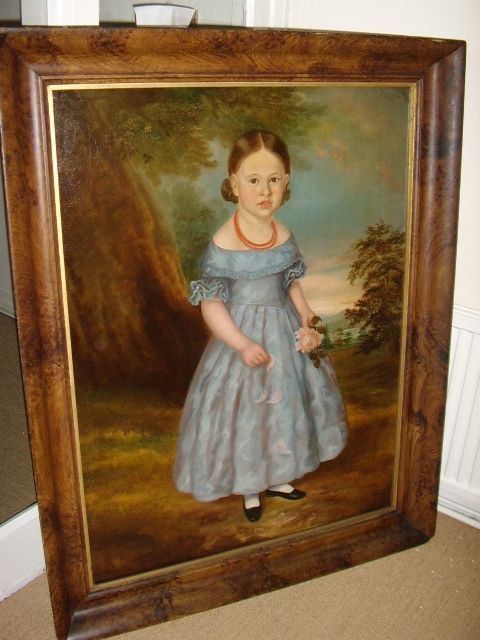
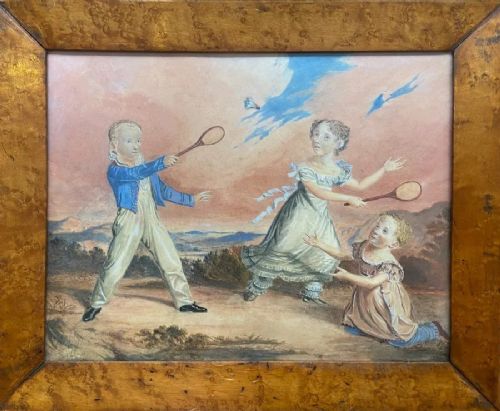
A georgian portrait of child encompasses framed oil paintings, delicate watercolours, silhouettes, and miniature likenesses from the eighteenth and early nineteenth centuries. These works record the likenesses of young subjects individually or alongside family members in formal compositions and informal domestic scenes.
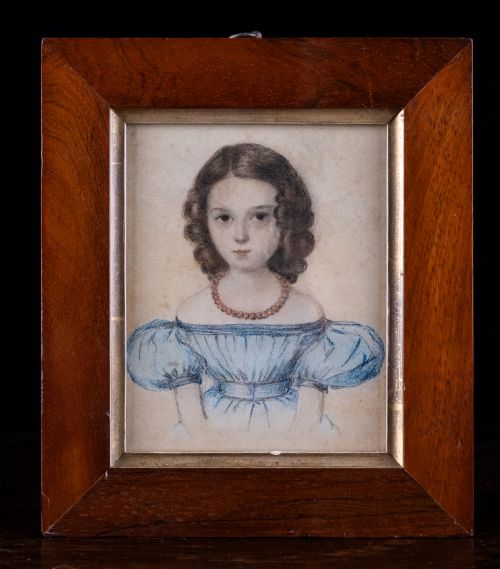
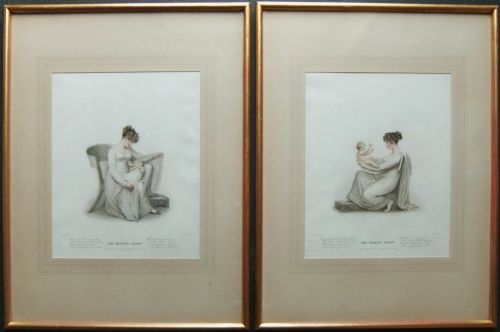
Buyers commonly encounter oil on canvas paintings alongside works on paper, pencil drawings, and engraved prints housed in period frames of wood, giltwood, or rosewood. The subjects range from naive depictions of young girls in architectural settings to sophisticated portraits executed by notable schools and artists.
How they were made
Artists applied oil paint to canvas or worked with watercolour and graphite on paper to capture the likeness of their young subjects. Skilled hands rendered textiles, facial expressions, and surrounding settings with fine brushwork or precise pencil strokes.
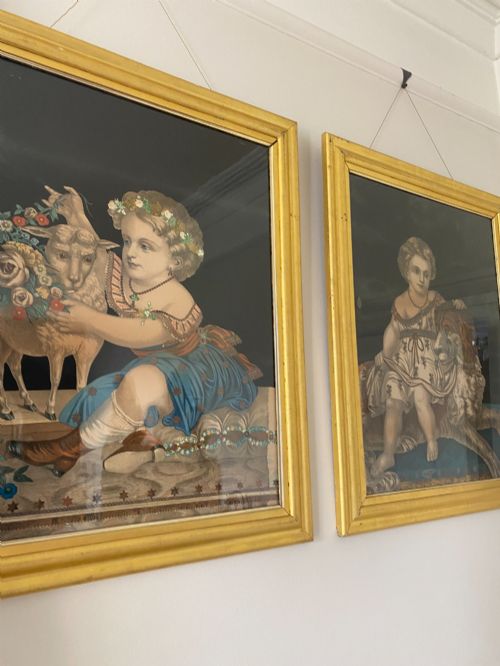
Framing forms an integral part of these pieces, utilising carved giltwood, ebonised wood, or rosewood surrounds that frequently date from the original period of creation. Some printed works incorporate mezzotint techniques or metal embellishments applied directly to the clothing depicted.
Georgian Portrait of Child Retail Price Guide 2026
Typical asking prices for georgian portrait of child among the pieces listed under this phrase on Sellingantiques today, from the lower quarter to the upper quarter. They describe what is for sale here now, not the wider market.
Listings feature works spanning the eighteenth and nineteenth centuries, including the Georgian, Regency, and Victorian periods.
What varies in quality
The sophistication of the draughtsmanship and the expressive rendering of the subject's face distinguish the finest examples from simpler folk art or naive works. Superior pieces display a confident handling of light, shadow, and proportion that brings depth to the child's expression.
The survival of the original frame, whether giltwood, rosewood, or ebonised wood, adds significantly to the integrity of the piece. The clarity of the medium, the condition of the canvas or paper, and the documented attribution to a recognised hand or school elevate certain works above standard decorative portraits.
Charles D Agar·Augustin Edouart·Adam Buck·James Ward·John Hoppner·Michael Dahl·Joseph Highmore·Arthur William Devis·William Wood·George Morland
The Georgian Portrait of Child Glossary
- Mezzotint
- A printmaking process of the printmaker's art that achieves tonal gradation through roughening and scraping a copper plate. This technique allows for rich, velvety darks and subtle transitions.
- Silhouette
- A cutout profile or painted shadow likeness typically rendered in black against a pale background. These works frequently depict figures with crisp outlines and occasional highlights in gold.
- Portrait Miniature
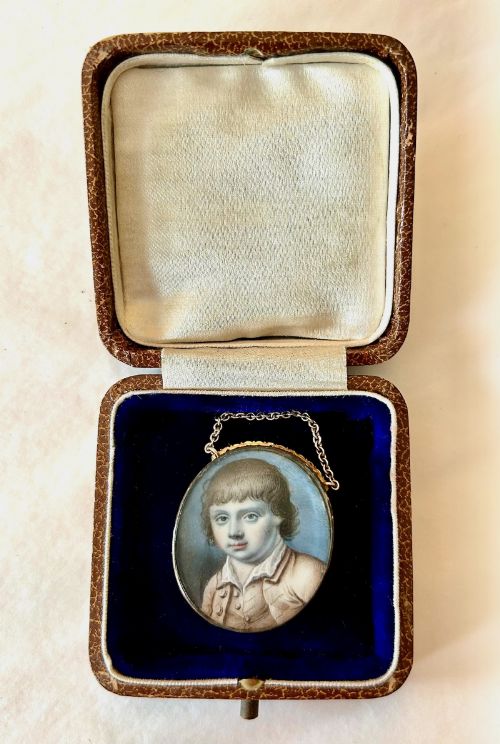
- A small, intimate painting executed on ivory, vellum, or paper with meticulous detail. These delicate works were often housed in protective cases or small framed lockets.
- Giltwood
- Wood carved and coated with a thin layer of gold leaf or gold paint. This material was widely utilised for decorative frames during the Georgian and Regency periods.
- Naive
- A stylistic term describing art created with a charming simplicity and a lack of formal academic perspective. Such works often emphasise directness of expression over strict anatomical accuracy.
Georgian Portrait of Child: Frequently Asked Questions
How do I date a child's portrait?
Clothing styles, hairstyles, and the construction methods of the frame provide the most reliable indicators of a portrait's age. Written inscriptions on the reverse or accompanying documentation also help narrow down the decade of creation.
Comparative analysis with dated works by the same school or artist offers further confirmation of the period. Changes in materials, such as the transition from early canvas preparations to nineteenth-century supports, assist in accurate dating.
Where should I hang these portraits?
These works suit traditional reception rooms, studies, or hallways where lighting can be controlled to protect delicate watercolours and paper from direct sunlight. Grouping smaller framed silhouettes or miniatures together creates a striking focal point on a wall.
Pairing pieces with complementary period furnishings enhances the historical context of the room. Ensuring stable humidity levels prevents damage to the original wooden frames and painted surfaces.
Are portrait miniatures painted on ivory?
Many miniature portraits from the eighteenth and nineteenth centuries utilise thin sheets of ivory as a luminous base for watercolour pigments. This material imparted a warm glow to the skin tones of the depicted children.
Alternative supports included vellum, card, and prepared paper depending on the artist's preference and the period. These tiny works required exceptional precision and magnifying lenses to achieve their intricate detail.