





Georgian Portrait Locket Pendant
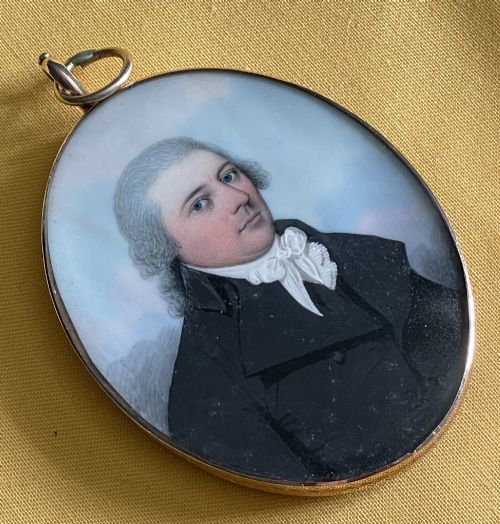
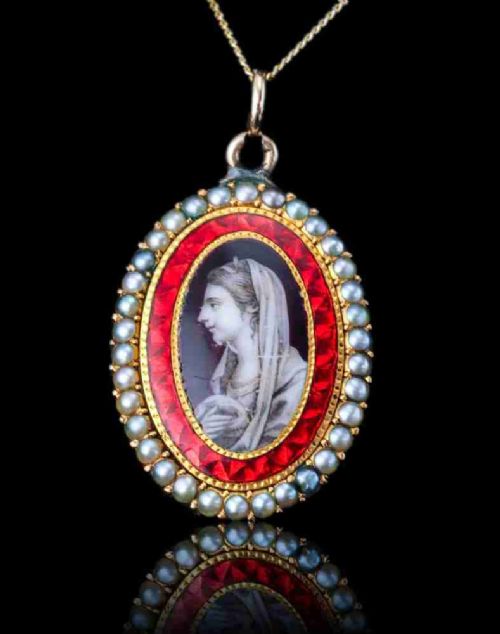
A georgian portrait locket pendant holds a painted face against the heart, combining intimate portraiture with wearable gold and enamel craftsmanship.
Georgian Portrait Locket Pendant
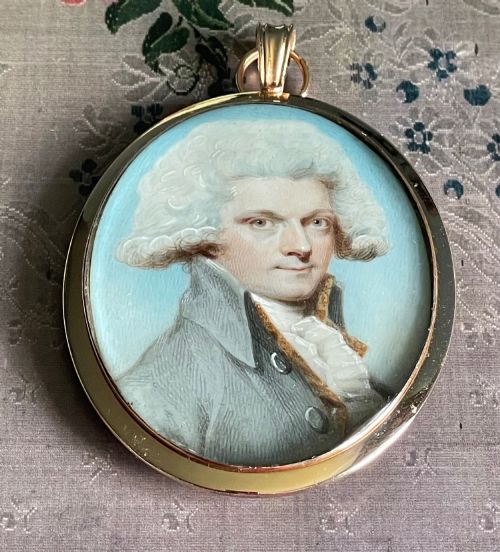
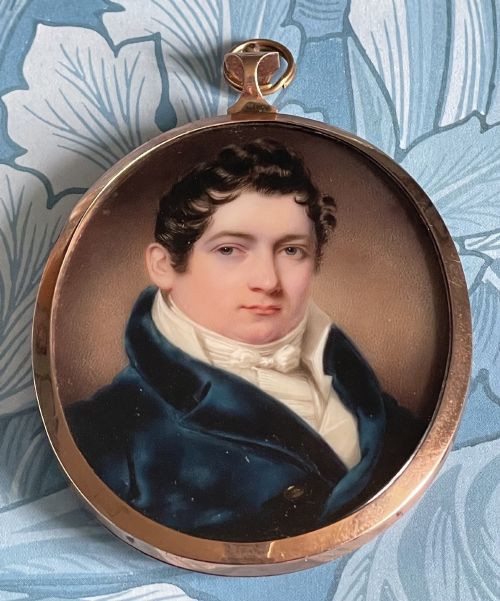
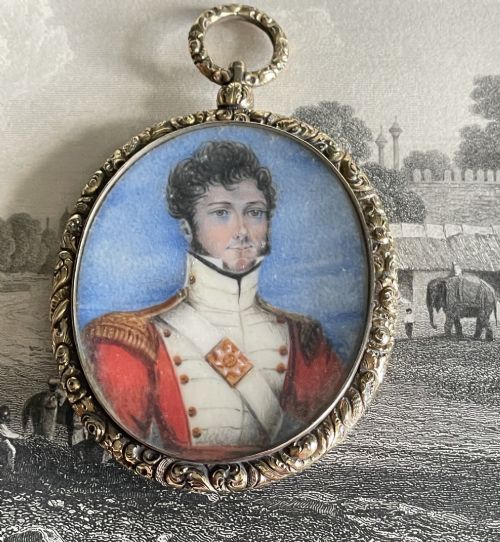
A georgian portrait locket pendant bridges miniature fine art and personal jewellery, offering miniature likenesses of gentlemen, ladies and military officers.
Most examples on this page date from the eighteenth and nineteenth centuries, spanning the Georgian, Regency and later periods.
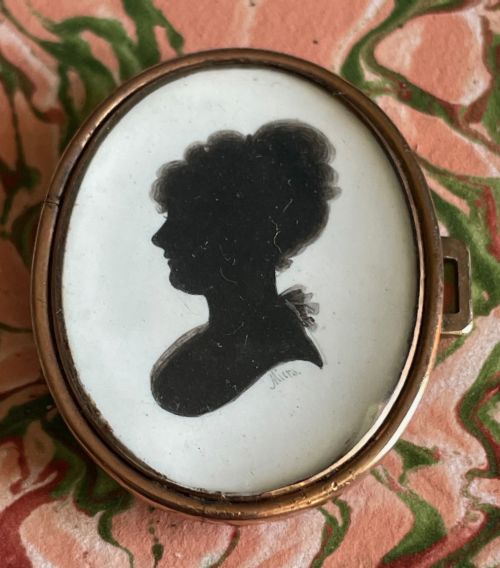
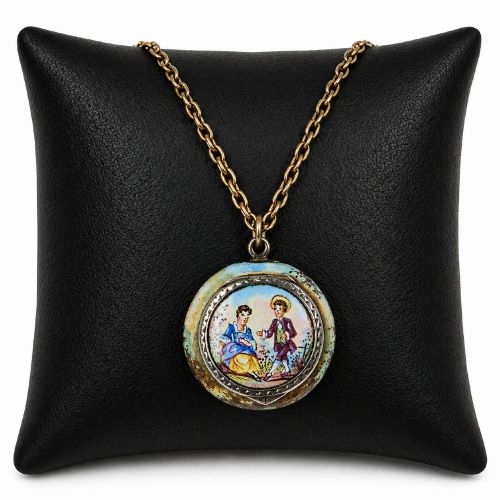
These items take the form of portrait miniatures, silhouette jewellery pieces and pendant necklaces housed in gold frames.
Materials and Construction
Makers utilised watercolour on ivory, vellum, glass and agate panels to create delicate portrait miniatures.
Frames and mounts are constructed from gold, gilt metal and enamel, sometimes incorporating pearls to border the subject.
Materials recorded on this page include watercolour on ivory, vellum, glass, agate, gold, gilt metal and enamel.
Quality and Craftsmanship
The weight and purity of the gold frame, alongside specialist techniques like enamel work, separate standard items from the finest examples.
Henry Bone ARA·Charles Shirreff·John Miers·John C D Engleheart·Frederick Buck·William Wood·Charles Hayter·Christian Friedrich Zincke·Elizabeth Hudson·George Engleheart·James Ferguson·William Grimaldi·John Inigo Wright·Samuel Cotes·AE Chalon·John Barry
The Georgian Portrait Locket Pendant Glossary
- Portrait Miniature
- A small, highly detailed painting on ivory, vellum, or card. These works required immense precision using fine brushes.
- Silhouette
- A portrait profile filled in with a solid dark pigment, often cut from paper or painted directly on glass.
- Enamel
- A glassy substance fused to metal through firing, providing durable colour and gloss to pendant frames and painted surfaces.
- Agate Panel
- A polished slice of semi-precious stone used occasionally as a firm background for miniature paintings.
Georgian Portrait Locket Pendant: Frequently Asked Questions
How do I wear a portrait pendant?
These pieces suspend from chains as pendant necklaces, resting against the chest much as they did in the eighteenth century.
Ensure the suspension loop and gold frame remain secure before hanging the piece from a sturdy chain.
Are these portraits painted by hand?
The miniatures and silhouette jewellery pieces on this page are hand-painted works executed using watercolour on ivory, vellum, or pigment on glass.
Artists utilised fine sable brushes to capture exact facial likenesses on a miniature scale.
What metals enclose the miniatures?
Frames consist predominantly of gold, ranging from nine carat to fourteen carat and eighteen carat variations, alongside gilt metal.
Some pieces feature enamel decoration or pearl settings integrated directly into the metal border.
How can I date a portrait pendant?
Dating relies on costume details of the sitter, painting technique, and the stylistic traits of the gold frame.
Pieces span the eighteenth and nineteenth centuries, with specific dates often linked to documented working periods of the artists.