



Georgian Portrait Gilded Frame
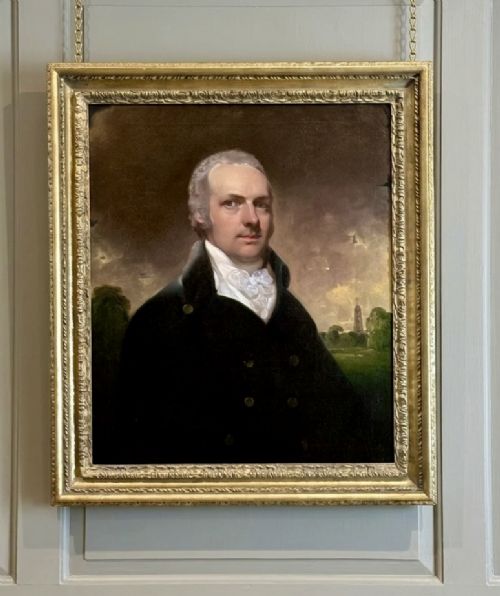
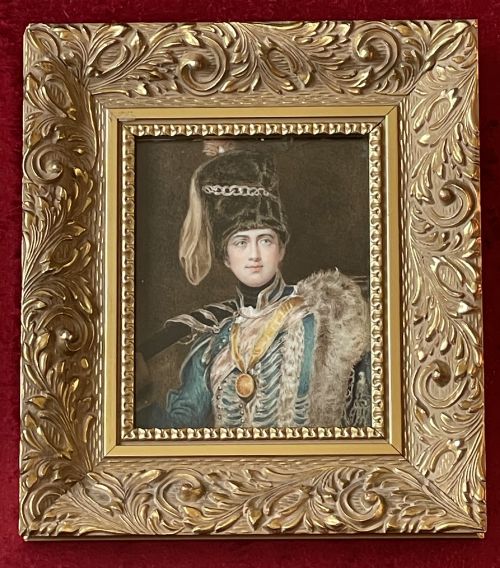
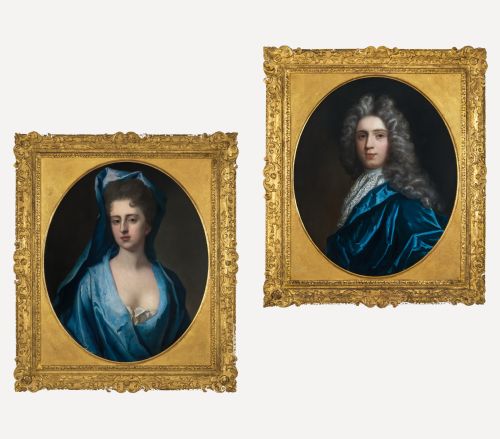
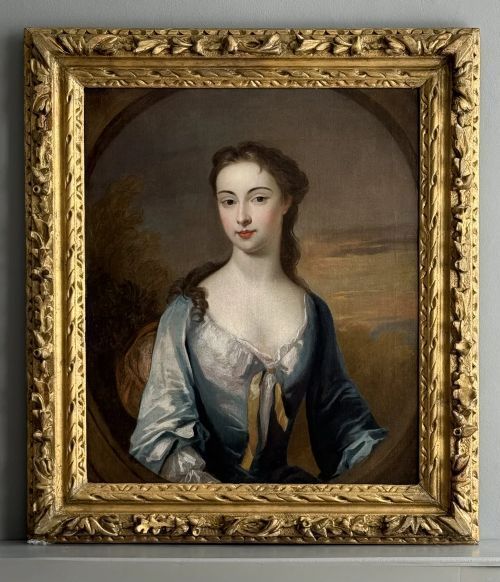
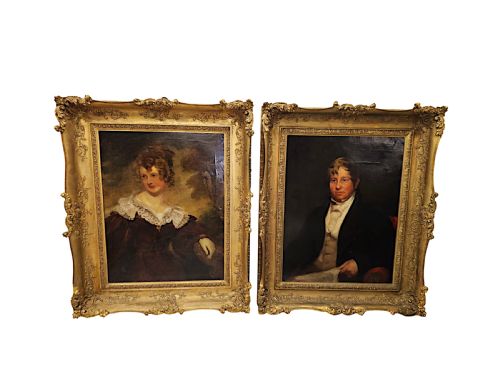
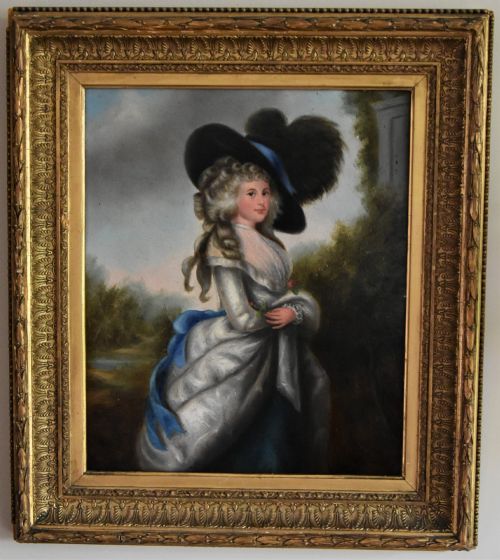
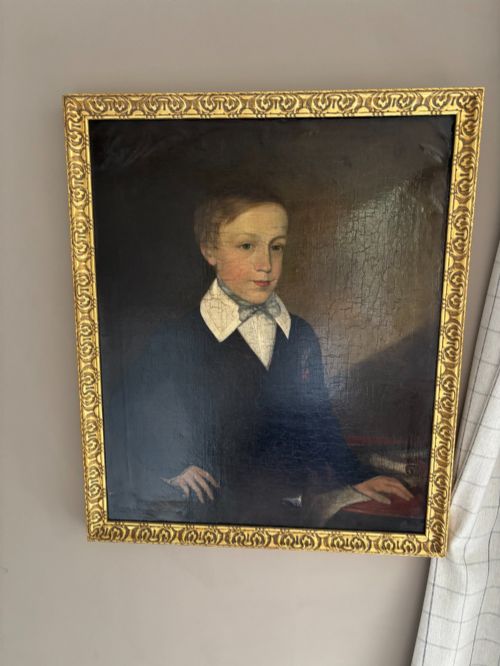
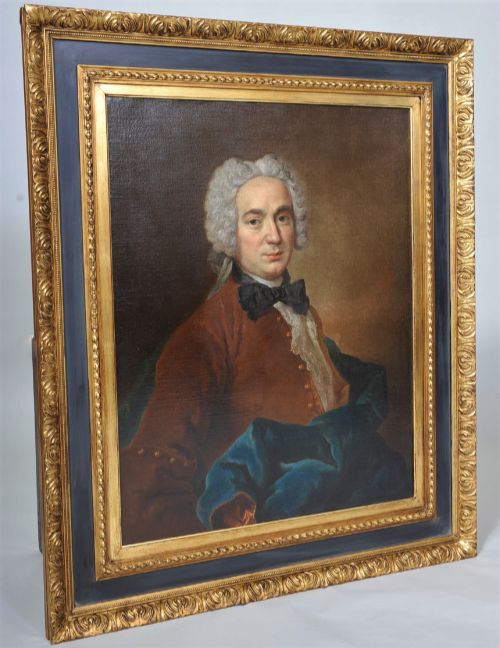
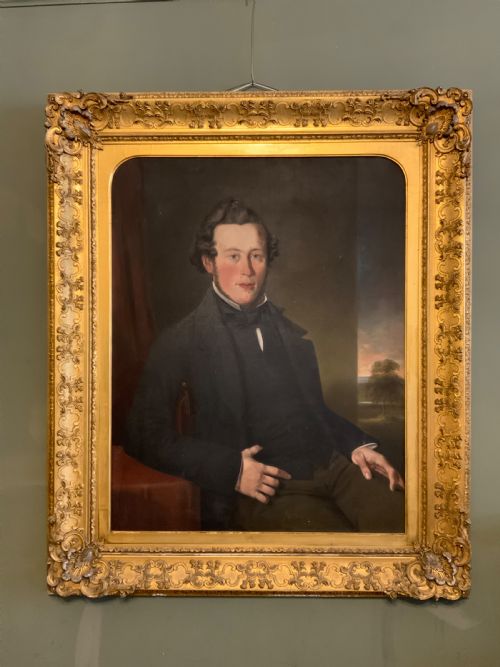
A georgian portrait gilded frame secures the likeness of past centuries within a rich border of gold leaf and wood.
Georgian Portrait Gilded Frame
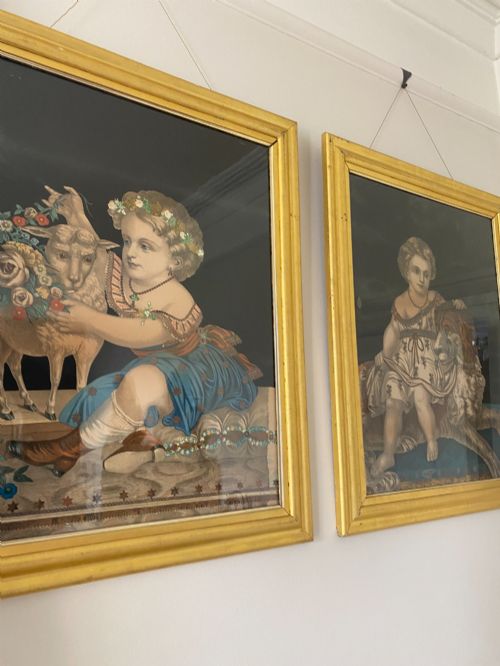
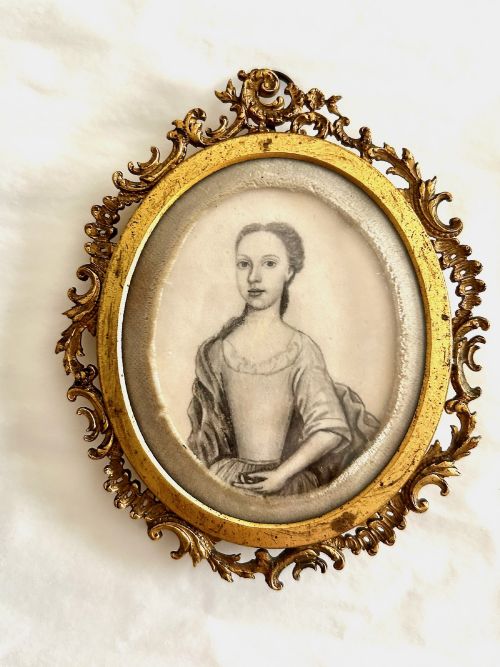
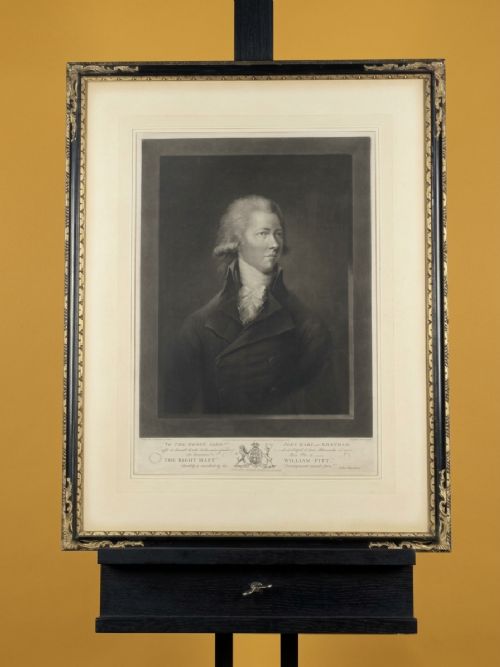
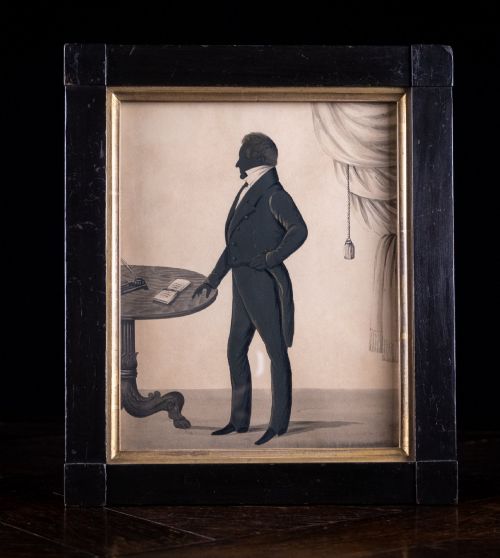
A georgian portrait gilded frame unites historic portraiture with ornate framing techniques from the eighteenth and nineteenth centuries. Buyers searching this phrase encounter oil paintings, pastels, silhouettes, and framed prints depicting sitters ranging from nobility to country figures.
The selections on this page span the seventeenth to the nineteenth centuries, incorporating styles such as British Baroque, Regency, and Georgian Revival. Oil on canvas works predominate, accompanied by paper drawings, watercolours, and glass-fronted silhouettes.
Many items present works attributed to notable historical circles or followers of prominent portraitists, alongside vernacular depictions of unknown subjects. These pieces reflect the prevailing artistic conventions of their respective periods, housed in period surrounds.
Materials and Construction
The physical objects rely on traditional painting supports like canvas and paper, marked by applications of oil paint, watercolour, pastel, and ink. Framing components utilise timber carcasses finished with gesso, giltwood, and gold leaf to achieve reflective metallic surfaces.
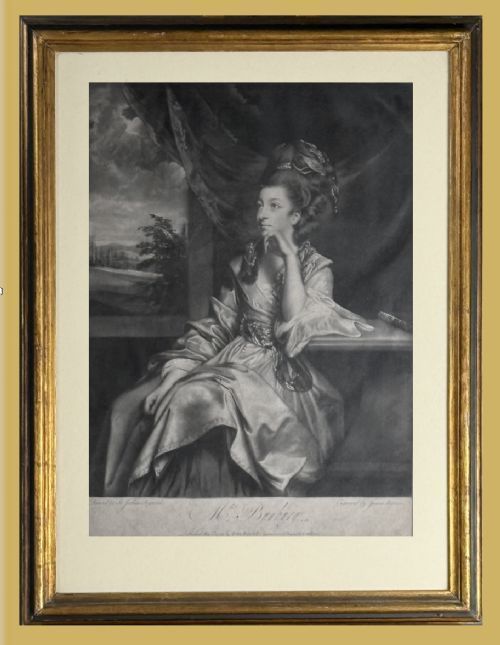
Glazing and paper substrates appear in silhouette and print works, where cut card and ink meet protective glass panels. Frame construction involves traditional joinery methods tailored to support heavy oil paintings or delicate works on paper.
Georgian Portrait Gilded Frame Retail Price Guide 2026
Typical asking prices for georgian portrait gilded frame among the pieces listed under this phrase on Sellingantiques today, from the lower quarter to the upper quarter. They describe what is for sale here now, not the wider market.
Listings feature works spanning the 17th, 18th, and 19th centuries, utilising oil on canvas, paper, wood, and giltwood.
Assessing the Craftsmanship
Quality reveals itself in the fidelity of the portrait rendering, from the anatomical precision of hands and faces to the handling of drapery and background light. Studio pieces associated with accomplished painters demonstrate superior brushwork and compositional depth compared to vernacular school works.
The execution of the surrounding frame determines much of the overall character, distinguishing hand-carved, gilded wooden mouldings from later replacements. The integrity of the ground layers beneath the gold leaf and the preservation of the original canvas surface dictate the visual impact of the piece.
Sir Godfrey Kneller·Sir Joshua Reynolds·George Atkinson·John Opie·Michael Dahl·Thomas Gainsborough·Allan Ramsay·Sir Thomas Lawrence
The Georgian Portrait Gilded Frame Glossary
- Giltwood
- Wood that has been coated with a thin layer of gold leaf or metal powder. This technique provides the bright, reflective borders characteristic of period frames.
- Mezzotint
- A printmaking process of the scraperwork family that allows half-tints to be produced without line work. It was frequently utilised to reproduce popular painted portraits.
- Pastel
- A dry medium composed of powdered pigment and a binder, pressed into stick form. It yields soft, velvety textures often employed for eighteenth-century portraiture.
- Silhouette
- A solid black or dark profile image cut from paper or painted on a light background. These profile portraits frequently appeared in gilded frames during the Regency era.
Georgian Portrait Gilded Frame: Frequently Asked Questions
How do I date a gilded frame?
Dating relies upon examining the construction methods of the wooden substrate, the composition of the gesso, and the tooling marks beneath the gold leaf. Earlier frames often display hand-carved decorative motifs rather than moulded composition ornament.
Style shifts between Baroque heaviness, Regency restraint, and Victorian elaboration also offer clear chronological markers when compared alongside the enclosed artwork.
Are these portraits original oils?
The inventory encompasses original oil paintings on canvas and board alongside watercolours, pastels, ink drawings, and period mezzotint prints. Each listing specifies the exact medium utilised by the artist.
Buyers should examine the medium details to distinguish between a unique painted canvas and a contemporary framed print reproduction.
How should I hang a heavy framed portrait?
Large oil paintings require secure wall fixings anchored directly into masonry or substantial timber studs to support the combined weight of the canvas, stretcher, and heavy gilt frame. Picture wire must be rated appropriately for the specific load.
Positioning should avoid direct sunlight and sources of domestic heat to protect both the canvas pigments and the fragile gilded surfaces.
What does attribution to a studio mean?
Attribution to a circle, follower, or studio indicates that an artist worked in the manner of a master painter, sometimes during the same period and within the same workshop environment. These works share stylistic traits with documented masters.
Such pieces provide historical context and artistic quality associated with major figures without bearing a direct signature from the primary hand.