

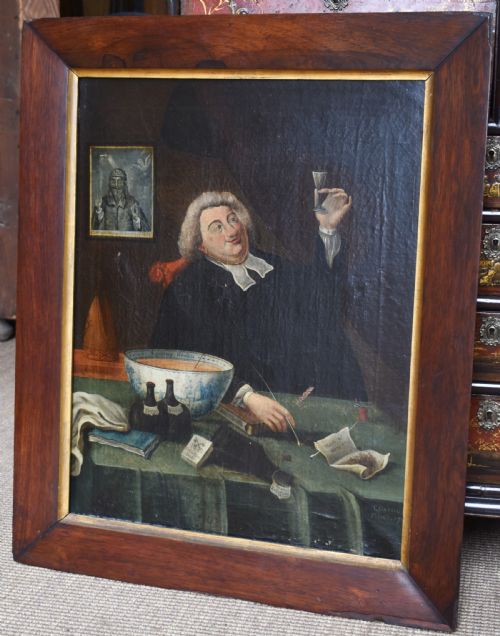


Clergyman Oil Painting
A clergyman oil painting carries the heavy, quiet gravity of centuries past, offering a direct encounter with historical figures in oil on canvas.
Clergyman Oil Painting
When you search for clergyman oil painting, you encounter historical portraits depicting bishops, reverends, and clerics across the seventeenth, eighteenth, and nineteenth centuries. These works record the likenesses of named individuals, such as bishops and deans, alongside anonymous subjects captured in clerical dress.
The selections available range from seventeenth-century British school pieces to Georgian and Victorian interpretations. You will find canvases executed by followers of known artists as well as works attributed to specific portraitists of past centuries.
How they were made
Makers applied oil paint directly to canvas supports, building up the rich tones and textures characteristic of historical portraiture. Many surviving examples retain their period frames constructed from gilt wood and gesso.
Clergyman Oil Painting Retail Price Guide 2026
Typical asking prices for clergyman oil painting among the pieces listed under this phrase on Sellingantiques today, from the lower quarter to the upper quarter. They describe what is for sale here now, not the wider market.
The listings span the seventeenth, eighteenth, and nineteenth centuries, utilising oil paint on canvas alongside period giltwood frames.
What varies in quality
The standard of execution in brushwork and the precision of facial rendering separate studio pieces from provincial student works. A portrait possessing clear provenance and a named sitter often demonstrates superior draughtsmanship.
Condition of the canvas and the preservation of the original oil paint layer influence the overall integrity of the piece. The craftsmanship of the accompanying giltwood frame also contributes to the historical completeness of the work.
Pieter Van Bleeck·Eden Upton Eddis·James Ward·Edward Penny
The Clergyman Oil Painting Glossary
- Canvas
- A heavy woven fabric used as a support surface for oil paintings. It is stretched tightly across a wooden frame before painting.
- Gilt Wood
- Wood that has been decorated with a thin layer of gold leaf or metallic powder. This finish frequently adorns historical portrait frames.
- Gesso
- A traditional paint mixture consisting of a binder mixed with chalk, gypsum, or pigment. It prepares surfaces for gilding and framing.
- Pinxit
- A Latin term meaning he painted it, often found alongside signatures on historical artworks. It indicates the primary artist responsible for the canvas.
Clergyman Oil Painting: Frequently Asked Questions
How do I date a clergyman oil painting?
Examine the style of clerical dress, the preparation of the canvas, and any inscriptions or signatures present on the front or reverse of the work. Stylistic shifts between the seventeenth, eighteenth, and nineteenth centuries provide reliable chronological markers.
Compare the framing methods and the type of gilt wood or gesso utilised, as these elements frequently correspond to the period of creation.
Where were these portraits displayed?
Historical portraits of clerics typically hung in ecclesiastical residences, rectories, country houses, and institutional libraries. They commemorated prominent local figures, bishops, and scholars of the church.
Today, placing one in a domestic interior establishes a traditional focal point that connects modern living spaces with historical portraiture traditions.
What does attribution mean for these paintings?
Attribution indicates that an expert has linked a canvas to a specific artist or school based on stylistic comparison and historical evidence. Works described as being in the circle or manner of a painter reflect the direct influence of that master.
Signed pieces or those with documented provenance offer firmer certainty regarding the creator and the exact date of production.
How should I care for an antique oil painting?
Keep the canvas away from direct sunlight, excessive moisture, and rapid temperature fluctuations to prevent the oil paint and canvas from degrading. Dust the surface gently with a soft, dry brush without applying pressure.
Avoid using liquid cleaners or chemical solvents on the oil paint or the giltwood frame, consulting a professional conservator for cleaning needs.