
Georgian Portrait Artwork
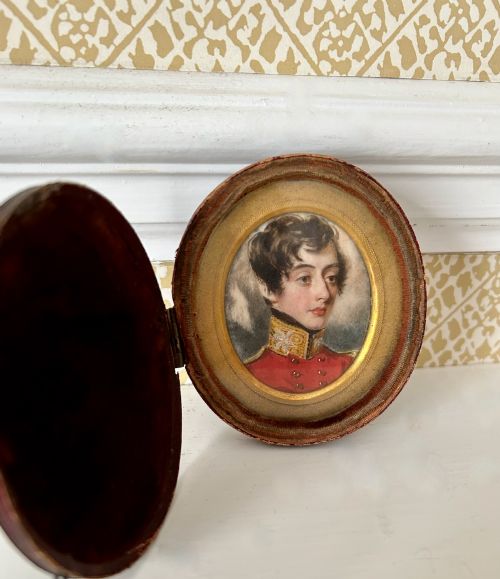
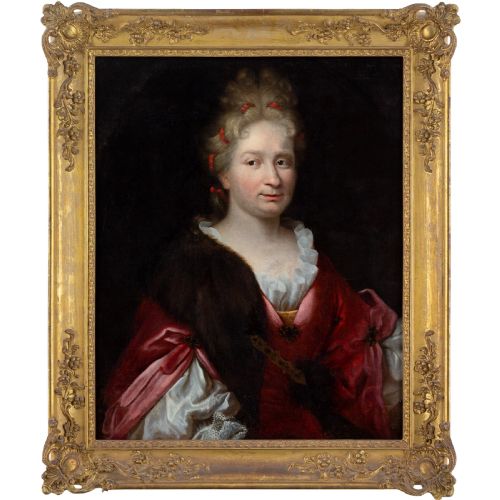
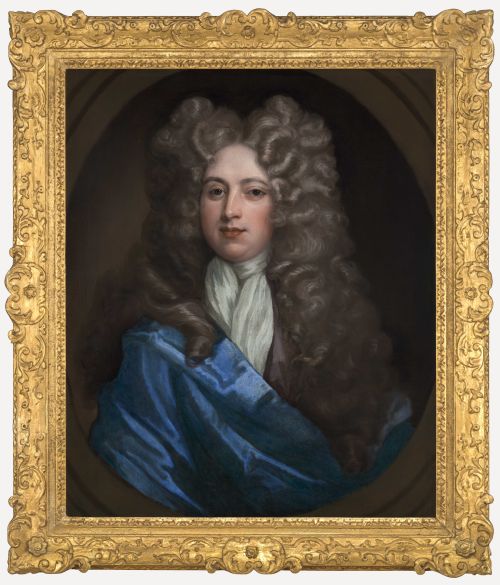
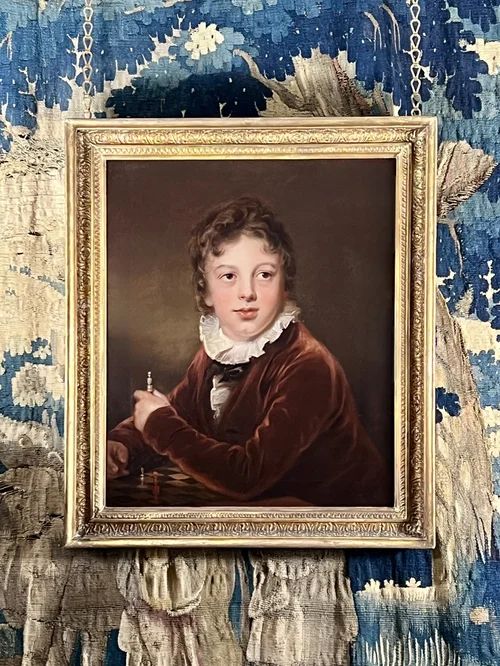
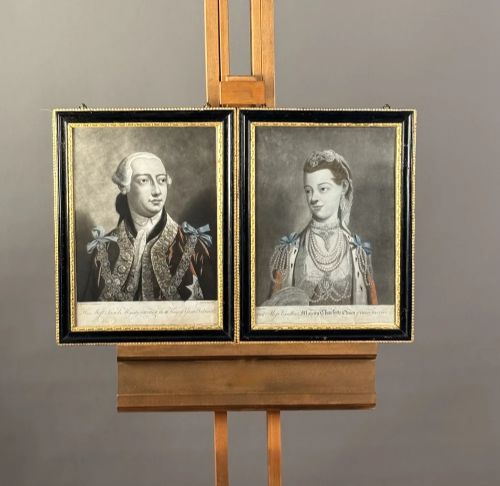
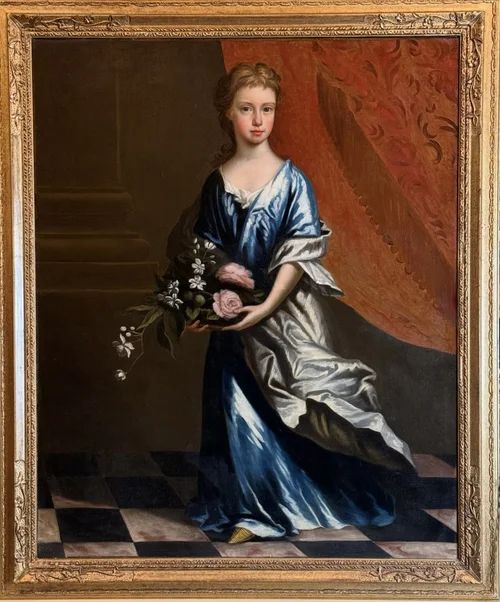
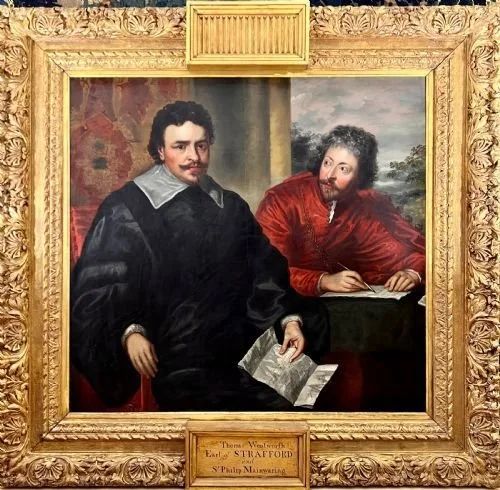
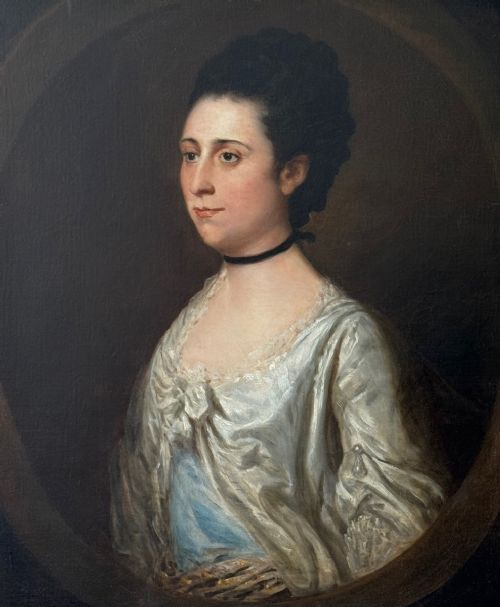
Georgian portrait artwork captures the distinct visages of past centuries through oil on canvas, delicate pastels, framed prints, and precise cut-paper silhouettes.
Georgian Portrait Artwork
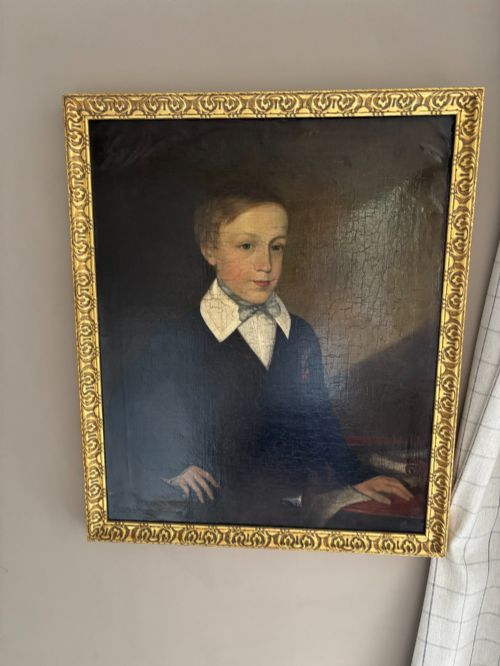
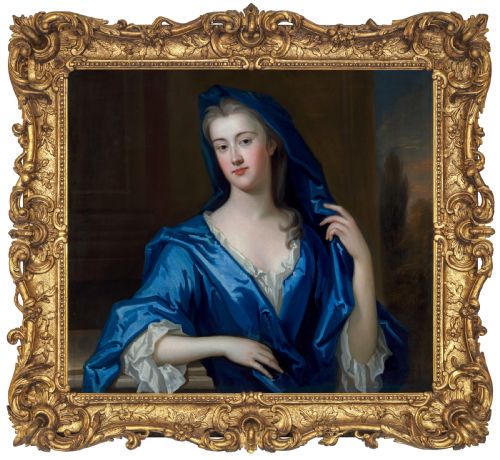
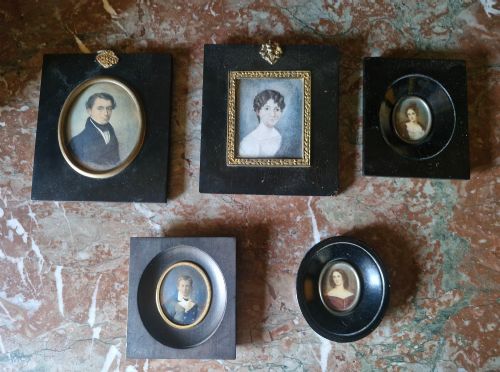
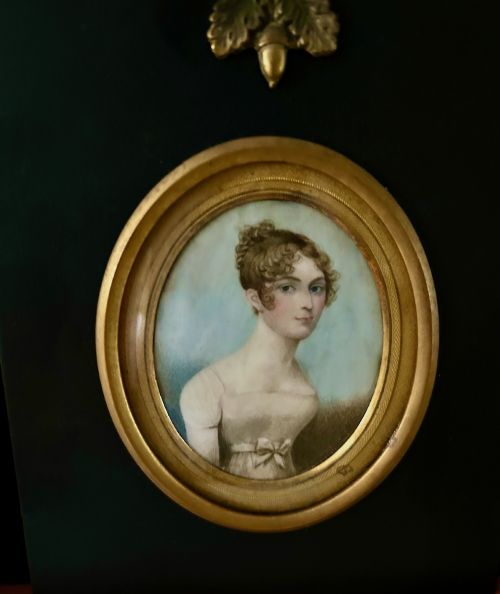
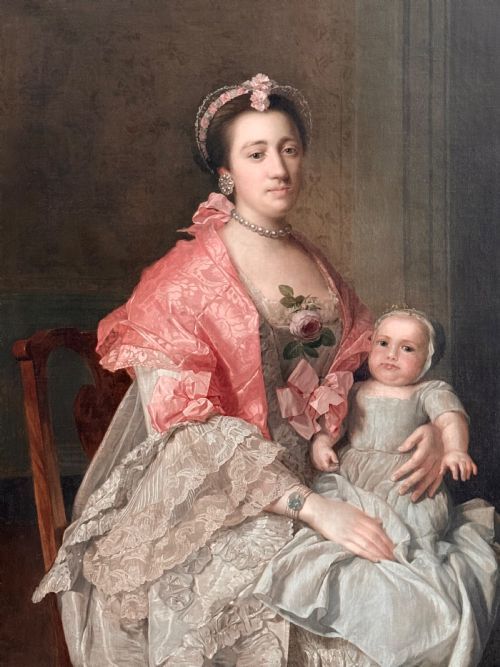
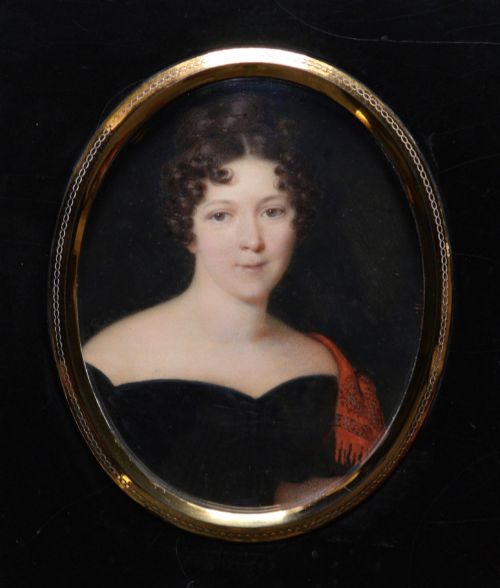
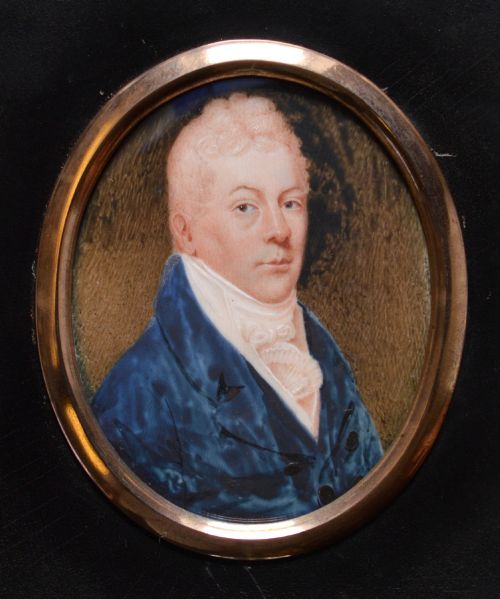
Georgian portrait artwork encompasses oil paintings, pastels, watercolours, engravings, and silhouettes depicting named sitters and anonymous subjects from the eighteenth and nineteenth centuries. These works record the likenesses of military officers, nobility, children, and fashionable ladies through the hands of contemporary painters and printmakers.
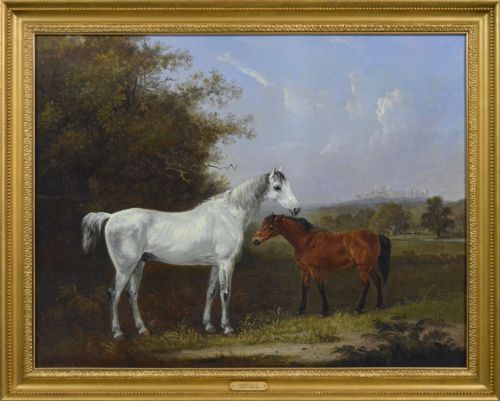
The selections on this page lean heavily towards oil on canvas and paper works framed in wood, giltwood, and glass. Examples range from large canvases executed by recognised portraitists to intimate silhouettes and mezzotint engravings published after major compositions.
Many items connect directly to prominent figures or artistic circles of the Georgian and Regency eras, reflecting the social hierarchies and aesthetic tastes of the period. Buyers find both studio samples and finished portraits produced within British and Northern European traditions.
How they were made
Painters built oil portraits on canvas or panel using layered pigments to achieve depth in clothing, skin tones, and backgrounds, frequently applying varnish to protect the surface. Printmakers utilised copper plates to create detailed mezzotints and engravings, transferring popular painted likenesses onto paper for wider distribution.
A nineteenth-century girl holds a small bird in her framed silhouette portrait.
What varies in quality
The skill of the hand defines the upper tier of these portraits, where facial expression, hand anatomy, and textiles are rendered with precise psychological depth and anatomical accuracy. Studio pieces and works by established Royal Academicians display superior draughtsmanship compared to provincial copies.
Materials also dictate the grade of a piece, from heavy oil paints on stout canvas to finely preserved cut-paper silhouettes enhanced with delicate watercolour washes. The preservation of the original medium, uncompromised by heavy restoration, determines the standing of an artwork.
John Simon·Edward Fisher·Sir Joshua Reynolds·William James Hubard·Jean-Baptiste Van Loo·Joseph Clover·Sir Martin Archer Shee·John Smith·George Willison·John Opie·James Watson·Jeremiah Davison·Charles Spooner·Thomas John Horsley·Horace Hone·Sir Thomas Lawrence
The Georgian Portrait Artwork Glossary
- Mezzotint
- A printmaking process where the copper plate is roughened to produce rich dark tones and subtle gradations of light. This technique allowed printmakers to reproduce painted portraits with remarkable fidelity.
- Silhouette
- A portrait profile cut from dark paper or painted onto a pale ground, popular for its economy and accuracy of likeness. Artists often added gold leaf highlights to enhance the costume.
- Giltwood
- Wood carved and coated with gold leaf or gold paint, commonly used for traditional picture frames. This finish provides a warm, reflective border suited to oil paintings and works on paper.
- Pastel
- A dry medium of powdered pigment bound into sticks, used on paper to achieve soft textures and luminous skin tones. Works executed in pastel required careful glazing under glass for preservation.
Georgian Portrait Artwork: Frequently Asked Questions
What is a mezzotint portrait?
A mezzotint is a print created by roughening a copper plate to hold ink, producing soft tonal gradations. These prints allowed eighteenth-century buyers to own affordable reproductions of famous oil paintings.
Publishers issued them widely, capturing the likenesses of nobility and military figures with striking shadow and light.
How do I identify a silhouette?
Silhouettes feature a dark profile cut from paper or painted against a contrasting light background. Many examples include delicate brushwork or gold leaf to define hair and clothing details.
Artists often signed these small works or mounted them in modest wooden frames.
How should I display antique portraits?
These works require hanging away from direct sunlight to prevent fading on paper, watercolours, and exposed pigments. Maintaining stable indoor humidity protects both the canvas support and the original wood or giltwood frames.
Glass fronts on drawings and silhouettes help shield the delicate paper from dust and atmospheric moisture.