



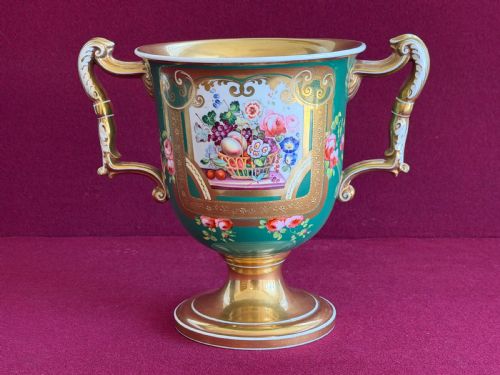


Georgian Porcelain Vessel
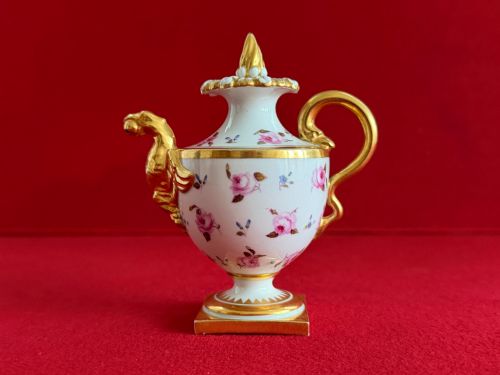
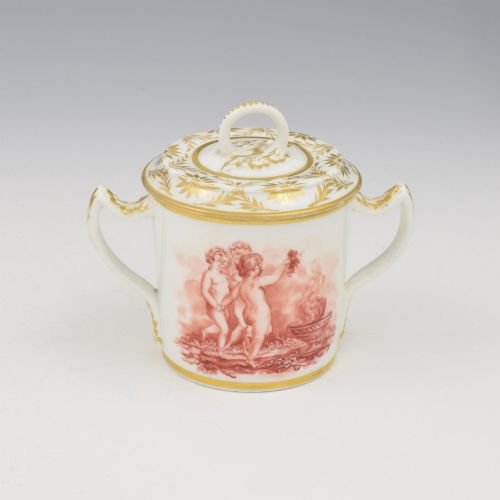
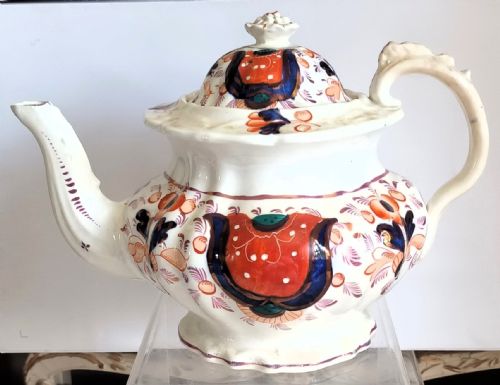
A georgian porcelain vessel brings domestic ceremony to a shelf, taking form as a teapot, chocolate cup, or rose water sprinkler.
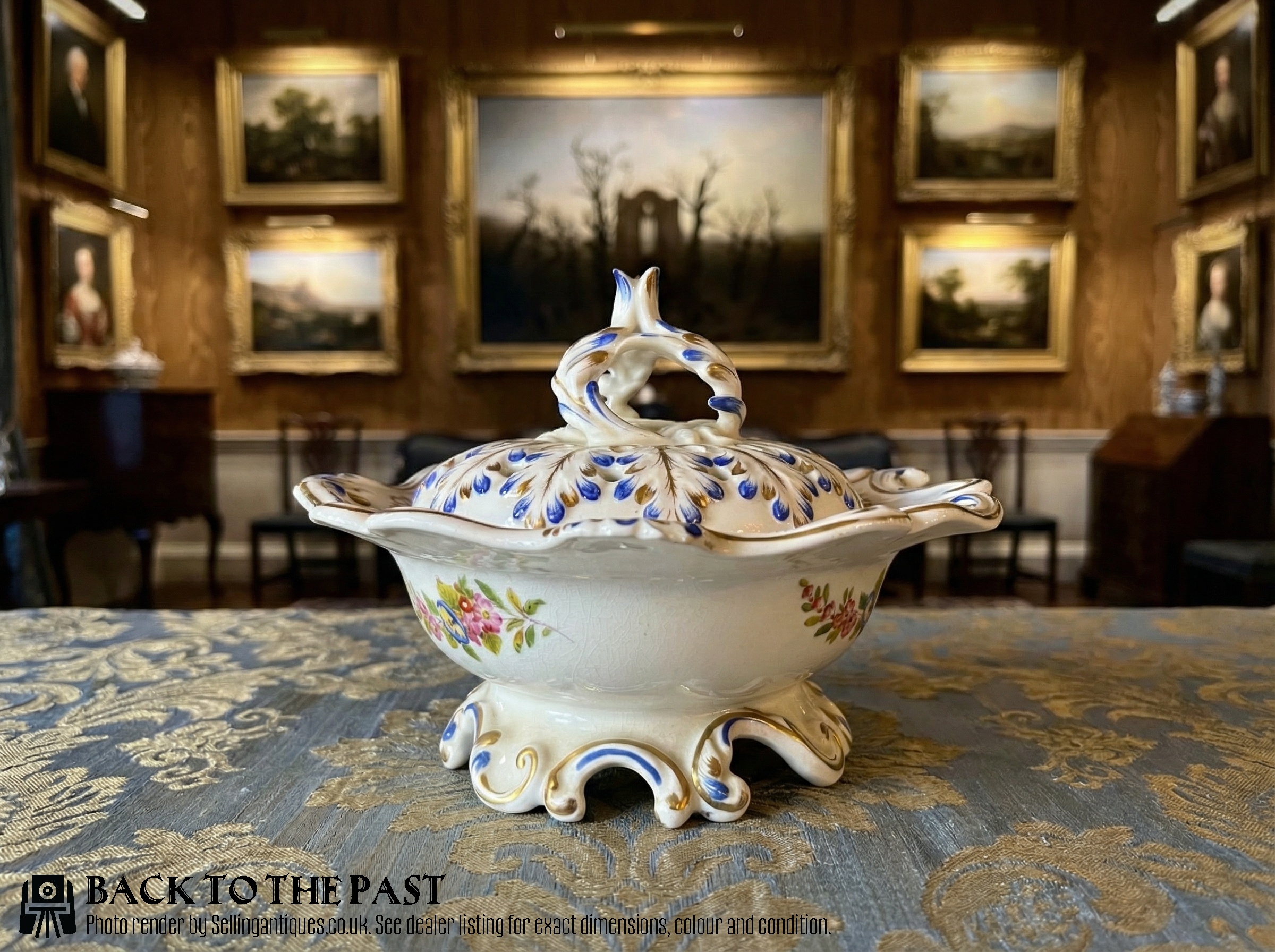
Georgian Porcelain Vessel
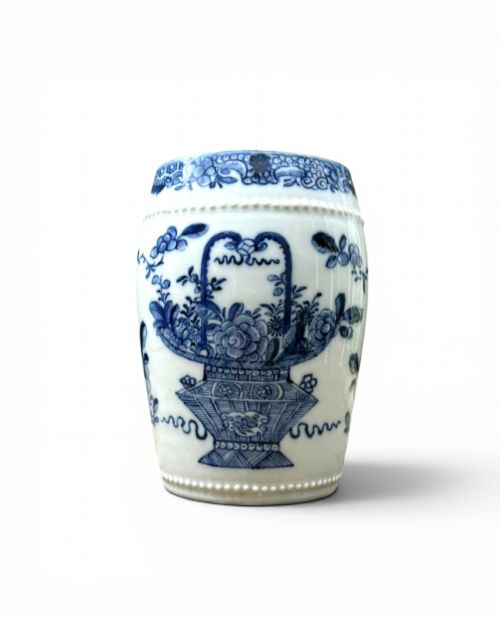
When someone searches for a georgian porcelain vessel, they encounter functional and decorative ceramics spanning the eighteenth and nineteenth centuries. These pieces encompass domestic vessels like teapots, mugs, sugar bowls, and larger decorative forms such as vases and urns. Most examples originate from English factories alongside select Chinese export pieces.
The objects date from the Georgian, Regency, and eighteenth or nineteenth centuries, reflecting styles from Georgian Neoclassical to Chinese Export and Qing Dynasty. Surviving examples include utilitarian items like sauce boats and footbaths alongside decorative pastille burners and rose water sprinklers.
Materials and manufacture
Potters shaped these vessels from porcelain, earthenware, and felspar porcelain, applying cobalt underglaze, enamel paint, and intricate enamel work. Artisans frequently enhanced the ceramic bodies with gold leaf, gilt, and gilding to accentuate handles, rims, and painted panels.
Production relied on skilled hand-painting and transfer printing, with artists executing detailed scenes such as sepia putti, botanical motifs, and oriental patterns. Kiln firing fixed the underglaze cobalt and enamels, after which gilders applied gold leaf highlights.
Assessing quality and execution
Quality reveals itself in the precision of the porcelain body and the refinement of the painted decoration. Superior pieces display crisp potting, delicate handles, and finely detailed hand-painted scenes executed by named or accomplished artists.
The application of gilding and enamel work distinguishes finer vessels from standard production. Rich, well-preserved gold leaf and vibrant, stable enamel colours indicate superior craftsmanship during the manufacturing process.
Flight Barr And Barr·Bloor Derby·Chamberlain Worcester·H And R Daniel·Spode
The Georgian Porcelain Vessel Glossary
- Porcelain
- A fine, hard ceramic fired at high temperatures, known for its white body and translucent qualities. It serves as the primary material for these vessels.
- Sucrier
- A small lidded vessel designed to hold sugar at the tea table. These often match contemporary teapots and tea sets.
- Pastille burner
- A small decorative vessel pierced to allow scented smoke to escape from burning pastilles. They were used to fragrance interiors in period homes.
- Bough pot
- A decorative container designed to hold flowering tree branches or floral arrangements for interior display. They typically feature pierced lids or covers.
- Cobalt underglaze
- A blue pigment applied to the raw ceramic body before glazing and firing. This technique ensures the colour remains permanently sealed beneath the glassy surface.
Georgian Porcelain Vessel: Frequently Asked Questions
How are these vessels dated?
Dating relies on factory marks, stylistic conventions of the Georgian and Regency periods, and recorded potting techniques.
Changes in paste composition and decorative fashion help narrow the span of manufacture.
What were rose water sprinklers used for?
Rose water sprinklers served to mist fragrant water into rooms or over guests during dining and social gatherings.
Their perforated spouts allowed controlled release of the scented liquid.
How do I care for antique porcelain?
Keep porcelain pieces away from direct sunlight and dramatic temperature fluctuations to protect the enamel and gilding.
Wash them by hand in lukewarm water when necessary, avoiding abrasive materials.
What is felspar porcelain?
Felspar porcelain is an enriched ceramic body introduced during the nineteenth century to improve durability and whiteness.
It allowed factories to produce refined tableware and decorative items with distinct technical stability.
Are Chinese export pieces Georgian?
Chinese export porcelain arrived in Britain during the eighteenth century alongside domestic production.
While made in China for European markets, they circulated in the same households as British Georgian ceramics.