


Georgian Porcelain Milk Jug
A georgian porcelain milk jug brings tangible eighteenth and nineteenth century domestic craft straight to the table.
Georgian Porcelain Milk Jug
A georgian porcelain milk jug is a small ceramic vessel designed for serving cream or milk during tea service, spanning the eighteenth and nineteenth centuries. These pieces sit comfortably within Georgian and Regency styles, reflecting the domestic habits of their eras.
Buyers meet varied forms on this page, ranging from water ewer shapes to traditional creamers and milk jugs. Origins span distinct periods, including both the eighteenth century and the nineteenth century.
How they were made
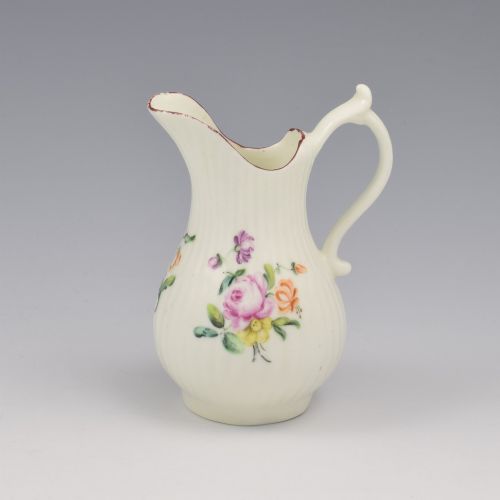
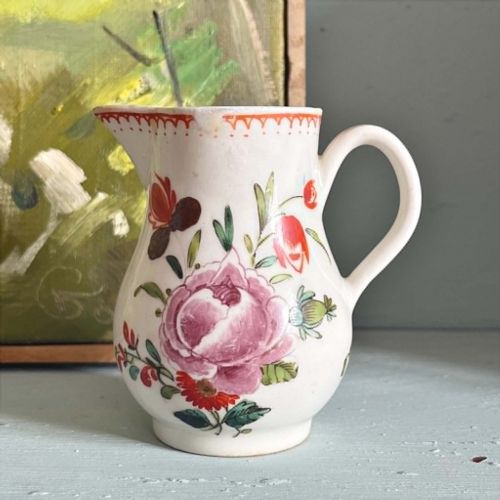
Maker workshops utilised fine porcelain as the primary body, finished with a smooth glaze to seal the surface. Decoration often involved handpainted enamel colours alongside delicate applications of gold leaf.
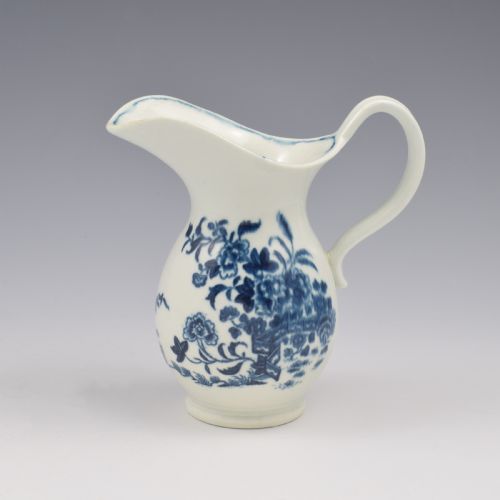
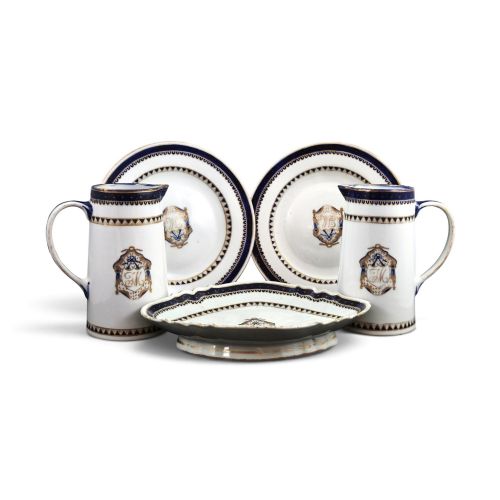
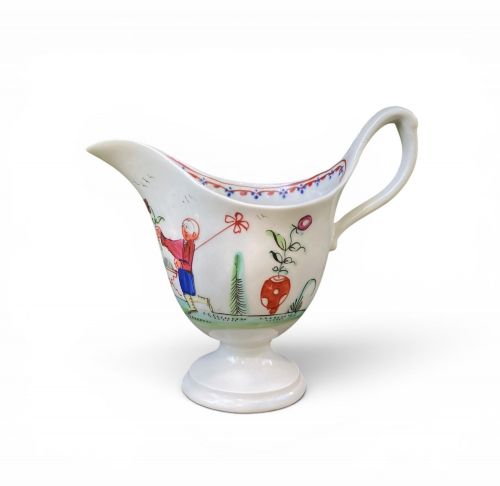
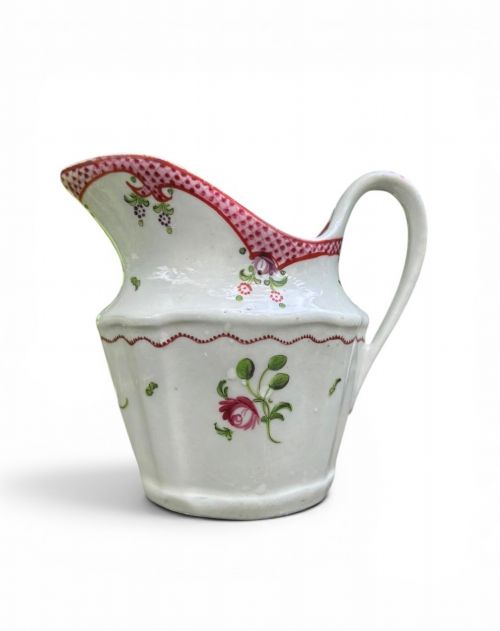
Individual pieces show specific artistic choices, such as cobalt borders framing handpainted floral motifs or distinct painted scenes like the boy and butterfly pattern.
A tiny painted boy chasing a butterfly across porcelain offers an enduring eighteenth century smile.
What varies in quality
Quality separates through the precision and artistry of the handpainted decoration, where confident brushwork and refined enamel detailing elevate a piece above simpler output. The incorporation of gold leaf adds another layer of distinction.
Form and historical attribution also drive the range, as specific named patterns or early factory associations distinguish exceptional examples from standard domestic wares.
The Georgian Porcelain Milk Jug Glossary
- Porcelain
- A white, vitrified ceramic material fired at high temperatures to achieve a dense and translucent body. It forms the essential base for fine Georgian tablewares.
- Glaze
- A glassy coating fused to the porcelain body during firing, providing a smooth and impermeable surface. This finish protects the underlying ceramic and decoration.
- Enamel
- Opaque coloured glass fused to the porcelain surface through low-firing techniques. Artisans applied these bright pigments by hand to create floral and figurative designs.
- Gold Leaf
- Precious metal beaten into extremely thin sheets and applied to ceramic surfaces for ornamentation. It highlights rims, handles, and decorative borders.
- Creamer
- A small vessel shaped specifically for holding cream during tea service. It shares close functional roots with the milk jug.
Georgian Porcelain Milk Jug: Frequently Asked Questions
What is a georgian porcelain milk jug?
A georgian porcelain milk jug is a small ceramic container made during the eighteenth or nineteenth century for pouring milk or cream at the table.
These functional items reflect the prevalent Georgian and Regency aesthetics of their respective periods.
How were these milk jugs decorated?
Maker workshops decorated these pieces using handpainted enamel alongside details rendered in gold leaf.
Common decorative motifs include cobalt borders enclosing handpainted flowers and specific patterns like the boy and butterfly design.
What materials did makers use?
Makers relied upon porcelain as the core material, covering the fired body with a protective glaze.
Enamel paints and gold leaf provided the surface colour and ornamentation.
How do eighteenth and nineteenth century jugs differ?
Eighteenth century examples include specialised forms like water ewer shapes associated with early Worcester production.
Nineteenth century pieces often feature distinct patterns and maker associations such as New Hall or Mrs Bowring.