


Georgian Porcelain Creamer
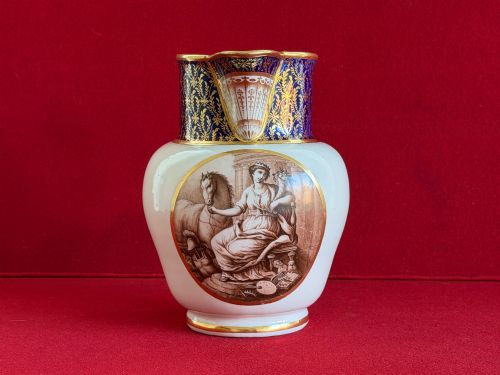
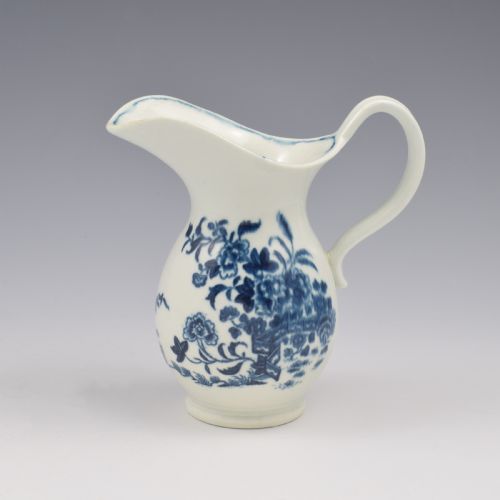
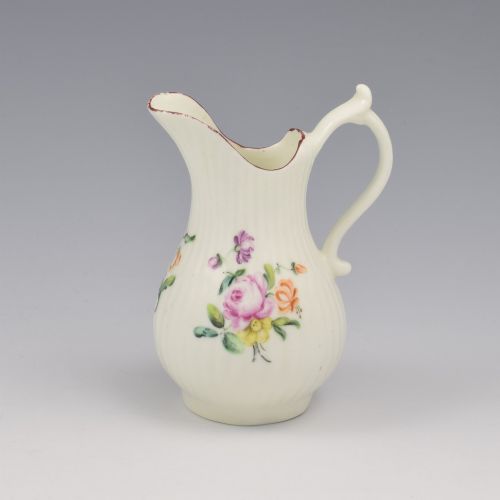
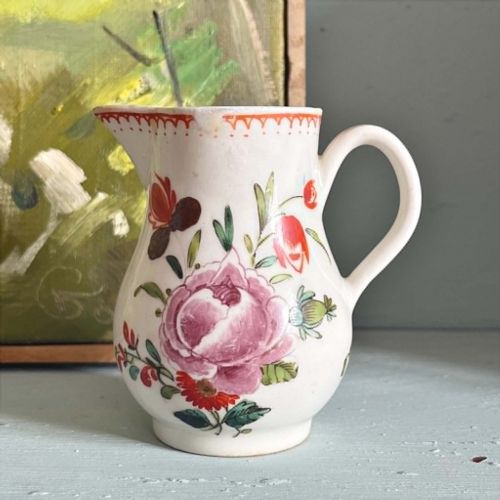
These georgian porcelain creamer examples bring eighteenth and nineteenth century tea tables alive with hand painted polychrome flora and delicate soft paste bodies.
Georgian Porcelain Creamer
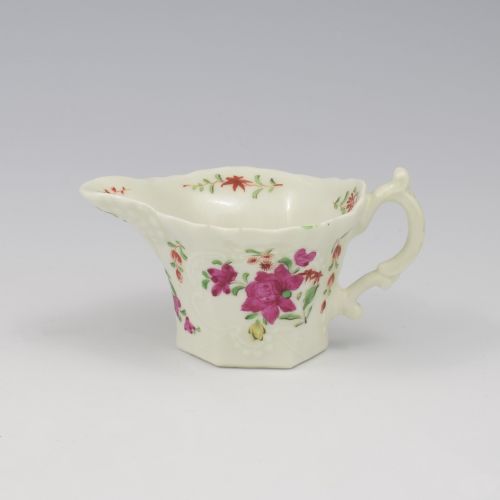
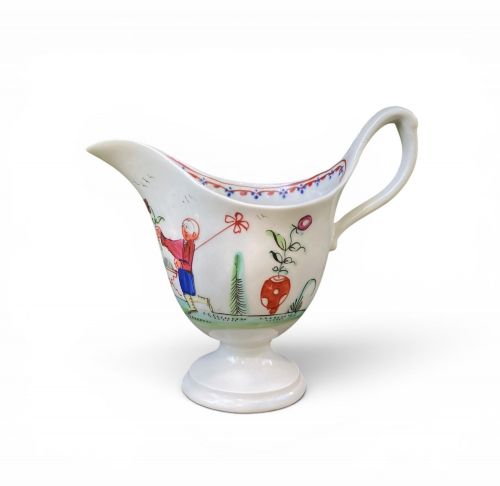
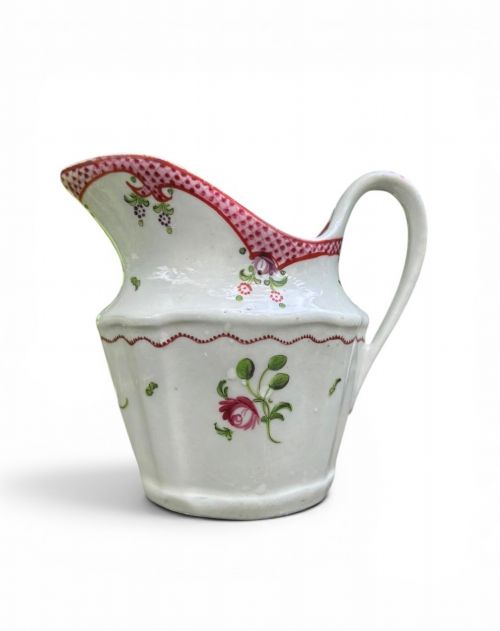
A georgian porcelain creamer serves as a small pouring vessel designed for milk or cream during tea service across the eighteenth and early nineteenth centuries. When searching for a georgian porcelain creamer, collectors encounter diverse forms including sparrowbeak jugs, fluted balusters, sauce boats, and dolphin ewers with lamprey handles.
The pieces on this page span from mid eighteenth century foundations through to the regency era. Makers from Worcester, Derby, Bow, New Hall, Coalport, and Liverpool dominate the selection with distinct regional bodies and painting styles.
Materials and construction methods
Potters shaped these vessels using soft-paste porcelain or early porcelain bodies which absorbed enamel glazes smoothly during firing. Artisans applied polychrome enamel decoration by hand alongside gold leaf highlights to enhance domestic tea wares.
Moulded elements such as gadroon borders, hexagonal profiles, and applied aquatic creatures required skilled hand finishing before the final glaze firing.
Judging the standard of execution
Quality rests upon the crispness of the moulded form and the precision of the hand painted palette. Pieces with armorial crests or intricate polychrome flowers demonstrate superior workshop output compared to simpler utilitarian patterns.
The translucency of the porcelain body and the smooth application of the glaze distinguish high tier factory production from standard regional output.
Early Derby Porcelain·Bow porcelain·New Hall porcelain·H and R Daniel Porcelain·Chamberlain Worcester porcelain·John Rose Coalport Porcelain·Liverpool Herculaneum porcelain
The Georgian Porcelain Creamer Glossary
- Soft-Paste Porcelain
- A ceramic composition containing glass frit and white clay, fired at lower temperatures than hard-paste porcelain. This body creates a warm, creamy tone under the glaze.
- Sparrowbeak
- A small jug featuring a distinctive pinched spout resembling a bird's beak. This form appeared frequently on eighteenth century tea tables.
- Polychrome
- Decoration employing multiple enamel colours applied by hand over or under the glaze. These pigments often depict floral sprays or botanical subjects.
- Gadroon
- A decorative carved moulding pattern featuring parallel convex curves. Potters utilised this border style on regency vessels.
- Armorial Crest
- A heraldic design painted onto porcelain to denote a specific family lineage. These custom commissions represent high status ownership.
Georgian Porcelain Creamer: Frequently Asked Questions
What is a georgian porcelain creamer used for?
These small vessels held milk or cream for the tea table during the georgian period. Guests poured liquid refreshment directly from the spout into cups.
Today they function primarily as decorative cabinet pieces or cabinet displays for ceramic enthusiasts.
How do I date a georgian porcelain creamer?
Dating relies on identifying paste characteristics, potting styles, and factory marks where present. Early pieces from the seventeen fifties often feature soft bodies and spontaneous floral painting.
Later regency examples adopt sharper moulding, classical shapes, and bolder gadget borders reflecting changing aesthetic tastes.
What does sparrowbeak mean on a jug?
A sparrowbeak describes a narrow, pinched pouring lip found on small eighteenth century milk jugs. This specific shape controlled the flow of cream during tea service.
Early factories such as Bow and Worcester utilised this form extensively.
Are these creamers safe for daily use?
Historic porcelain requires careful handling due to age, delicate handles, and potential enamel wear. Collectors generally exhibit these vessels rather than using them for hot liquids.
Hand washing in lukewarm water without harsh detergents protects the soft glaze and gilt highlights.