
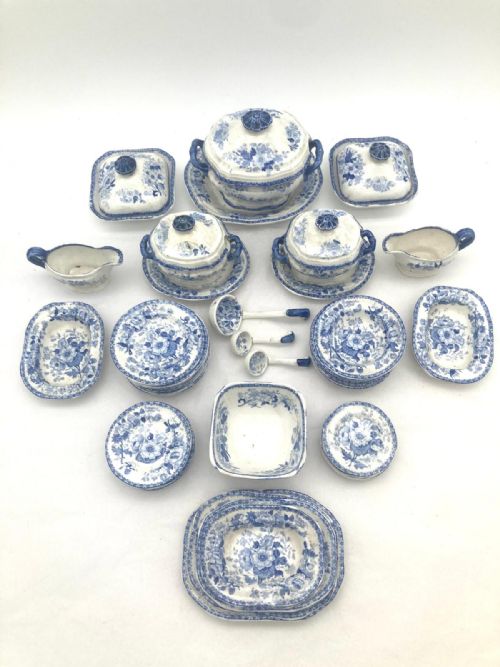


Georgian Porcelain China Service
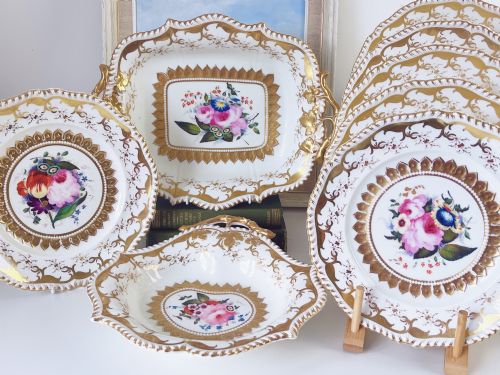
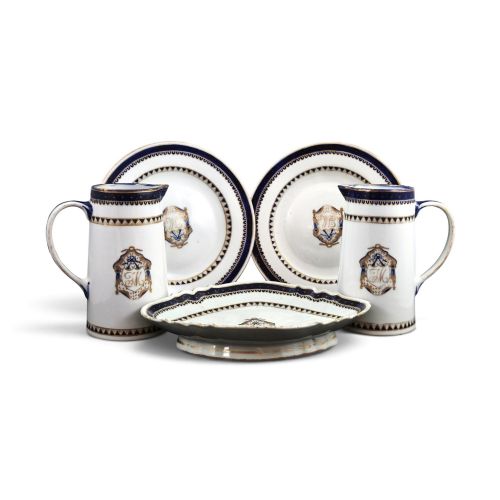
A georgian porcelain china service brings eighteenth and nineteenth century dining tables alive with handpainted botanical motifs, armorial ciphers, and intricate gilding.
Georgian Porcelain China Service
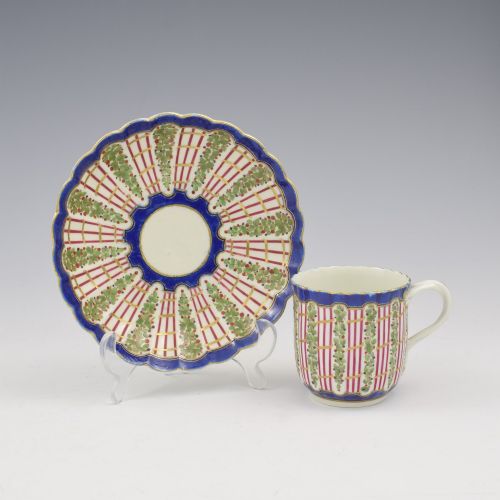
A georgian porcelain china service comprises matching tableware such as dessert plates, teacups and saucers, sugar bowls, and serving dishes produced during the eighteenth and early nineteenth centuries. Buyers encountering these pieces will find comprehensive dessert services alongside individual teapots, slop bowls, and sauceboats designed for formal dining and tea consumption.
The objects span periods from the eighteenth century through the Regency era into the early nineteenth century, reflecting evolving dining customs. Forms range from Chinese Export porcelain commissioned for Western markets to domestic productions from factories operating under Georgian and Regency styles.
Makers represented include prominent British manufactories alongside overseas porcelain houses, utilising traditional shapes like oval dessert dishes and sucriers with covers. These services survive in partial groupings or complete sets, maintaining their utility for display and domestic use.
Materials and production methods
Potters utilised porcelain, soft-paste porcelain, ceramic, and earthenware bodies as foundations for these services, applying glaze to seal the surface before decoration. Many pieces incorporate ironstone or specialised china bodies capable of holding intricate moulded forms.
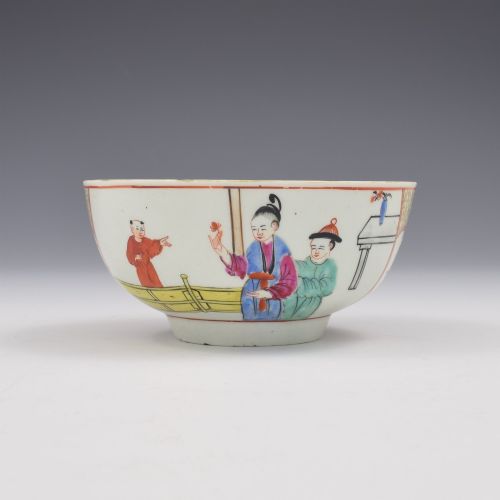
Decoration relied on handpainted floral motifs, blue and white transfer printing, and polychrome enamel work depicting figures or botanical studies. Artisans applied gold leaf and gilding to rims and handles, often combining these metallic accents with ground colours like apple green.
Several services include specialised slop bowls originally intended for guests to dump their leftover tea leaves before receiving a fresh pour.
Assessing quality in period porcelain
Quality separates through the precision of the handpainted details, such as botanical studies executed by named artists compared against standard factory output. The crispness of moulding on forms like sauceboats and oval dessert dishes indicates the sharpness of the original moulds.
The application of gold leaf and gilding, alongside the evenness of the glaze and the purity of the porcelain paste, distinguishes superior work. Provenance linked to specific historical commissions, such as armorial services or named ecclesiastical orders, elevates the standing of the pieces.
Grainger Lee and Co·Derby Porcelain·Dr Wall Worcester·Minton Porcelain·Spode·Rockingham Pottery·Hicks Meigh and Johnson·Flight Barr and Barr·Ridgway Porcelain·Wedgwood·Coalport
The Georgian Porcelain China Service Glossary
- Soft-Paste Porcelain
- An artificial mixture of clay, glass, and ground minerals fired at lower temperatures than true hard-paste porcelain. This body type absorbs glaze differently and often shows a warm tone beneath the surface.
- Sucrier
- A small covered sugar bowl or sugar box used during tea and dessert services. These vessels typically match the teacups and teapots within a service.
- Glaze
- A glassy coating fused to the ceramic body during firing to render the piece impermeable to liquids. It provides the smooth, reflective surface seen on Georgian tableware.
- Transfer Printing
- A mechanical decoration technique where an engraved copper plate transfers a design onto paper and then onto the ceramic surface. This method allowed consistent blue and white patterns across large services.
- Enamel
- Vitreous coloured paints applied over the glazed porcelain and fired at a lower temperature to bond. Enamels provide the bright palette seen on floral dessert plates.
Georgian Porcelain China Service: Frequently Asked Questions
How do I care for a georgian porcelain china service?
Wash each piece by hand in warm water using a mild, non-abrasive detergent to protect the delicate enamel and gilding. Avoid placing antique porcelain in modern dishwashers or exposing the ceramic to sudden temperature extremes.
Store plates and serving dishes with protective felt separators between them to prevent surface scratching. Handle covers on sucriers and teapots separately by the main body rather than the finial.
Were these services used daily?
Most formal porcelain china services served aristocratic and middle-class households during special dining occasions, dessert courses, and formal tea ceremonies. Everyday dining often relied on sturdier earthenware rather than fine porcelain.
Wealthy patrons commissioned custom armorial sets for entertaining guests, while smaller households used matching teacups and saucers for afternoon hospitality. Surviving pieces often spent generations displayed in cabinets rather than subjected to heavy daily wear.
How do I distinguish eighteenth century pieces from Regency ones?
Eighteenth-century porcelain frequently displays underglaze blue painting, Chinese Export influences, and soft-paste bodies associated with early factories like Dr Wall Worcester. Forms tend to feature rococo influences with organic curves and handpainted chinoiserie motifs.
Regency and early nineteenth-century pieces shift toward neoclassical shapes, vibrant ground colours like apple green, and refined bone china or improved porcelain bodies. Makers during this later period utilised precise transfer printing alongside elaborate handpainted botanical studies.
Can I use these services for serving food?
While these antique items remain structurally sound for serving dry foods or fruit during dessert courses, modern culinary use risks damaging fragile handpainted glazes. Acidic foods and repeated washing can degrade historical enamels and wear away gold leaf.
Many collectors prefer to use dessert plates and serving dishes for display or light entertaining while keeping them away from heavy cutlery. Utilising them requires mindful handling to preserve the integrity of the glaze and decoration.