




Antique Porcelain Cake Plates
Antique porcelain cake plates bring formal dining elegance to the table, offering painted florals and gilded borders across diverse nineteenth and twentieth century services.
Antique Porcelain Cake Plates
These pieces encompass dessert services, sandwich sets, and individual plates designed for serving sweet courses. The selection ranges from Regency and Victorian services to twentieth century bone china sets.
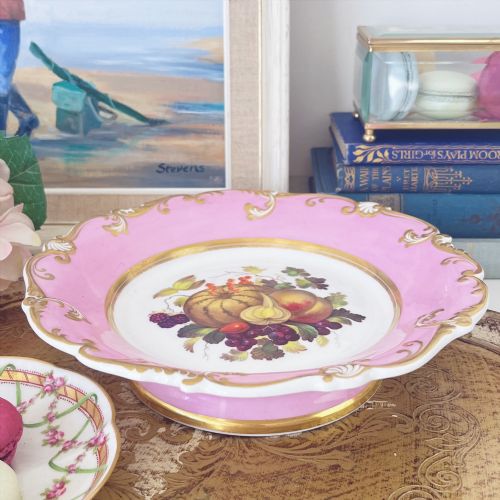
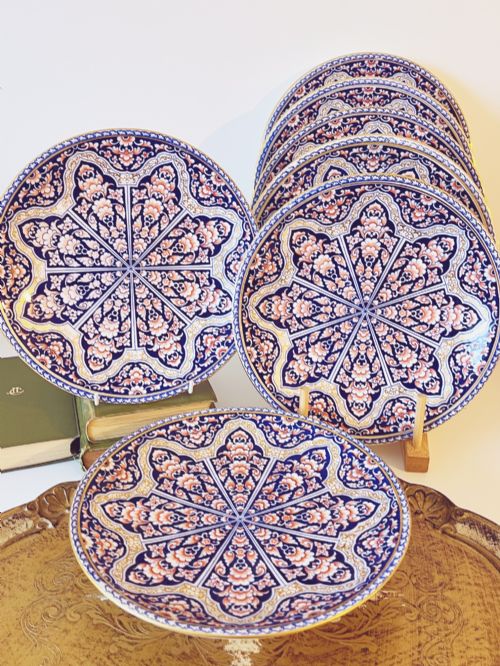
Buyers encounter individual comports, tazzas, and matched groups bearing handpainted fruits, floral motifs, and printed patterns. The forms extend from Davenport stone china plates to Royal Crown Derby dessert services.
Origins span notable English potteries and factories across the nineteenth century and decades such as nineteen thirty. These items function as decorative tableware as well as practical serving pieces.
How they were made
Manufacturers shaped porcelain, bone china, and earthenware bodies before applying protective glazes and enamel colours. Artisans painted botanical subjects and fruit scenes by hand directly onto the ceramic surface.
Gilding and gold leaf accents were applied to rims and handles, then fired to fuse the precious metal with the glaze. Skilled decorators combined transfer printing with handpainted highlights for intricate borders.
Listings feature porcelain, bone china, and stone china across Victorian, Regency, and twentieth century periods.
What varies in quality
The refinement of the ceramic body and the crispness of the moulding set pieces apart. Finer services display thinner walls and more delicate handles.
Artistic skill in handpainted details distinguishes superior items from standard production. The preservation of original gilding and enamel vibrancy determines overall visual impact.
H and R Daniel·Royal Crown Derby·John Ridgway·Spode·Royal Doulton·Wileman Foley Shelley·Davenport
The Antique Porcelain Cake Plates Glossary
- Comport
- A raised dish or bowl used for serving fruit or sweets as part of a dessert service. These footed pieces add vertical contrast to a table setting.
- Tazza
- A shallow saucer-like dish mounted on a stem and foot, similar in function to a comport. It serves as a central display piece for cakes and confections.
- Bone china
- A type of porcelain incorporating bone ash for enhanced strength and translucency. It allows for thinner, lighter plates without sacrificing durability.
- Stone china
- A dense, durable ceramic body developed in the nineteenth century to imitate oriental porcelain. Davenport and other factories used it for robust tableware.
Antique Porcelain Cake Plates: Frequently Asked Questions
What is a dessert service?
A dessert service comprises a matched set of plates and footed comports designed for the final course of a formal meal. They provide a unified presentation for fruit, cakes, and sweet dishes.
Such services often include numerous plates alongside larger serving vessels. They reflect the dining customs of the nineteenth and early twentieth centuries.
How do I use them today?
These plates suit the service of cakes, pastries, and afternoon tea rather than heavy everyday meals. Their historic glazes and enamel decoration warrant careful handling during use.
Hand washing preserves the delicate gilding and handpainted details better than mechanical dishwashers. Displaying them on sideboards or within cabinets protects the ceramic from accidental impact.
Are tea sets and dessert sets different?
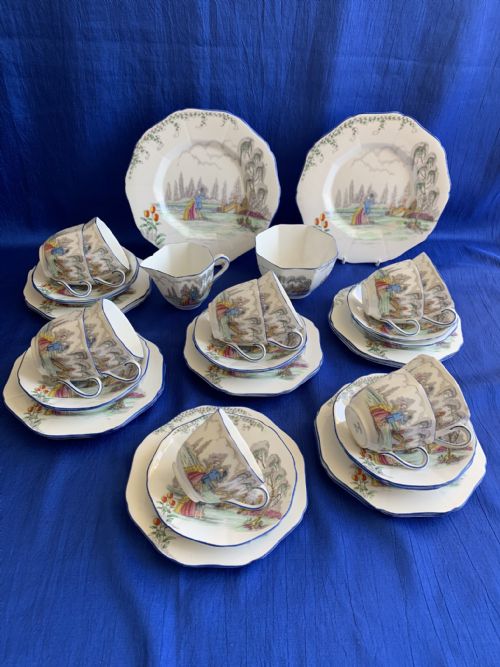
Tea sets focus on cups, saucers, and teapots for beverage service, while dessert sets centre on plates and comports. The forms reflect distinct culinary traditions of the period.
Some larger services overlap in composition, including bread and butter plates alongside teaware. However, dedicated dessert services emphasise flat plates and raised display pieces.
How are different periods identified?
Periods are recognised through ceramic bodies, stylistic traits, and factory marks stamped or painted underneath. Regency and Victorian pieces often feature heavy gilding and Rococo revival scrolls.
Twentieth century items from the nineteen twenties and thirties introduce cleaner lines and brighter enamel palettes. Comparing the style of decoration with known manufacturing eras clarifies the date.