

Georgian Pocket Silver
Georgian pocket silver comprises small, functional silver items carried daily during the eighteenth and early nineteenth centuries, prized for their exceptional miniature craftsmanship and historical intimacy.
Georgian Pocket Silver
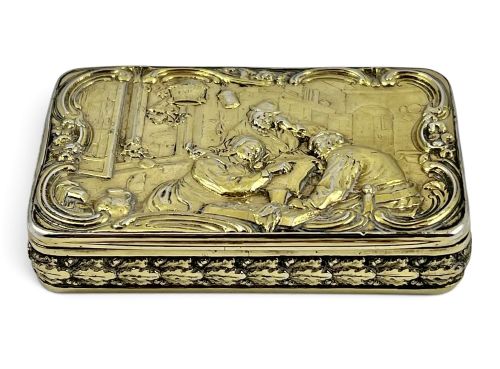
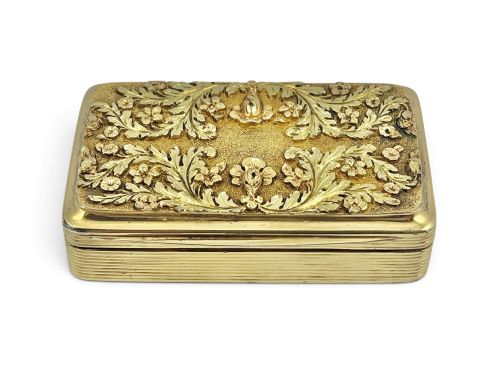
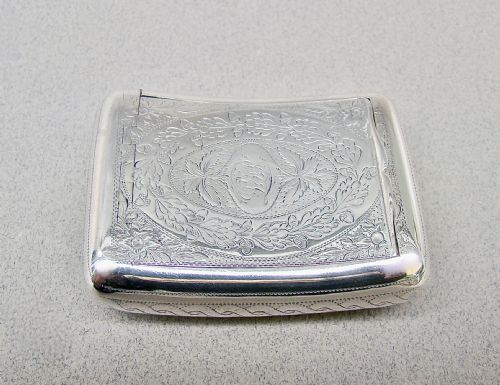
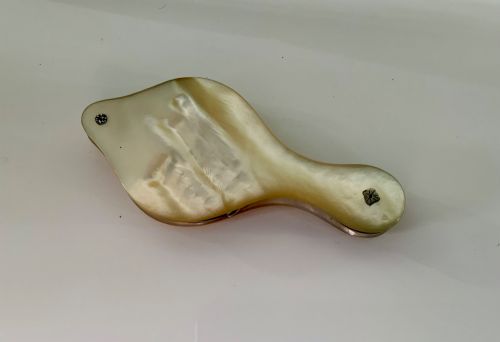
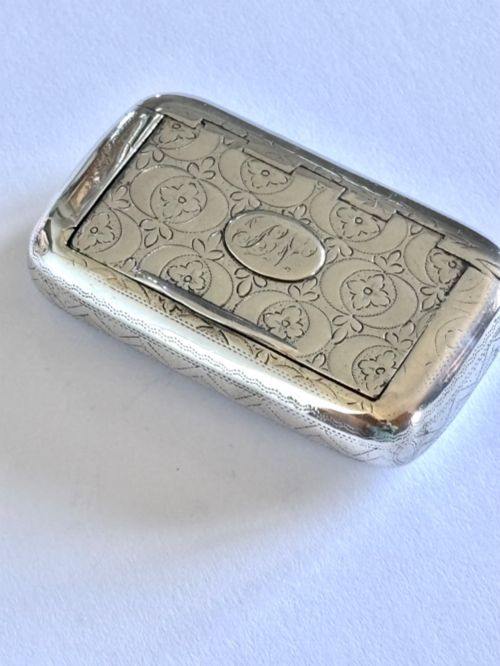
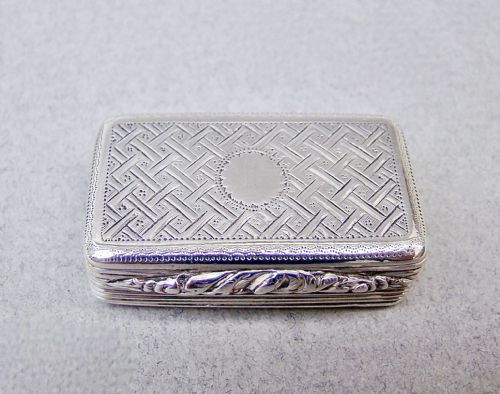
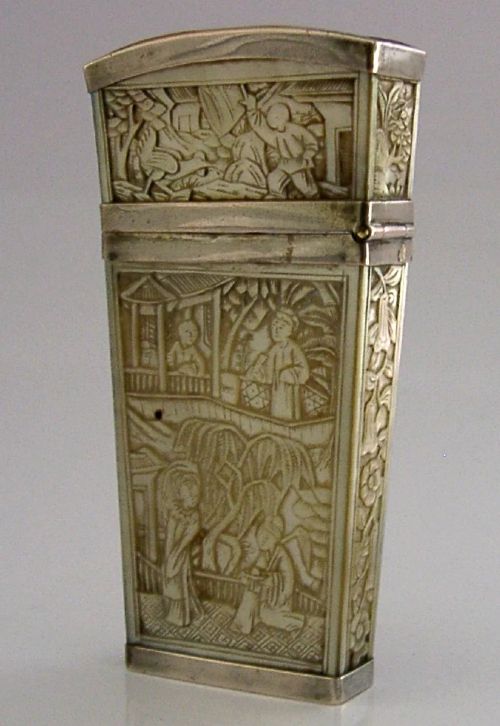
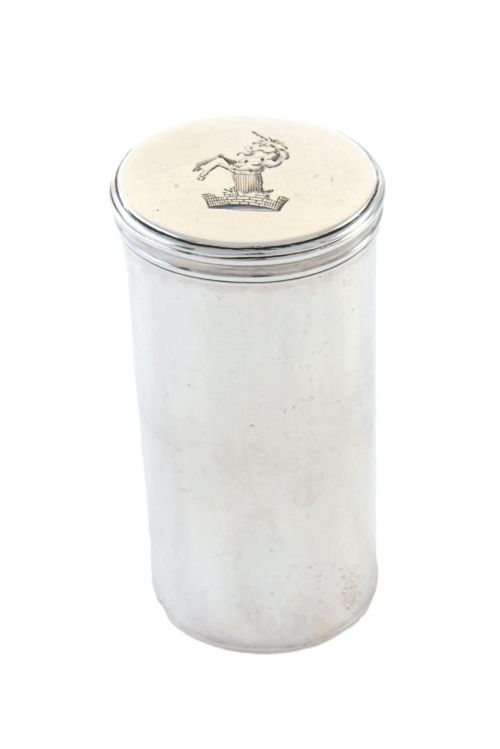
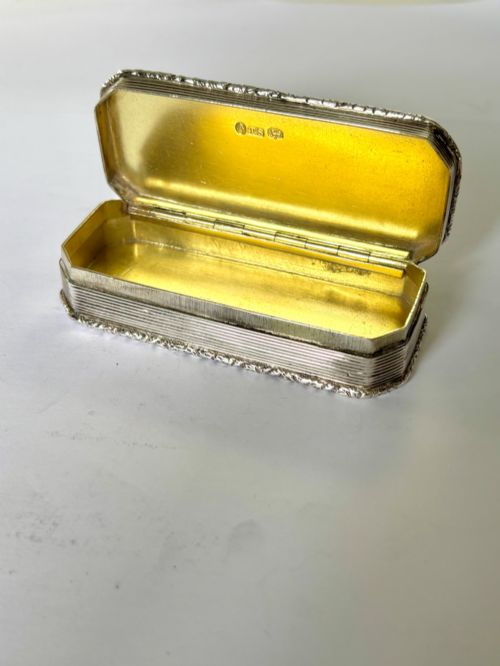
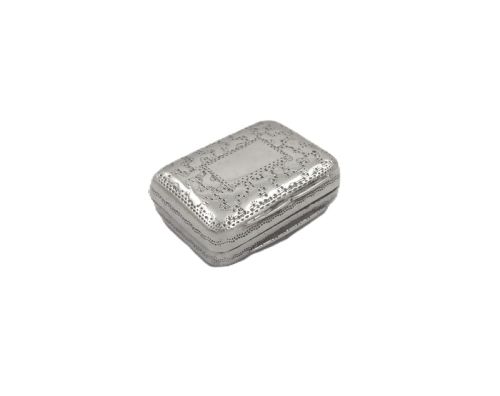
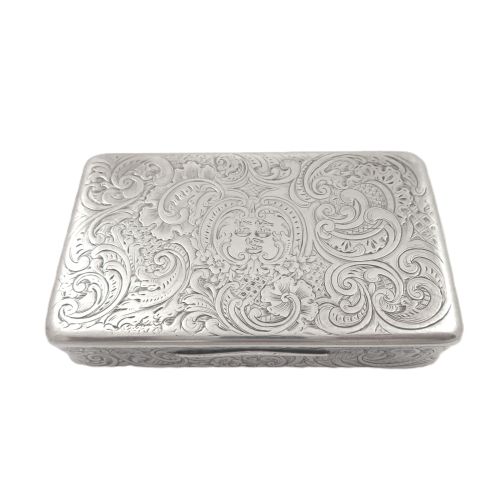
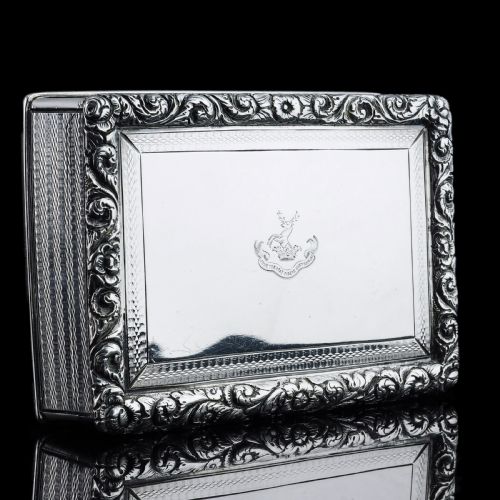
When you search for georgian pocket silver, you encounter portable personal items designed for specific daily rituals, predominantly taking the form of snuff boxes, vinaigrettes, nutmeg graters, and pocket watches.
The objects span the Georgian period, the Regency era, and slightly beyond into the reigns of William IV and Victoria, originating primarily from English workshops in Birmingham and London.
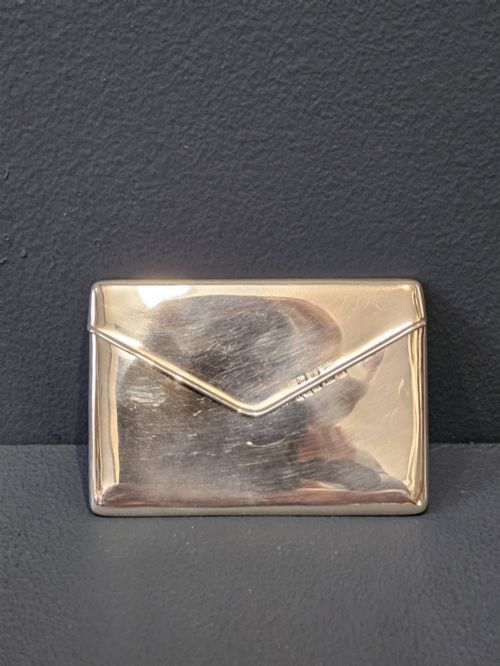
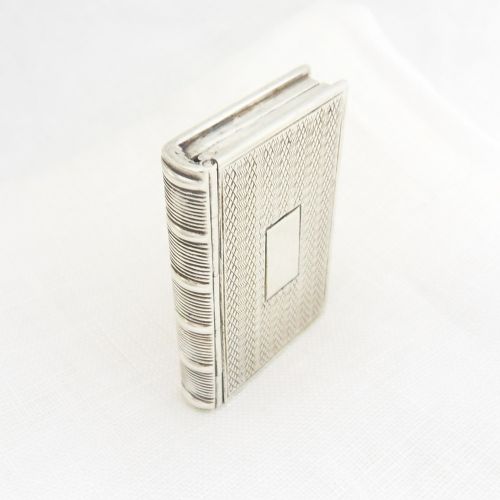
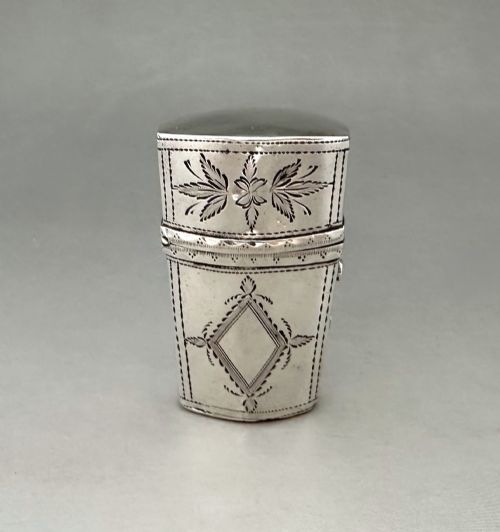
Makers produced these pocket-sized containers in various specialised shapes, including book forms, figural acorns, and cylindrical etui cases, alongside functional items such as silver-cased corkscrews and folding fruit forks.
Materials and Techniques
Silversmiths constructed these pieces chiefly from sterling silver and silver gilt, frequently incorporating steel components for mechanisms, glass for scent bottles, and organic inserts such as tortoise shell, agate, and red Moroccan leather.
Decoration relied on specialised techniques including bright-cut engraving, engine turning, floral chasing, and enamel work to ornament the miniature surfaces of boxes and watch cases.
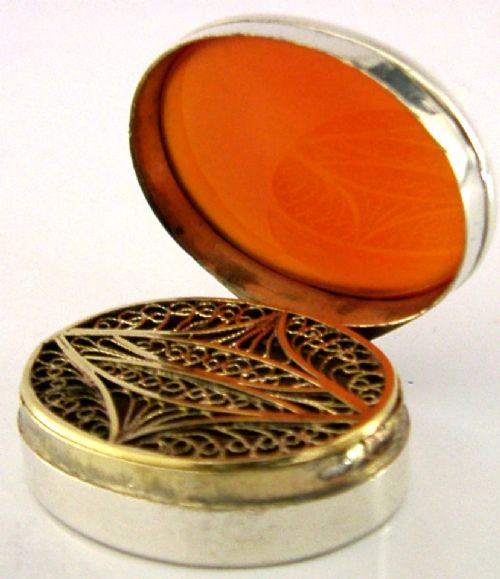
Interior elements of vinaigrettes required pierced silver grilles to hold scented sponges, while pocket watches utilised intricate fusee movements housed in pair-cased silver shells.
Georgian Pocket Silver Retail Price Guide 2026
Typical asking prices for georgian pocket silver among the pieces listed under this phrase on Sellingantiques today, from the lower quarter to the upper quarter. They describe what is for sale here now, not the wider market.
Object forms include pair-cased pocket watches, flintlock pistols with silver wire inlay, nutmeg graters, and etui cases.
Standards of Execution
The distinction between ordinary and superior pieces rests on the crispness of the chasing and the precision of the engraved details, where master silversmiths achieved exceptional depth on tiny surfaces.
Quality depends heavily on the integrity of specialised internal components, such as the pierced and engraved patterns on vinaigrette grilles and the original functionality of spring-loaded box lids.
Joseph Willmore·Joseph Taylor·John Shaw·Taylor And Perry·Thomas Shaw·Nathaniel Mills·Daniel Field·William Eaton·John Bettridge·Edward Edwards
The Georgian Pocket Silver Glossary
- Vinaigrette
- A small pocket container holding a sponge soaked in aromatic vinegar. These boxes feature hinged lids opening to reveal an intricately pierced and engraved internal silver grille.
- Pair-cased
- A pocket watch construction utilising two separate protective shells. The inner case holds the movement while the outer case provides an extra layer of defence against dust and damage.
- Bright-cut
- An engraving technique utilising faceted V-shaped cuts to reflect light from the metal. Silversmiths employed this method to create sparkling geometric and floral borders.
- Fusee
- A conical pulley mechanism inside a pocket watch that equalizes the drive force of the mainspring as it unwinds. This system ensures consistent timekeeping across the power reserve.
- Etui
- A small decorative case designed to hold sewing implements or small grooming tools. These containers often house scissors, tweezers, and folding knives in compact fitted compartments.
Georgian Pocket Silver: Frequently Asked Questions
How were vinaigrettes used?
Vinaigrettes were used to combat unpleasant odours in public spaces during the eighteenth and nineteenth centuries. Owners placed a vinegar-soaked sponge inside the small box beneath a decorative silver grille.
When needed, the user opened the outer lid to inhale the refreshing vapours released through the pierced metalwork. They served as both practical health accessories and status symbols.
How do I date these items?
Dating georgian pocket silver relies primarily on the Hallmarks stamped into the metal by official assay offices in cities like Birmingham and London. These marks typically include maker initials, standard silver marks, and date letters.
Stylistic elements such as bright-cut engraving or engine-turned patterns also help narrow down the manufacturing decade. Comparing the construction methods to documented workshop periods confirms the era.
How should I store pocket silver?
Pocket silver requires careful storage away from high humidity to prevent tarnishing and damage to delicate internal mechanisms. Keeping items in soft-lined compartments or original fitted leather cases protects their exterior finishes.
Regular, gentle dusting preserves the intricate engravings without wearing down the silver surface. Avoid harsh chemical dips that strip away the original patination accumulated over centuries.