



Georgian Plate Tray
These georgian plate tray pieces combine utility and craftsmanship, serving as functional metalware and ceramic platters for the discerning collector.
Georgian Plate Tray
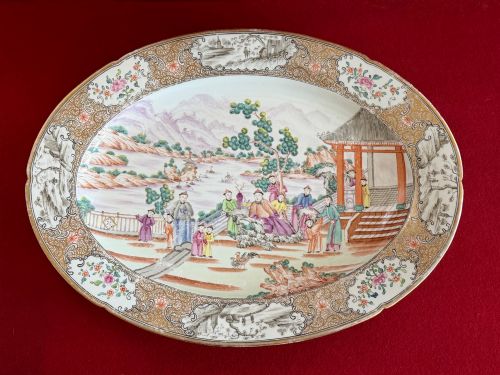
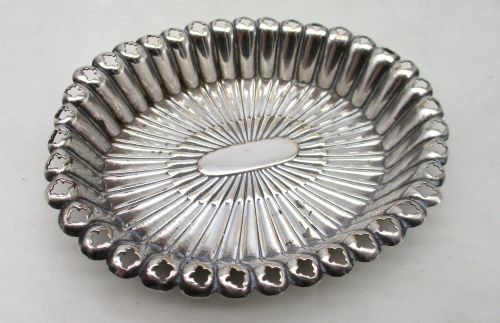
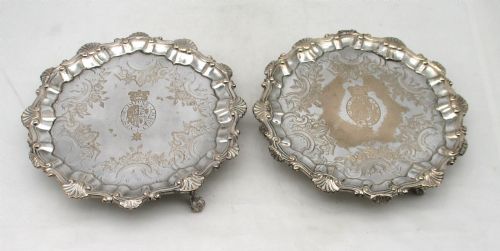
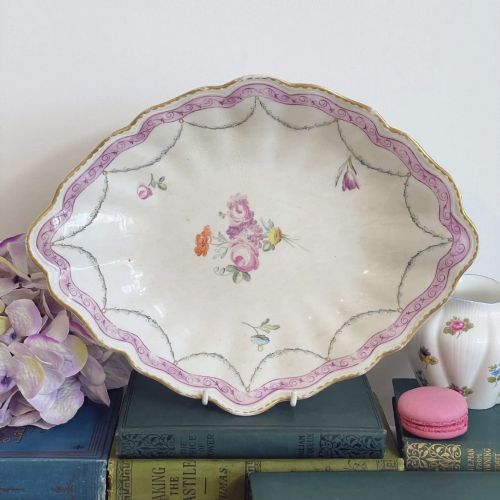
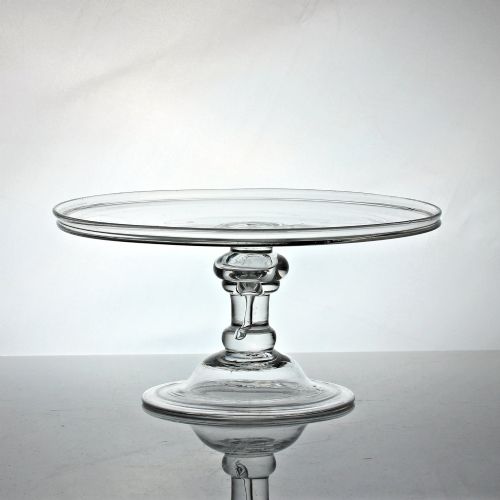
A georgian plate tray encompasses a variety of serving vessels, card trays, and platters originating mainly from the eighteenth and nineteenth centuries. You will find items ranging from small pin and calling card trays to large serving dishes and footed tazzas.
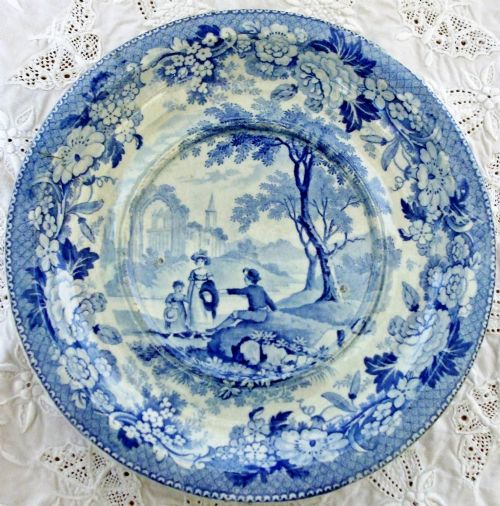
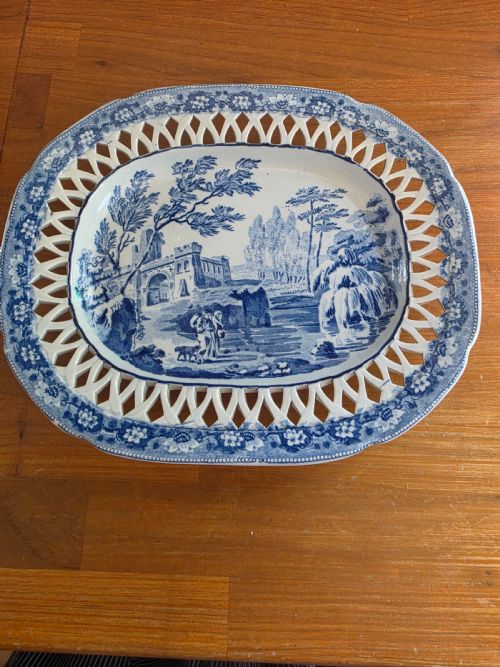
The selection includes pieces produced in silver, sterling silver, Old Sheffield plate, and various earthenwares including blue and white transfer-printed pottery. Many examples serve specific domestic purposes such as holding cutlery, desk accessories, or calling cards.
Makers and manufacturers from notable pottery and metalworking regions contributed to this category, creating items that reflect both Georgian and Regency design sensibilities. These objects bridge the gap between practical dining accessories and decorative display items.
How they were made
Old Sheffield plate pieces utilise a fusion technique where a thin layer of silver is fused to a copper base, often revealing copper lines on the reverse or edges upon close inspection. Silversmiths shaped solid silver and sterling items through hammering and casting, creating substantial items like baluster tazzas.
Earthenware items such as serving platters and plates employ ceramic production methods with hand-painted polychrome decoration or transfer-printing in blue and white. Pewter items rely on alloy casting and hammering to produce chargers and plates with wavy or plain rims.
Craftsmen applied decorative borders, gallery rails, and embossed details by hand, utilising specialised tools to achieve shaped edges and detailed patterns. The integration of metal plating and ceramic glazing demonstrates the diverse manufacturing capabilities of the period.
Georgian Plate Tray Retail Price Guide 2026
Typical asking prices for georgian plate tray among the pieces listed under this phrase on Sellingantiques today, from the lower quarter to the upper quarter. They describe what is for sale here now, not the wider market.
Listings feature items from the 18th century, Regency, and Victorian periods, utilising copper, silver plate, earthenware, and pewter.
What varies in quality
The standard of craftsmanship shows in the crispness of chased or embossed details and the uniformity of the plating on silver-plated items. Superior examples maintain their original silver layer over the copper core without extensive base metal bleed.
In ceramics and pottery, quality rests in the clarity of the transfer print and the precision of hand-painted polychrome floral details. Well-preserved glazes and minimal firing distortions distinguish the superior plates and platters.
Proportion and structural integrity define the better pieces, whether dealing with the balance of a baluster tazza or the weight of a sterling silver salver. Maker marks and hallmarks provide additional indicators of provenance and workshop standards.
Creswick·Walker Knowles·Samuel Hennell·Daniel Holy·James Fray·John Barlow
The Georgian Plate Tray Glossary
- Old Sheffield plate
- A composite material made by fusing silver onto a copper core before rolling it into sheets for manufacturing. This technique precedes modern electroplating and remains sought after by collectors.
- Tazza
- A shallow bowl or plate mounted on a stem and foot, used for serving or display. Georgian examples often feature baluster stems.
- Mazarine
- A pierced ceramic or metal insert used within a dish or tray for draining liquid from food. These liners fit inside matching platters.
- Paten
- A small plate or disk typically used to hold bread in ecclesiastical settings or as a domestic serving dish. Aberdeen examples demonstrate regional silversmithing work.
- Transfer-printed
- A decoration technique where an engraved metal plate transfers a design onto paper, which is then applied to ceramic before glazing. Blue and white patterns frequently utilise this method.
Georgian Plate Tray: Frequently Asked Questions
What is a georgian plate tray used for?
These items served various domestic functions ranging from presenting calling cards to holding cutlery and serving food at the table. Smaller versions functioned as pin trays or desk accessories, while larger examples acted as serving platters.
Over time, their roles shifted from active dining and household use to decorative display pieces in domestic interiors. Collectors value them for their historical utility and period craftsmanship.
How do I identify Old Sheffield plate?
Old Sheffield plate involves a layer of silver fused to a copper base, distinct from later electroplated wares. Close inspection often reveals subtle hints of the underlying copper showing through at high-wear edges or seams.
Makers frequently omitted standard silver hallmarks on these fused pieces, though some bearing maker marks identify the producing workshop. The weight and method of construction help separate fused plate from nineteenth-century electroplate.
Are these ceramic platters safe for food?
While these antique platters and dishes were originally created for dining use, modern consumption habits differ from historical practices. Glazes from the eighteenth and nineteenth centuries can contain trace elements that make contemporary food use inadvisable.
Most collectors treat these ceramic pieces as display items or decorative serving vessels rather than utilising them for daily meals. Preserving the glaze and transfer print takes precedence over practical kitchen deployment.
How should I clean antique metal trays?
Maintenance requires gentle handling to preserve the remaining silver layer on Old Sheffield plate and sterling items. Aggressive polishing wears away thin silver plating and exposes the underlying copper base permanently.
Using specialised silver cloths without harsh chemical dips protects the metal surfaces and maintains the historic patina. Pewter and brass items similarly benefit from minimal, non-abrasive cleaning methods.