




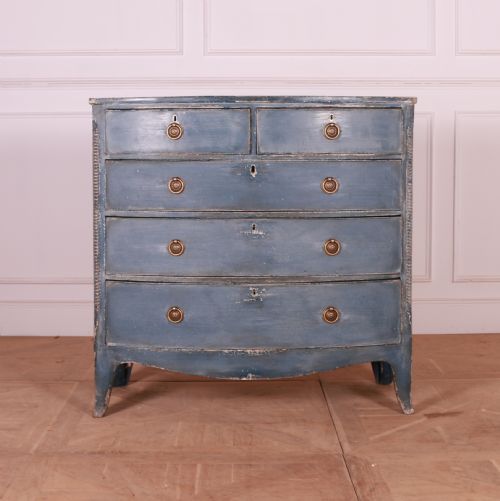

Georgian Pine Commode
A georgian pine commode brings honest country utility and warm timber grain into a modern interior.
Georgian Pine Commode
When you search for a georgian pine commode, you encounter utilitarian storage pieces shaped by English country and Georgian craftsmanship. The evidence on this page shows chests of drawers, cupboards, armchairs, and box commodes spanning the Georgian period through to the nineteenth century.
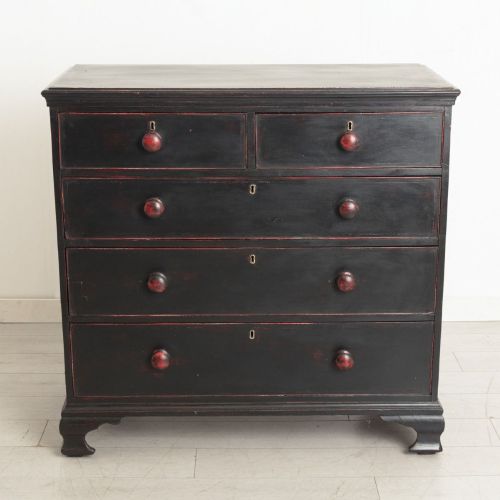
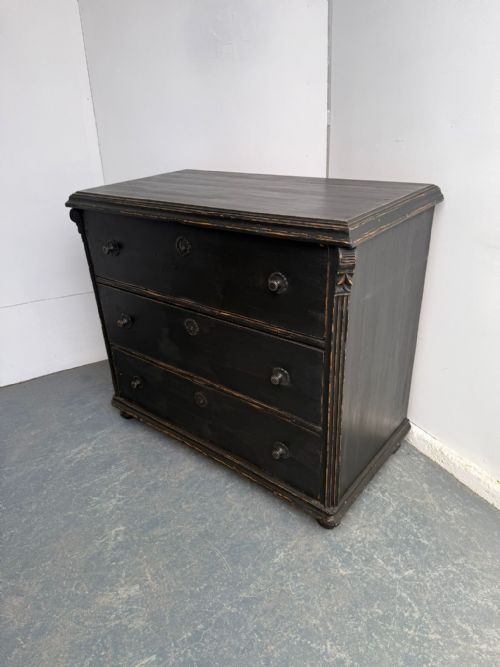
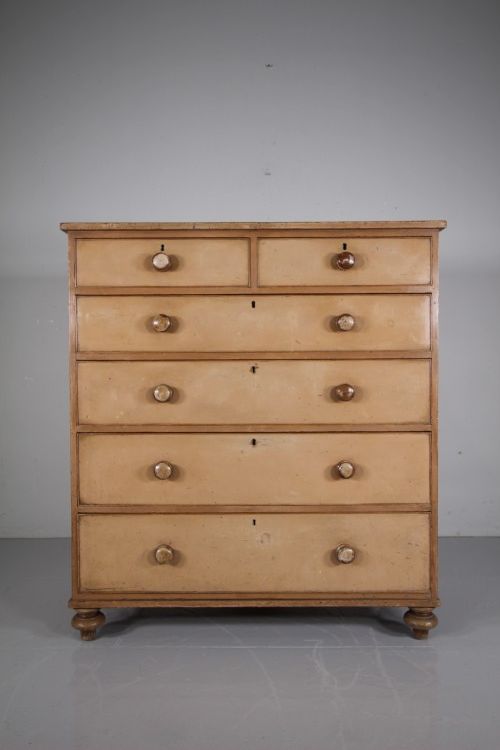
You are most likely to meet three-drawer chests of drawers and cupboards built from pine, often retaining original paint or wax finishes. Hungarian examples appear alongside English pieces, showing how regional makers adapted simple forms for domestic use.
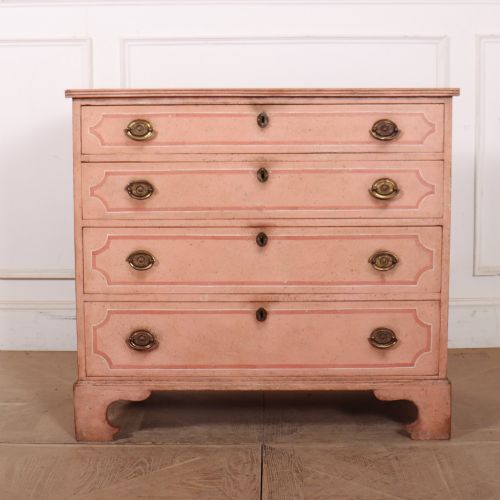
The materials recorded in these listings rely on solid pine construction supplemented by brass or metal hardware. Finishes range from clear wax to simulated painted wood, faux bamboo, and historic black paint.
How they were made
Makers constructed these pieces using solid pine boards joined to create sturdy carcases for daily household service. Surfaces received protective and decorative treatments including traditional wax polishing, historic paint, and simulated wood graining.
Functional hardware such as metal handles and brass pulls were fitted to drawers and doors to handle constant use. Details like bracket feet elevated the storage units from the floor while maintaining a balanced, proportioned silhouette.
Georgian Pine Commode Retail Price Guide 2026
Typical asking prices for georgian pine commode among the pieces listed under this phrase on Sellingantiques today, from the lower quarter to the upper quarter. They describe what is for sale here now, not the wider market.
One medieval-style armchair proves that someone circa seventeen hundred really wanted their seating to look medieval.
What varies in quality
The distinction between standard utility items and finer examples rests on the preservation of original surfaces like early paint or deep wax patination. Pieces retaining uncompromised historic finishes carry greater visual depth than stripped or heavily restored timber.
Proportion and construction detail also divide the range, with well-executed bracket feet and clean drawer alignments reflecting higher workshop standards. Regional character, such as Hungarian provenance or specific simulated paint techniques, further separates individual pieces.
The Georgian Pine Commode Glossary
- Pine
- A soft softwood widely utilised in country furniture making. It accepts paint and wax finishes readily.
- Commode
- A piece of furniture fulfilling storage needs, which historical records show applied to box forms. In this context it denotes enclosed domestic utility.
- Bracket foot
- A structural support foot shaped like a bracket, commonly found on the corners of Georgian case furniture. It lifts the base cleanly off the floor.
- Waxed
- A surface treatment where natural wax is buffed into the timber to protect the grain and build a soft sheen. It highlights the natural character of the pine.
- Faux bamboo
- A decorative treatment where wood is carved or painted to imitate the segmented stalks of bamboo. This style appeared during the early nineteenth century.
Georgian Pine Commode: Frequently Asked Questions
What is a pine commode?
A pine commode is a practical storage piece constructed from softwood during the Georgian era and subsequent nineteenth century. These items served everyday domestic functions in country settings.
They typically take the form of chests with drawers or enclosed boxes designed for household convenience. Their simple construction relies on honest timber work rather than elaborate court styling.
How do I identify a Georgian pine chest?
Identifying these pieces involves examining the timber construction, hardware, and structural feet like bracket supports. The evidence shows characteristic three-drawer and five-drawer configurations from the period.
Surfaces often display historic paint, simulated wood finishes, or traditional wax. Comparing these material details against documented examples helps confirm the era.
Where were these pieces made?
The pieces recorded originate from English workshops as well as Hungarian sources. Regional vernacular traditions shaped how local makers handled pine and applied surface decoration.
English country styles and primitive vernacular forms sit alongside continental examples. Each origin brings distinct regional traits to the timber and finish.
How do I care for waxed pine furniture?
Caring for waxed pine involves applying a quality natural wax periodically to maintain the protective finish on the soft timber. Avoid placing the wood in direct sunlight or near heat sources to prevent drying.
Gentle dusting with a soft cloth preserves the patina built up over centuries. Regular maintenance keeps the surface resilient against daily handling.