




Georgian Pewter Tableware
Georgian pewter tableware brings sturdy historic service to the table, offering classic plates, chargers, and tureens shaped by master metalworkers.
Georgian Pewter Tableware
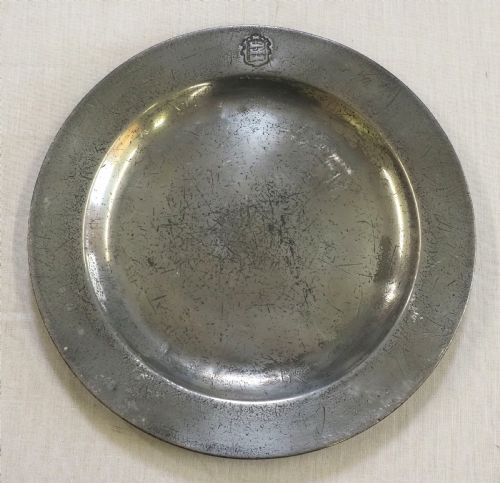
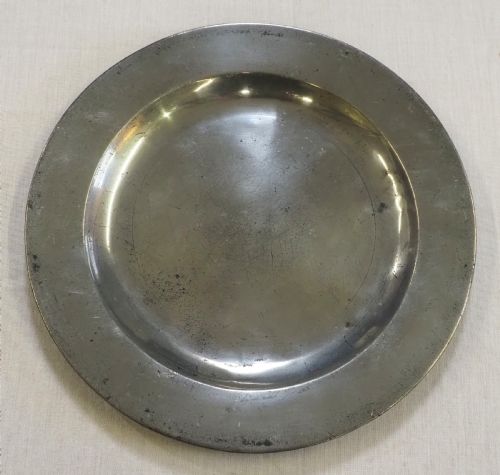
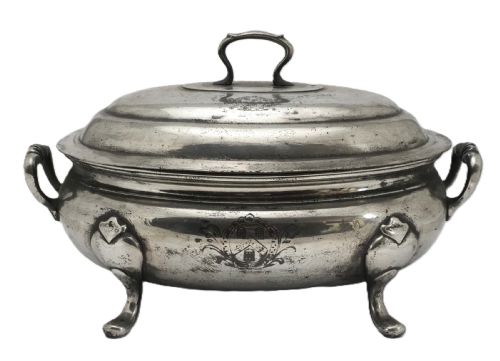
When you search for georgian pewter tableware, you encounter solid domestic and ceremonial vessels created primarily for dining and serving across the eighteenth and nineteenth centuries. The selection spans utilitarian plates, deep plates, large chargers, platters, tureens, and ladles.
You are most likely to meet circular plates and chargers featuring plain rims, alongside specialised serving pieces bearing maker touches or engraved heraldic crests. These items reflect the everyday and formal dining habits of past households.
The objects originate from English workshops operating during defined periods such as seventeen fifty, the eighteenth century, and the nineteenth century. Each piece carries the distinct weight and utilitarian purpose of its original era.
Materials and Making
These items are forged from pewter, a traditional metal alloy chosen for its workable properties and durable finish. Makers shaped the material into plates, chargers, and ladles designed for regular household use.
Individual pieces often display precise marks, engravings, or cast coats of arms applied by specialist craftsmen. Techniques included plain rim shaping and deep plate forming to create functional tableware.
Georgian Pewter Tableware Retail Price Guide 2026
Typical asking prices for georgian pewter tableware among the pieces listed under this phrase on Sellingantiques today, from the lower quarter to the upper quarter. They describe what is for sale here now, not the wider market.
Listings feature items spanning the eighteenth century, the nineteenth century, and specific years like seventeen fifty.
Assessing Quality and Character
Quality in these metal objects rests on the clarity of maker touches, the crispness of engraved coats of arms, and the preservation of the original form. Plain rim plates with distinct touchmarks demonstrate superior workshop standards.
The distinction between standard domestic items and finer pieces often lies in scale, such as very large chargers, or special commissions bearing the arms of historic institutions like the Worshipful Company of Pewterers.
William Wright·T & H Compton·Richard King·Wood & Michell·Thomas Alderson·Dixon & Son·Yates, Birch & Spooner
The Georgian Pewter Tableware Glossary
- Charger
- A large decorative or serving plate used in formal dining settings. These substantial dishes often form the centrepiece of a historic table setting.
- Tureen
- A deep covered bowl used for serving soups or stews at the table. Examples often feature engraved armorial details.
- Touchmark
- A stamp or hallmark applied by a pewterer to identify their workshop and guarantee metal standard. These marks help historians trace the origin of individual pieces.
- Plain rim
- A simple, unadorned border design found on many traditional plates and chargers. This style emphasises the clean metallic surface of the alloy.
Georgian Pewter Tableware: Frequently Asked Questions
How do I care for pewter?
Pewter requires gentle cleaning with mild soap and warm water, followed by immediate drying with a soft cloth to preserve the metal surface. Avoid harsh abrasives that might damage historic finishes.
Storing pieces in a stable environment prevents unnecessary tarnishing and maintains the integrity of the antique alloy.
Were these pieces used daily?
Many pewter items served as practical dining implements for everyday meals in Georgian homes before porcelain and ceramic wares became dominant. Plates and deep plates handled regular food service.
Larger chargers and tureens were reserved for communal dining and special household occasions.
How do I identify makers?
Makers are identified through touchmarks stamped directly into the pewter surface by the original workshop or foundry. These stamps often include initials, names, or town symbols.
Reference books and historical trade records help match these specific marks to known partnerships and individual craftsmen.