



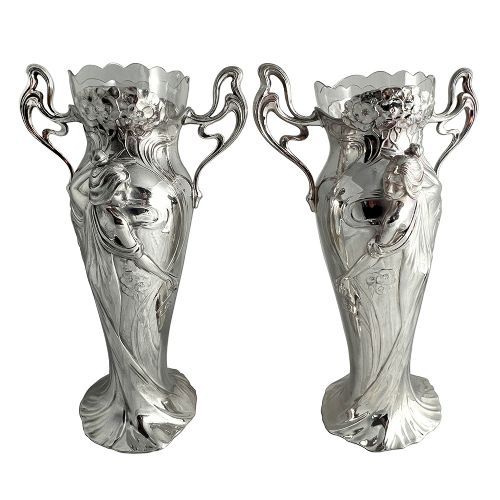
Antique Pewter Metalwork
Antique pewter metalwork encompasses centuries of utilitarian and decorative vessels, candlesticks and tableware valued for their subdued metallic lustre and historic form.
Antique Pewter Metalwork
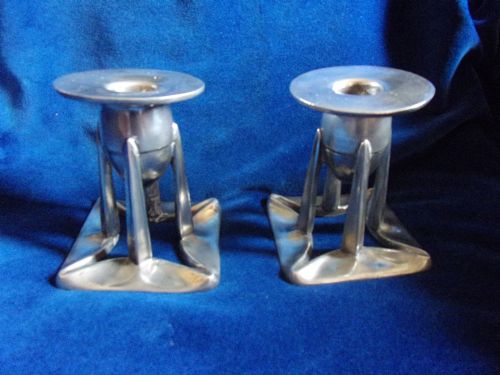
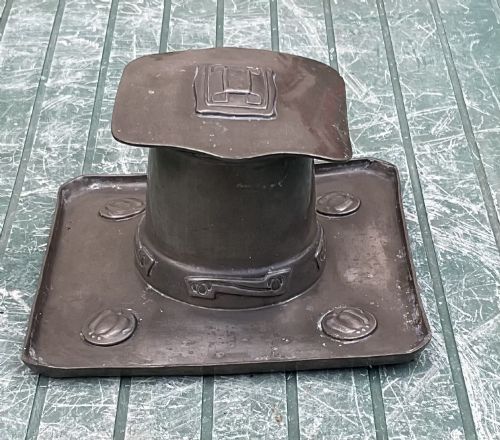
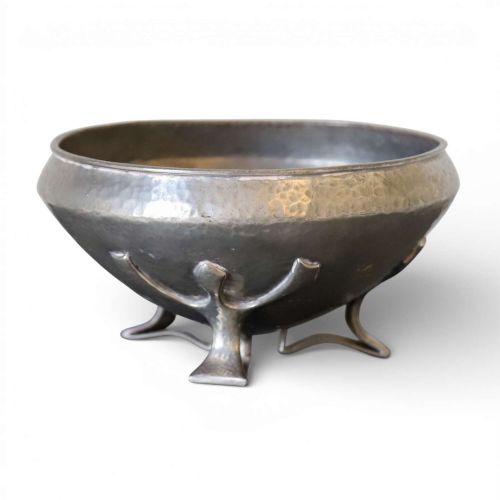
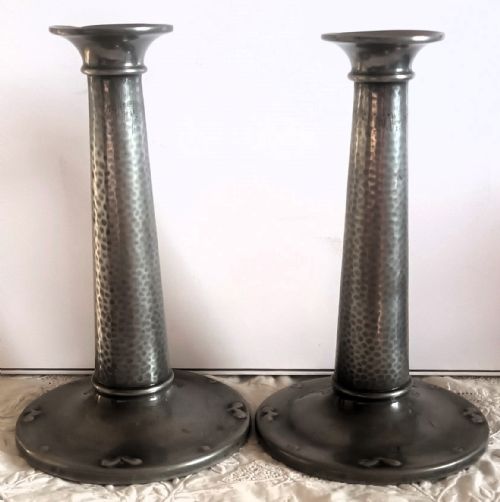
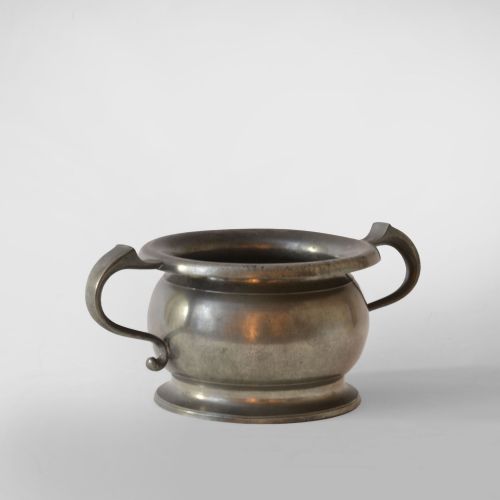
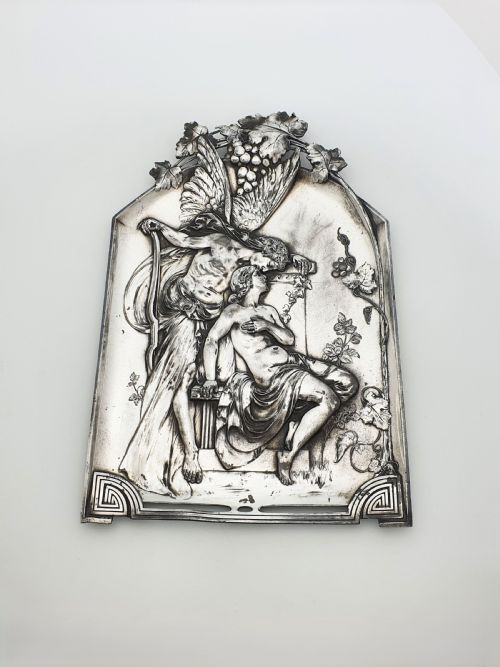
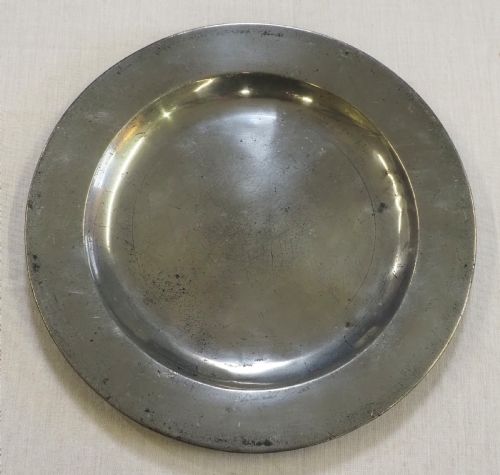
Antique pewter metalwork covers a diverse spectrum of domestic and decorative objects ranging from utilitarian vessels like plates, chargers, chamber pots and measures to ornamental tableware, candlesticks, bowls and wall plaques. When exploring antique pewter metalwork, one encounters functional items from the Georgian and 18th century alongside highly decorative Art Nouveau and Arts & Crafts designs.
The objects most frequently met on this page span the 18th, 19th and early 20th centuries, reflecting both plain domestic utility and sophisticated avant-garde design. British and European workshops dominate the selection, offering everything from heavy plain rim plates to complex figural centrepieces and candlesticks.
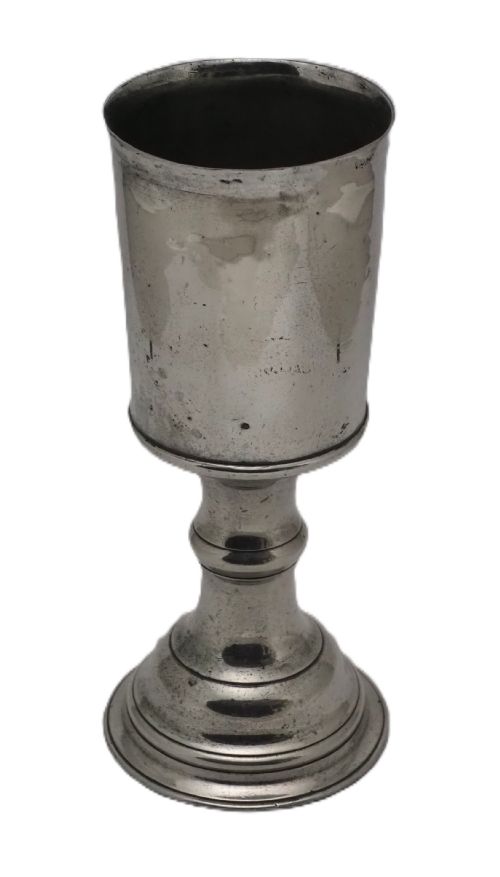
Forms vary from simple chalices, ladles and birthing bowls to elaborate Tudric and WMF tableware incorporating enamel, glass and silver plating. Each piece demonstrates how metalworkers adapted the alloy for both humble household tasks and artistic expression.
Materials and construction methods
The primary material is pewter, a malleable alloy traditionally composed of tin combined with copper, antimony or lead, which allowed makers to cast and shape intricate forms. Listings record variations including silvered pewter, Britannia metal, antimony and silver plate over base metal.
Manufacturing techniques relied heavily on casting into moulds, followed by hammering, turning on a lathe and soldering components together. Arts & Crafts and Art Nouveau pieces frequently integrated contrasting materials such as enamel cabochons, cameo glass and brass accents into the metal framework.
Surface finishing involved hand polishing, silver plating or applying silvered patinas to achieve the desired metallic sheen. Makers also utilised engraving and repoussé work to decorate plates, chargers, bowls and wall plaques with botanical and geometric motifs.
Current selections demonstrate a transition from utilitarian 18th century Georgian plates and measures to decorative Art Nouveau and Arts & Crafts metalwork.
Qualities that distinguish finer examples
Quality in antique pewter metalwork rests upon the crispness of the casting and the integrity of the original surface finish, distinguishing mass-produced commercial items from studio-led artistic pieces. The definition of moulded details, particularly in figural Art Nouveau or complex Arts & Crafts designs, indicates the skill of the maker.
The association of named designers and prominent metalworking firms elevates the standing of a piece, as seen in works attributed to designers like Archibald Knox and Oliver Baker or manufacturers such as Liberty & Co and WMF. The integration of supplementary materials, including high-grade enamel or cameo glass, adds substantial artistic merit to the metalwork.
Subtlety of form and proportion define the upper tier of domestic vessels, where traditional utilitarian items demonstrate balanced weight and careful hand-finishing. The preservation of touchmarks, maker stamps and original patination further establishes the authenticity and desirability of the work.
Archibald Knox·Liberty & Co·Oliver Baker·WMF·Richard King of London·W Scott of Edinburgh·Dixon & Son·Orivit
The Antique Pewter Metalwork Glossary
- Tudric
- A trade name used by Liberty & Co for a high-grade pewter alloy containing a higher proportion of silver. It was utilised extensively for Arts & Crafts tableware and decorative objects designed by figures like Archibald Knox.
- Britannia metal
- A specific type of tin-based alloy noted for its silvery appearance and ability to hold a bright polish. It was widely adopted by manufacturers such as WMF for producing Art Nouveau vessels and tableware.
- Touchmark
- An identifying stamp or hallmark impressed into pewter by the maker or guild to indicate standard and origin. These marks are crucial for attributing unmarked or standard domestic pieces.
- Tazza
- A shallow ornamental bowl or cup mounted on a stem and foot, used for display or serving. They appear frequently in silvered pewter and Britannia metal during the late 19th and early 20th centuries.
- Haystack measure
- A traditional Irish or English liquid measuring vessel characterised by its distinct bulbous lower body and tapering neck. These are collected in graduated sets for their sculptural silhouette.
Antique Pewter Metalwork: Frequently Asked Questions
What is antique pewter made of?
Pewter is a traditional metal alloy composed principally of tin, historically mixed with small quantities of copper, antimony or lead to improve durability and workability.
Over the centuries, the precise composition shifted, leading to specialised alloys like Britannia metal and Tudric pewter that accepted complex casting and plating methods.
How do I identify antique pewter marks?
Makers and pewterers stamped their products with touchmarks, which often include initials, symbols or town names indicating the workshop of origin.
Comparing these stamps against historical touchmark registers helps determine the exact region and era in which a vessel was produced.
Did people use pewter for dining?
Pewter served as the primary tableware material for everyday dining and hospitality before mass-produced ceramics and cheap glass became widely accessible.
Plates, chargers, chalices and ladles were standard fixtures in households, churches and inns across Britain and Europe.
How should I clean antique pewter?
Antique pewter generally requires minimal intervention to preserve the natural oxidised patina accumulated over centuries of age and handling.
Harsh metal polishes should be avoided; instead, gentle washing with mild soap and warm water followed by soft drying is sufficient for maintenance.
What is Tudric pewter?
Tudric was a brand name introduced by Liberty & Co to market high-grade pewter items during the Arts & Crafts movement.
These pieces are distinguished by their robust construction and distinctive designs inspired by Celtic and organic motifs, often created by prominent designers.