



Grey Metal Plates
Grey metal plates are substantial domestic vessels cast in pewter, offering centuries of utilitarian form and historic metalwork for the table.
Grey Metal Plates
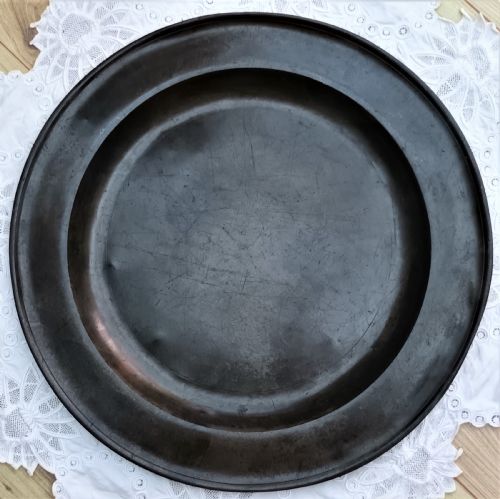
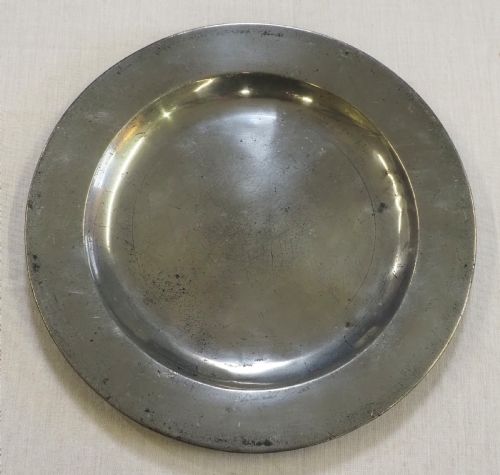
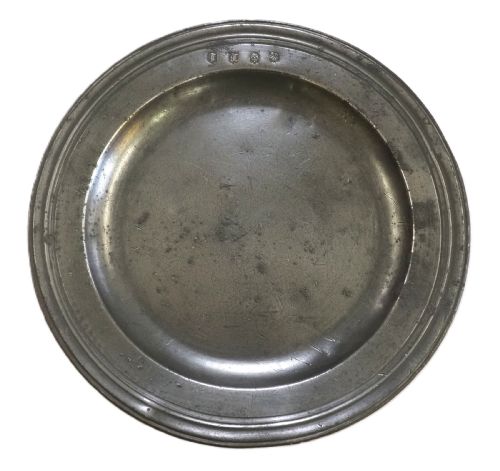
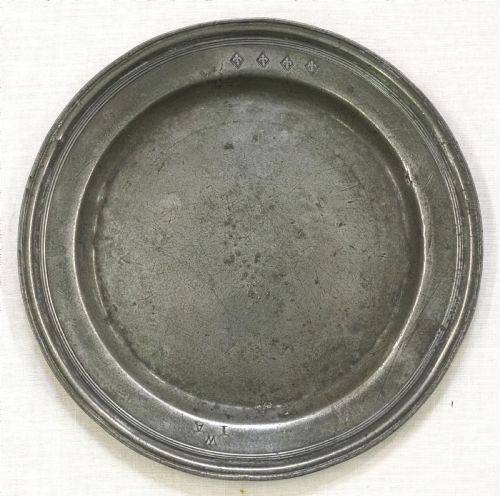
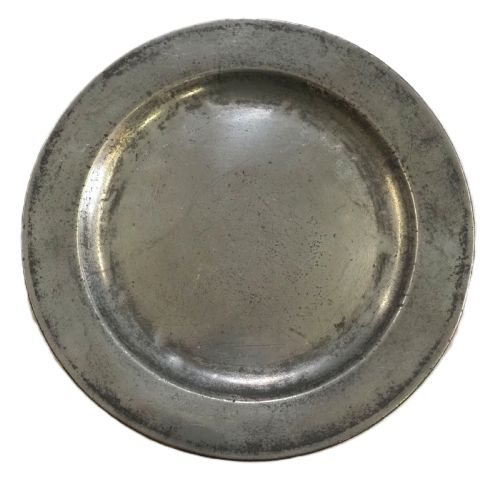
When searching for grey metal plates, buyers encounter utilitarian and ceremonial vessels cast in pewter across the seventeenth, eighteenth, and nineteenth centuries. These pieces appear as plain rim plates, deep dishes, and large chargers designed for dining or display.
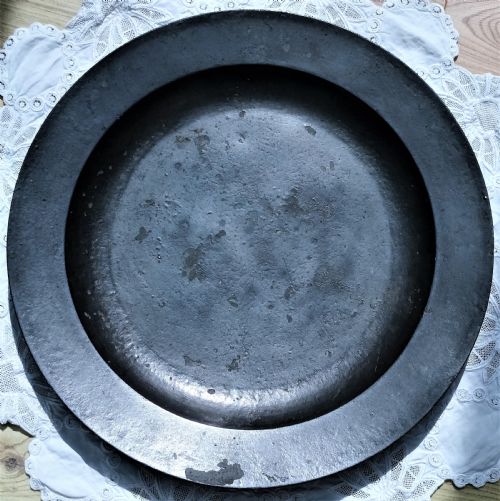
The selection ranges from early Charles II broad rim chargers to Georgian sets and later nineteenth-century factory productions. English makers dominate the forms, alongside European examples featuring wavy edges or commemorative decoration.
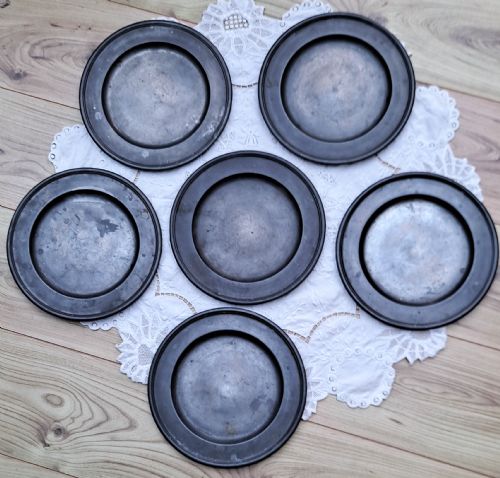
Forms vary from modest nine-inch plates to imposing chargers exceeding twenty inches in diameter. Buyers find single items, pairs, and matched sets sharing traditional metal composition.
Weight, rim definition and touchmarks
Quality rests in the gauge of the metal and the crispness of the rim profiles, where broader rims and deeper reeding indicate superior craftsmanship. Heavier gauge metal prevents warping and maintains the structural integrity of large chargers over centuries of handling.
Maker marks, touchmarks, and engraved family crests elevate individual pieces by documenting specific workshops and provenance. The preservation of original surface texture without excessive polishing distinguishes higher-grade examples.
Several heavy chargers bear personal family crests, turning ordinary dinnerware into centuries-old heirlooms.
John Duncomb·William Wright·Samuel Smith·T & H Compton·Richard King·John Tubb·Robert Moulins II·Humphrey Evans II·Thomas Alderson·Lawrence Dyer·Thomas Haward·Thomas Powell·Edward Leapidge I·Nehemiah Cloudesley·John Barlow·S Duncomb·Thomas Templeman·Yates Birch and Spooner
The Grey Metal Plates Glossary
- Charger
- A large ornamental or serving plate, typically exceeding sixteen inches in diameter. These substantial vessels often served as centrepieces on dining tables or sideboards.
- Broad rim
- A wide flat border surrounding the central well of a plate or charger. This style is particularly characteristic of seventeenth-century English pewter.
- Reeded
- A decorative moulding consisting of parallel rounded parallel bands on the rim. Multiple reeded plates feature several of these concentric raised lines.
- Touchmark
- An official stamp impressed into the metal by a maker or guild member to certify quality and origin. These marks help identify specific workshops and working dates.
Grey Metal Plates: Frequently Asked Questions
How were grey metal plates used?
These vessels served everyday dining functions in households, holding meat, fish, or liquid courses before ceramic alternatives became dominant. Large chargers doubled as display pieces on sideboards to signal household status.
Over time, many migrated from dining tables to decorative wall hanging or collection display, preserved for their metallic sheen and historical association.
How do I identify seventeenth-century pieces?
Early pieces from the seventeenth century often feature exceptionally broad rims and heavy metal gauges designed for formal dining. Stylistic markers include multiple reeded borders and hammer marks left by the maker across the surface.
Maker touchmarks stamped directly into the pewter help narrow down the production decade. Comparing rim widths provides further clues to dating.
Can I use antique pewter plates for food?
Historic pewter often contains lead alongside tin, meaning older plates are generally unsuited for modern food consumption, particularly acidic items. Most buyers choose to display these vessels rather than use them for dining.
Gentle cleaning without harsh abrasives preserves the soft grey patina developed over centuries. Display stands allow safe enjoyment of the historic metalwork.
What causes the different rim styles?
Rim styles evolved according to fashion and structural necessity across the centuries, shifting from plain surfaces to complex reeded mouldings. Broad rims on seventeenth-century chargers provided balance and space for engraved crests.
Later nineteenth-century plates often featured simpler plain rims or wavy edges reflecting European taste. Each profile corresponds to the prevailing metalworking standards of its period.