



Pewter Metal Charger
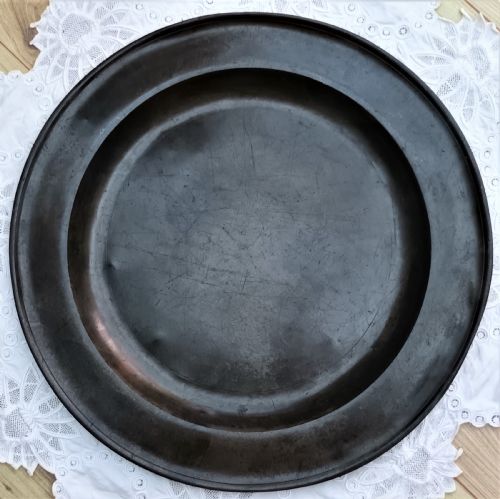
Pewter metal charger vessels are substantial circular dining and display plates forged from tin alloys during the seventeenth, eighteenth, and nineteenth centuries.
Pewter Metal Charger
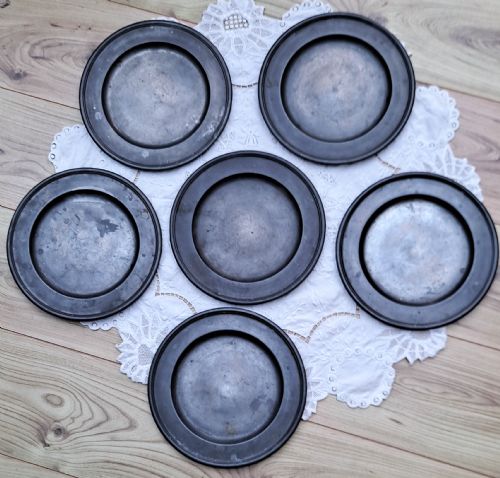
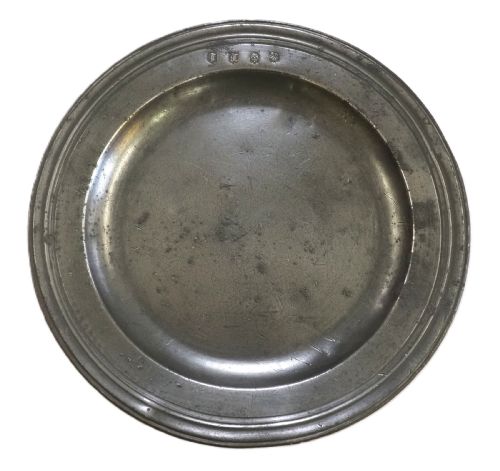
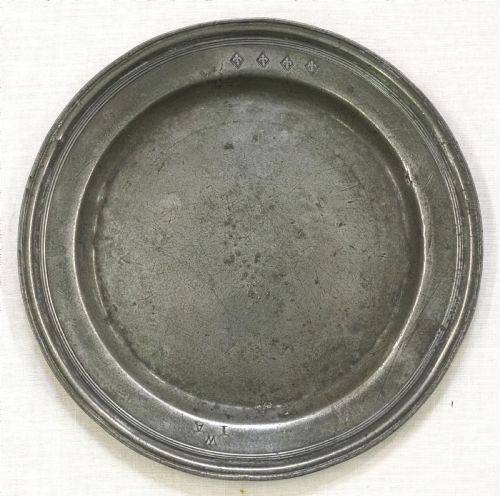
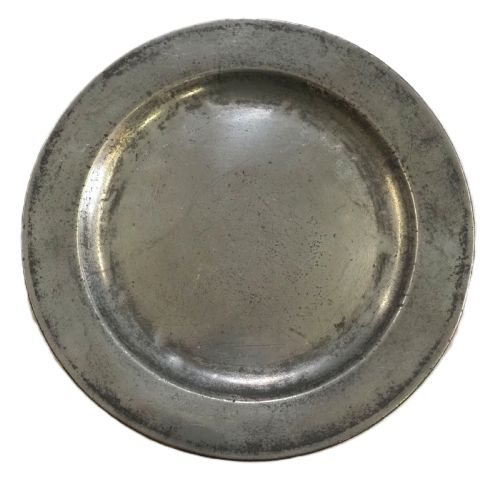
A pewter metal charger is a large circular serving dish or formal plate, appearing across this selection in diameters exceeding twenty inches alongside smaller companion plates and dishes. These objects date primarily from the seventeenth and eighteenth centuries, bearing the simple forms and broad rims characteristic of English domestic and ceremonial dining.
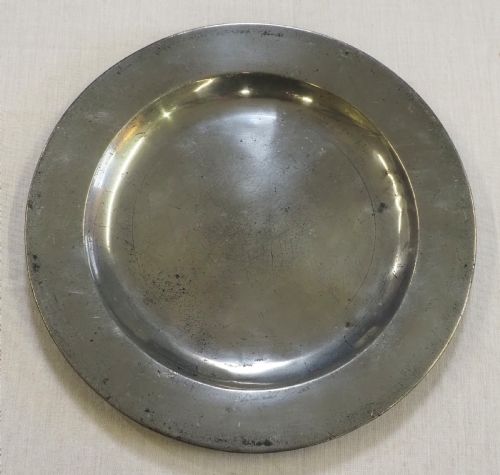
The inventory ranges from early broad rim chargers of the Charles II period through Georgian plain rim dishes to later nineteenth century examples by makers such as T & H Compton. Collectors encounter forms featuring triple reeded borders, incised lines, and hammered surfaces alongside specialised pieces like toilet basins and commemorative plates.
English examples dominate the selection, supplemented by European pieces including wavy edge plates and continental styles such as Louis XVI commemoratives. Most items display the maker touches, touchmarks, and ownership crests struck directly into the metal during production.
How they were made
These vessels are cast from pewter, an alloy consisting predominantly of tin combined with lead, copper, or antimony to achieve the required rigidity and weight. Craftsmen poured the molten metal into open moulds before finishing the surface on a lathe and hammering the plates by hand.
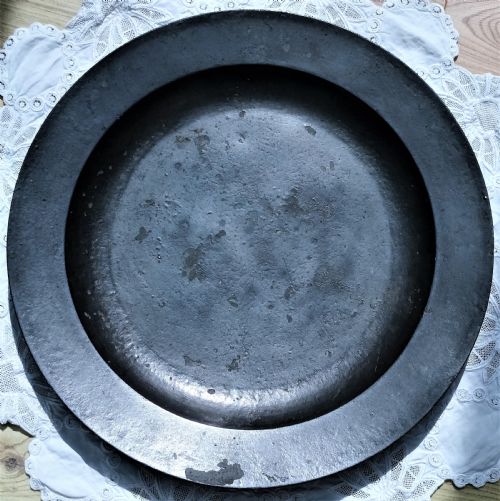
Makers shaped the rims through specialised turning and reeding techniques, applying single, double, or triple concentric rings to the border of the plate. Hammering all over the surface provided structural strength and worked the metal into its final shallow curve.
Listings feature items spanning the 17th, 18th, and 19th centuries, executed in pewter with plain, reeded, and broad rim forms.
What varies in quality
Quality in a pewter metal charger rests upon the crispness of the maker touchmark, the thickness of the original metal, and the preservation of the surface texture. Plates that retain their heavy gauge weight and show deliberate, even hammering command greater attention.
The width of the rim and the complexity of the reeding also define the standard of the piece, with seventeenth century broad rim formats showing particular sculptural presence. Survival of original family crests, clear hallmarks, and minimal wear to the soft metal elevate individual examples.
John Duncomb·William Wright·Samuel Smith·T & H Compton·Richard King·John Tubb·Robert Moulins II·Humphrey Evans II·Thomas Alderson·Lawrence Dyer·Thomas Haward·Thomas Powell·Edward Leapidge I·Nehemiah Cloudesley·John Barlow·Thomas Templeman·S Duncomb·Yates Birch and Spooner·Richard Chambers
The Pewter Metal Charger Glossary
- Charger
- A large circular plate or dish used historically for serving meat at communal tables or placed beneath smaller course plates. These oversized vessels often measure over sixteen inches across.
- Touchmark
- The stamped signature or personal trademark of the pewterer, struck into the metal to certify quality and workshop origin. These marks help historians date individual pieces precisely.
- Reeded
- A decorative border pattern formed of parallel raised rings or mouldings around the rim of a plate. Examples include single, double, or triple reeding.
- Broad rim
- A wide flat border characteristic of seventeenth century plates, providing substantial space for engraved armorial bearings or ownership initials. This proportion shifts to narrower rims in later periods.
- Hammered
- A surface finish produced by striking the metal with a small round-headed hammer to harden the alloy and create a dimpled texture. This technique appears on high status chargers.
Pewter Metal Charger: Frequently Asked Questions
What is a pewter metal charger?
A pewter metal charger is a large circular plate cast from a tin alloy, used historically for serving food or as a base beneath other dishes.
These pieces served functional roles in wealthy households before evolving into decorative wall plates and display items.
Can I use antique pewter for dining?
Historic pewter often contains lead and shows centuries of wear, making modern food use inadvisable.
These chargers are best preserved as decorative objects, wall displays, or collection pieces rather than tableware.
How should I clean antique pewter?
Old pewter develops a dark natural patina that protects the metal and signals its age.
Owners should avoid aggressive metal polishes and instead rely on gentle dusting with a soft dry cloth to maintain the surface.