
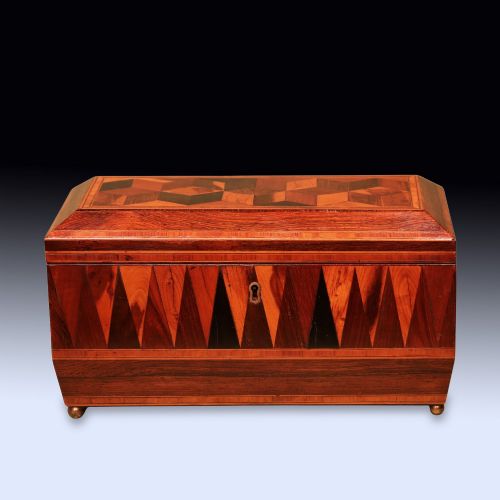
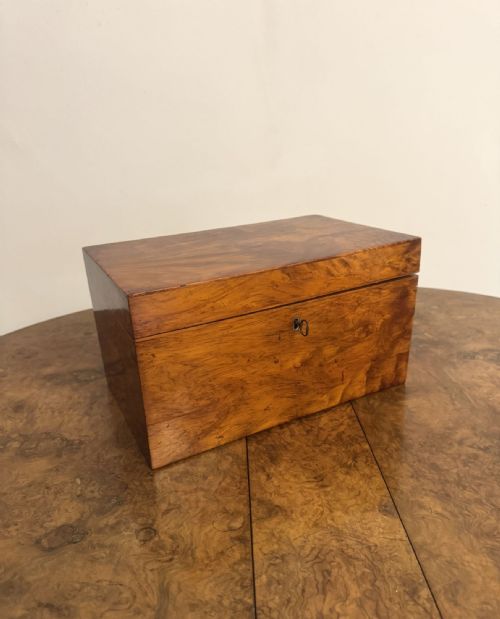


Georgian Period Tea Caddy
A georgian period tea caddy is a timber or shell vessel made to secure precious leaves, offering collectors a tactile link to eighteenth and nineteenth-century drawing rooms.
Georgian Period Tea Caddy
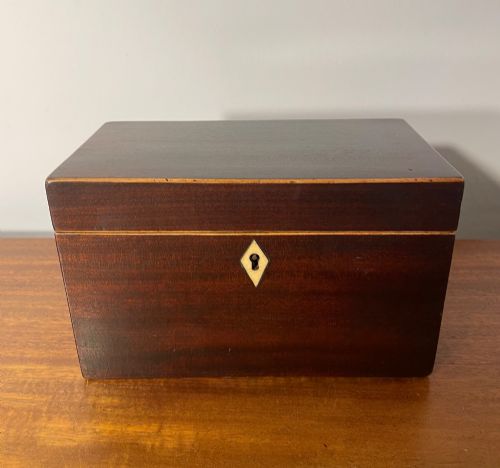
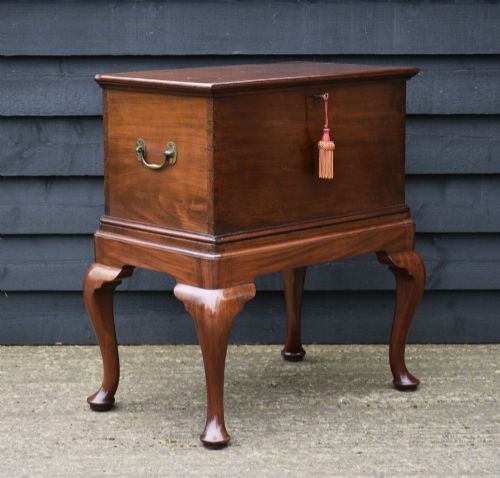
A georgian period tea caddy takes various shapes, from simple mahogany boxes to octagonal tortoiseshell chests and tall walnut teapoys standing on pillars. The pieces appearing here span the eighteenth and nineteenth centuries, taking in the George III, Regency and William IV eras.
Makers fashioned these boxes as single canisters, double lidded compartments or fitted chests complete with internal mixing bowls and glass jars. Buyers meet both modest wood boxes and elaborate specimens decorated with brass inlay or mother of pearl.
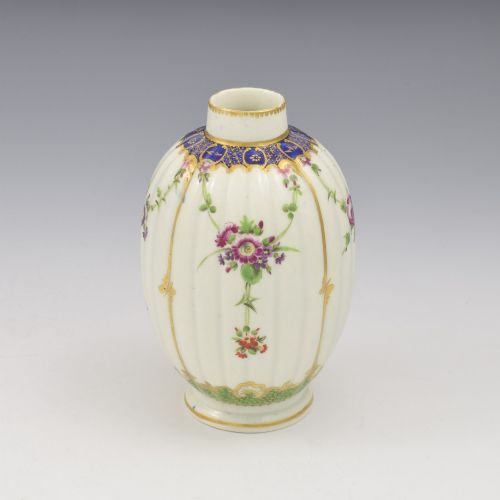
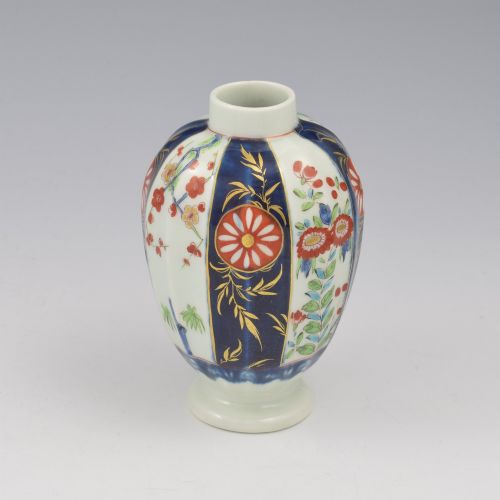
The materials range from native timbers like mahogany and satinwood to exotic rosewood, tortoiseshell and porcelain canisters from Worcester. Some examples take the form of miniature work boxes or penwork chests rather than standard tea containers.
Materials and construction
Cabinetmakers constructed these caddies using dense hardwoods such as mahogany, rosewood and satinwood, frequently embellishing surfaces with ebony stringing, parquetry or intricate marquetry. Skilled hands applied delicate penwork and set brass inlay into the timber lids and fronts.
Tortoiseshell examples required translucent plates applied over coloured foils to achieve their characteristic mottled depth, often shaped into bowed fronts or decagonal bodies. Porcelain canisters from Worcester utilised painted blue and white or polychrome glazes fired in kilns during the eighteenth century.
Some miniature tortoiseshell caddies were made so small they could barely hold a single afternoon's worth of leaves.
Judging the work
Quality rests upon the selection of timber veneers, the precision of the brass or wood inlay, and the survival of the original internal fittings and lids. Superior boxes display crisp joins and thoughtful grain matching across every surface.
The presence of specialised decorative techniques like penwork or marquetry elevates a piece beyond a plain storage box, while complete interiors with functioning locks and mixing bowls mark the finest examples.
George Wintle·Dr Wall
The Georgian Period Tea Caddy Glossary
- Teapoy
- A tall tea caddy mounted on a central pillar with legs, or a small table designed specifically for holding tea containers. These pieces often feature interior compartments for sugar and blending.
- Penwork
- A decorative technique using fine ink lines drawn onto a light wood background, often depicting classical scenes or floral motifs. Artisans finished these designs with protective varnishes.
- Marquetry
- The art of forming decorative patterns by fitting together thin slices of various coloured woods and veneers. Craftsmen applied these intricate pictures to the lids and panels of fine boxes.
- Parquetry
- A geometric mosaic of wood pieces used for surface decoration on boxes and caddies. This technique creates repeating patterns of cubes, triangles or diagonal stripes.
- Canister
- A small vessel designed to hold dry tea leaves inside a larger caddy or chest. Porcelain versions from Worcester often featured fluted bodies and painted blue and white decoration.
Georgian Period Tea Caddy: Frequently Asked Questions
What were tea caddies used for?
These vessels stored expensive black and green tea leaves when tea was a luxury commodity strictly controlled by the head of the household. The locked lids kept servants from pilfering the valuable leaves.
Many caddies contained multiple internal compartments to separate different tea varieties, alongside a central glass bowl used for blending leaves before brewing.
How do I tell a George III caddy from a Regency one?
George III pieces frequently showcase straight lines, fine mahogany veneers and restrained satinwood stringing that reflect classical proportions. The craftsmanship emphasises structural timber and subtle stringing.
Regency examples often embrace bolder materials like rosewood, tortoiseshell, and brass inlay, alongside curved bow-fronts and exotic woods such as calamander or thuya.
Did these boxes always hold tea?
While manufactured primarily for tea storage, many surviving boxes were later adapted into sewing chests, writing boxes or general trinket containers as fashions changed. Some examples left the maker's workshop equipped as multi-use work boxes.
Collectors today find pieces fitted with pin cushions, compartments for thread, and internal mirrors that indicate secondary uses.
How should I care for an antique wood caddy?
Keep wooden and tortoiseshell boxes away from direct sunlight and sudden humidity changes to prevent the delicate veneers and brass inlays from lifting. Maintain a stable indoor climate to protect the aged glues and timbers.
Apply a microcrystalline wax sparingly when the wood appears dry, avoiding harsh modern cleaners that strip the historic finish.