

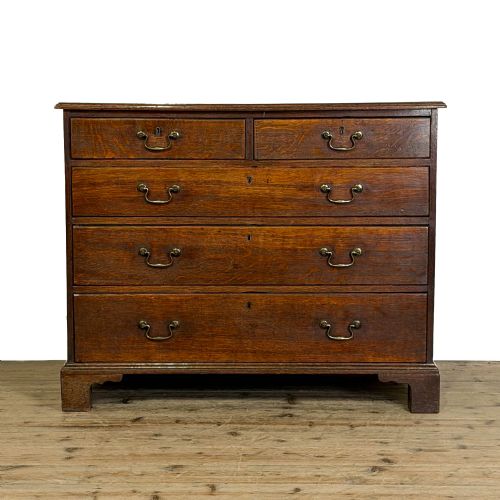
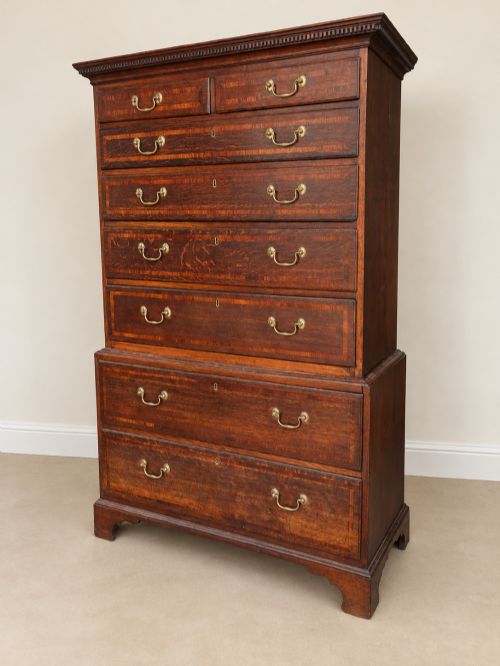
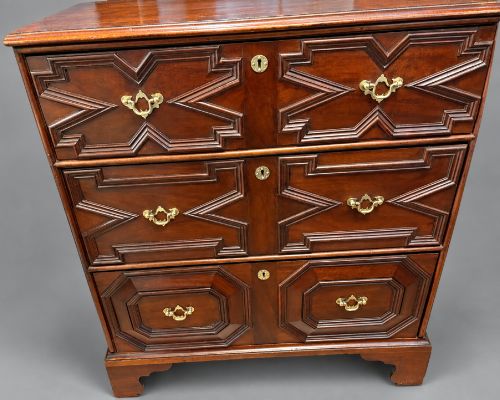
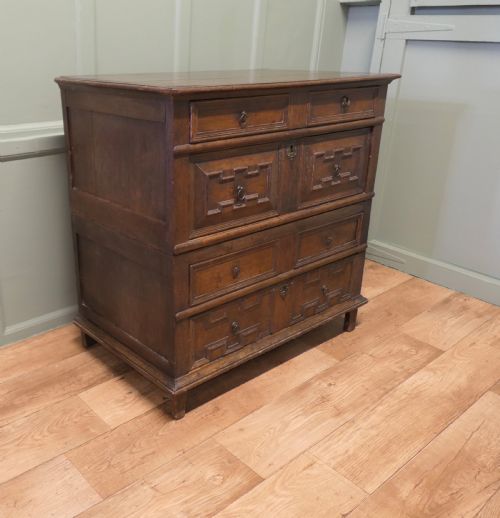
Georgian Period Oak Chest
A georgian period oak chest offers robust storage built from sturdy timber, bringing time-worn character and practical utility into a room.
Georgian Period Oak Chest
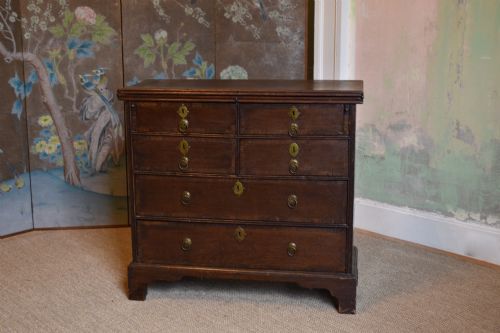
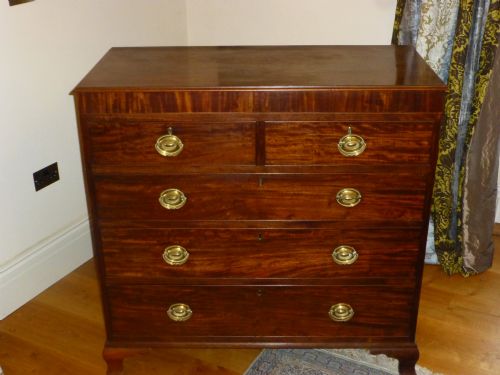
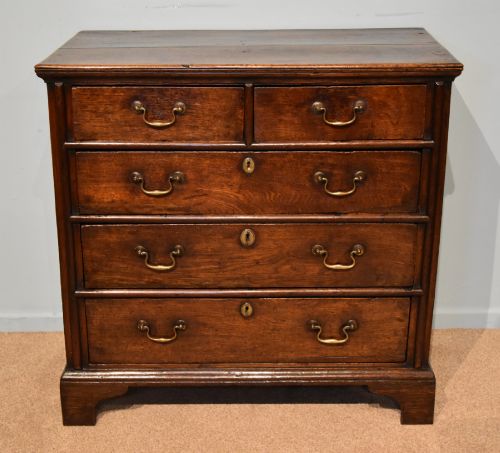
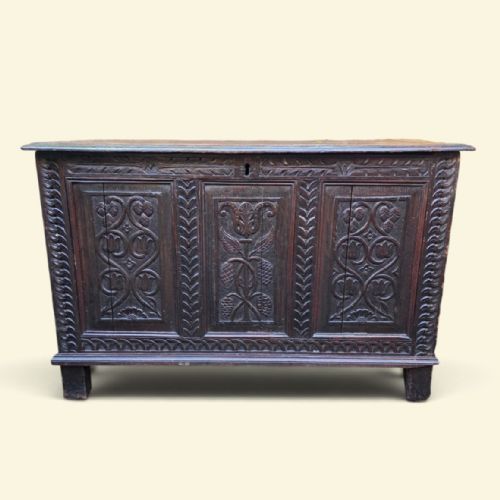
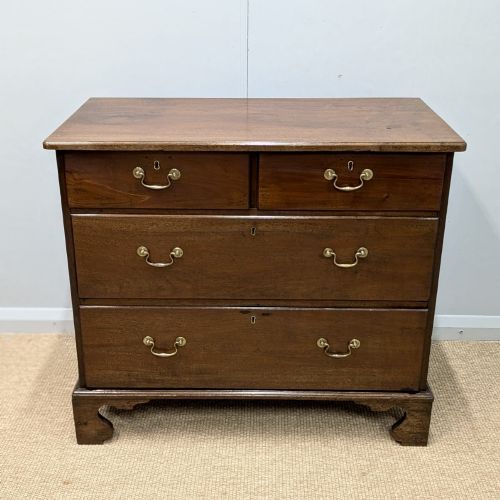
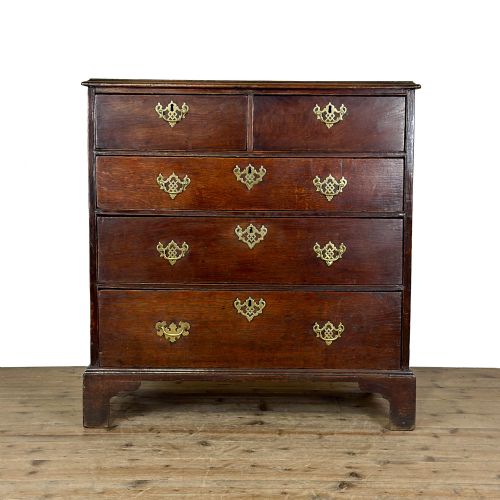
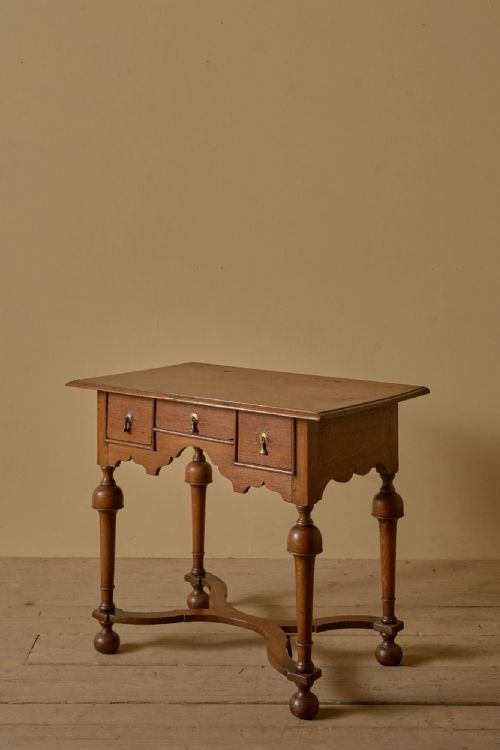
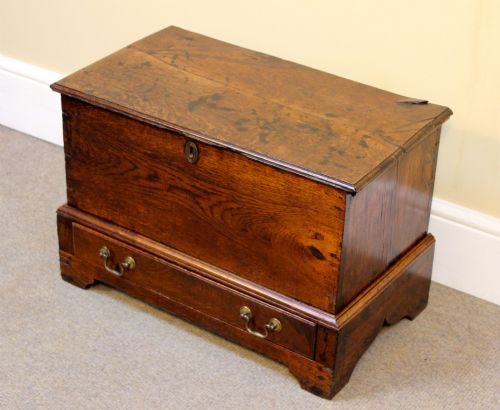
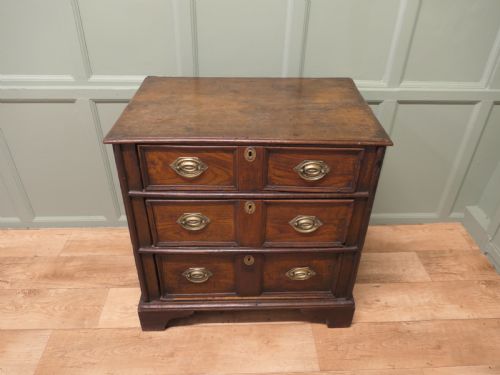
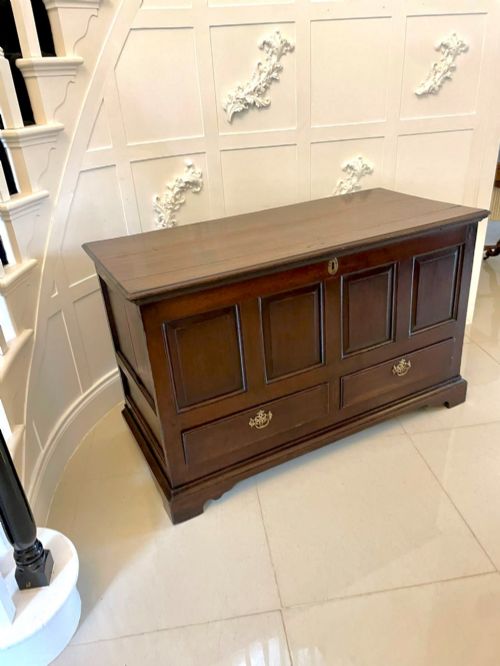
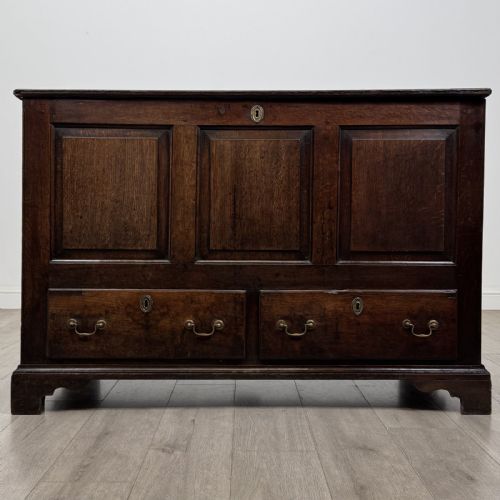
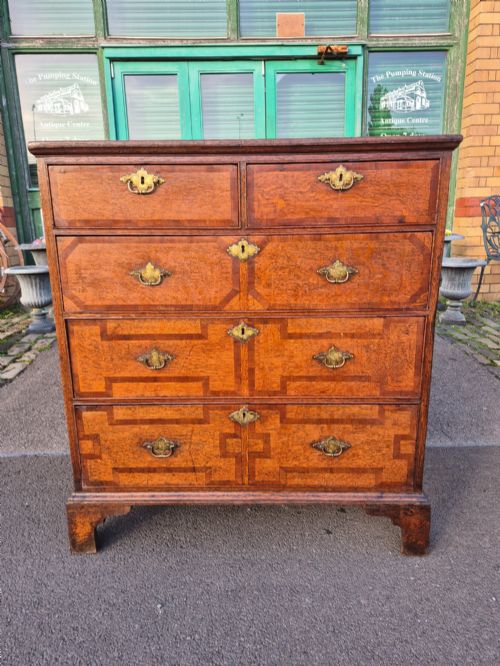
A georgian period oak chest encompasses traditional storage items including chests of drawers, mule chests, coffers, and chests on stand dating from the eighteenth century. These pieces originate primarily from domestic country workshops and British households, reflecting utilitarian needs of the period.
Materials and construction
Joiners built these items using native timbers, predominantly oak combined with elm, walnut, and occasional pollard oak veneers. Panels sit within grooved frames to accommodate natural wood movement in response to humidity changes.
Makers utilised traditional hand-cut joints such as dovetails for drawer construction and mortise and tenon joints for structural frames. Iron hinges, brass escutcheons, and drawer pulls secure the operational elements of each cabinet.
Georgian Period Oak Chest Retail Price Guide 2026
Typical asking prices for georgian period oak chest among the pieces listed under this phrase on Sellingantiques today, from the lower quarter to the upper quarter. They describe what is for sale here now, not the wider market.
Storage forms span traditional coffers, mule chests, spice cupboards, and chests of drawers.
Judging the range
Quality depends on the crispness of hand-carved mouldings, the tightness of structural joints, and the integrity of the timber surfaces. Pieces retaining original brass hardware and untouched surface patination sit at the upper end of the scale.
Proportion and scale dictate desirability, with smaller bachelor chests and tallboys commanding greater attention than standard utilitarian storage boxes. The presence of secondary woods like walnut cross-banding or geometric mouldings elevates the sophistication of the joinery.
The Georgian Period Oak Chest Glossary
- Coffer
- A large wooden storage chest with a hinged lid, often constructed with heavy planking and front panels.
- Mule chest
- A storage chest featuring one or more drawers built beneath the main lifting compartment.
- Chest on stand
- A cabinet or chest raised upon a separate supporting frame with legs, elevating the main storage volume.
- Dovetail
- A joint formed by interlocking wedge-shaped fingers, commonly utilised to join drawer sides to drawer fronts.
- Patina
- The surface sheen and colour developed across timber over centuries through handling, light exposure, and polishing.
Georgian Period Oak Chest: Frequently Asked Questions
How do I identify a Georgian oak chest?
Examine the timber grain, drawer construction, and structural hardware to determine age and origin. Early pieces display hand-cut dovetails and pegged frame joints rather than modern mechanical fasteners.
Look for regional characteristics such as panelled sides and brass drop handles that typify eighteenth-century British cabinet-making methods.
What is the difference between a coffer and a mule chest?
A coffer functions strictly as a chest accessed via a lifting lid at the top. It provides simple, deep storage for textiles and household goods.
A mule chest incorporates one or more functional drawers beneath the main compartment, offering easier access to stored items without lifting the top lid.
Where should I place an oak chest at home?
Position these heavy storage items against stable interior walls away from direct heat sources and strong sunlight. Fluctuations in temperature can cause historic oak timbers to split or warp.
Bedrooms, hallways, and living rooms accommodate chests and coffers well, providing both display surfaces and functional storage capacity.
How do I care for antique oak furniture?
Maintain the timber by dusting regularly with a soft, dry cloth and applying occasional quality beeswax to nourish the dry wood. Avoid silicon-based polishes that build up sticky residues over time.
Keep indoor humidity levels stable to protect the historic joints and prevent the timber from drying out excessively.