
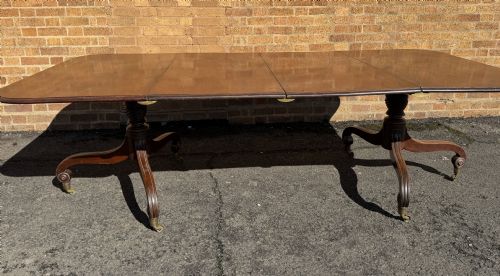
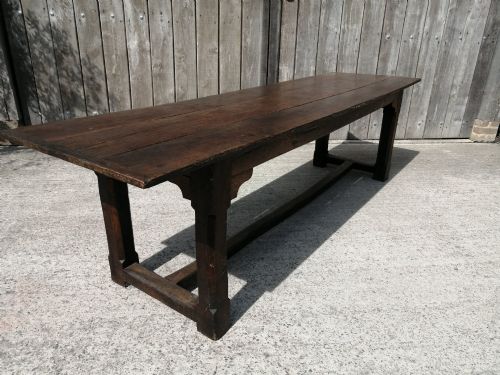
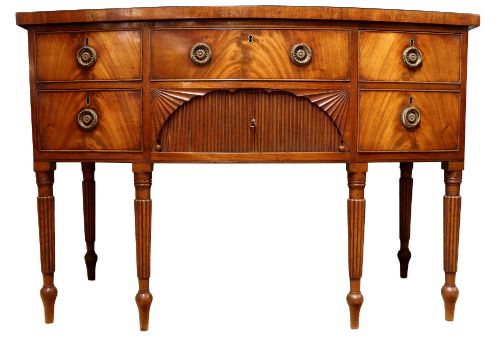
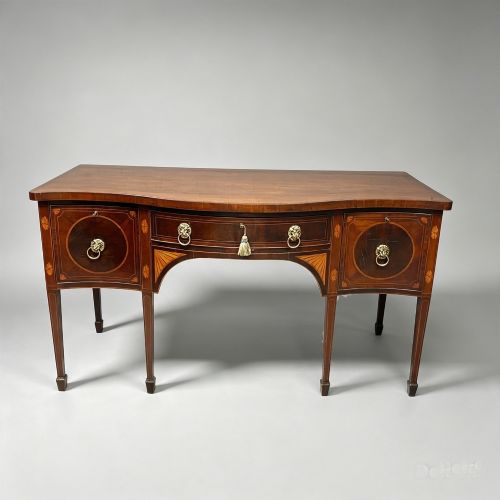
Georgian Period Dining Table
A georgian period dining table brings architectural proportion and rich timber to the room, built for long evenings and daily gatherings.
Georgian Period Dining Table
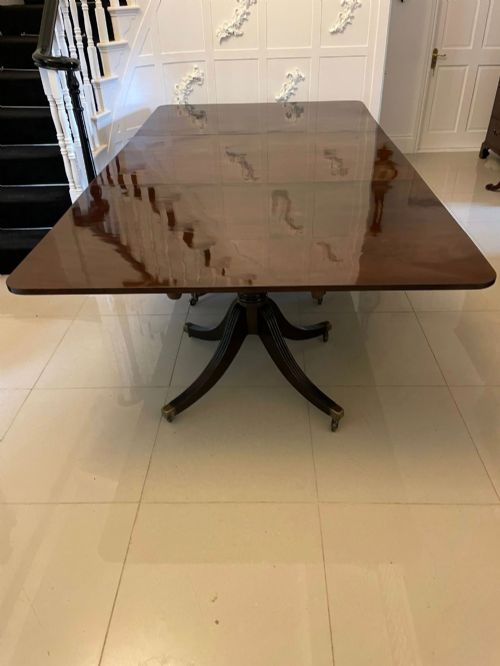
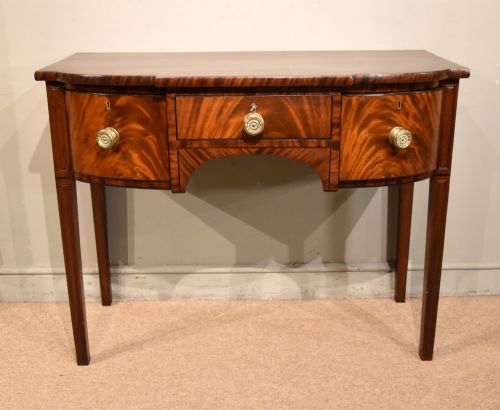
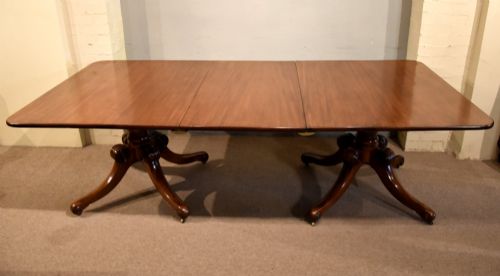
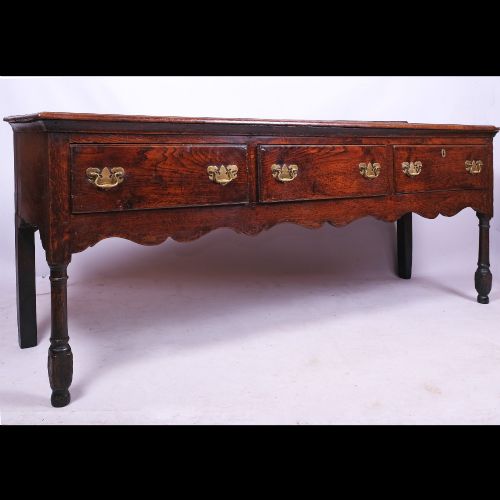
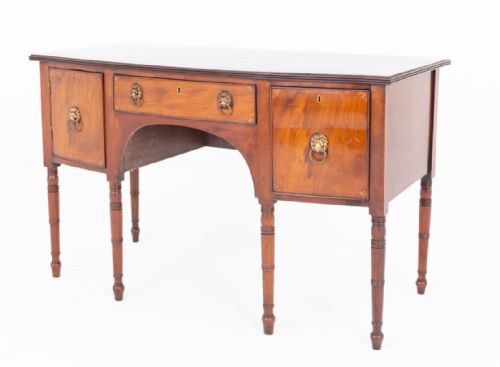
When searching for a georgian period dining table, a buyer encounters substantial timber furniture spanning the eighteenth and early nineteenth centuries. The selection includes multi-pillar formats, drop-leaf variants, and refectory designs originating from the Georgian, Regency, and Queen Anne eras.
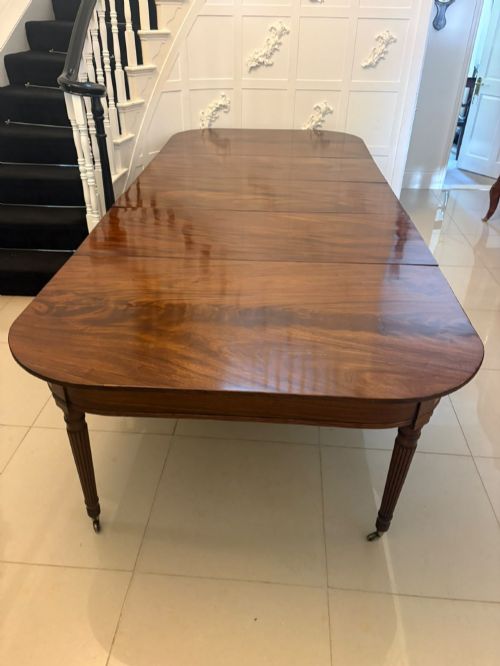
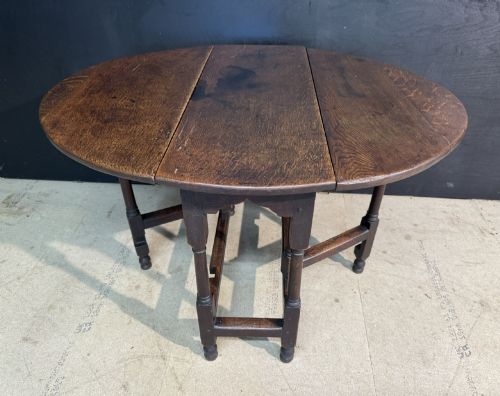
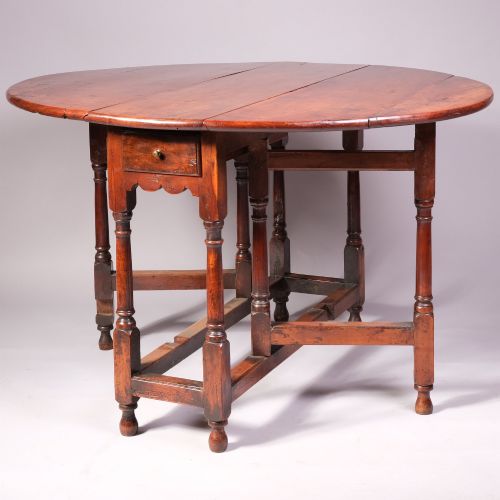
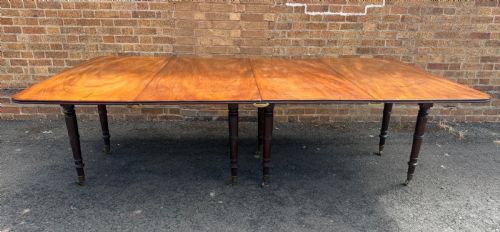
The version most commonly met on this page is the mahogany pillar dining table, frequently featuring two or three pedestals designed for versatility. Alongside these stand gateleg and refectory forms constructed from oak and elm.
These pieces served as the centrepiece for dining rooms in large houses and country residences. Their enduring appeal lies in practical scale combined with restrained design.
How they were made
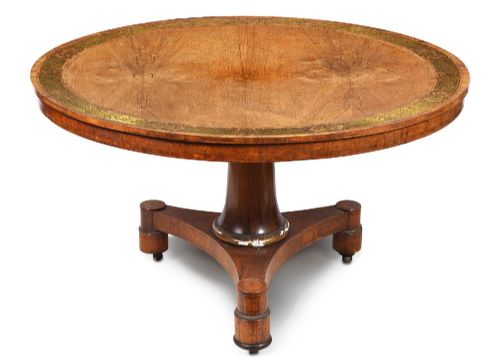
Cabinet makers relied primarily on solid mahogany, oak, and elm, often enhancing surfaces with flame mahogany veneer or satinwood banding. Brass inlays and iron fittings appear on select tables and serving pieces.
Construction techniques involved sturdy joinery such as gatelegs, turned baluster legs, and heavy pillar pedestals designed to support substantial timber tops. Timber was selected for grain pattern and depth of colour before hand-polishing.
Dumb waiters provided midnight snacks without waking the servants.
What varies in quality
Quality rests in the selection of the timber, particularly the choice of Cuban mahogany or figured veneers, and the crispness of the turning on pedestals and legs. Finer examples display harmonious proportions and thoughtful integration of brass or satinwood details.
The engineering of extending mechanisms and pillar supports separates standard production from superior cabinet work. A well-constructed table maintains stability and smooth operation across multiple sections.
James Mein·Gillows
The Georgian Period Dining Table Glossary
- Twin-pillar
- A dining table construction utilising two distinct pedestals to support a large top. This format allows greater legroom for diners.
- Gateleg
- A table with hinged leaves supported by swing-out legs. It folds compactly when not in use.
- Refectory table
- A long, narrow dining table traditionally used for communal dining. These pieces feature substantial timber plank tops and robust underframes.
- Satinwood banding
- A decorative inlay using contrasting light-coloured satinwood veneers around the edge of a tabletop or sideboard. It adds visual definition to the darker mahogany ground.
Georgian Period Dining Table: Frequently Asked Questions
How do I seat six people?
Many drop-leaf and multi-pillar tables adjust in length to accommodate guests comfortably. Extending versions utilise removable leaves to expand the surface area.
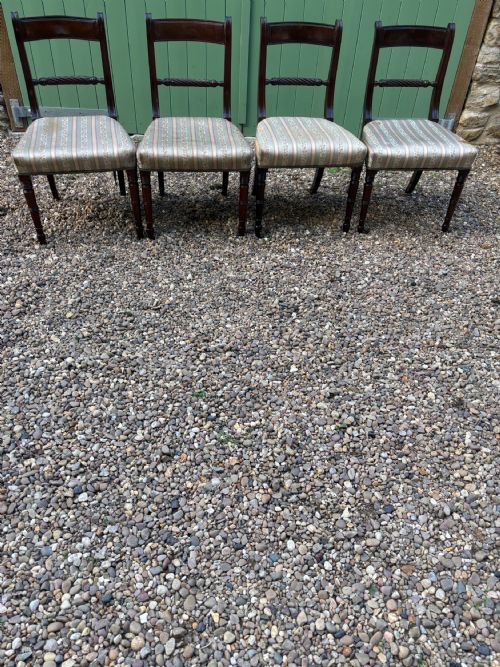
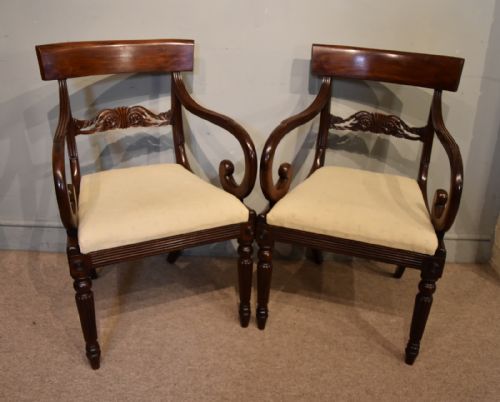
Matching chairs from the same period complete the arrangement while maintaining proper clearance around the base.
Are these tables good for daily use?
Solid mahogany and oak construction provides the durability required for everyday meals. Regular polishing protects the timber from daily wear.
Using heat-resistant mats preserves the historic polish against hot dishes and moisture.
What is the difference between Georgian and Regency?
Georgian furniture generally displays classical proportions and substantial timber construction influenced by Palladian architecture. Regency design introduces leaner silhouettes and classical revival motifs.
Mahogany remains the dominant timber across both periods, though rosewood and satinwood see wider use in the later Regency era.
How do I care for antique mahogany?
Apply natural beeswax periodically to nourish the timber and maintain a soft lustre. Avoid placing the table in direct sunlight or near heat sources.
Immediate wiping of spills prevents moisture marks from penetrating the historic finish.