
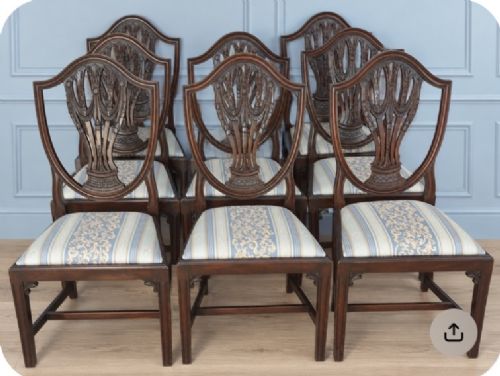
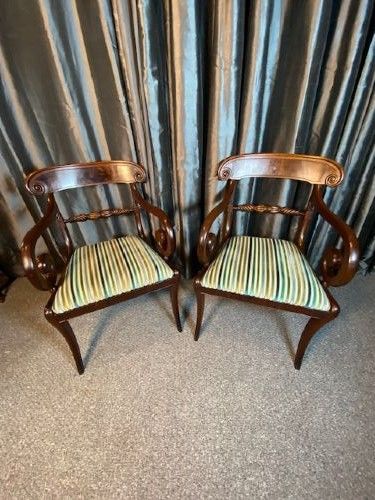
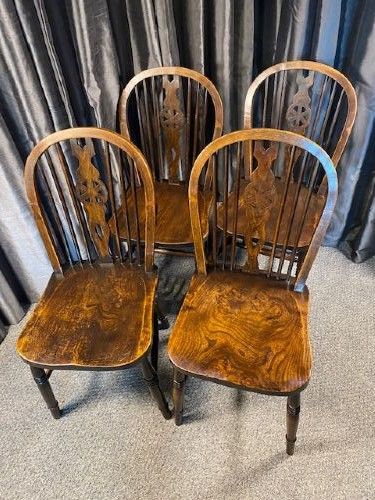
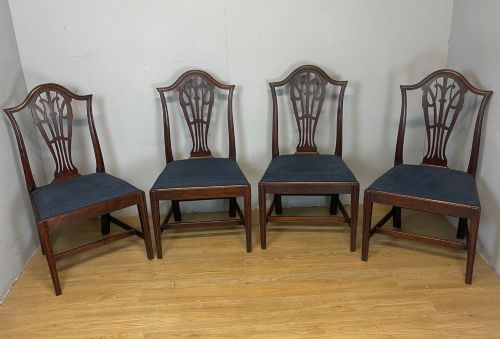
Georgian Period Chairs
Georgian period chairs encompass robust mahogany dining sets and library armchairs built to last generations.
Georgian Period Chairs
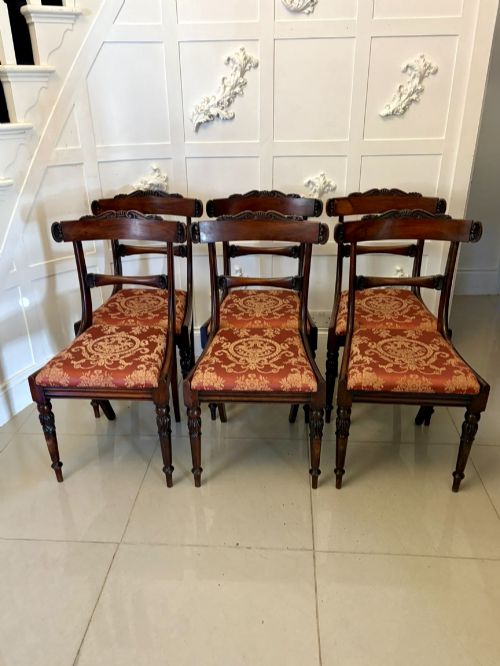
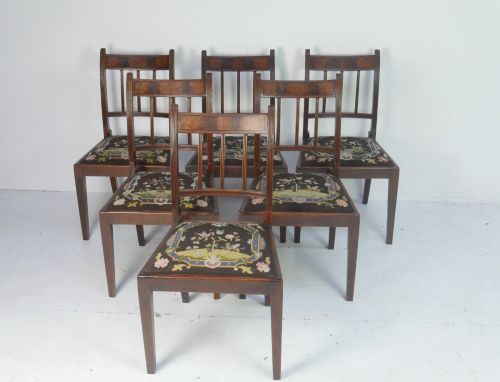
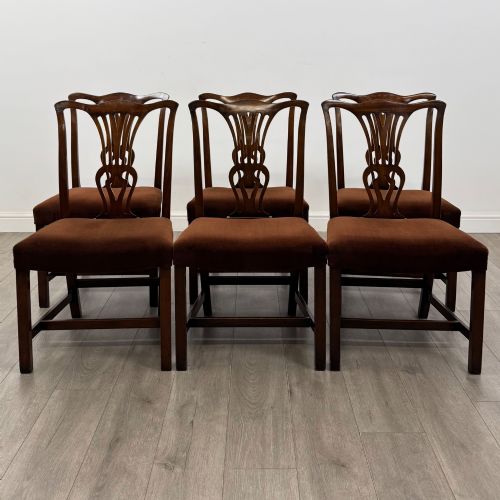
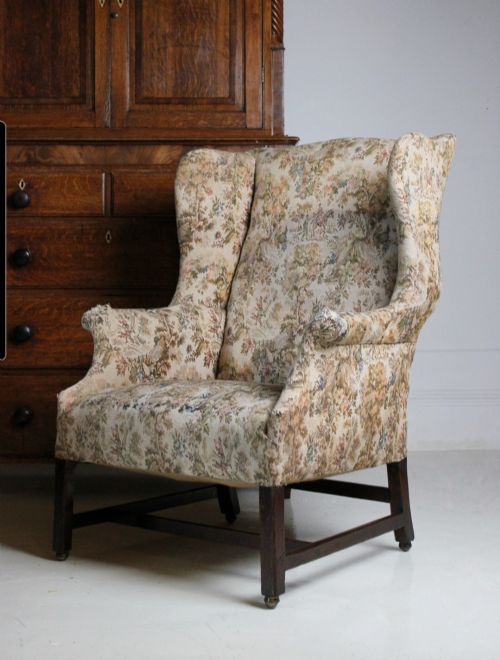
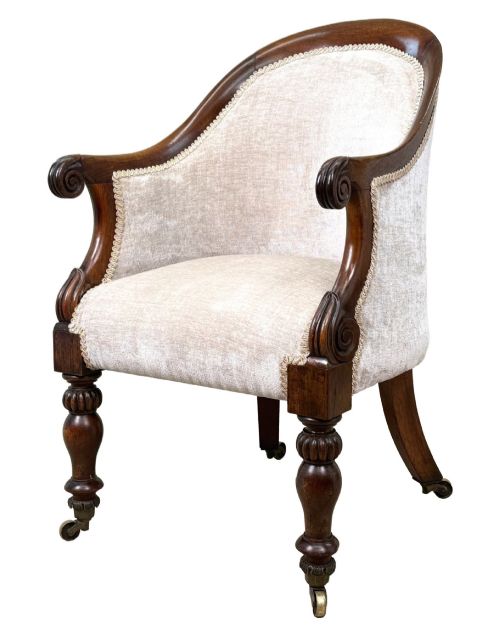
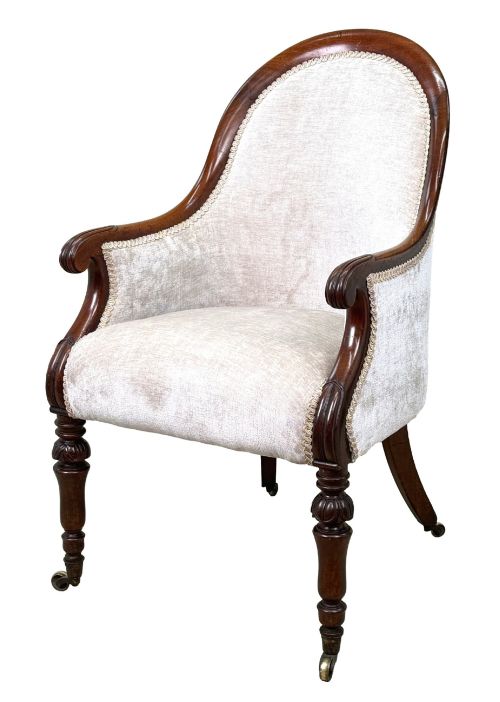
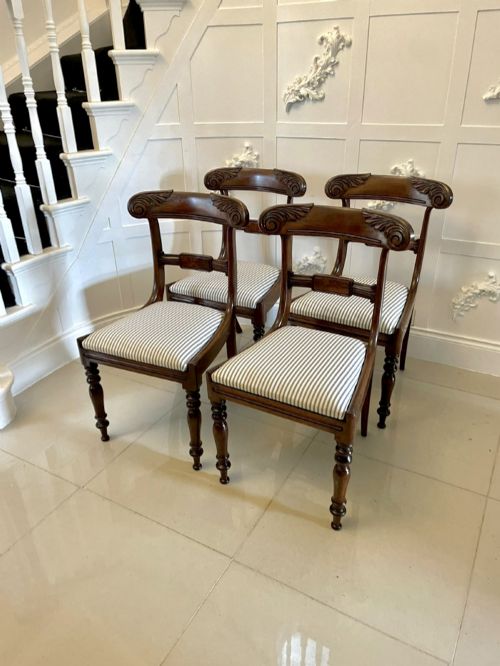
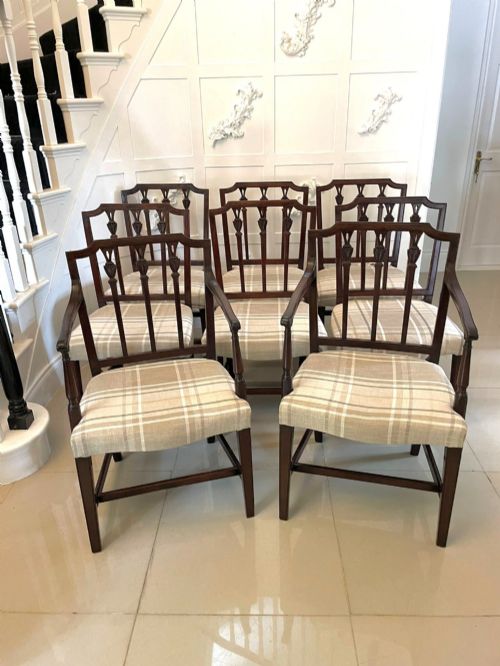
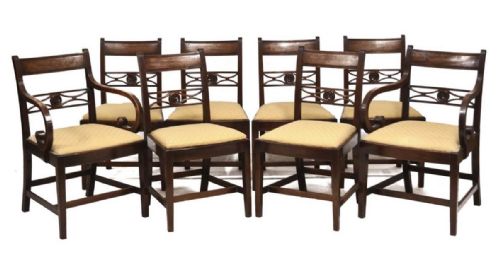
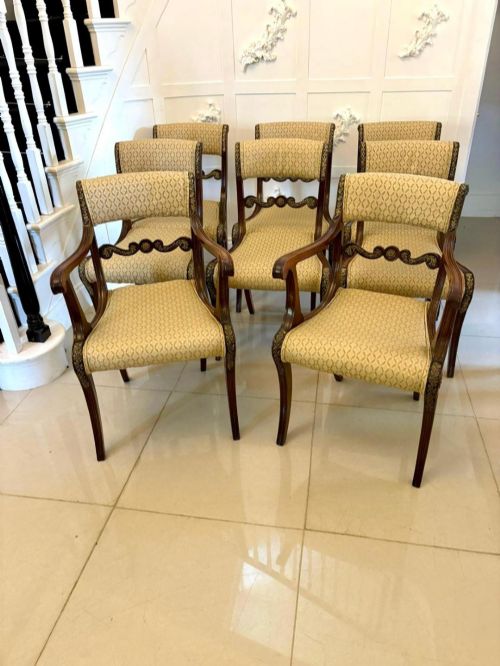
When you search for georgian period chairs, you encounter seating built during the eighteenth and early nineteenth centuries, covering everything from formal dining sets to library armchairs. The most common forms on this page include mahogany dining chairs in sets of various sizes, alongside single armchairs and carvers.
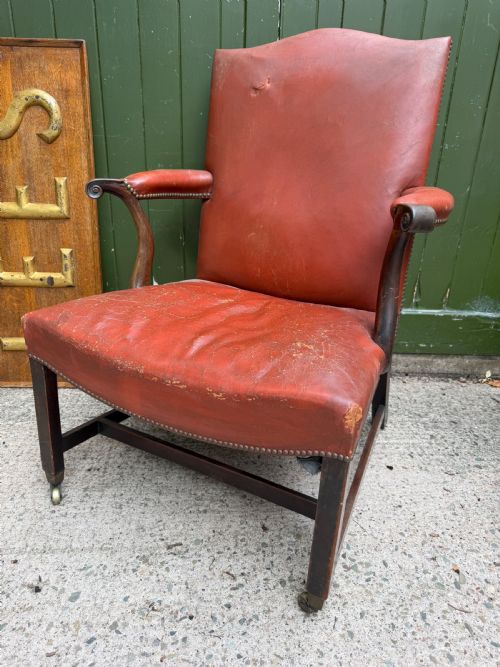
The materials and styles span regional country pieces in elm, ash, and fruitwood, up to grander metropolitan seating in mahogany and walnut. Forms range from Windsor chairs and ladder-backs to upholstered Gainsborough and tub library armchairs.
How they were made
Cabinetmakers constructed these frames primarily from dense hardwoods like mahogany, walnut, and regional timbers such as elm and ash. Joinery relied on mortise and tenon joints, dowels, and corner blocks to ensure structural rigidity over years of daily use.
Upholstered models utilised materials like horsehair stuffing, canvas webbing, and leather, textile, or fabric covers held in place by individual tacks. Cane seating incorporated woven plant material into pierced wooden frames, providing a lighter seat surface.
Listings feature eighteenth-century and nineteenth-century periods, utilising mahogany, elm, walnut, and leather.
What varies in quality
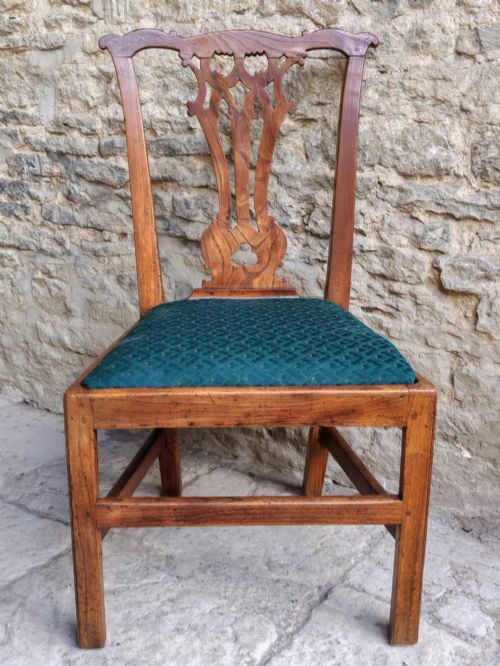
The refinement of carved detail and the weight of the timber set different examples apart. Chairs featuring crisply executed splats, finely moulded legs, and well-proportioned frames command attention for their sculptural presence.
Originality of surface and structural integrity dictate the standing of a set. Examples retaining their early timber patination and minimal timber replacement carry greater historical substance than those with extensive repairs.
The Georgian Period Chairs Glossary
- Carver
- An armchair designed to match a set of dining side chairs, often placed at the head of the table.
- Splat
- The vertical wooden strip down the centre of a chair back, frequently shaped or pierced in varied patterns.
- Bar Back
- A horizontal top rail or crossbar across the back of a chair, common in nineteenth-century designs.
- Gainsborough
- A wide upholstered armchair with open padded arms, short legs, and a square back dating from the eighteenth century.
- Windsor
- A traditional chair constructed with a solid wooden seat into which the legs and back spindles are wedged directly.
- Crinoline stretcher
- An arched metal or wooden brace connecting the legs of a chair to provide lateral stability.
Georgian Period Chairs: Frequently Asked Questions
How do I spot a true Georgian dining chair?
Examine the timber construction beneath the seat and check for hand-cut joints rather than modern mechanical fixings. True period examples exhibit natural timber ageing and hand-carved details specific to eighteenth-century design traditions.
Look closely at the proportions and the joinery methods used in the frame. Regional variations often display simpler woods like elm or ash while maintaining the characteristic form of the era.
Can I use antique chairs for everyday dining?
Many solid mahogany and hardwood chairs remain structurally robust enough for daily use. However, older joints benefit from professional checking to ensure they handle regular sitting without strain.
Protecting the seats with appropriate care and avoiding excessive weight distribution helps preserve fragile eighteenth-century or nineteenth-century frames during meals.
What is the difference between a side chair and a carver?
Side chairs lack armrests and were designed to slide neatly beneath a dining table when not in use. They formed the bulk of standard dining seating arrangements.
Carvers feature integrated armrests to provide additional comfort and typically sat at the head and foot of a formal dining table.
How do I care for leather upholstery on a library armchair?
Maintain leather surfaces by keeping them away from direct sunlight and heat sources that dry out the material. Gentle cleaning with appropriate leather balms preserves the suppleness of older hides.
Avoid harsh modern detergents which can strip the natural finish and patination accumulated over centuries of use.