
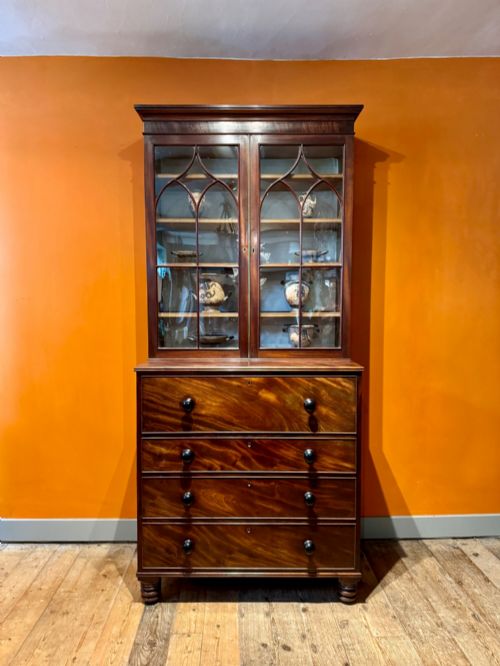
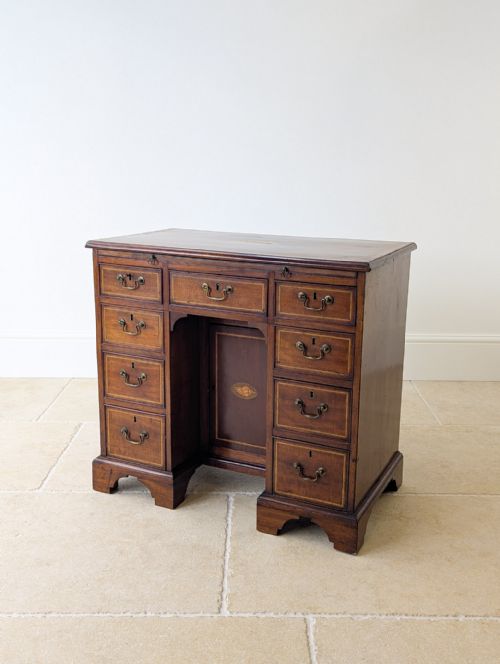
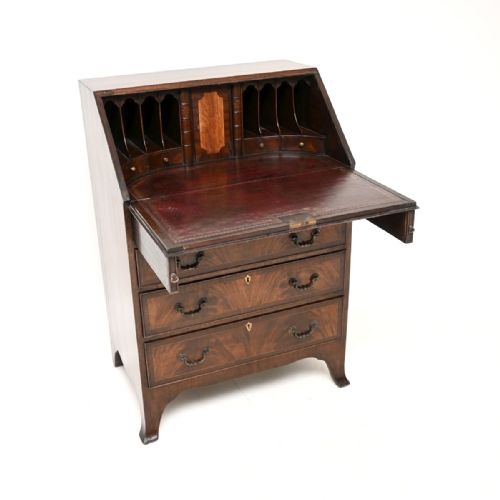
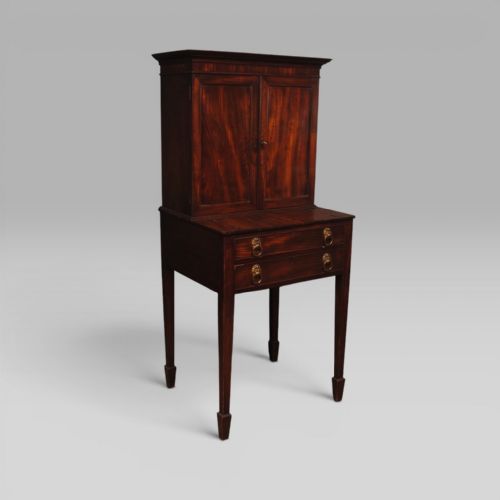


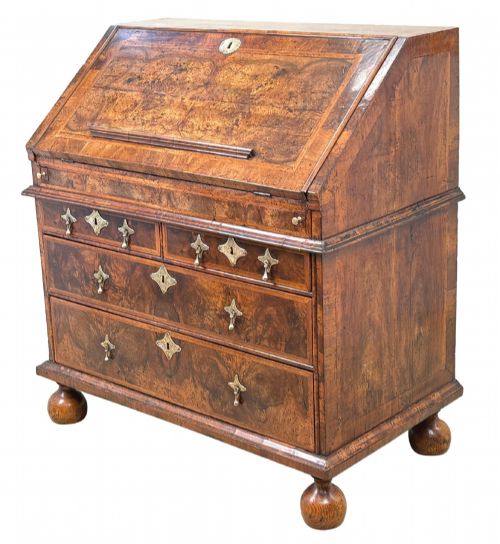

Georgian Period Bureau Desk
A georgian period bureau desk offers practical writing space combined with secret compartments, built in periods spanning the eighteenth and early nineteenth centuries.
Georgian Period Bureau Desk
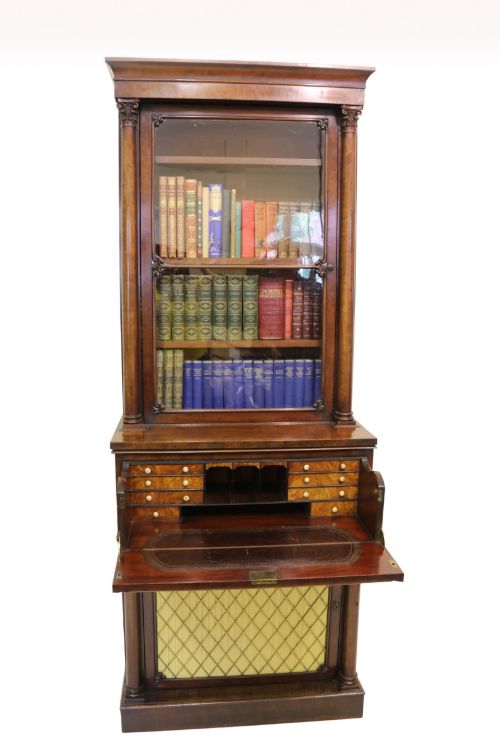
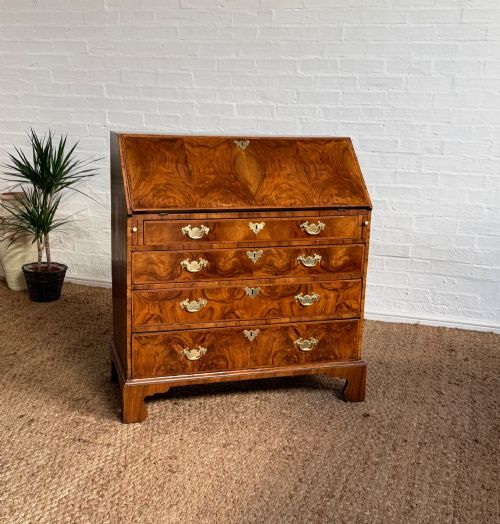
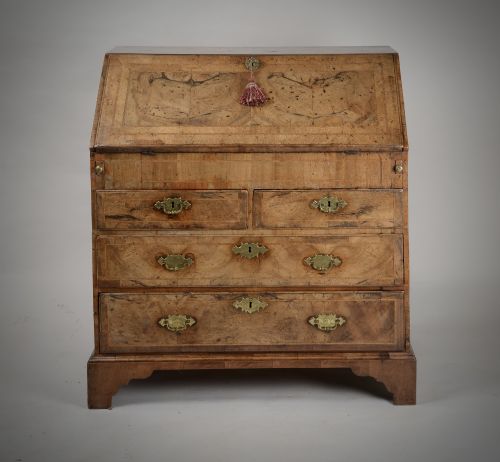
A georgian period bureau desk brings together fitted writing compartments and concealed drawers behind a sloping fall front, resting on bracket feet or chests of drawers. You will frequently encounter mahogany and walnut examples, alongside oak and satinwood pieces dating from the early eighteenth century through to the regency era.
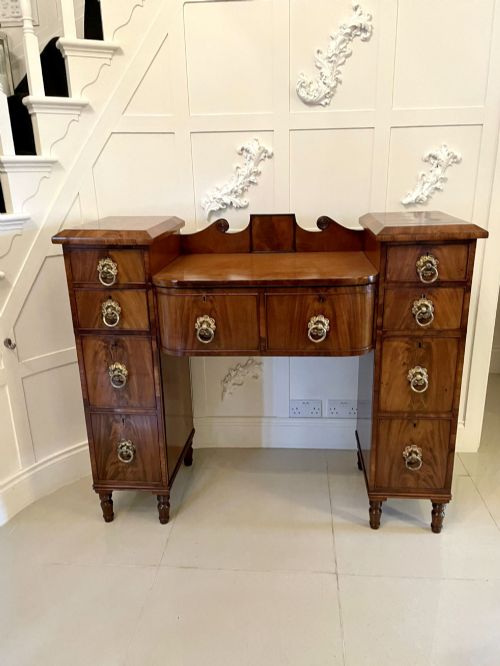
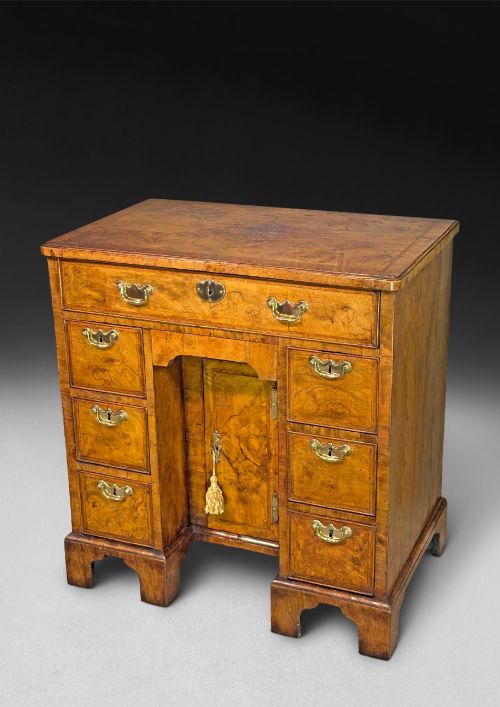
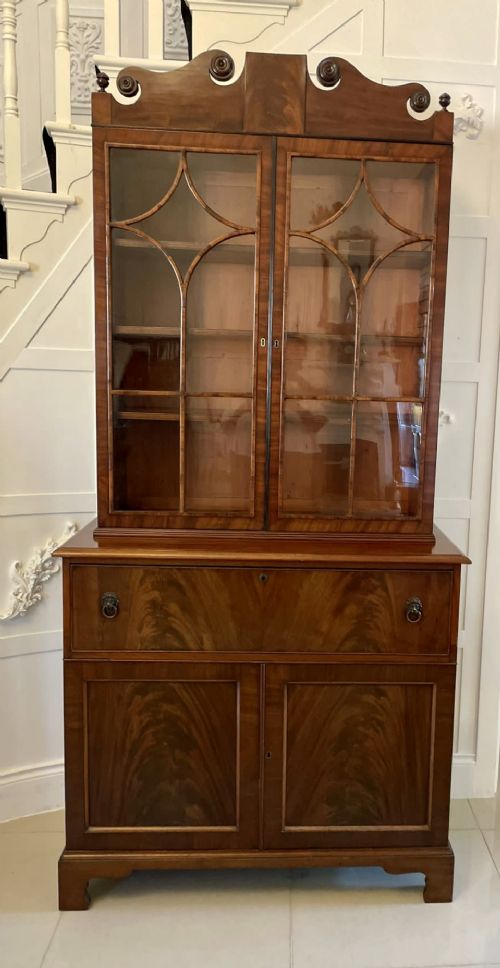
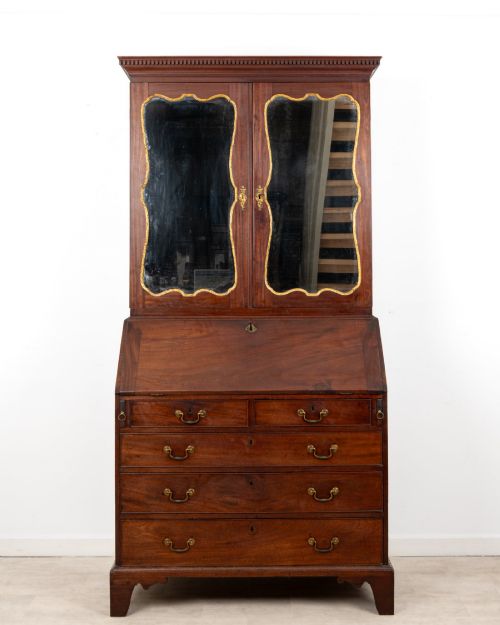
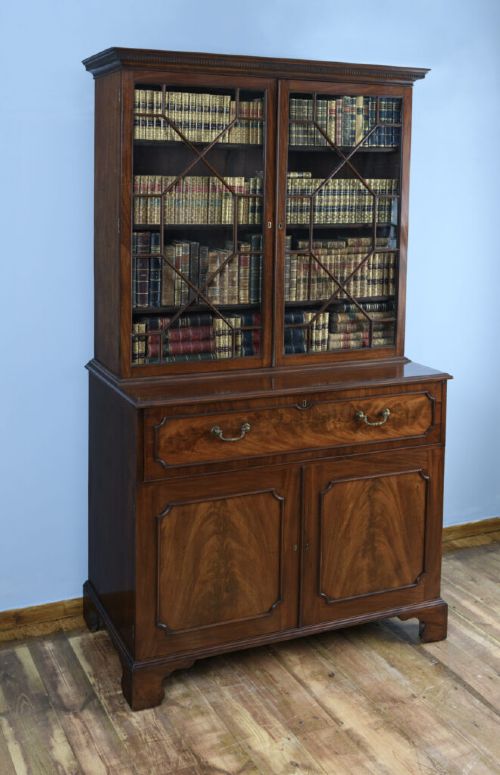
The selection ranges from compact bureau bookcases and secretaire chests to kneehole desks and writing cabinets. These variations reflect the changing domestic requirements of their original owners, moving from simple bureau writing boxes to large architectural bookcases.
Most items originate from English workshops operating across the reigns of Queen Anne, George I, George II, George III, and the regency period. Each decade introduced subtle shifts in proportion and timber selection, whilst maintaining the core function of a writing desk.
Materials and Technique
Cabinetmakers constructed the carcase using solid oak or pine for internal drawer linings, applying fine veneers of figured mahogany, walnut, burr walnut, or satinwood to the exterior surfaces. Crossbanding and stringing in contrasting timbers defined the drawer fronts and fall flaps.
Construction relied on traditional dovetail joints for drawer assembly and panelled backs to ensure stability. Drop handles and escutcheons in cast brass secured the drawers and fall front, matching the internal hardware of small pigeonholes and secret compartments.
The furniture styles span Queen Anne, George I, George II, George III, Chippendale, Hepplewhite, Sheraton, and regency periods.
Assessing the Pieces
The choice of timber grain and figure dictates the visual impact, with highly figured burr walnut, flame mahogany, and matched satinwood veneers marking out superior pieces. Expert matching across the fall front and drawer faces demonstrates the cabinetmaker's skill.
The intricacy of the interior fitments, including secret sliding compartments, well covers, and small drawers, separates standard utility items from masterwork desks. Original brass hardware, undisturbed surface patination, and clean internal oak linings further distinguish the finest examples.
Gillows of Lancaster
The Georgian Period Bureau Desk Glossary
- Bureau
- A writing desk featuring a sloping hinged lid that opens to reveal a fitted interior of pigeonholes and small drawers. It often sits atop a chest of graduated drawers.
- Secretaire
- A cabinet or chest of drawers containing a fitted writing drawer with a drop-down front. This allows the piece to function as a writing desk whilst retaining its exterior chest or bookcase appearance.
- Fall Front
- The hinged writing flap on a bureau or desk that pulls down to provide a horizontal surface for writing. It conceals the internal document compartments when closed.
- Kneehole Desk
- A freestanding desk with a central recess for the user's legs, flanked by pedestals of small drawers. Examples from this era frequently include a recessed cupboard behind the knee space.
- Crossbanding
- A narrow strip of veneer applied to the borders of drawer fronts or tabletops, arranged so the grain runs at right angles to the surrounding surface.
Georgian Period Bureau Desk: Frequently Asked Questions
How do I use a bureau desk?
Lower the sloping fall front to create a flat writing surface supported by automatic wooden lopers that pull out from the case. The interior pigeonholes and small drawers organise correspondence and writing materials.
Close and lock the fall front when not in use to keep documents secure and out of sight. The drawers below provide ample storage for household papers or linens.
How can I tell the period?
Examine the secondary timbers inside the drawers, such as oak or pine, and the construction methods used on the dovetails. Early pieces from the reign of Queen Anne or George I often feature walnut veneers and herring-bone stringing.
Later items from the Sheraton or regency periods introduce satinwood, tambour shutters, or more slender bracket feet. Cabinet hardware and escutcheon shapes also shift across these decades.
Where were these desks placed?
These desks typically stood in private studies, libraries, or withdrawing rooms where estate management and correspondence took place. Their finished backs and refined proportions also allowed them to sit away from walls in larger rooms.
Ladies writing tables and smaller bureau bookcases often occupied drawing rooms or bedrooms. They served as private writing stations for personal letters.