


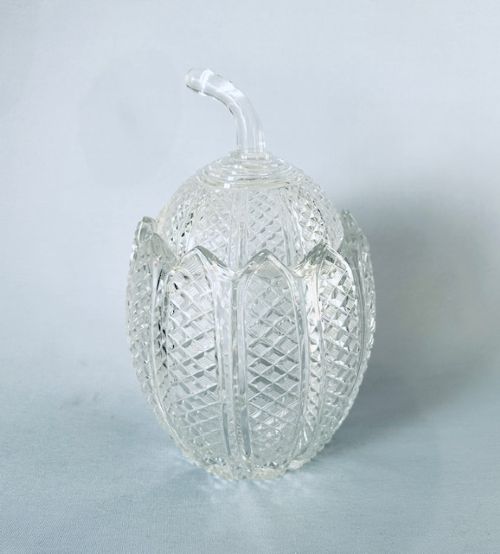
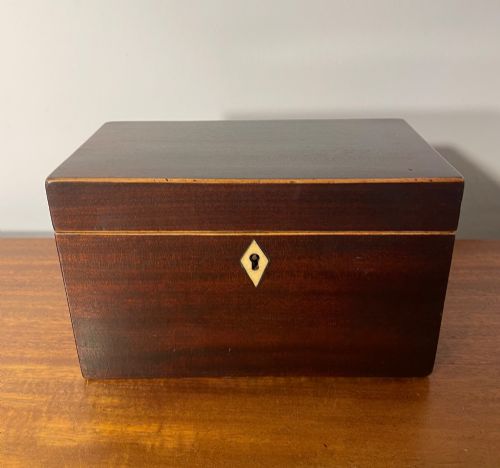
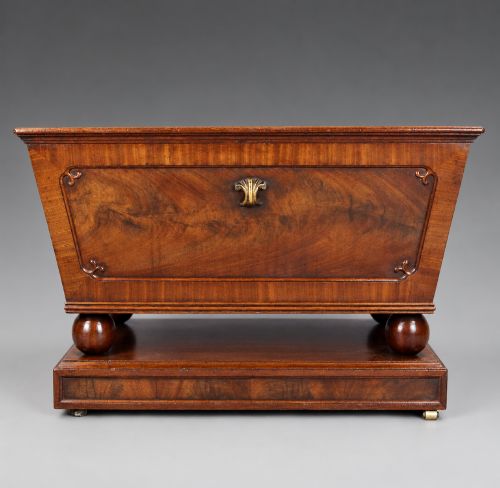
Georgian Period Box
These pieces form a varied collection of georgian period box items spanning centuries of utility, storage and personal preservation.
Georgian Period Box
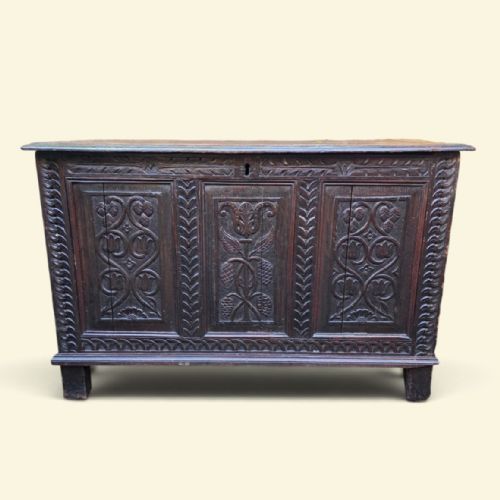
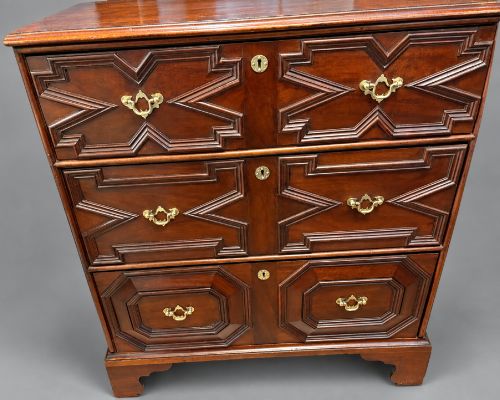
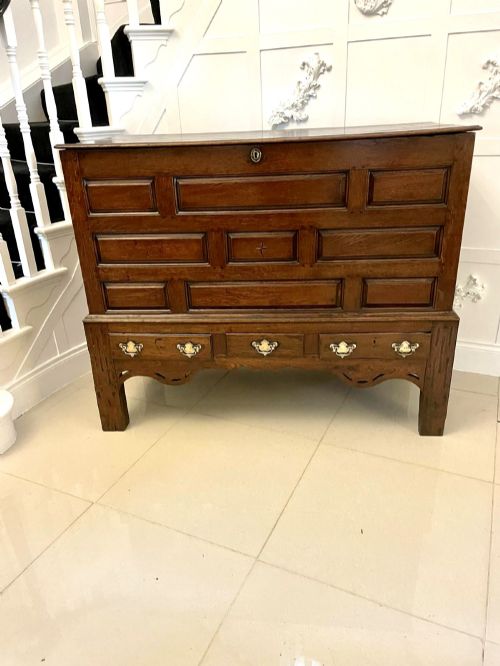
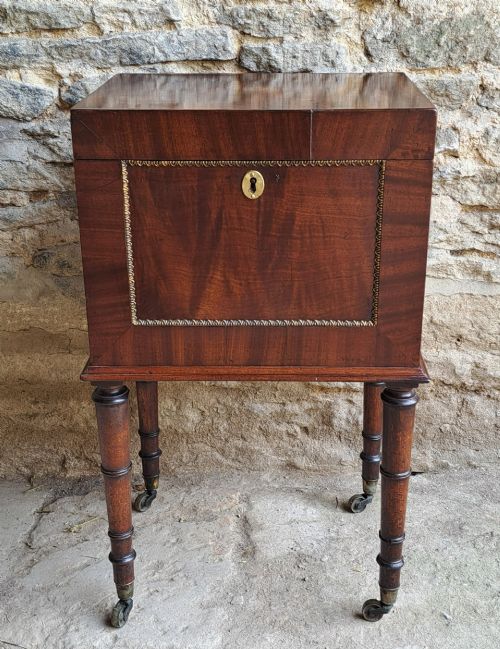
A georgian period box encompasses a diverse range of functional domestic containers, from tea caddies and spice cupboards to large oak coffers, bible boxes and cellarettes. The selection draws primarily from the seventeenth, eighteenth and nineteenth centuries, capturing the shift from rustic domestic utility to refined parlour elegance.
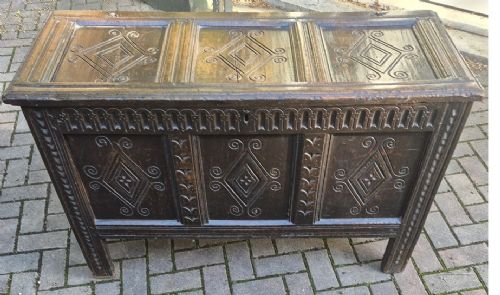
Oak dominates the earlier domestic forms such as wall hanging candle boxes, salt boxes and mule chests, frequently showing panelled construction or carved decoration. Walnut, mahogany, satinwood and kingwood emerge in the later Georgian and Regency periods, shaped into tea caddies, cellarettes and dressing table mirrors.
Buyers encountering this category meet everything from utilitarian oak storage chests intended for farmhouses to sophisticated veneered and crossbanded receptacles destined for drawing rooms. Smaller specialised items like silver vinaigrettes, toleware money boxes and medical cupping sets sit alongside larger furniture pieces like commode chairs and lowboys.
Materials and Construction
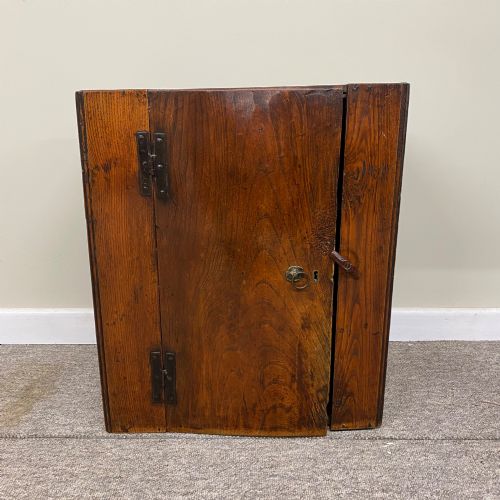
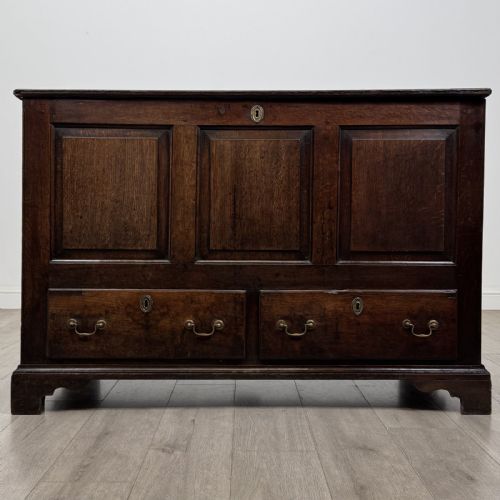
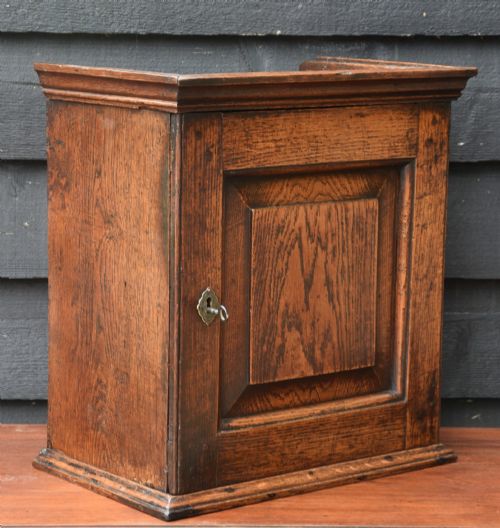
Makers relied heavily on solid British oak for seventeenth and eighteenth-century coffers, bible boxes and spice cupboards, often utilising sturdy panelled joints and original iron hardware. Surface treatments on these utilitarian pieces range from natural waxed grain to traces of early red paint.
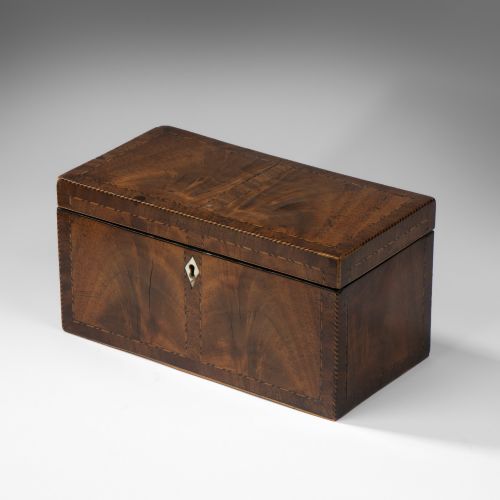
Fine cabinetmaking in the later Georgian and Regency eras introduced exotic timbers including flame mahogany, pollard oak, satinwood, kingwood and rosewood. Workshops employed complex techniques such as crossbanding, parquetry and fine veneers to decorate tea caddies, cellarettes and dressing mirrors.
Specialist items incorporated mixed media, pairing leather-bound frames with metal mounts, or combining cut glass with fitted interiors and original lead liners.
Georgian Period Box Retail Price Guide 2026
Typical asking prices for georgian period box among the pieces listed under this phrase on Sellingantiques today, from the lower quarter to the upper quarter. They describe what is for sale here now, not the wider market.
Medical practitioners once carried portable diagnostic tools in leather-bound caskets like the Regency cupping set listed here.
Evaluating the Pieces
Quality rests in the integrity of the timber, the crispness of any carved decoration and the survival of original hardware such as hinges, locks and lead linings. Pieces retaining their honest patination and natural colour stand apart from those altered or over-restored.
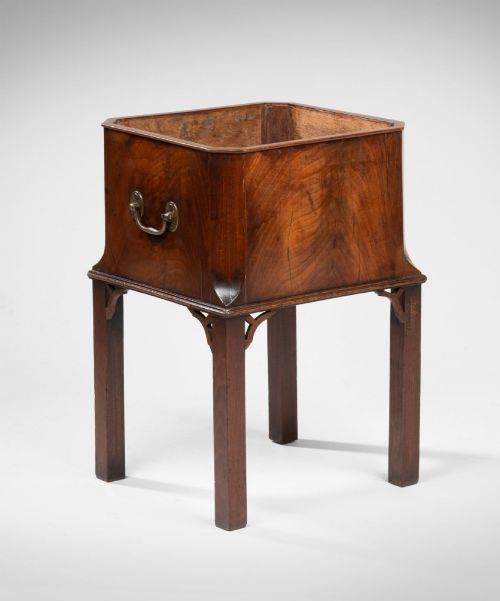
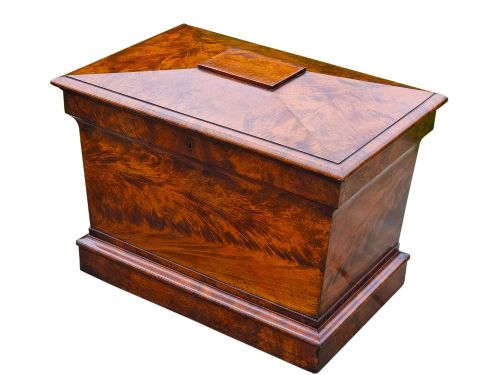
The sophistication of the joinery and timber selection defines the upper tier, seen in figured mahogany wine coolers and satinwood boxes with precise parquetry. Simpler country oak boxes rely on robust proportions and genuine period use rather than elaborate veneers.
The Georgian Period Box Glossary
- Coffer
- A large wooden chest used historically for storage of valuables, textiles or documents. These sturdy containers often feature panelled oak construction and hinged lids.
- Cellarette
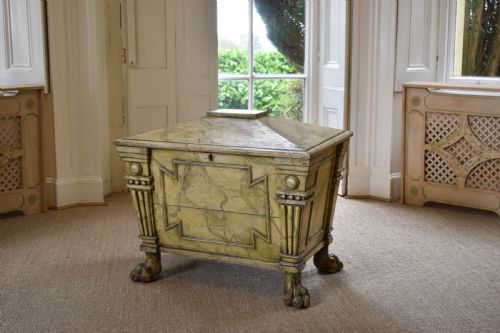
- A lockable container designed to hold bottles of wine or spirits. Examples from the Regency period often take a sarcophagus shape with fitted lead interiors.
- Crossbanding
- A decorative technique where a border of veneer is applied around a central panel with the grain running at right angles to the field. It frames the primary timber of tabletops and box lids.
- Mule chest
- A storage chest featuring one or more drawers at the base beneath the main compartment. They bridge the gap between simple coffers and full chests of drawers.
- Toleware
- Tinware that has been lacquered and painted with decorative designs. These items range from utility boxes to money boxes.
Georgian Period Box: Frequently Asked Questions
What is a georgian period box used for?
These containers served numerous domestic functions depending on their scale and form. Smaller receptacles held tea, spices, documents or personal valuables, while larger chests stored textiles, household linen or provisions.
Over time, many adapted to new domestic uses, such as stationery storage or decorative display pieces within period interiors.
How do I identify an oak coffer?
Oak coffers typically feature heavy planked or panelled lids opening on traditional strap hinges. The timber often shows deep natural patination developed over centuries of handling.
Earlier examples from the seventeenth and early eighteenth centuries display hand-carved panels and pegged joints rather than modern fasteners.
What is the difference between a tea caddy and a cellarette?
A tea caddy is a small, portable box designed to store precious tea leaves securely under lock and key. Interiors frequently feature partitioned foil-lined compartments.
A cellarette is substantially larger, built to hold multiple wine bottles, and often stands on the floor or on short legs during dining rooms service.
How should I care for antique wood boxes?
Keep wooden pieces away from direct heat sources and dramatic humidity fluctuations to prevent timber splitting or veneer lifting. Regular dusting with a dry, soft cloth preserves the surface.
Apply a microcrystalline wax sparingly only when the timber appears dry, avoiding modern silicon-based polishes.