
Georgian Pedestal Dish
A georgian pedestal dish brings timeless raised presentation to a table, combining practical service with classical proportion.
Georgian Pedestal Dish
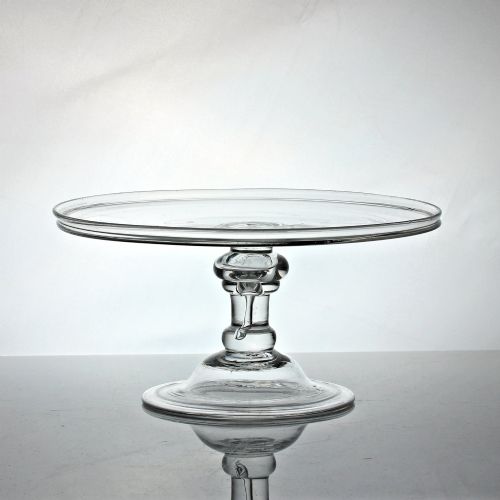
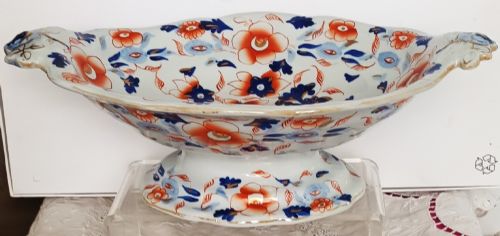
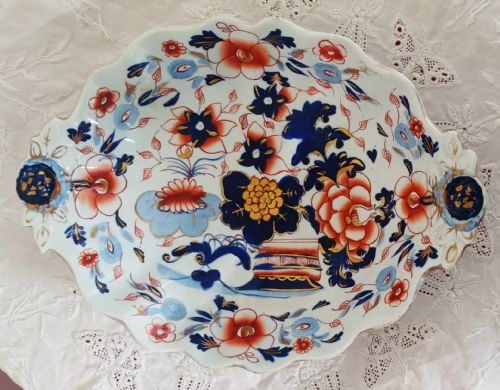
A georgian pedestal dish encompasses raised serving pieces, comports, tazzas, and fruit bowls elevated on stems or tripod bases. These items emerge primarily from the eighteenth and nineteenth centuries, spanning George II, George III, William IV, and Regency periods alongside later revivals.
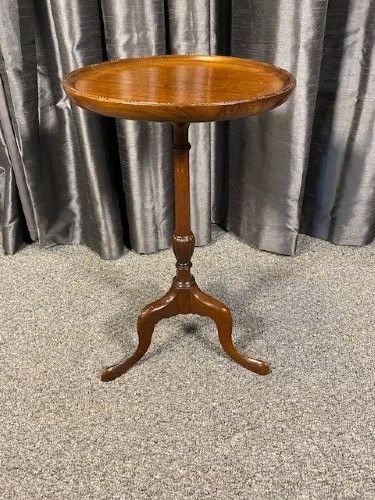
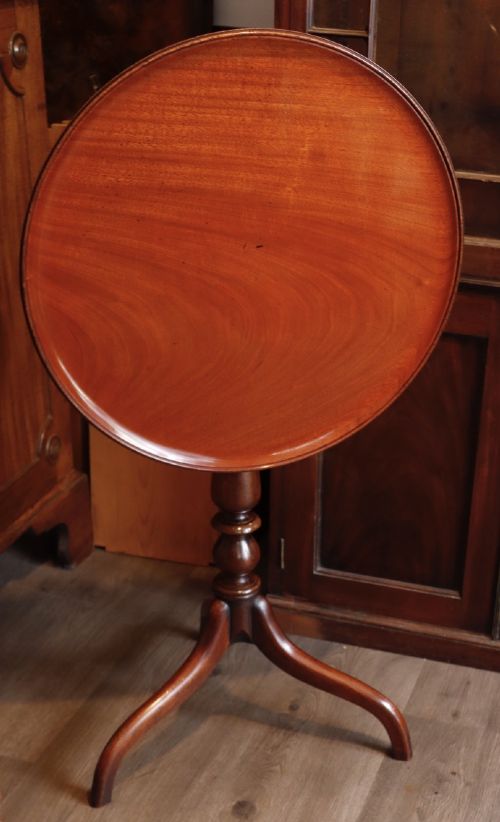
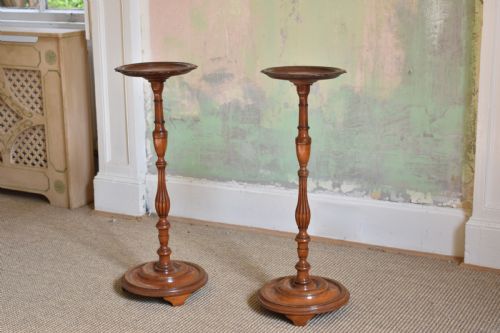
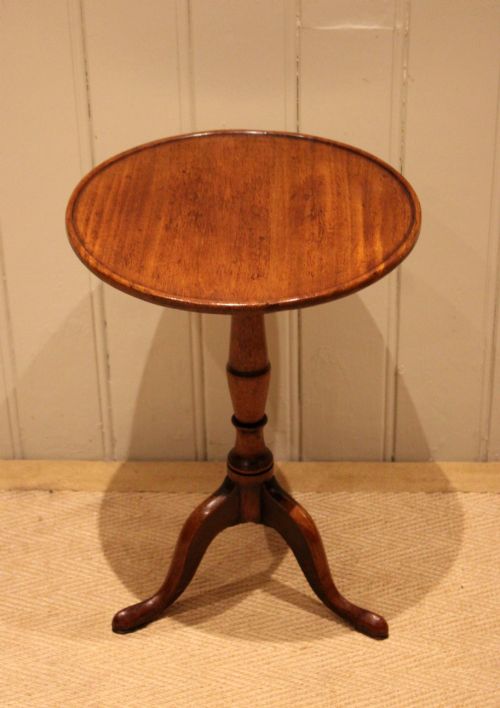
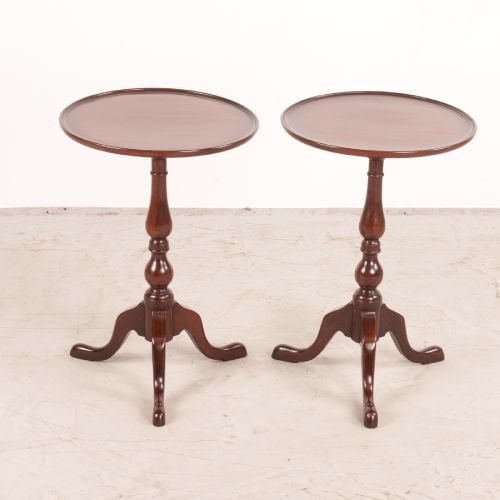
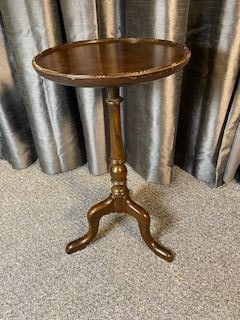
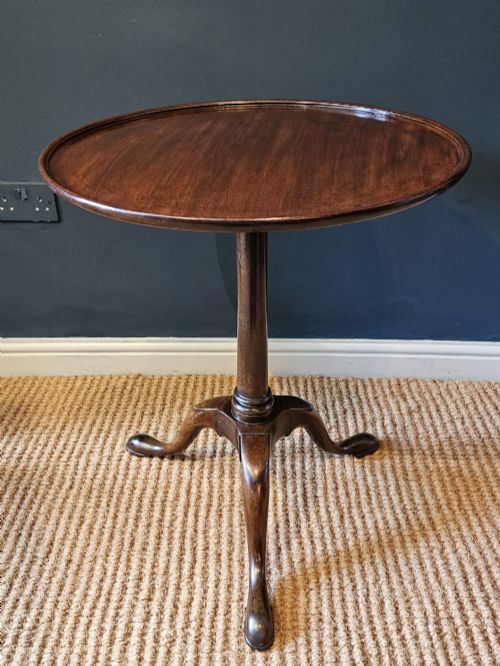
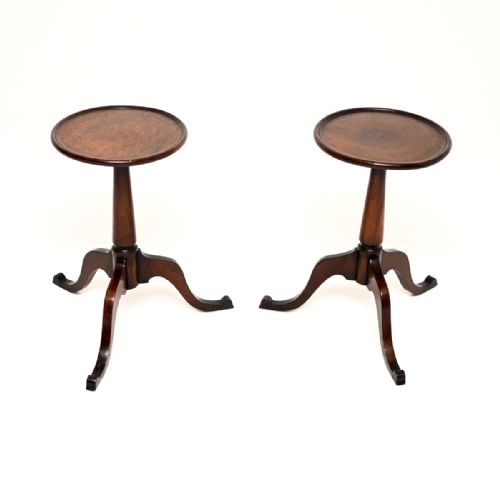
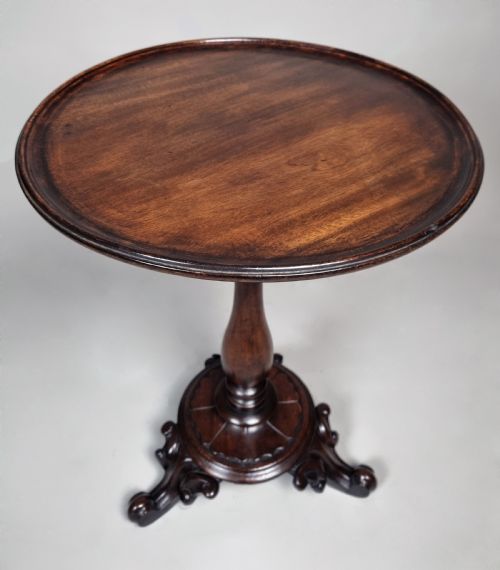
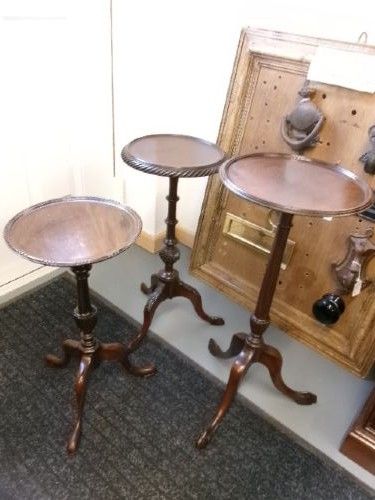
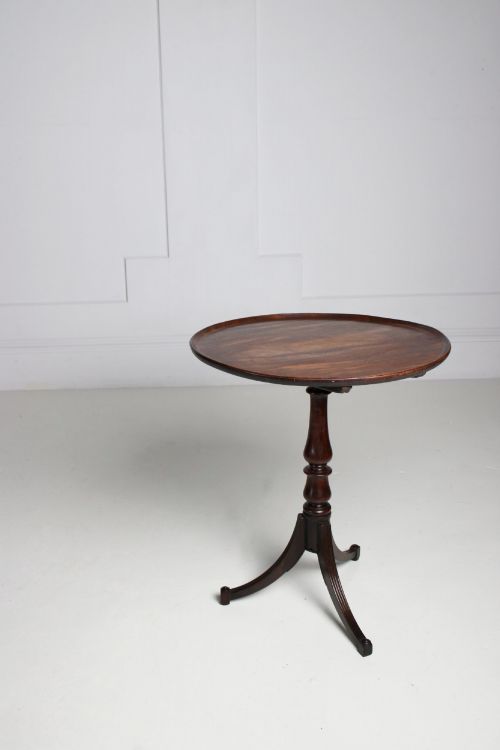
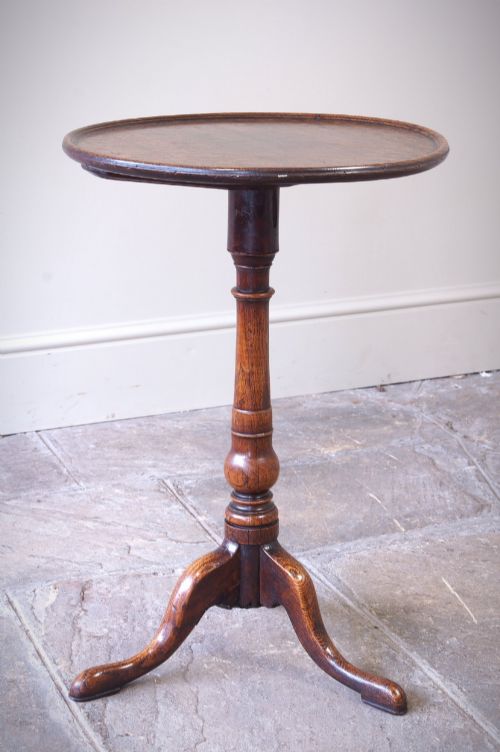
The selections on this page unite diverse functional categories under the pedestal format, ranging from glass sweetmeat dishes and patch stands to silver baskets, porcelain bowls, and ironstone comports. Alongside these, related tripod wine tables and occasional stands share the characteristic elevated central support.
Buyers encounter clear glass, lead crystal, earthenware, porcelain, and sterling silver examples alongside timber wine tables in mahogany, walnut, and satinwood. These pieces reflect domestic dining and display traditions across more than two centuries of British craftsmanship.
Materials and construction
Makers shaped timber examples using solid mahogany, walnut, and satinwood, frequently employing tilt-top mechanisms and tripod bases for stability. Glass and crystal pieces utilise mould-blowing and rib-moulding techniques to create honeycombed patterns and clear structural forms on pedestals.
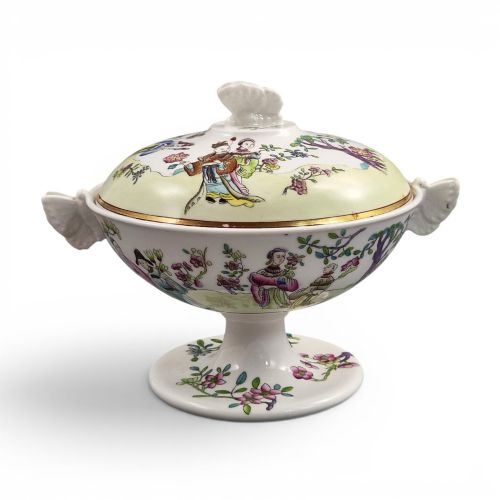
Silver and Old Sheffield plated items rely on smithing, piercing, and chasing methods to form sugar baskets and tazzas with intricate decorative borders. Earthenware and ironstone pieces employ transfer printing, such as the Japan and Elephant patterns, finished with durable glazes.
Materials represented across these items include sterling silver, lead crystal, ironstone china, satinwood, and solid mahogany.
Distinctions in quality
Quality rests upon the crispness of moulded detail in glass and ironstone, and the sharpness of cast or chased decoration in sterling silver pieces. Superior timber furniture displays fine grain matching, well-turned pedestals, and robust tripod joints that maintain stability over centuries.
Proportion and material purity dictate the upper tier of the range, where clear lead glass maintains brilliance and porcelain preserves hand-painted enamel colours without fading.
John Rogers & Son·Henry Chawner·William Bennett
The Georgian Pedestal Dish Glossary
- Tazza
- A shallow bowl or plate mounted on a pedestal, used traditionally for serving small sweetmeats or fruit. These vessels sit elevated above the table surface.
- Comport
- A decorative footed dish or bowl designed for serving fruit or confectioneries at the end of a meal. They appear in ceramic, glass, and porcelain.
- Patch stand
- A tiny pedestal dish used in the eighteenth century to hold small cosmetic patches worn on the face. Miniature versions often feature lead glass or enamel.
- Sweetmeat glass
- A small stemmed dish designed for preserved fruits, nuts, or confectionery. They frequently display rib-moulding or honeycomb patterns.
- Tripod base
- A three-legged support structure commonly found beneath wine tables and occasional stands. This arrangement ensures steady placement on uneven floors.
Georgian Pedestal Dish: Frequently Asked Questions
What is a georgian pedestal dish used for?
These elevated vessels served sugar, sweetmeats, fruit, and small confectioneries during formal dining and tea rituals. Their raised design saved table space and highlighted expensive provisions.
Over time, collectors repurposed them as decorative display items, ring holders, or accent pieces for side tables and mantels.
How do I identify a true period piece?
Examine the materials, construction marks, and wear patterns appropriate to the eighteenth and nineteenth centuries. Glass shows pontil marks and weight characteristic of lead formulas, while silver bears clear assay stamps and maker marks.
Timber tables display hand-turned components and timber shrinkage consistent with age rather than modern replication.
Are pedestal dishes safe for food use?
Most antique ceramic, glass, and silver pieces remain structurally sound for gentle service, though historic glazes and silver surfaces require careful hand washing. Many collectors prefer to exhibit them without use to preserve fragile enamels and antique patination.
Harsh detergents, dishwashers, and acidic foods can damage vulnerable lead glass and historic ceramic glazes.
How should I clean antique silver and glass?
Sterling silver requires non-abrasive polish applied sparingly to avoid removing crisp chasing and historic hallmarks. Glass and porcelain benefit from lukewarm water and mild soap, dried immediately with a soft cloth to prevent water spots.
Avoid soaking items with glued repairs or organic handle attachments.