



Georgian Pastoral Landscapes
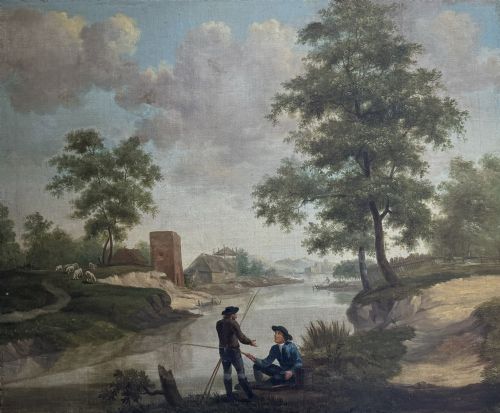
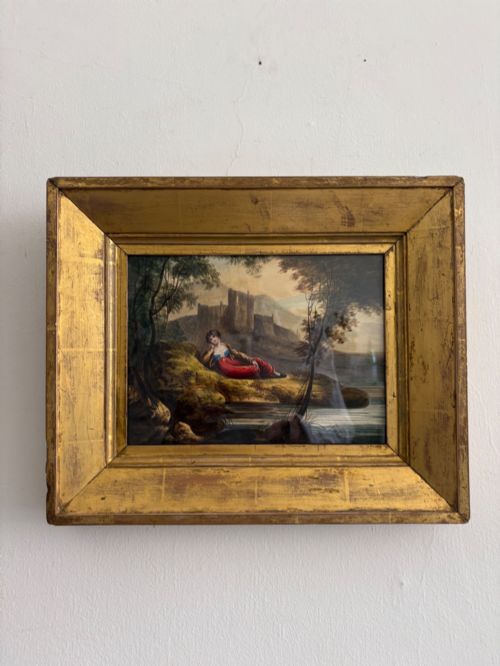
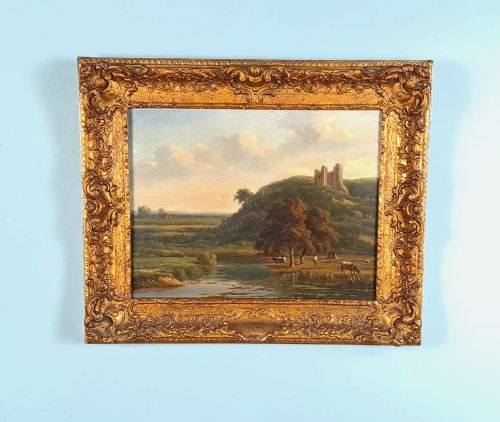
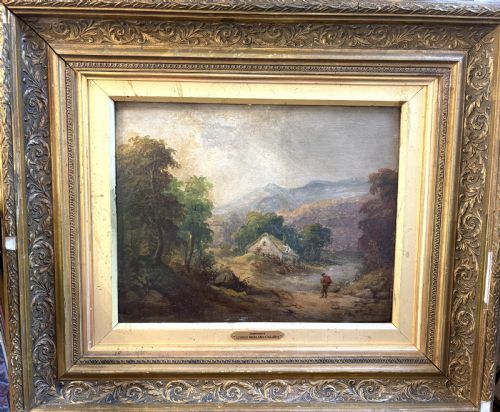
When you search for georgian pastoral landscapes, you seek romanticised rural views of rivers, cattle and rustic figures.
Georgian Pastoral Landscapes
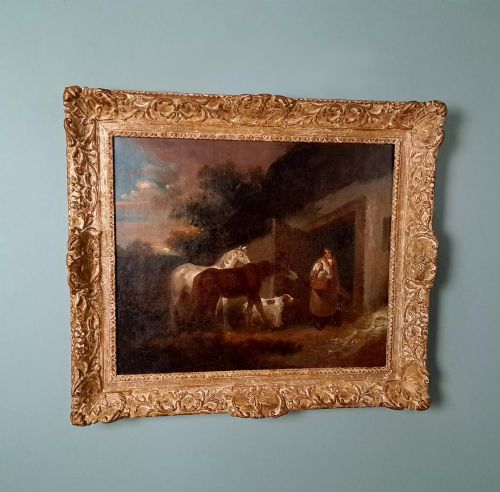
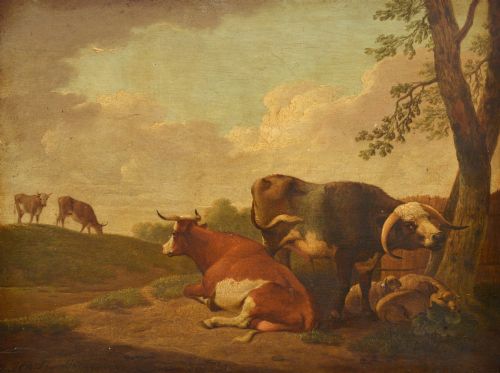
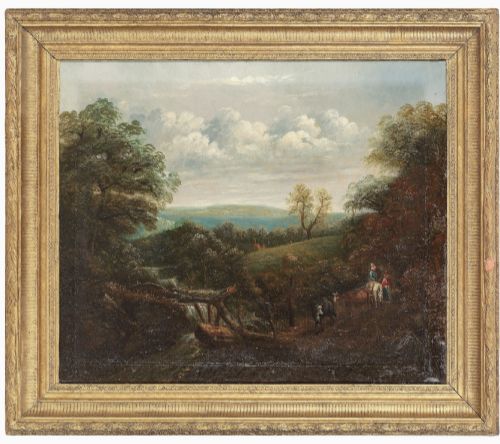
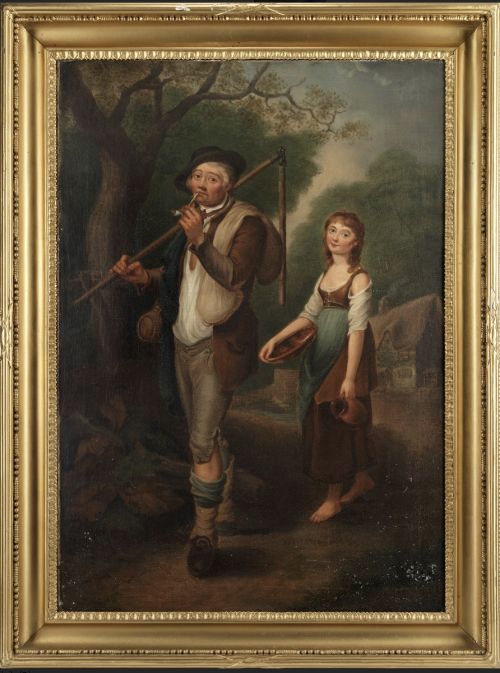
When you search for georgian pastoral landscapes, you encounter framed artwork depicting idealised countryside scenes filled with cattle, rustic figures and rivers. The pieces on this page span the eighteenth and nineteenth centuries, taking the form of oil paintings on canvas or board, watercolours, gouache, needlework pictures and printed works.
Most examples originate from British and European schools, incorporating classical Italianate influences or domestic rural idylls. You will find works executed by named artists as well as pieces attributed to specific circles, followers or broader regional schools.
Framed presentation is common, often utilising period surrounds such as giltwood frames that complement the tonal depth of the artwork. The subjects range from grand continental views to intimate watercolours of milkmaids and farm animals.
Materials and technique
Artists built these works using oil paint applied to canvas, wood panels or board, layering pigment to achieve atmospheric skies and rich terrain. Watercolours and gouache on paper offer a lighter touch, while specialist techniques encompass silkwork embroidery and needlework pictures created with coloured threads.
Prints utilise engraving and mezzotint methods on paper, capturing fine illustrative detail from original compositions. Framing relied on wood and gold leaf, producing giltwood surrounds that protect and enhance the visual perimeter of the panels and canvases.
Cattle and sheep frequently crowd the foregrounds, occasionally pausing to drink from rivers while milkmaids tend to daily chores.
What varies in quality
The distinction between tiers rests upon the sureness of the brushwork and the harmony of the composition within the landscape. Superior examples display confident handling of light, shade and atmospheric perspective, creating depth that draws the viewer into the rural scene.
Materials also dictate the grade of the piece, from finely woven canvas and heavy oil pigments to intricate needlework using diverse threads. Original period framing, particularly carved giltwood surrounds contemporaneous with the artwork, elevates the overall integrity of the piece.
William Joseph Shayer Senior·Hendrik Willem Schweickhardt·Thomas Barker of Bath·Jacob Philipp Hackert·T C Hofland·George Morland·John Sanderson Wells·Richard Leech·Julius Caesar Ibbetson·Francesco Zuccarelli·John Inigo Richards·Claude Lorrain·John Boydell·Richard Wilson·Thomas Jones
The Georgian Pastoral Landscapes Glossary
- Oil on Canvas
- Pigment mixed with drying oil applied to a stretched fabric support. This combination allows for rich blending and textured impasto across the landscape.
- Giltwood
- Wood carved and coated with a thin layer of gold leaf. It is frequently found on the decorative frames enclosing these pastoral scenes.
- Guache
- An opaque water-based paint containing gum binder and added white pigment. It produces a flat, matte finish visible in several works on paper.
- Mezzotint
- A printmaking process where the copper plate is roughened to achieve dark tones and scraped to produce lighter areas. It yields rich gradations of shade.
- Needlework Picture
- A textile artwork stitched with wool or silk threads onto a fabric ground. These pieces recreate pictorial rural compositions through embroidery.
Georgian Pastoral Landscapes: Frequently Asked Questions
What defines a pastoral landscape?
These works depict rural scenes featuring rustic figures, farm animals such as cattle and sheep, and tranquil river settings.
They draw on classical ideals to present an ordered, harmonious view of country life.
How should I hang these artworks?
Display them away from direct sunlight to protect pigments, watercolours and textiles from fading over time.
Ensure wall fixings securely support the weight of the heavier oil paintings and their giltwood frames.
Are these paintings signed by artists?
Some pieces bear artist signatures, while others are attributed to specific schools, circles or followers based on style.
Attributions rely on stylistic comparison with documented works by masters of the period.