




Rustic Farm Oil Paintings
Rustic farm oil paintings capture agrarian life through pastoral scenes of livestock, farmyards, and rolling fields.
Rustic Farm Oil Paintings
Rustic farm oil paintings focus on traditional agricultural scenes, depicting farmyards, livestock, and rural workers across various historical periods. These works range from early eighteenth-century compositions to twentieth-century British and European pieces.
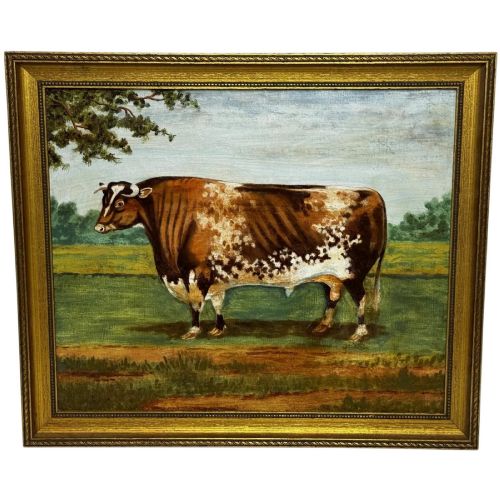
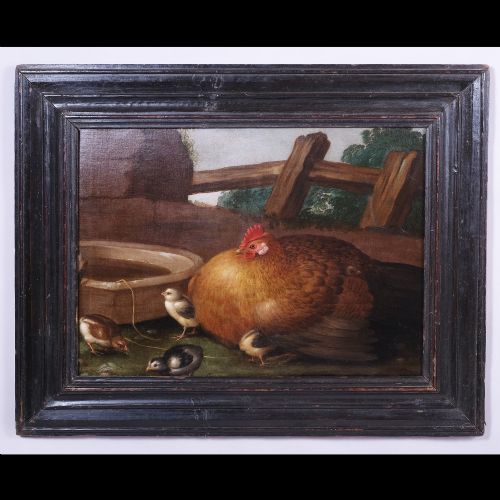
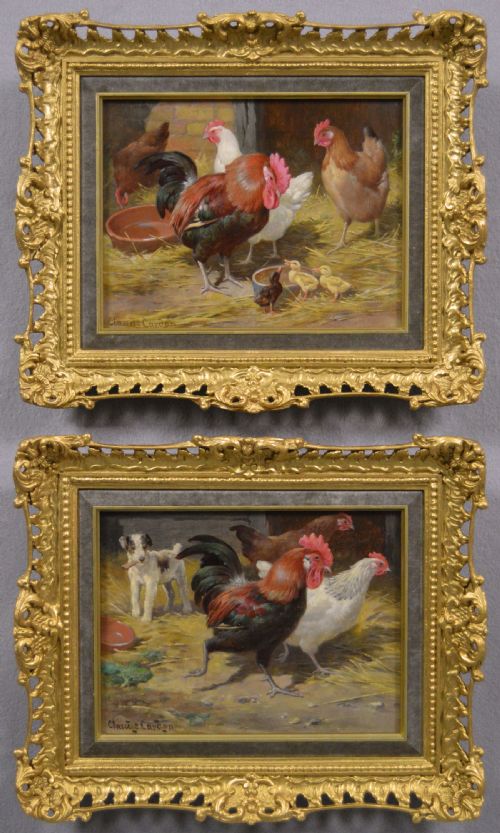
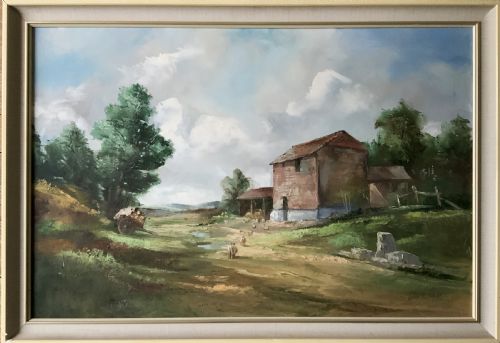
The most common examples on this page are nineteenth-century and early twentieth-century works featuring farm animals such as sheep, cattle, and poultry within pastoral landscapes. Painters often record horses, carts, and rustic barns with careful attention to rural daily life.
The styles span Victorian realism, British Impressionism, and folk art traditions. Works vary from detailed depictions of prize livestock to broader views of farming countrysides.
Quality factors
Anatomy and movement in animal subjects distinguish skilled hands from more rudimentary or naive works. Painters who understand livestock structure render cattle, sheep, and poultry with convincing weight and posture.
Compositional balance and atmospheric light elevate certain landscapes above standard topographical records. The handling of tonal depth in skies and shaded barns creates space and presence within the canvas.
Listings include works from the eighteenth, nineteenth, and twentieth centuries, executed in oil on canvas or board.
Claude Cardon·Charles Vickers·Percival Glenfern·Thomas Sidney Cooper·Robert Russell MacNee·Owen Bowen·Gustav Goemans·Jack R Mould·Ernest Higgins Rigg·Georgina Lara·T.B. Garvie·John Falconar Slater·Nora Munro Summers·Louis Marie Dominique Robbe·Charles Hunt Jnr·Kershaw Schofield
The Rustic Farm Oil Paintings Glossary
- Oil on canvas
- A traditional painting medium where coloured pigments suspended in drying oils are applied to a fabric support. This combination offers flexibility and longevity.
- Board
- A rigid wooden or composition panel used as a painting support instead of woven fabric. These supports provide a stable surface for smaller works.
- Giltwood
- Wood carved and covered with a thin layer of gold leaf or metallic powder. This finish is typical of period frames enclosing fine art.
- British Impressionism
- A painting approach focusing on light and everyday subjects, developed by British artists in the late nineteenth and early twentieth centuries. Works in this style often show looser brushwork.
- Realism
- An artistic movement dedicated to representing subject matter truthfully without artificiality. In rural scenes, this appears as careful observation of agricultural life.
Rustic Farm Oil Paintings: Frequently Asked Questions
What subjects appear in these paintings?
These works display farmyard scenes, prize livestock, horses and carts, and rural landscapes.
Chickens, sheep, cattle, and agricultural workers populate barns and fields.
How do I date a rural oil painting?
Dates are indicated by costume, agricultural implements, and the construction of the canvas or board.
Stylistic markers such as Victorian realism or early twentieth-century impressionism also help establish the period.
Where should I hang these artworks?
These pastoral scenes suit traditional living spaces, dining rooms, and studies with natural light.
Direct sunlight should be avoided to protect the oil pigments and canvas.
What is the difference between canvas and board?
Canvas is a woven fabric stretched over a wooden frame, offering slight give under the brush.
Board provides a rigid, solid support often found in smaller or portable paintings.