


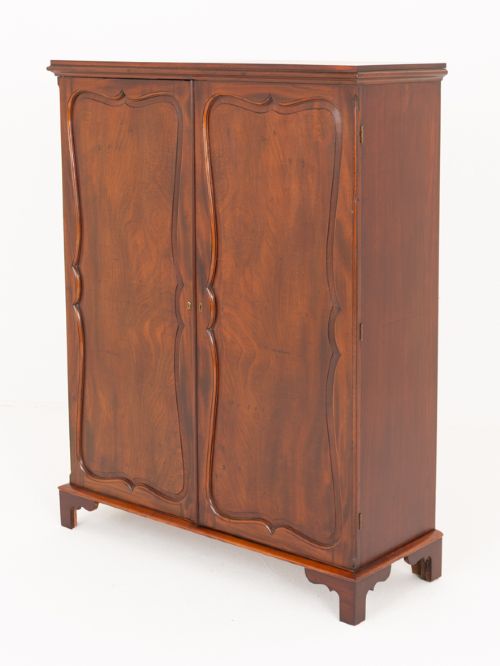
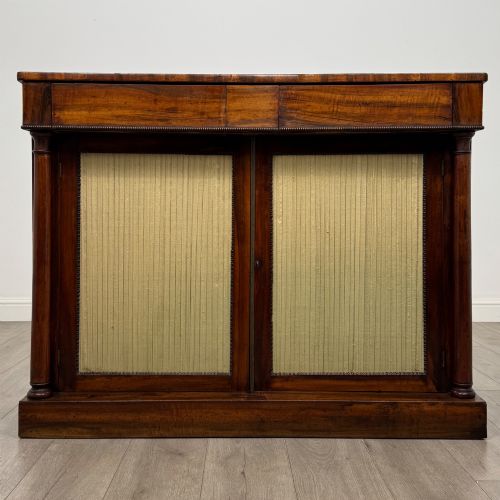
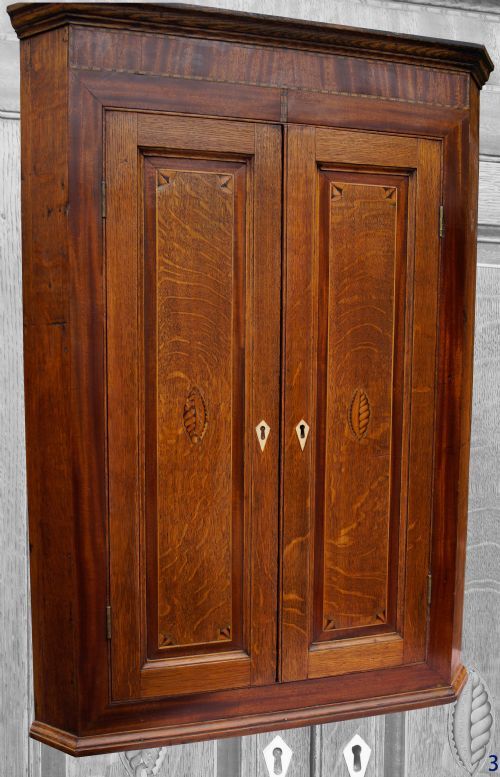
Georgian Panelled Cabinet
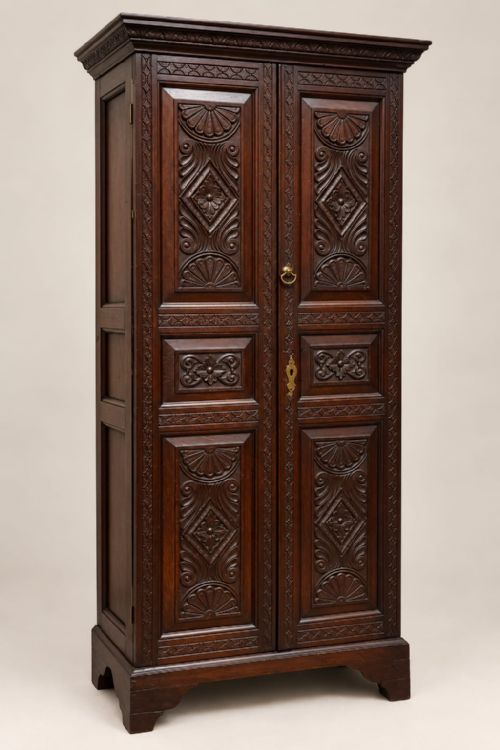
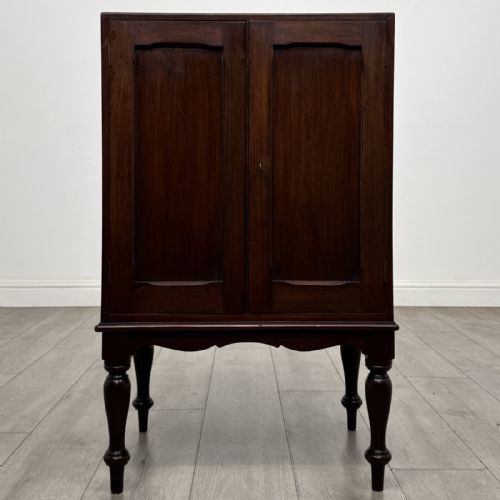
A georgian panelled cabinet brings solid timber and proportion into a room, offering storage built to last centuries.
Georgian Panelled Cabinet
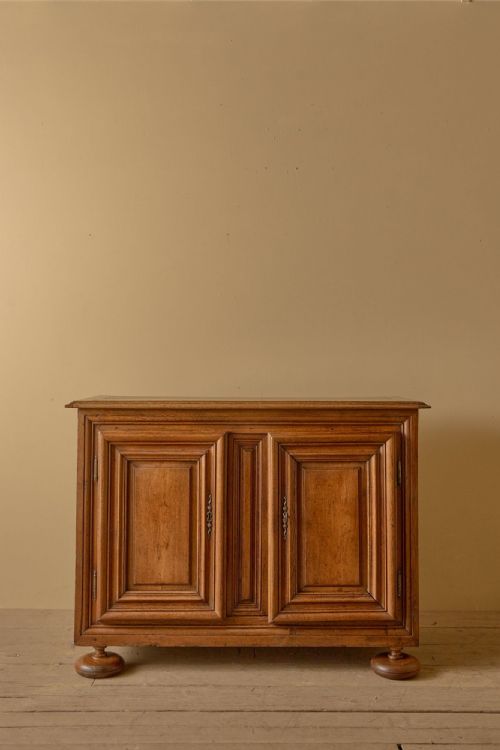
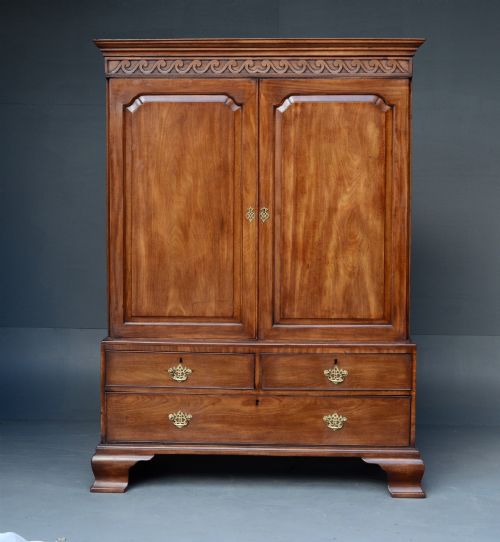
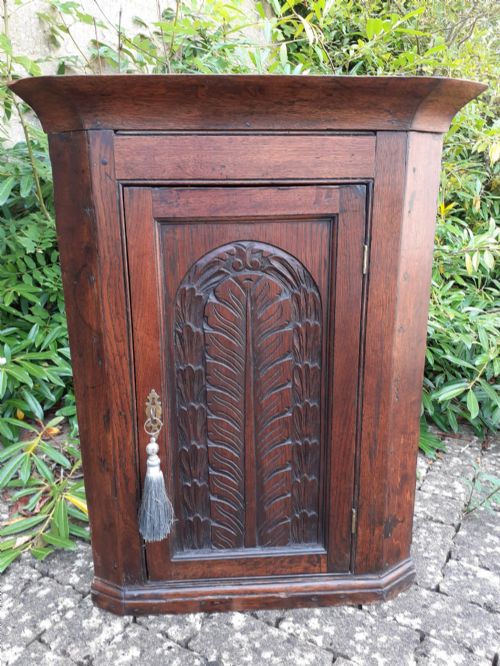
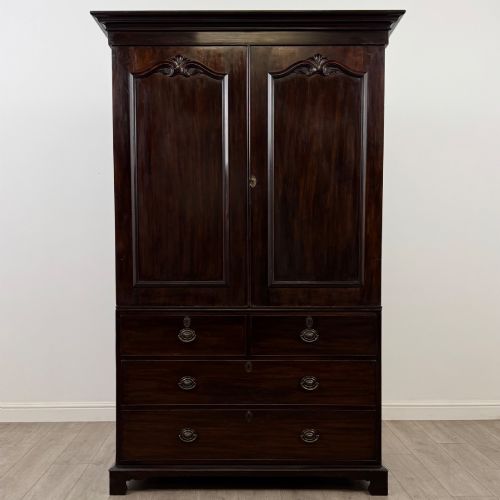
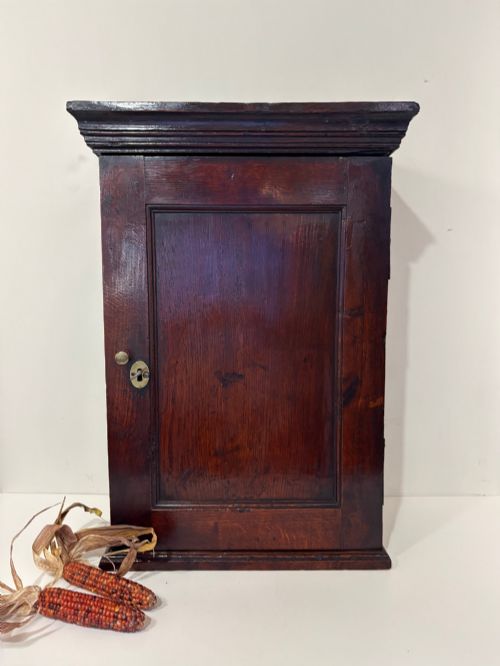
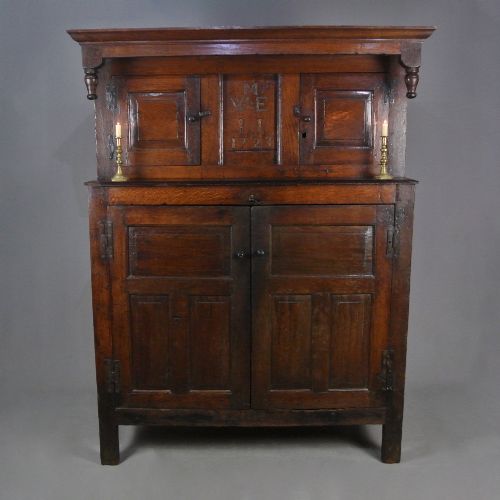
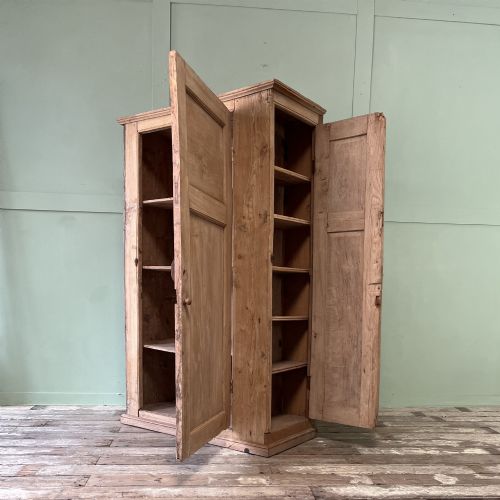
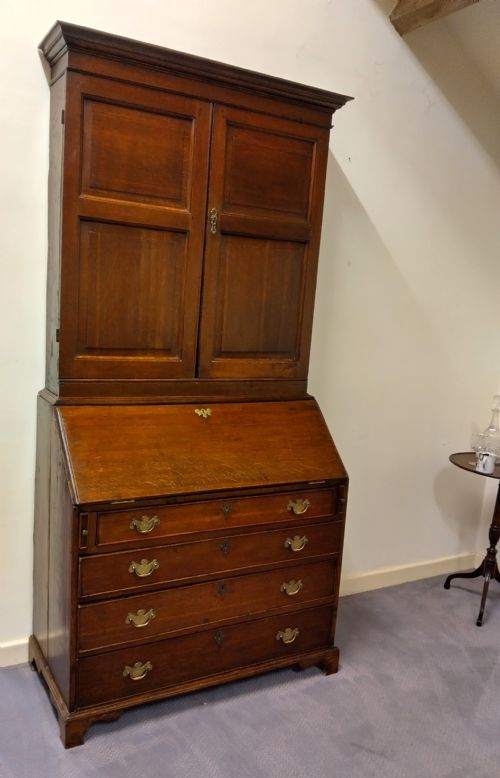
A georgian panelled cabinet encompasses a range of storage forms, from small wall-hanging corner cupboards to substantial linen presses and court cupboards. Buyers seek these pieces for their practical proportions and honest architectural joinery, which anchor both traditional and contemporary interiors.
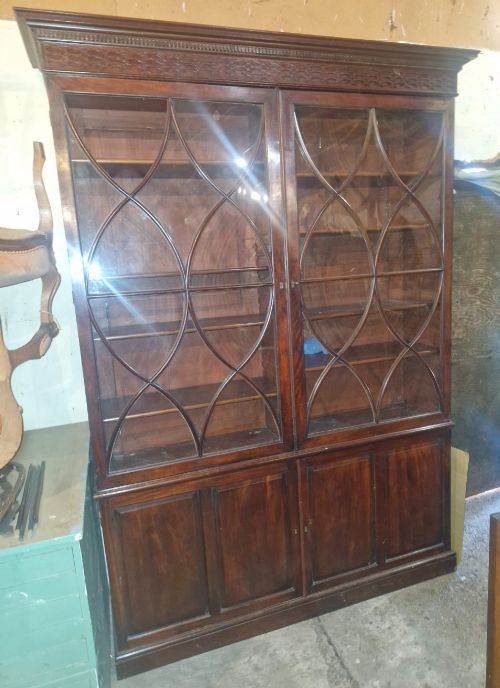
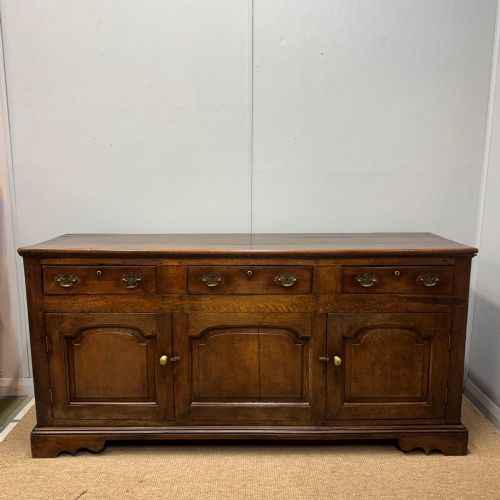
The versions most commonly met on this page belong to the Georgian and 18th century periods, executed primarily in native oak or imported mahogany. Forms vary widely between standing corner cupboards, side cabinets, and dresser bases, yet all share a reliance on panelled construction to stabilize the timber.
Regional vernacular pieces appear frequently alongside formal London-made items, showing distinct local character in timber selection and hardware. Welsh elm and English oak examples demonstrate the utilitarian roots of rural cabinet making, while mahogany pieces reflect urban refinement.
Factors of quality
The standard of timber selection and the precision of the joinery dictate the standing of a piece within its type. Superior examples feature carefully matched grain patterns across panelled doors and minimal later alterations to the original hinges, locks, and internal layout.
Depth of colour and patination achieved through decades of wax polishing separate finer cabinet work from utilitarian storage. The crispness of hand-carved mouldings and the retention of original brass hardware indicate the skill level of the original workshop.
Georgian Panelled Cabinet Retail Price Guide 2026
Typical asking prices for georgian panelled cabinet among the pieces listed under this phrase on Sellingantiques today, from the lower quarter to the upper quarter. They describe what is for sale here now, not the wider market.
Storage forms range widely from compact spice cupboards and wall-hanging units to expansive library bookcases and linen presses.
The Georgian Panelled Cabinet Glossary
- Panel
- A central section of woodwork fitted within a surrounding frame, designed to float and accommodate seasonal wood movement. This technique prevents the timber from splitting as temperature and humidity shift.
- Court cupboard
- An antique enclosed storage piece featuring multiple tiers, often with recessed upper sections supported by carved posts. These items represent some of the earliest vernacular forms found in domestic settings.
- Linen press
- A tall cupboard specifically designed for storing textiles and garments, typically featuring sliding trays in the upper section and drawers below. They offer substantial capacity within a disciplined architectural footprint.
- Dresser base
- A long low sideboard originally used for food preparation and serving in large kitchens. They frequently incorporate multiple drawers and panelled cupboards beneath a solid timber top.
- Patina
- The surface sheen and tonal depth acquired by wood through age, handling, and regular polishing. It serves as a visual indicator of long-term care and original finish integrity.
Georgian Panelled Cabinet: Frequently Asked Questions
How do I date a cabinet?
Dating relies on observing construction methods, timber choices, and hardware styles. Hand-cut dovetails, original iron or brass locks, and secondary woods provide strong clues to the decade of manufacture.
Stylistic markers such as bracket feet, cornice mouldings, and panel configurations further align pieces with specific periods like the 18th century or the Regency era.
Where should I place a corner cabinet?
Corner cupboards suit awkward angles and empty room junctions, utilising dead space for practical storage. Wall-hanging versions work well above sideboards or desks, while standing models anchor empty corners in dining rooms and hallways.
Ensure the wall angles match the square or splay of the cabinet back to achieve a flush fit.
How do I care for antique oak?
Maintain timber surfaces by applying a traditional beeswax polish every few months to nourish the grain and preserve the patina. Avoid placing pieces near direct heat sources or in strong sunlight, which causes timber to dry out and split.
Dust regularly with a soft, dry cloth rather than using silicone-based sprays.