


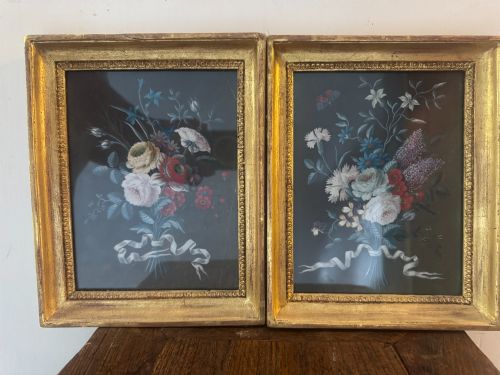


Georgian Painting Print
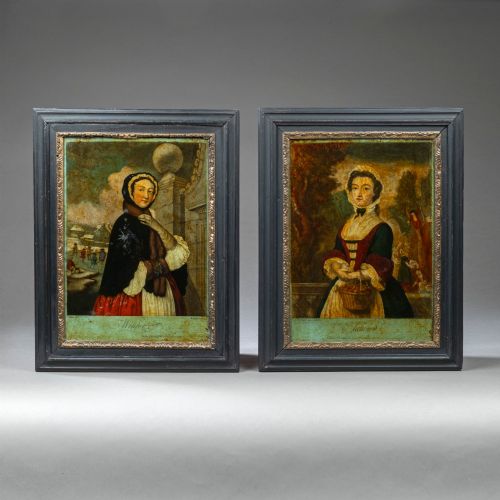
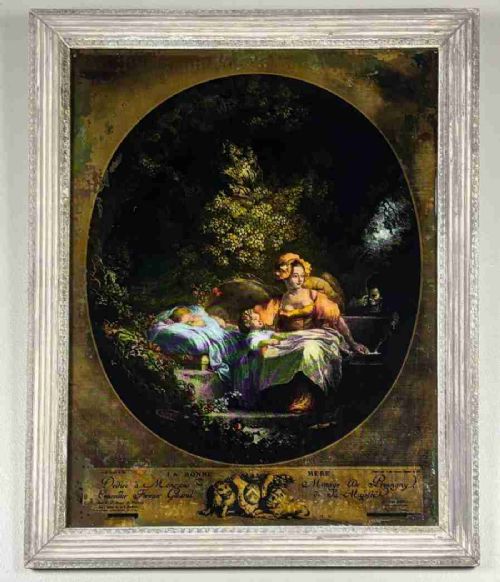
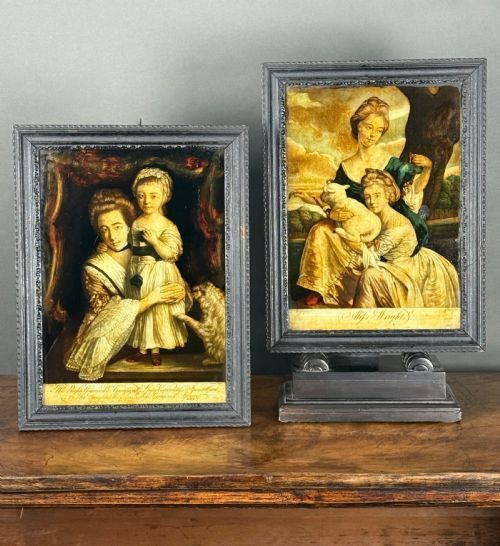
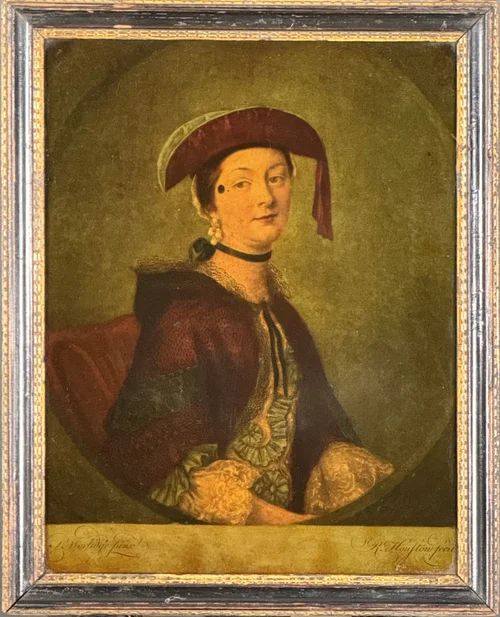
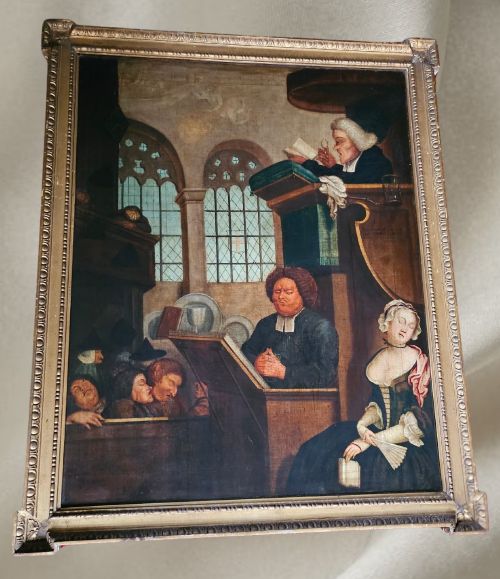
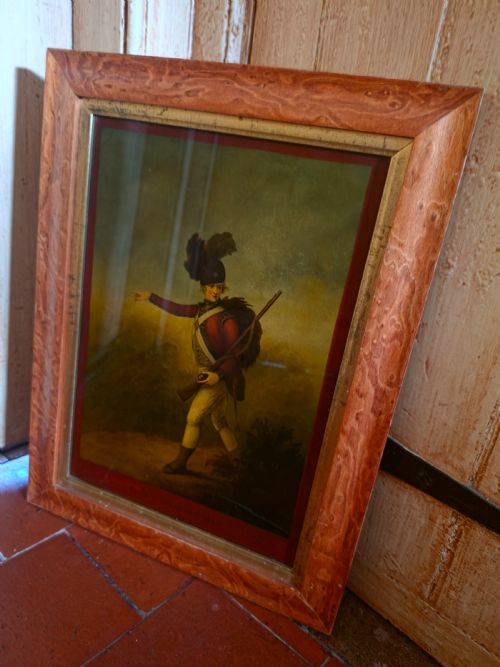
These georgian painting print selections encompass reverse glass mezzotints, watercolours and oil paintings housed in period frames.
Georgian Painting Print
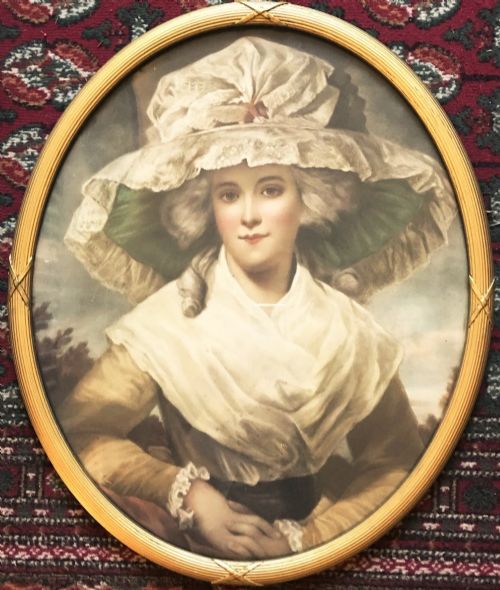
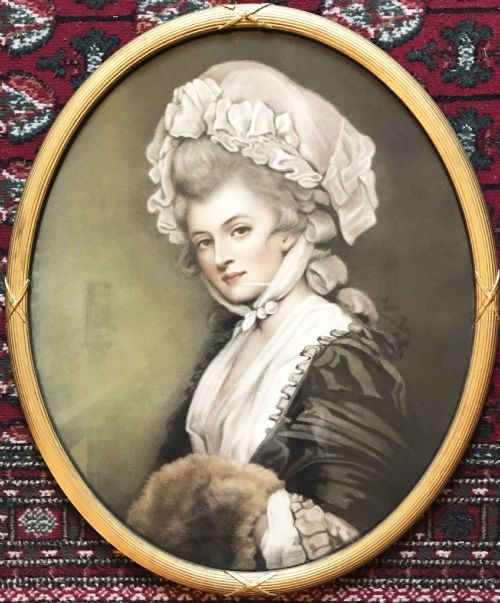
A georgian painting print typically refers to artworks and printed imagery originating from the eighteenth and early nineteenth centuries, covering periods from the Georgian era through to the Regency. Buyers examining this category encounter a diverse selection of wall art, including framed portraits, botanical studies, religious subjects and maritime engagements.
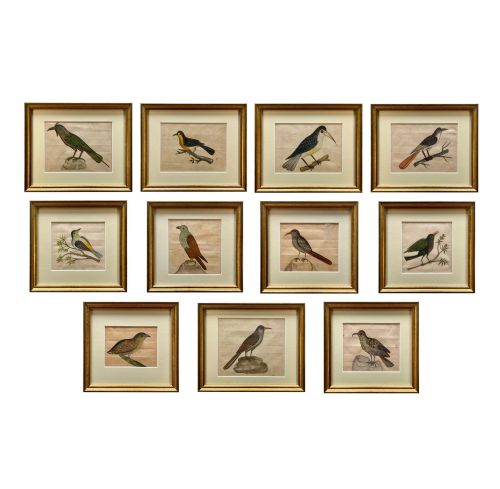
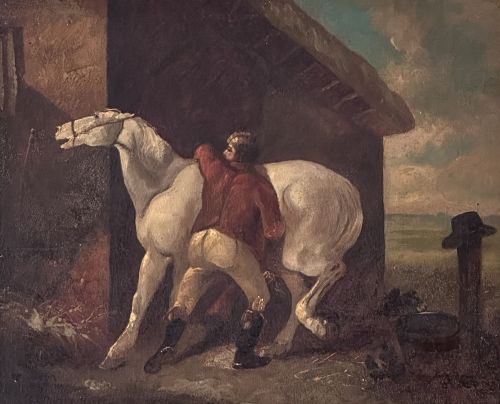
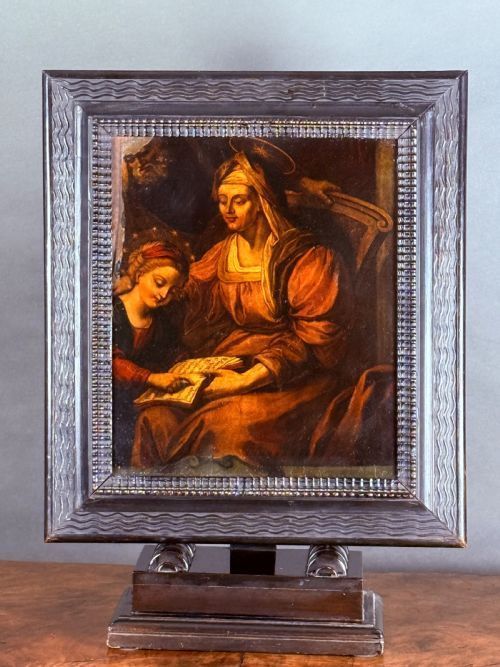
The prevalent form on this page is the reverse glass print or mezzotint, alongside watercolours, gouache still lifes and oil paintings on canvas or wood. These pieces range from intimate portrait miniatures to large framed works depicting historical scenes, allegorical seasons and domestic employments.
Origins span British production as well as continental works, reflecting the tastes of collectors who pursue period interiors with authentic visual records. The inventory captures both hand-coloured engravings transferred to glass and original pigment compositions on paper.
How they were made
Reverse glass paintings and mezzotints required applying pigment or ink directly to the underside of a glass sheet, often transferring a printed mezzotint image face-down onto the glass before hand-colouring with oils or watercolours. This intricate technique protected the delicate pigments from dust and fading while producing a distinctive glossy surface sheen.
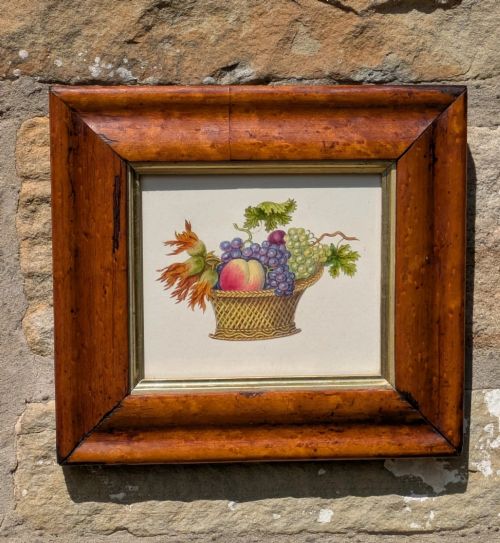
Watercolours and gouache works were executed on paper using fine pigments, occasionally combined with monochrome ink or graphite underdrawings. Painters and printmakers utilised copper plates for mezzotints, working alongside framers who housed these items in timber mouldings such as maple or gilt wood.
Georgian Painting Print Retail Price Guide 2026
Typical asking prices for georgian painting print among the pieces listed under this phrase on Sellingantiques today, from the lower quarter to the upper quarter. They describe what is for sale here now, not the wider market.
Recorded periods span the 18th Century, Georgian, Regency, 19th Century, and Victorian eras.
What varies in quality
Framing also dictates overall merit, particularly where original period surrounds like maple or gold leaf mouldings remain intact with the artwork. The depth of the colour saturation and the clarity of the underlying mezzotint impression distinguish finer publisher outputs from simpler decorative variants.
Fletcher·Sebastiaan Vrancx·Charles Spooner·William Hogarth·Richard Purcell·Frye·Sir Joshua Reynolds·W. Bishop·Thomas Gainsborough·Richard Phillips·George Morland·W Ward
The Georgian Painting Print Glossary
- Mezzotint
- A printmaking process of the intaglio family where the plate is roughened uniformly to produce dark tones, then scraped to create light areas. This technique allows for subtle gradations of light and shade.
- Reverse Glass Painting
- An artwork created by painting or applying a transferred print to the back side of a piece of glass and viewing it from the front. The glass acts as the protective picture plane and imparts a lustrous finish.
- Gouache
- An opaque water-based paint consisting of pigment, water, and a binding agent such as gum arabic. It dries to a matte, velvety finish.
- Regency
- The period in British history from 1811 to 1820 when the Prince Regent ruled in place of the incapacitated George III, characterised by distinct neoclassical design motifs in art and furnishings.
- Gilt Wood
- Timber that has been coated with a thin layer of gold leaf or gold paint for decorative effect. It frequently frames period prints and mirrors.
Georgian Painting Print: Frequently Asked Questions
What is a reverse glass print?
A reverse glass print is an image transferred and painted directly onto the rear surface of a glass panel. Viewers observe the finished artwork through the front of the glass.
This method protects the delicate pigments underneath while creating a smooth, reflective surface quality distinct from paper prints.
How should I hang these artworks?
These framed pieces require stable wall fixings away from direct sunlight and excessive moisture. Glass and paper elements are sensitive to environmental shifts.
Positioning them on interior walls helps preserve the pigments and prevents warping in timber frames like maple or gilt wood.
Are these works original or copies?
The category includes both original painted watercolours and oils alongside period printed mezzotints that were hand-coloured after printing. Printmaking in this era often involved distinct publishing houses and engravers.
Examining the medium helps determine whether a piece is a direct pigment painting on paper or a printed image transferred onto glass.
How do I identify a Georgian frame?
Georgian frames typically feature specific timber selections, hand-carved mouldings, and gold leaf applications consistent with eighteenth-century cabinetmaking practices. They often house the artwork securely from the reverse.
Original framing contributes significantly to the historical context and integrity of the piece.