
Georgian Painted Stand
Georgian painted stand pieces bring together period utility and decorative surfaces, offering distinctive forms that anchor a room.
Georgian Painted Stand
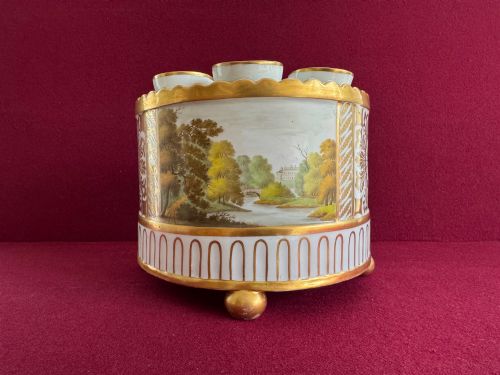
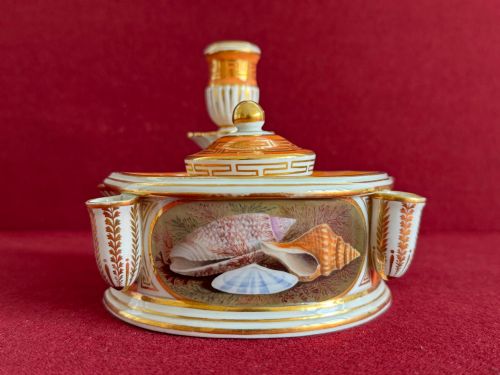
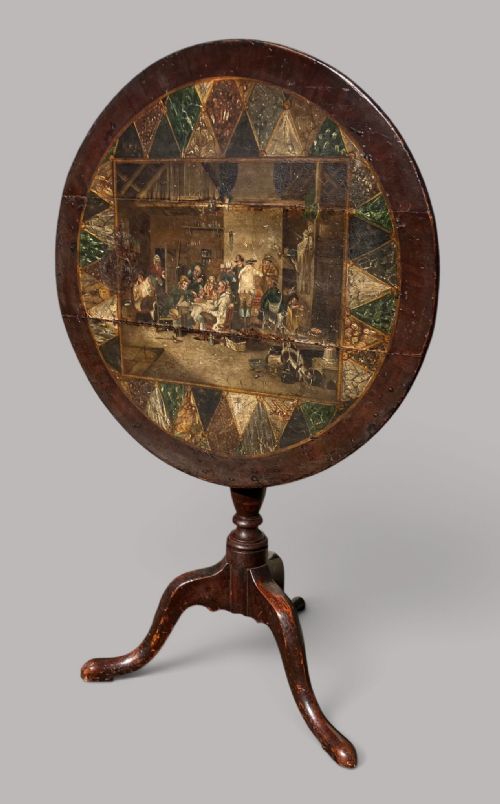
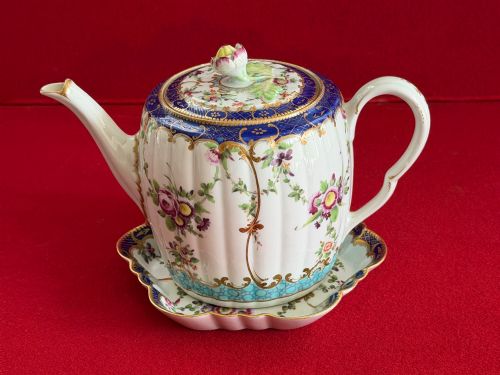
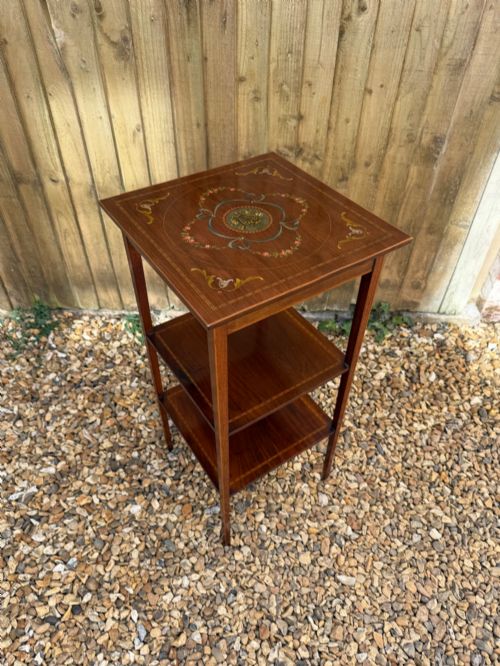
A georgian painted stand encompasses functional household items ranging from washstands and plant stands to specialised boxes on stands and bookcases. The selection spans the eighteenth and nineteenth centuries, with notable pieces appearing in original paint finishes, pine, oak, and mahogany.
Buyers frequently encounter washstands, tripod tables, and corner cupboards alongside larger case furniture like longcase clocks. Regional variations include Scottish and Welsh examples, reflecting local timber choices and cabinet-making traditions of the period.
How they were made
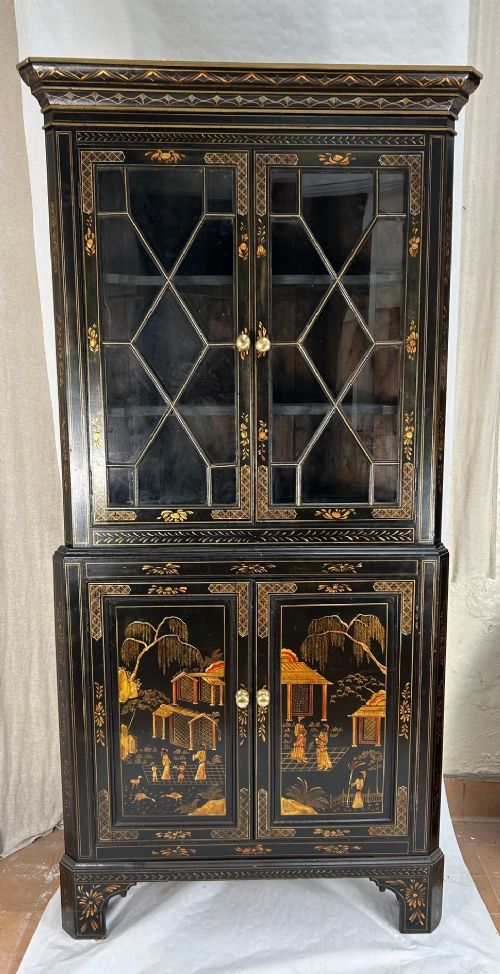
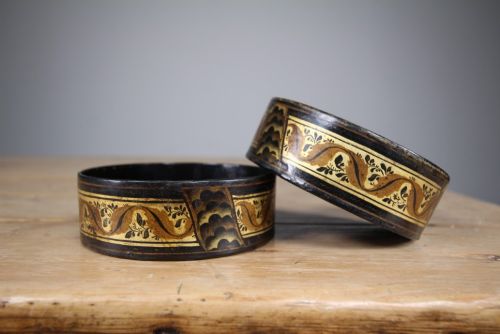
Construction relies heavily on traditional timbers such as oak, mahogany, and pine, shaped and joined by hand. Surfaces are frequently finished with applied paint, lacquer, or decorative schemes including chinoiserie motifs.
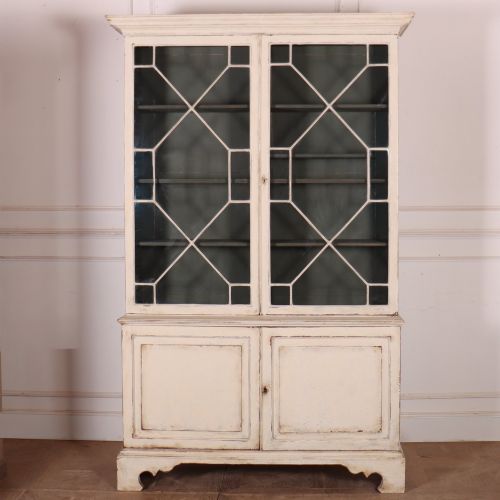
Makers utilised durable joinery techniques appropriate to each form, from the turning of tripod legs to the housing of clock movements and glazed bookcase doors.
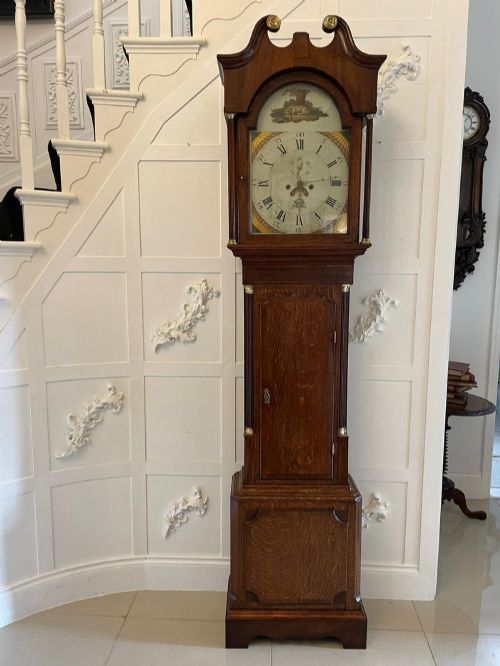
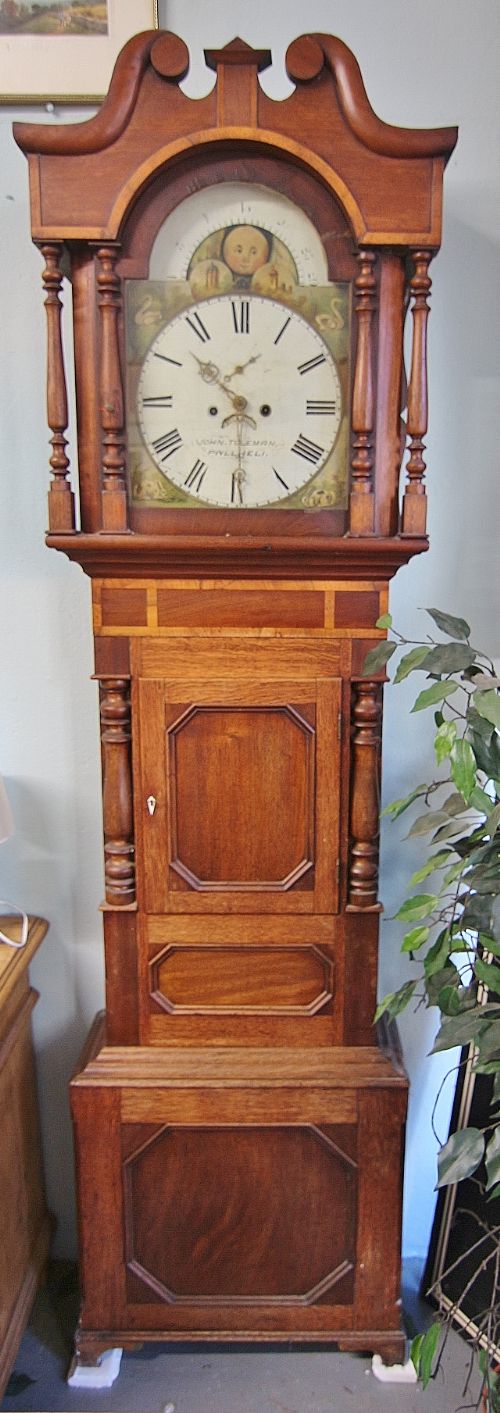
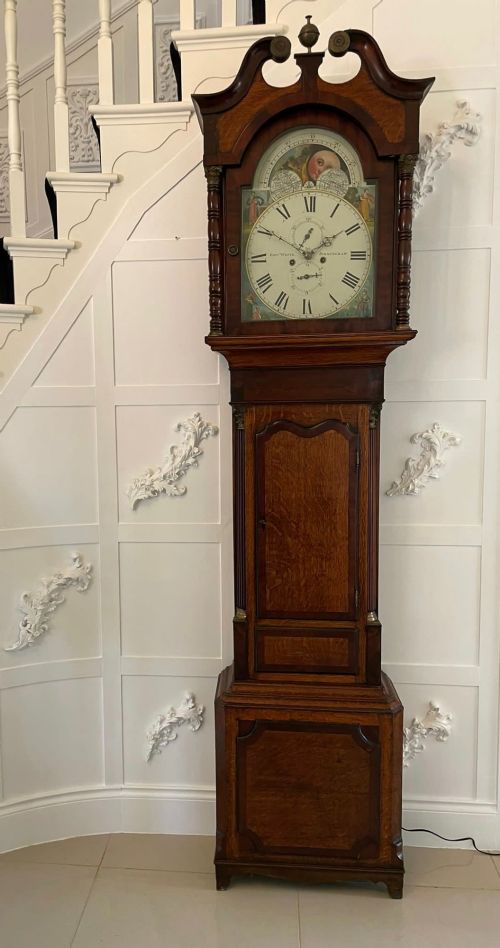
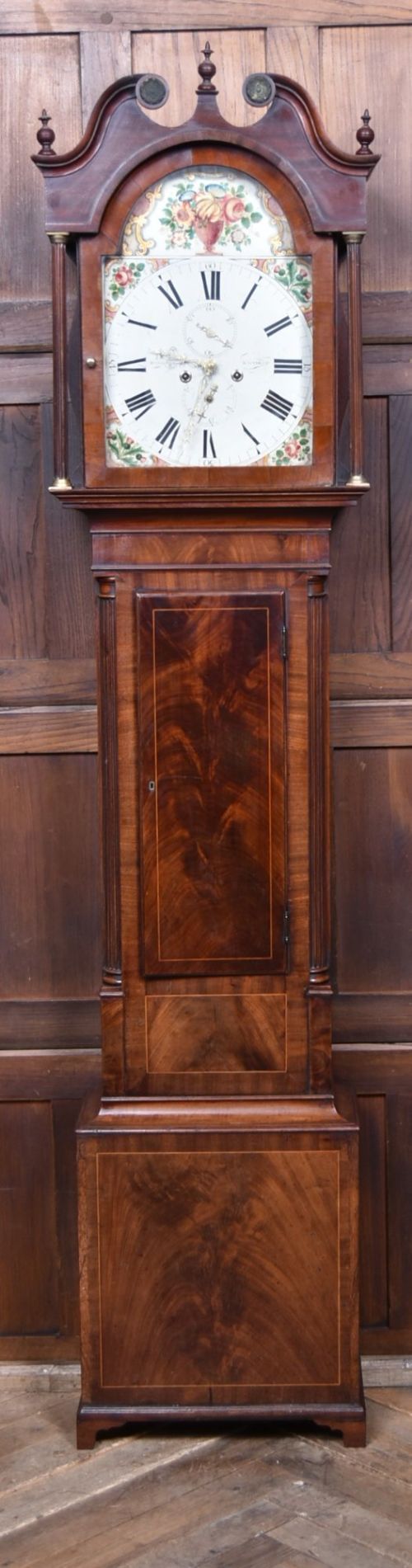
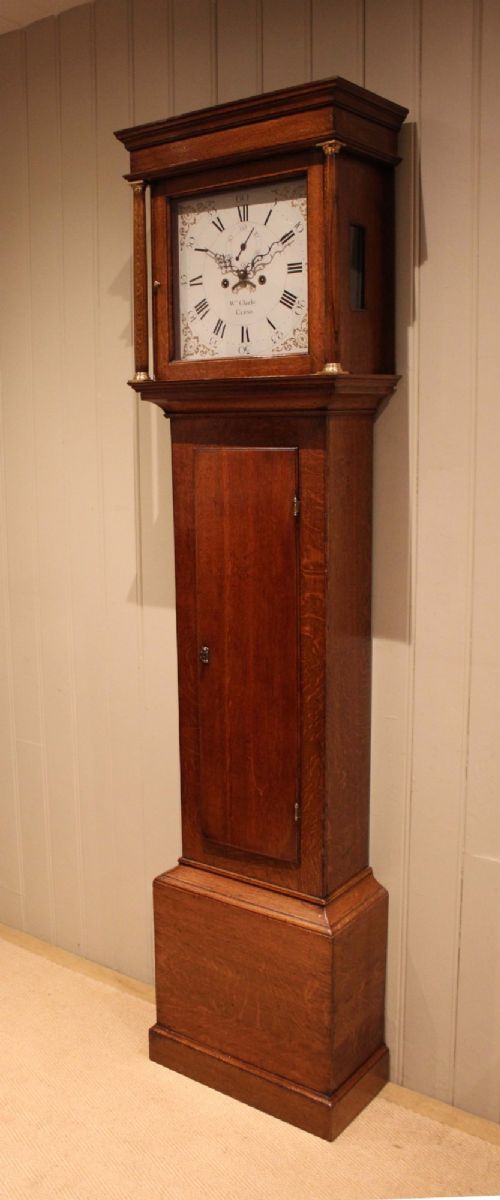
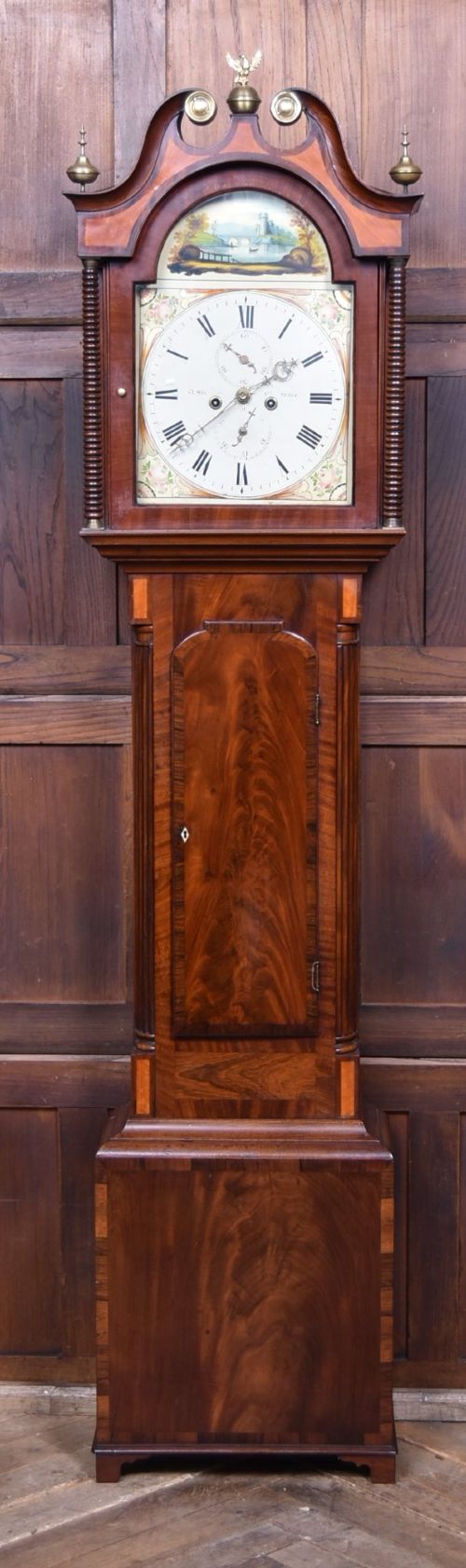
Several longcase clocks record the passage of time alongside painted moon dials and rural Scottish provenance.
What varies in quality
Quality rests significantly on the survival and integrity of the original paint surface or decorative scheme rather than later redecoration. The crispness of carved details, the proportion of the timber, and the balance of the form distinguish finer examples from standard utility pieces.
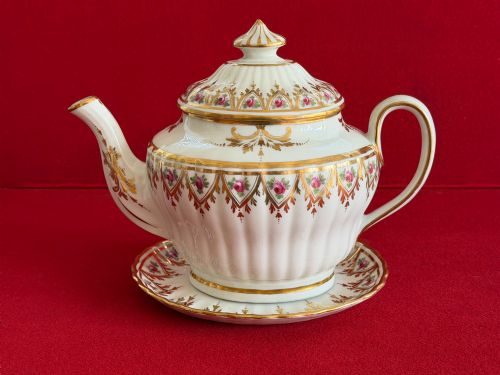
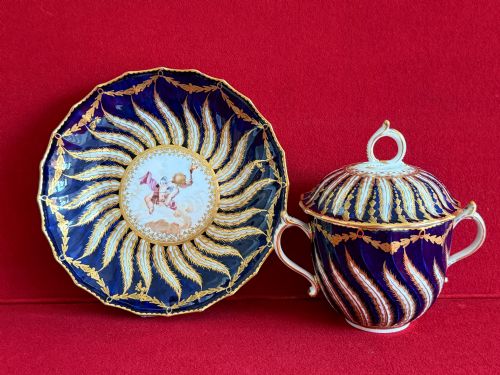
Provenance and maker attribution, particularly on longcase clocks and porcelain stands, elevate a piece, as does the retention of original brass hardware and movement components.
John fielder of Alton·Hendrie Ogg·D. Straiton·William McEwan·Edward Shepley
The Georgian Painted Stand Glossary
- Chinoiserie
- European interpretations of Chinese and East Asian artistic traditions, frequently expressed through lacquered decoration and painted motifs on furniture.
- Longcase clock
- A tall freestanding clock enclosing a pendulum and weights, often housed in a wooden case of oak or mahogany.
- Washstand
- A specialised piece of furniture designed to hold a basin and washing equipment, frequently constructed in pine or mahogany during the Georgian period.
- Tripod table
- A small occasional table supported by a pillar above three spreading feet, popular for tea or display use.
- Etagere
- A set of open shelves for displaying small objects, appearing in painted woods during the later periods.
Georgian Painted Stand: Frequently Asked Questions
What is a georgian painted stand used for?
These pieces served various domestic functions, from holding washing basins and plants to displaying porcelain tea wares or supporting clocks.
Over time, their roles shifted from strictly utilitarian household items to decorative focal points within period interiors.
How do I identify original paint?
Original paint surfaces show natural wear, stable craquelure, and pigment layers that match the age of the underlying timber. Later overpainting often obscures the crispness of the wood beneath and exhibits different levels of oxidation.
Examining corners and protected undersides helps reveal the primary decorative scheme applied by the maker.
Are these stands suitable for daily use?
Sturdily built from dense timbers like oak and mahogany, most stands remain robust enough for everyday placement in a modern home. Care should be taken with delicate painted surfaces and wirework to prevent accidental knocks.
Placing them away from direct heat sources protects the timber and finish from drying out.
How do I tell a Georgian piece from a later copy?
Georgian cabinet-making relies on hand-cut joints, traditional fixings, and timber characteristic of the eighteenth and early nineteenth centuries. Secondary woods used inside cupboards and drawers also provide reliable clues to age and origin.
Construction methods that incorporate modern machine tooling or mismatched hardware suggest a later date or subsequent alterations.