
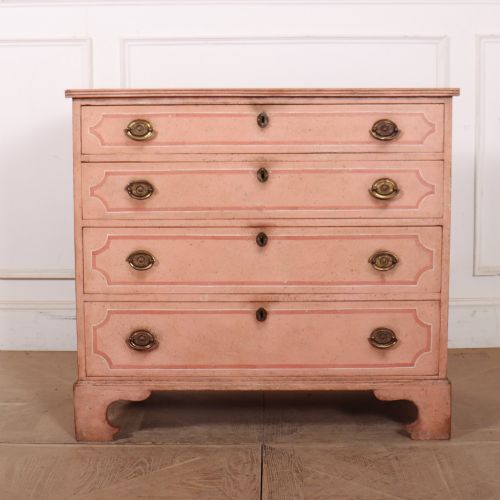
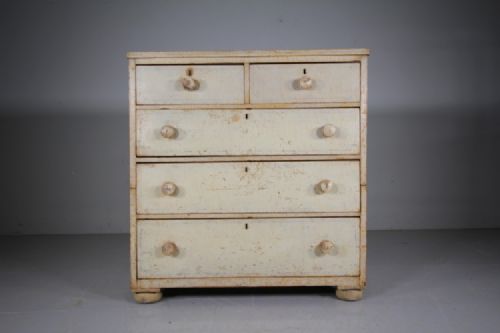
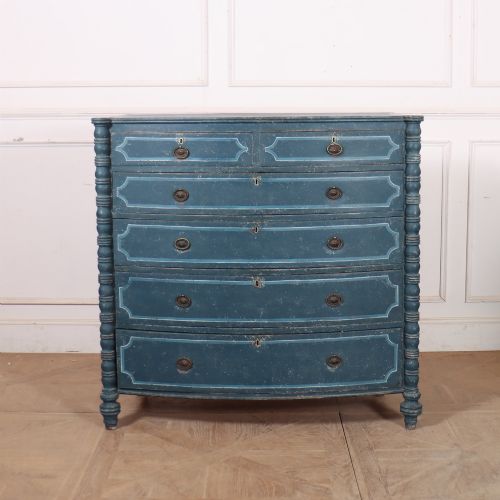
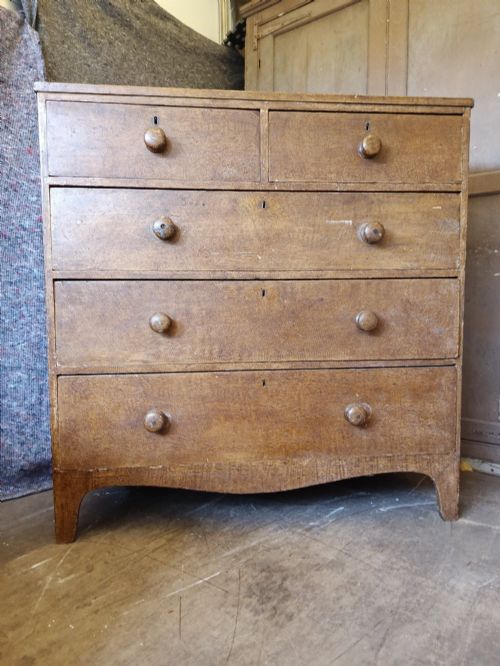
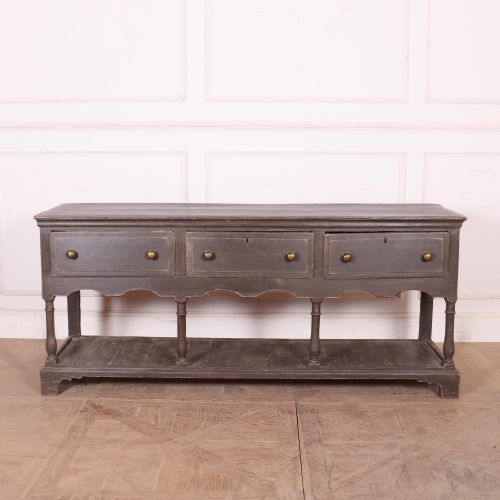
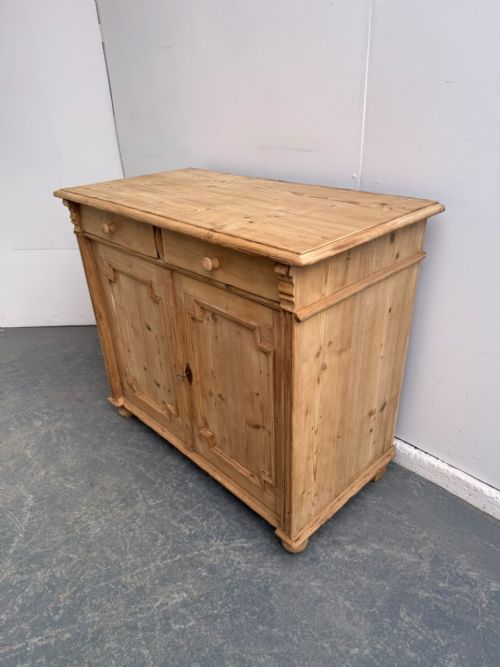
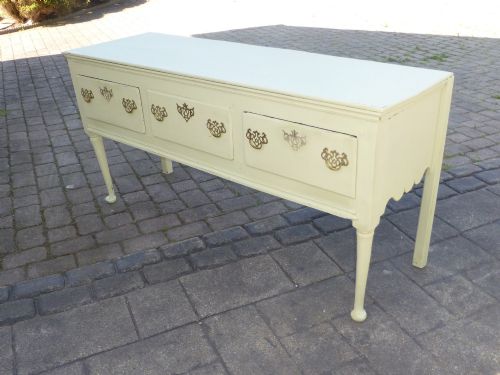

Georgian Painted Dresser
A georgian painted dresser brings sturdy utility and historic charm into a modern room through time-worn timber and layered pigment.
Georgian Painted Dresser
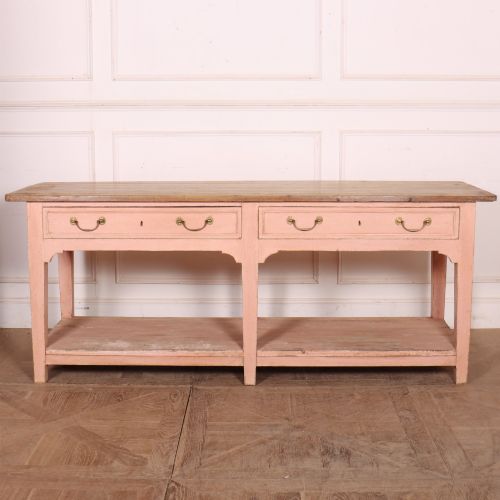
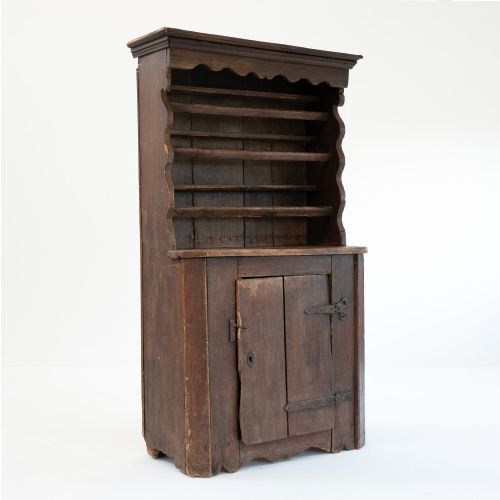
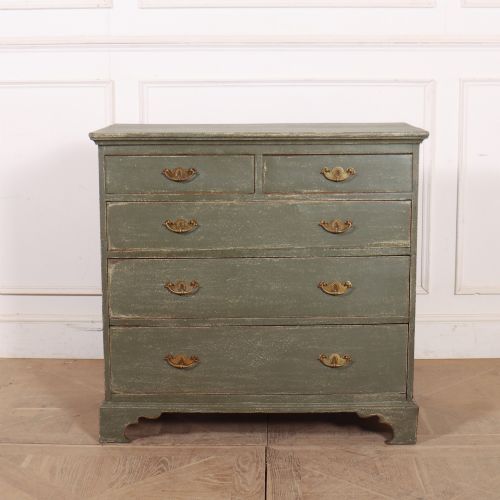
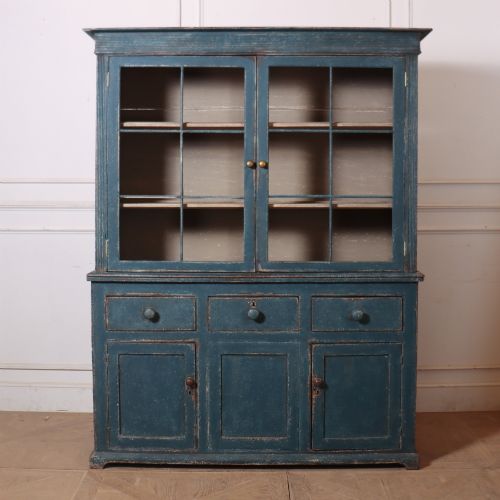
A georgian painted dresser typically manifests as a sturdy base with drawers or cupboards, occasionally accompanied by upper plate shelves, built from timber like pine or oak. Buyers frequently encounter regional variations such as West Country, Welsh, or Irish examples displaying the distinctive regional joinery of the period.
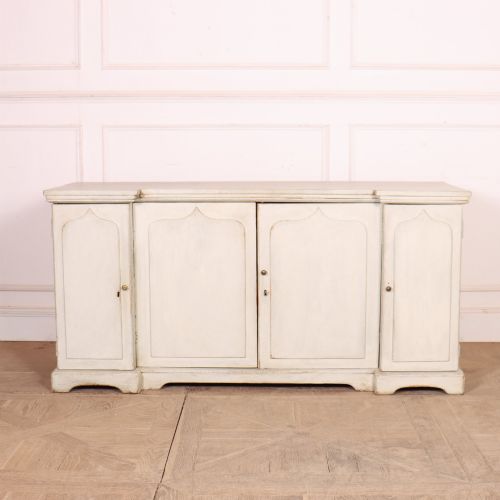
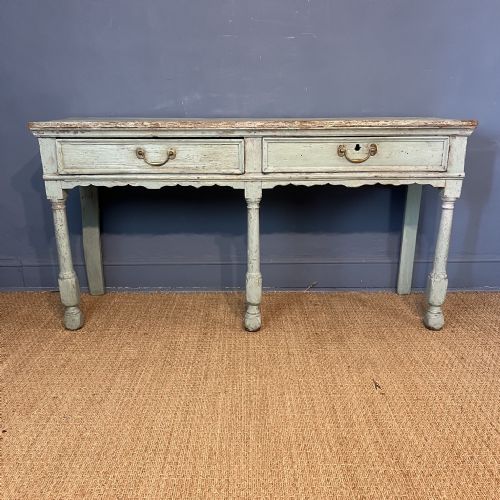
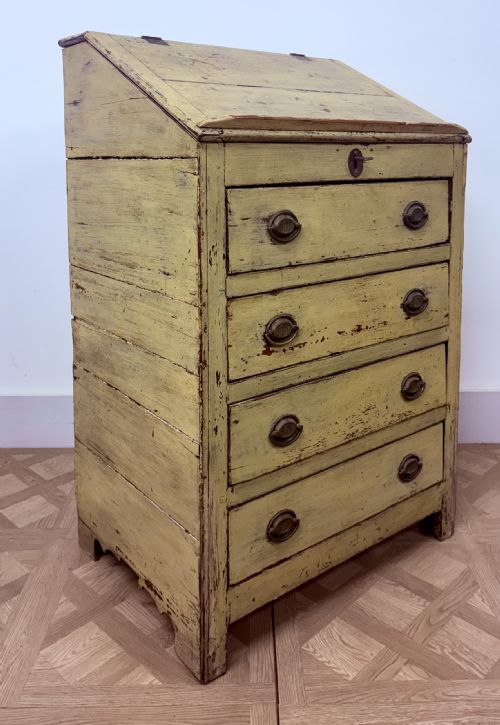
The selection also encompasses related forms like painted chests of drawers, serving tables, and housekeeping cupboards originating across the eighteenth and nineteenth centuries. These pieces reflect a utilitarian domestic history, constructed in two parts or as single carcasses designed for heavy daily use in kitchens and country houses.
Materials and Construction
Construction relies heavily on native timbers such as pine, oak, and ash, assembled with traditional joinery methods suited to utilitarian furniture. Surfaces are finished with paint, often historic or original, applied over wood that may show signs of age, wear, and subsequent layers of decoration.
Hardware details typically include brass fixtures, while structural configurations incorporate potboards, panelled doors, and dovetailed drawers. The combination of softwood carcasses and hardwood working parts demonstrates the pragmatic approach of period makers.
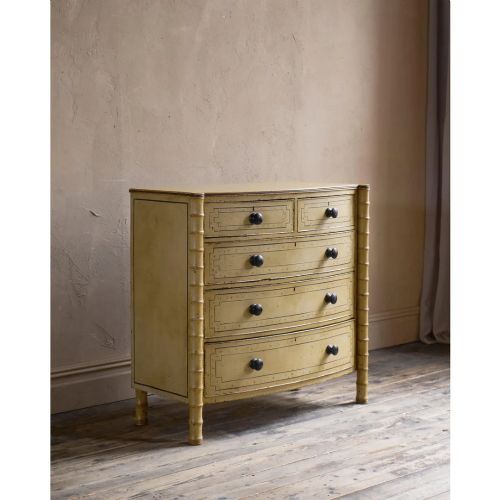
The inventory records regional English, Welsh, Irish, and Hungarian origins, encompassing dressers, potboard bases, and bowfront chests.
Judging the Standard
Quality rests upon the survival of original surface decoration and the integrity of the timber beneath, with untouched historic paint commanding greater interest. The crispness of proportions, uncompromised structural joins, and retention of original brass hardware elevate certain examples above standard utilitarian pieces.
Regional distinctiveness and provenance contribute significantly to a piece's standing, as specific West Country or Welsh forms display more ambitious proportions and refined vernacular detailing. The balance between domestic utility and decorative presence ultimately determines how successfully a piece holds its character.
The Georgian Painted Dresser Glossary
- Potboard
- An open slatted lower shelf on a dresser base designed for storing heavy pots and pans. This feature is particularly common on English and Welsh country examples.
- Bowfront
- A convex, curved front on a chest of drawers or dresser base. This stylistic choice softens the rectilinear appearance of case furniture.
- Breakfront
- A piece of furniture featuring a central section that projects forward from the flanking outer sections. This architectural arrangement creates depth and shadow on larger dresser bases.
- Dovetail
- A joint formed by interlocking wedge-shaped fingers, utilised extensively in drawer construction. Hand-cut variations indicate the period of manufacture prior to industrial mass production.
- Commode
- A low cabinet with drawers or doors, functioning similarly to a small sideboard or large chest. The term appears alongside serpentine forms in eighteenth-century contexts.
Georgian Painted Dresser: Frequently Asked Questions
How do I care for original paint?
Original painted surfaces require gentle dusting with a dry cloth and protection from direct sunlight and excessive moisture.
Avoid chemical cleaners or abrasive polishes that might strip the historic pigment from the underlying pine or oak timber.
Are these dressers made in two parts?
Many larger examples were constructed in separate upper and lower sections to facilitate transport and placement in domestic spaces.
Dresser bases often function independently without their original top shelving units, as seen in numerous surviving examples.
What timber was used?
Makers relied predominantly on accessible regional woods such as pine, oak, and ash for both structural framing and visible surfaces.
Secondary woods like deal or fruitwood frequently appear in internal drawer construction and backing boards.