


Georgian Pad Foot Desk
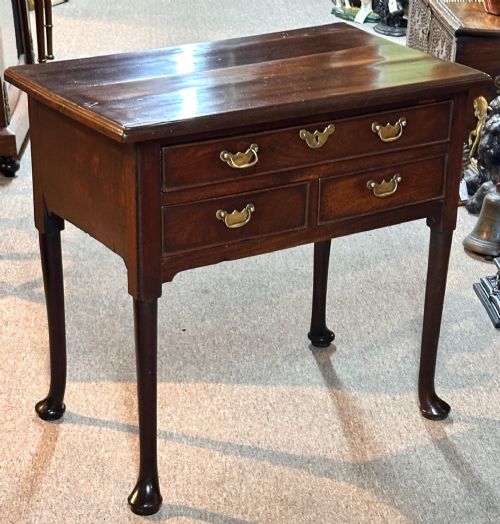
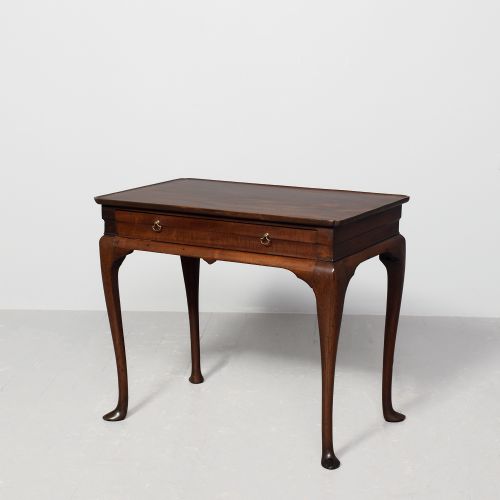
These georgian pad foot desk pieces span side tables, lowboys, and chairs from the eighteenth and nineteenth centuries.
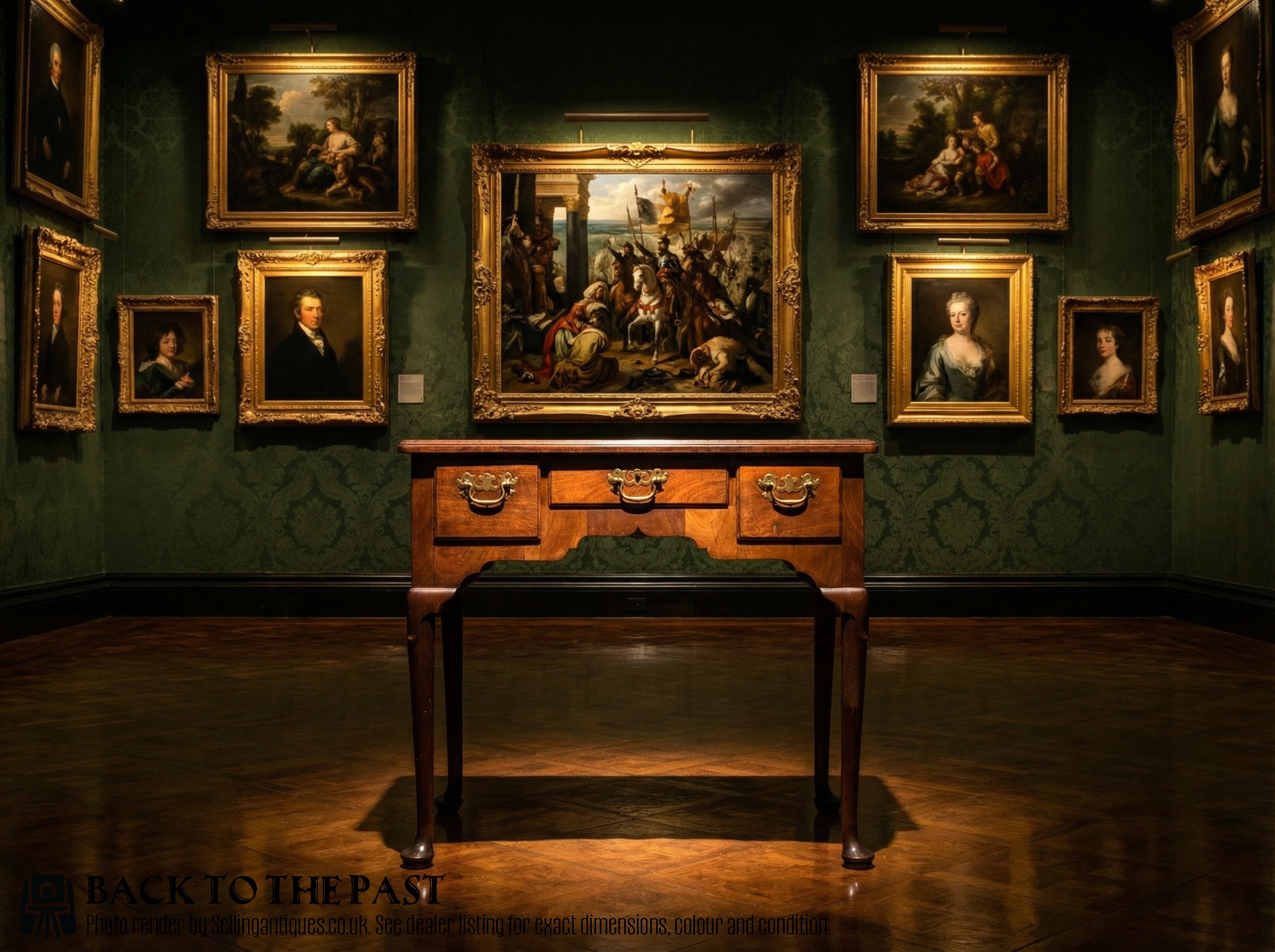
Georgian Pad Foot Desk
When you search for a georgian pad foot desk, you find lowboys, side tables, and writing tables dating across the eighteenth century. These forms served various domestic writing and reception functions in period homes.
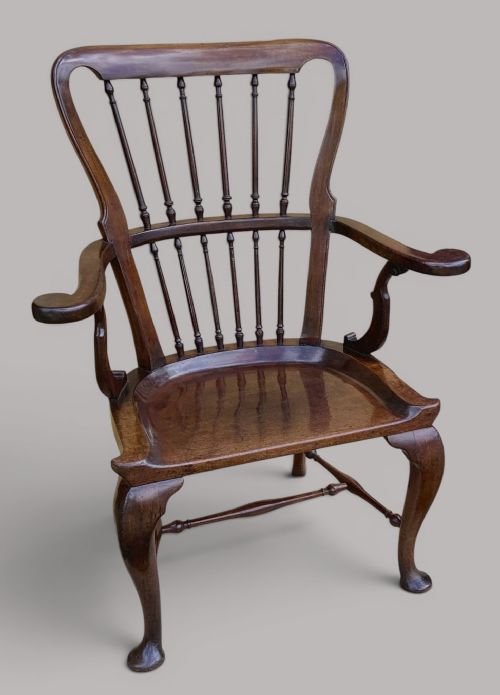
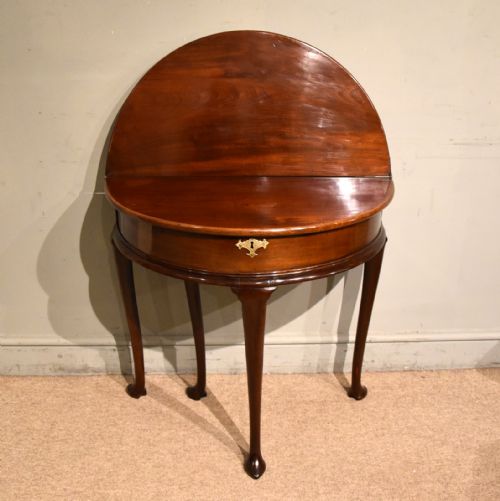
The pieces on this page lean heavily toward eighteenth-century lowboys and side tables in oak, walnut, and mahogany. You will also encounter occasional armchairs and games tables sharing the same regional cabinet-making traditions.
Materials and construction
Cabinet-makers relied primarily on solid mahogany, oak, and walnut, frequently enhancing surfaces with rich timber grains. Cherrywood and red walnut also appear among the listed examples.
Joinery techniques matched the demands of the period, employing sturdy frames and turned or cabriole supports suited to daily domestic use.
Several lowboys doubled as writing desks when someone pulled up a stool.
Quality and proportion
Quality rests in the choice of timber figures and the crispness of the turning on the legs. Substantial oak and finely figured walnut represent distinct tiers of regional workshop output.
Proportion and structural integrity define the better examples, where original brass hardware and untouched timber surfaces survive intact.
The Georgian Pad Foot Desk Glossary
- Lowboy
- A small domestic table with one or more drawers, frequently used as a writing or dressing table. These typically feature cabriole or straight legs.
- Pad foot
- A simple rounded foot found at the base of a cabriole leg, resting directly on the floor. It provides a stable termination without elaborate carving.
- Cabriole leg
- A furniture leg that curves out in a convex arc and tapers out in a concave arc, mimicking animal limbs. This form dominated much eighteenth-century seating and table design.
- Gateleg table
- A table with hinged leaves supported by swing-out legs that resemble a gate. This construction allows the surface area to expand or contract easily.
Georgian Pad Foot Desk: Frequently Asked Questions
What is a lowboy used for?
A lowboy served as a small multi-purpose table for writing, correspondence, or dressing in eighteenth-century rooms.
Its compact size allowed placement in reception halls, bedrooms, and small studies.
How do I identify a Georgian table?
Georgian tables show specific timber choices like mahogany, oak, and walnut combined with period joinery.
Look for traditional leg forms such as pad feet and cabriole shapes characteristic of the eighteenth century.
Where should I place a side table?
These side tables fit well in hallways, living rooms, and studies as functional surface areas.
Their restrained proportions make them adaptable to various modern and traditional interior layouts.
What woods were used most?
Makers utilised dense hardwoods including mahogany, walnut, and oak for structural durability and finish.
Cherrywood and red walnut appear less frequently but reflect the diverse regional timber supplies of the era.