

Georgian Oval Frame
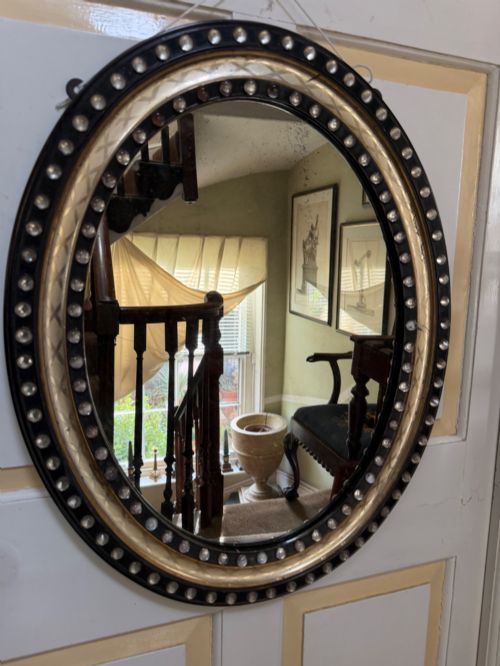
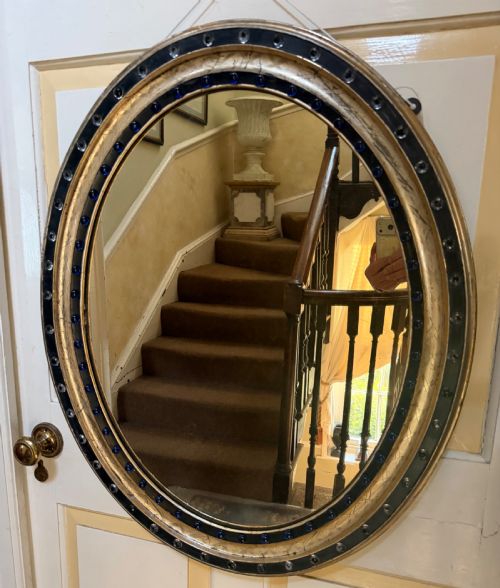
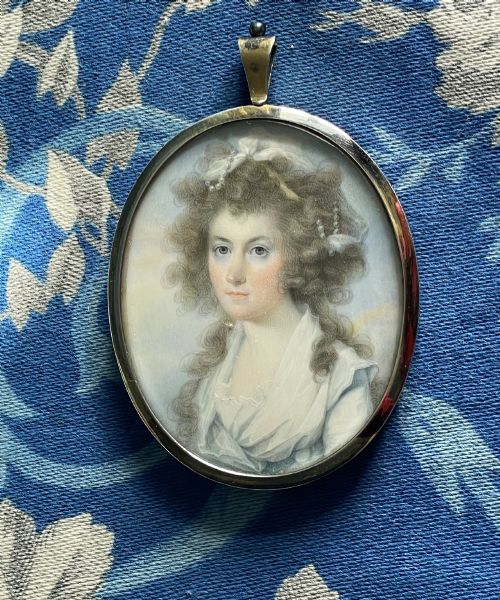
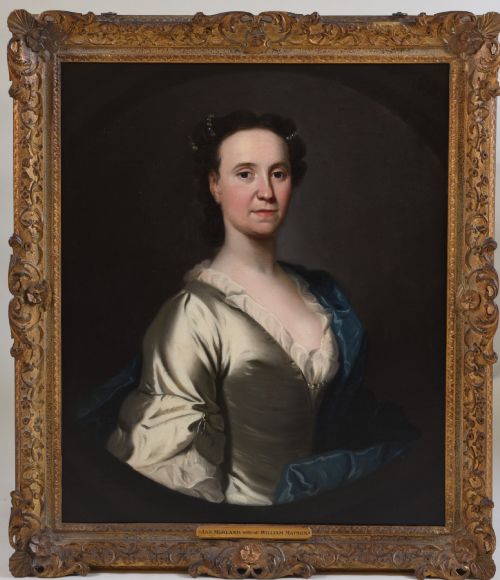
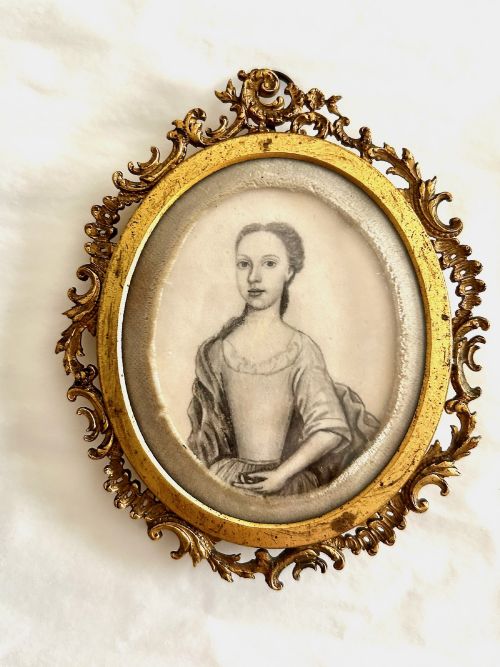
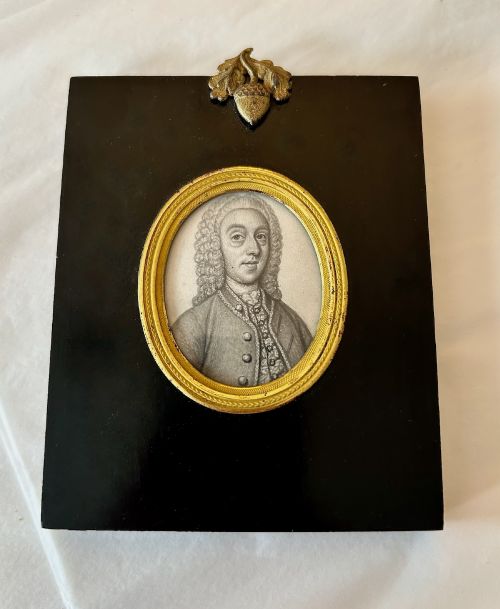
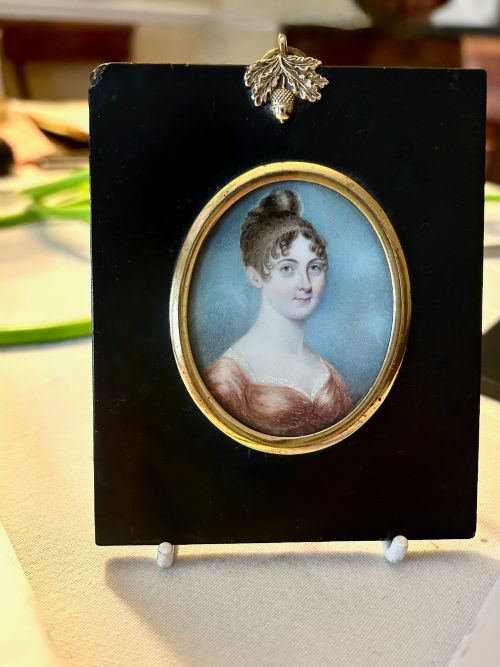
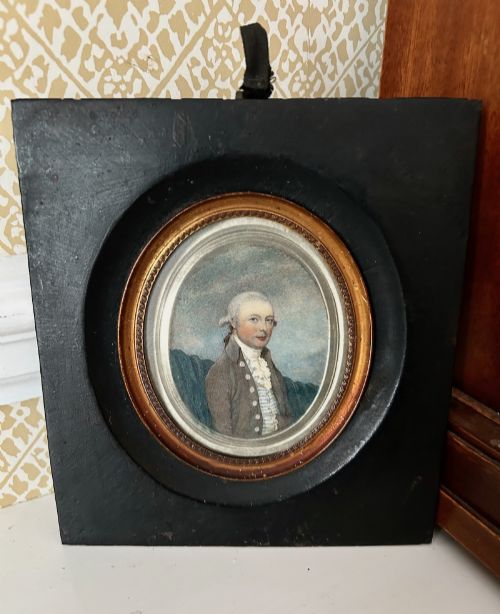
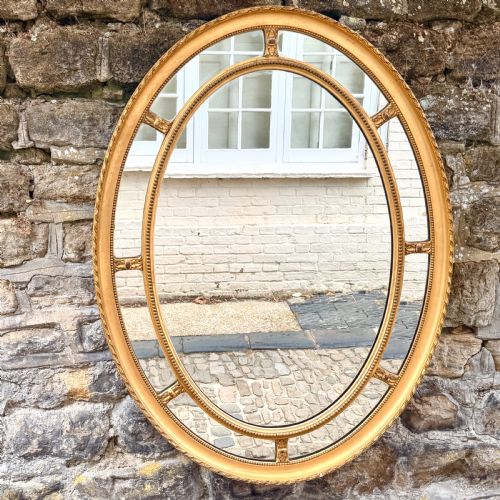
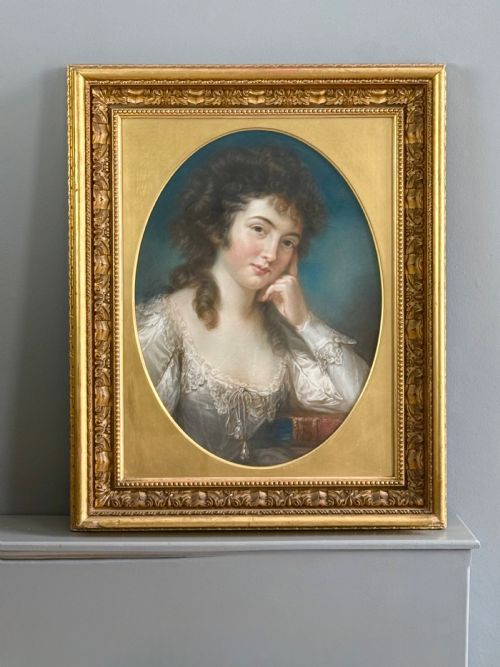
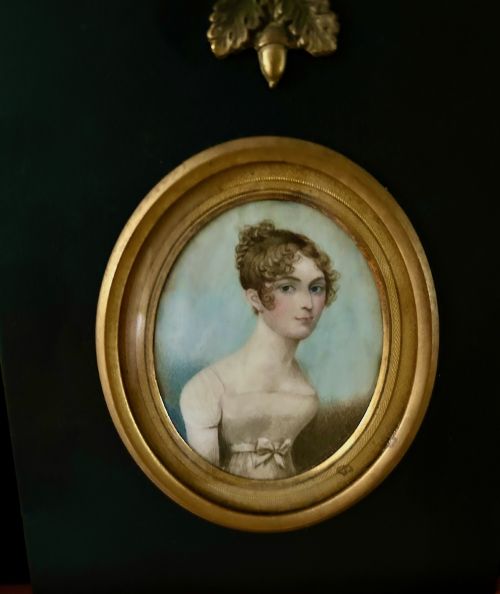
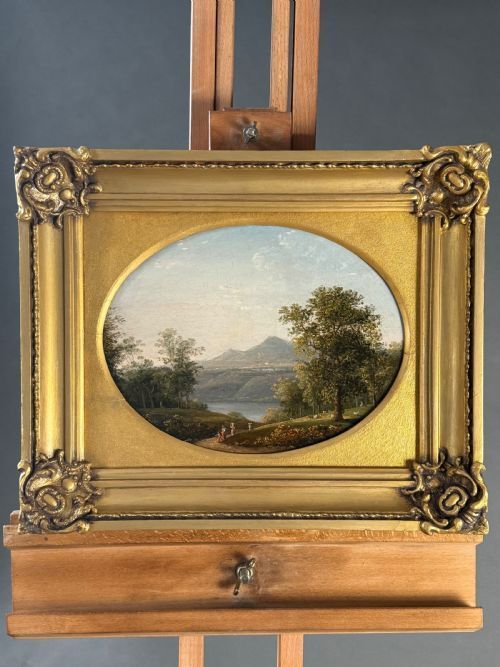
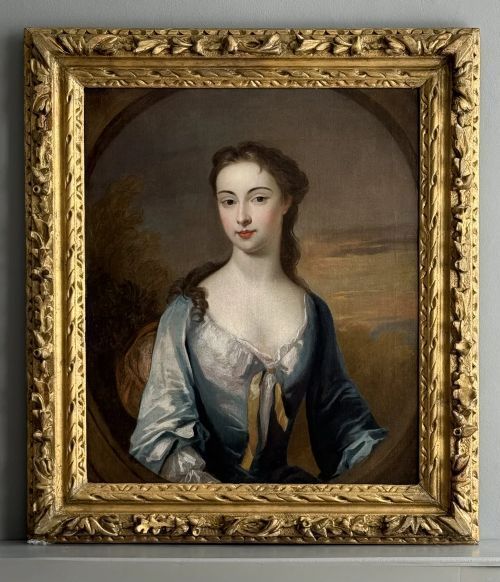
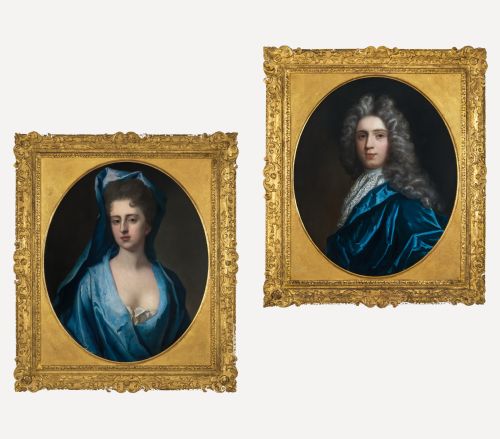
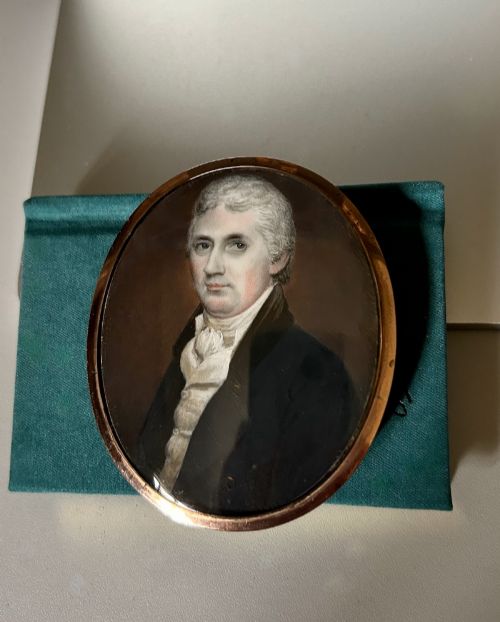
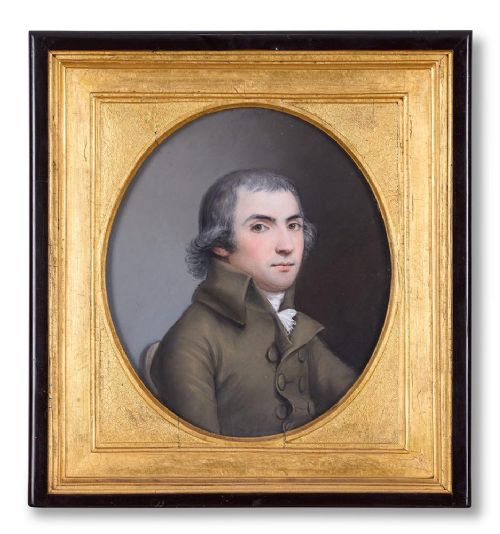
A georgian oval frame encloses portrait miniatures, oil paintings, watercolours, and wall mirrors from the eighteenth and nineteenth centuries.
Georgian Oval Frame
A search for a georgian oval frame brings up works centred on portrait miniatures, paintings, prints, and wall mirrors shaped to the distinctive curved border. These pieces date predominantly from the eighteenth and nineteenth centuries, with occasional examples extending into the seventeenth century.
Buyers encounter oil on canvas paintings, watercolours on paper or ivory, pastels, silhouettes, and carved giltwood or gesso mirrors. The selection spans domestic portraiture, landscapes, and engravings housed within their original or period surrounds.
Styles range across Georgian, Regency, Adam Revival, Neoclassical, and French Rococo designs. Each object marries the pictorial art with the curved enclosure designed to present it.
How They Were Made
Makers constructed the surrounds using wood, brass, and giltwood, applying gold leaf to gesso and carved timber for the wall mirrors and picture borders. Portrait miniatures and works on paper relied on glass to protect the delicate media.
Painters and illustrators applied oil on canvas, watercolour, pastel, and ink, while silhouettists worked with paper and reverse-painted glass. Craftsmen shaped the timber and cast metal to fit the curvilinear format precisely.
Georgian Oval Frame Retail Price Guide 2026
Typical asking prices for georgian oval frame among the pieces listed under this phrase on Sellingantiques today, from the lower quarter to the upper quarter. They describe what is for sale here now, not the wider market.
Several gentlemen wear elaborate periwigs, while others clutch smoking pipes.
What Varies in Quality
The finesse of the carving on giltwood and gesso frames distinguishes workshop output, where crisp acanthus leaves and smooth sweeps elevate an object. In paintings and miniatures, the brushwork's precision and the sitter's rendered expression dictate the standard.
Originality of the pairing between the artwork and its enclosure influences desirability. Intact glass, untouched gold leaf, and well-preserved painted surfaces separate well-maintained examples from heavily restored pieces.
Anna Tonelli·John Russell·Michael Dahl·Thomas Murray·Charles Jervas·Jacob Philipp Hackert·Frederick Buck·Jeremiah Davison·Sir Godfrey Kneller·James Sharples·Thomas John Horsley·Richard Cosway
The Georgian Oval Frame Glossary
- Giltwood
- Wood carved and coated with gold leaf. This material provides the brilliant, reflective finish seen on many period wall mirrors.
- Gesso
- A plaster mixture applied to wood frames as a base for gilding. Craftsmen carved intricate ornamentation directly into this smooth surface.
- Miniature
- A small-scale portrait painted on ivory, vellum, or paper. These works frequently utilised brass or gold-plated surrounds.
- Silhouette
- A profile portrait filled in with solid black or cut from paper. Examples on this page include gilded or reverse-painted glass variations.
- Regency
- An English design style spanning the early nineteenth century. Pieces from this period often incorporate bolder classical motifs and rich gilding.
Georgian Oval Frame: Frequently Asked Questions
How do I date a georgian oval frame?
Examine the construction methods of the timber or gesso, alongside the style of the enclosed artwork. Eighteenth-century examples often display hand-carved wooden details, while nineteenth-century pieces may utilise moulded gesso.
Compare the framing technique and hardware to known period examples. Secondary wood types on the reverse also help establish the correct era of manufacture.
Were these frames made for mirrors or paintings?
Makers produced them for both wall mirrors and flat works of art. Portrait miniatures, oil paintings, and watercolours shared the same curved format as decorative wall mirrors.
The internal contents typically determine the original purpose, though many paper prints and engravings found period surrounds later.
How do I hang a heavy giltwood mirror?
Secure the piece directly into wall studs using appropriate hardware rated for the weight of the timber and glass. Heavy giltwood objects require robust picture wire or mirror plates fixed firmly to the structural frame.
Avoid relying solely on plaster walls for support. Professional installation ensures the carved surround remains unstressed.
Can I display miniatures in direct sunlight?
Watercolours, paper silhouettes, and painted ivories fade rapidly when exposed to direct light. Position these fragile items away from windows and bright spotlights.
Utilising UV-protective glass during framing helps safeguard the pigments and paper from permanent degradation over time.