
Georgian Open Shelf Stand
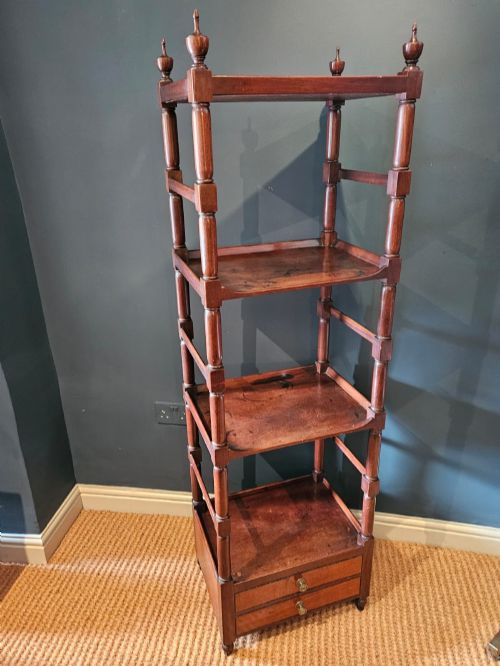
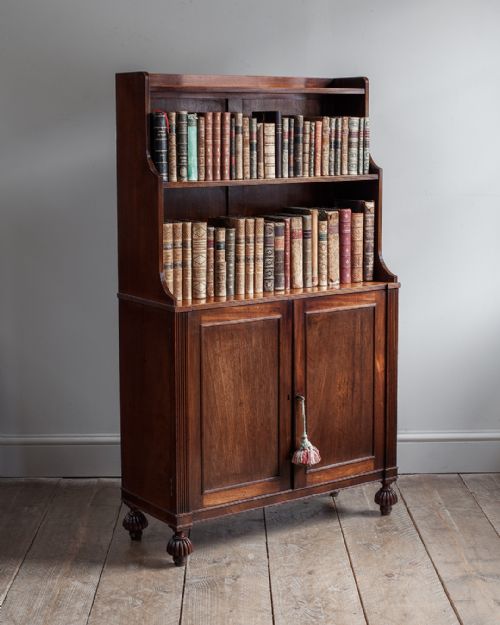
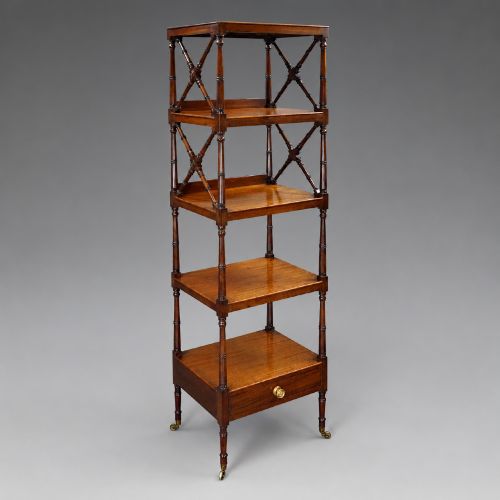
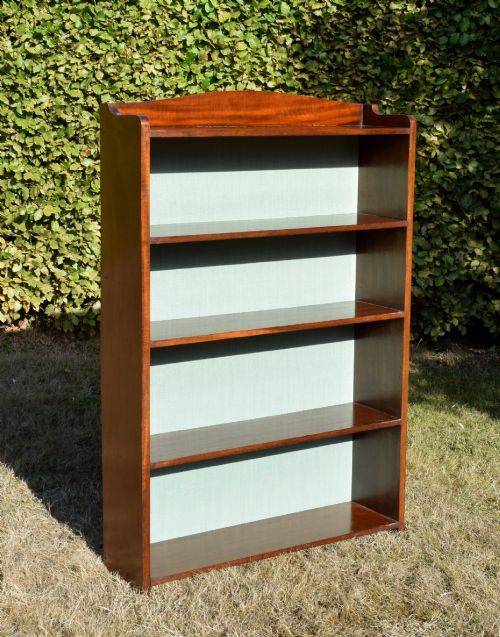
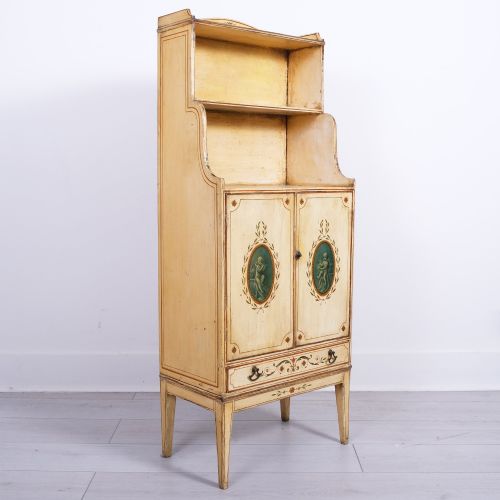
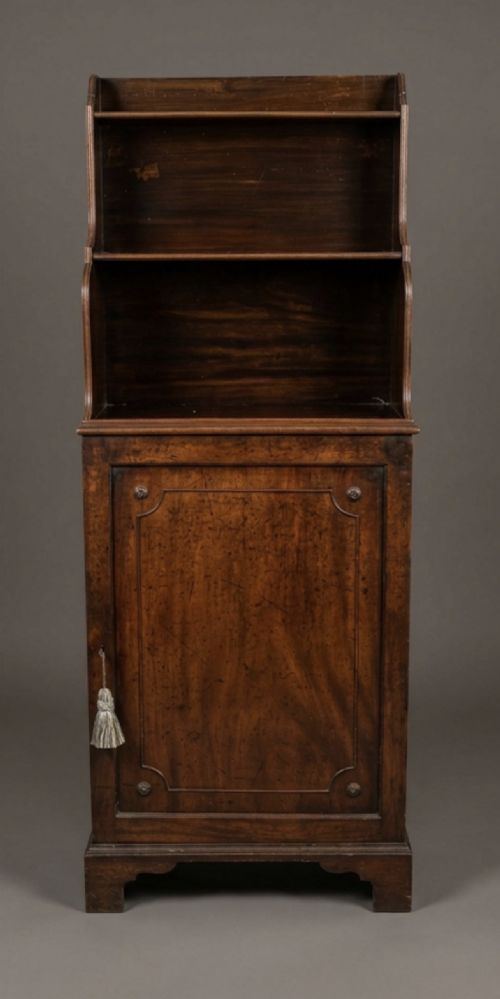
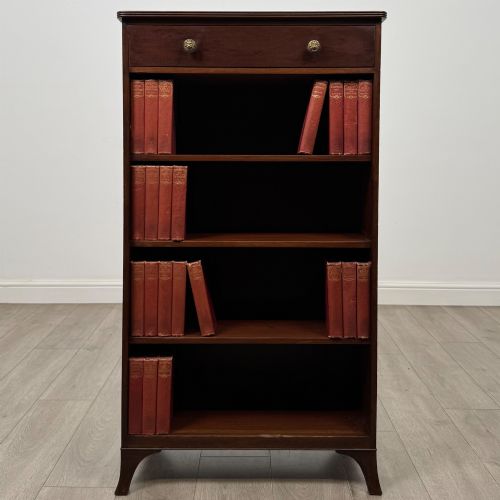
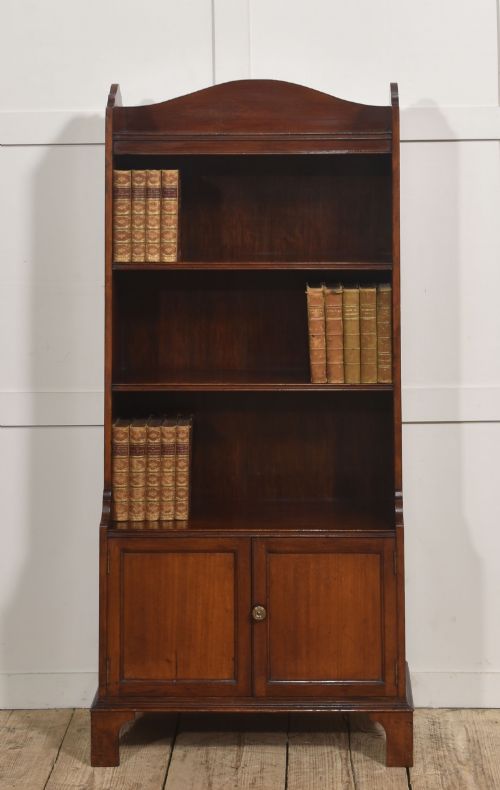
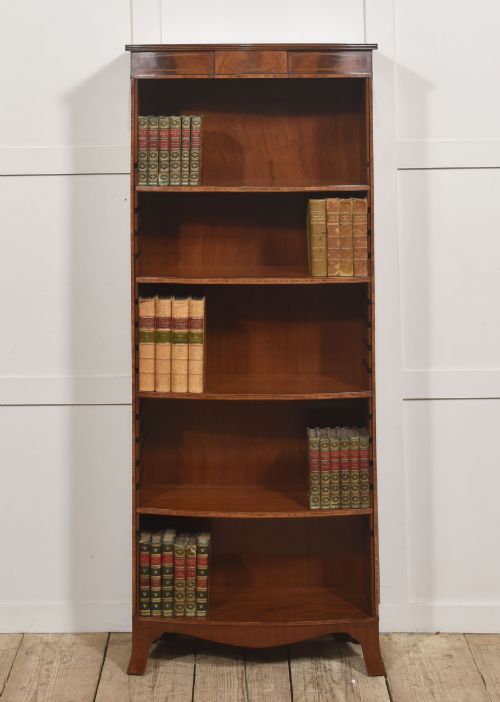
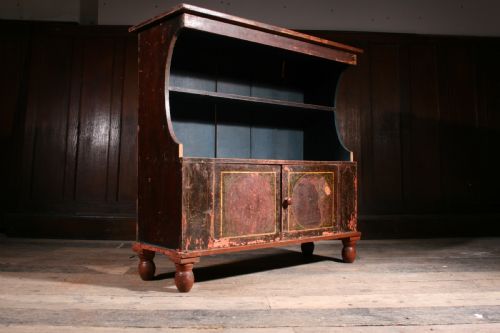
A georgian open shelf stand offers tiers of accessible display, typically encountered here in rich mahogany forms dating from the Regency and George III periods.
Georgian Open Shelf Stand
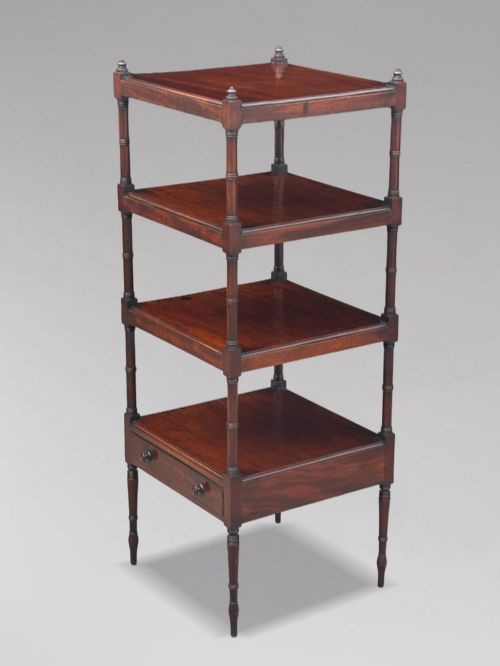
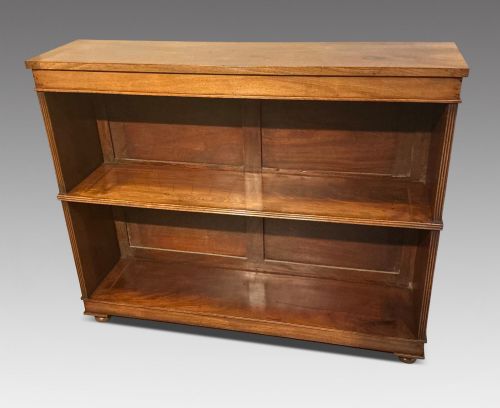
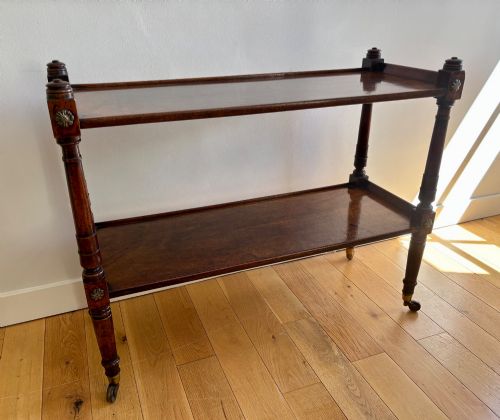
A georgian open shelf stand provides multiple tiers for books, music or decorative objects without the visual barrier of doors. These pieces encompass bookcases, whatnots, etageres and tall open display stands designed to utilise vertical space efficiently.
The versions most frequently found on this page span the Georgian and Regency periods, alongside later revivals from the Edwardian era and the early twentieth century. Their open framework allows them to function as freestanding partitions or practical corner units within a room.
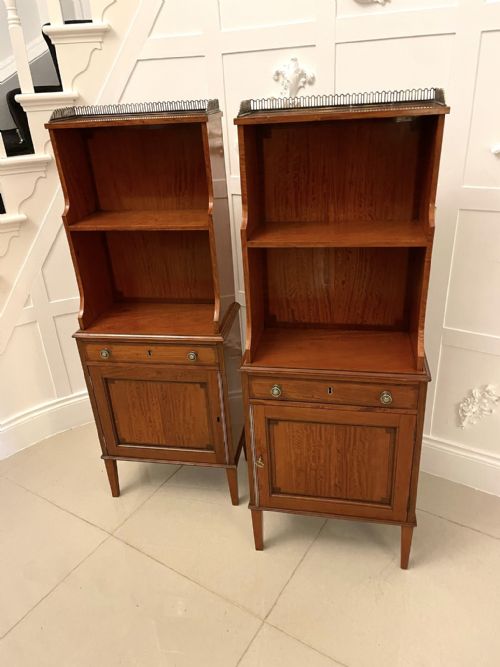
Makers of these stands favored adaptable proportions, ranging from petite chiffoniers to tall break-fronted configurations. The open format reflects a shift towards displaying bound volumes and decorative collections openly rather than concealing them behind timber panels.
Evaluating quality and proportion
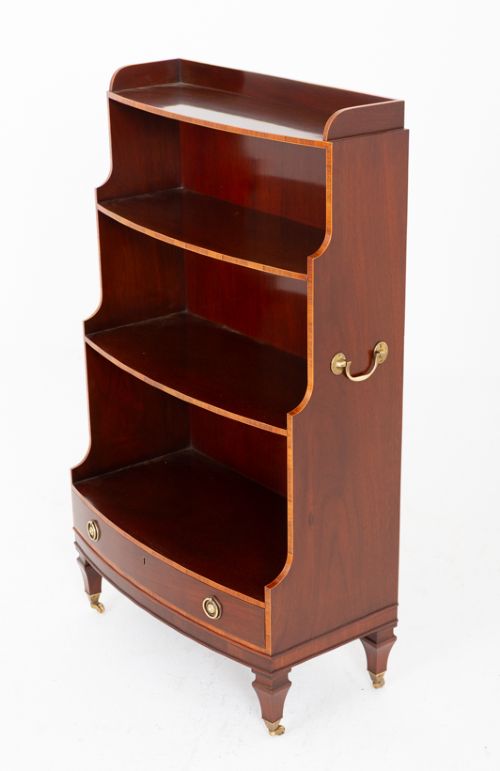
Quality rests upon the selection of timber figures, where richly grained mahogany, burr walnut or satinwood elevates the visual impact of an open tier stand. The crispness of cross-banding, stringing and inlay work distinguishes superior pieces from standard workshop productions.
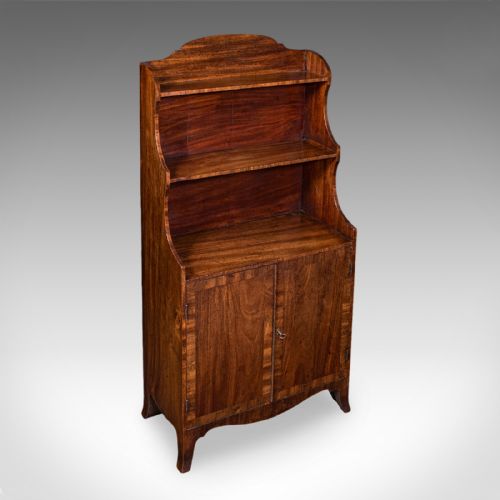
Structural harmony also dictates value, seen in the balanced graduation of tiers on waterfall designs and the stability of upright supports. Original painted surfaces and untouched patination retain historical integrity far better than heavily restored alternatives.
Listings demonstrate that mahogany remains the dominant timber for these stands, accompanied by rosewood, oak, satinwood and walnut across various periods.
Gillows
The Georgian Open Shelf Stand Glossary
- Whatnot
- A piece of furniture consisting of a set of open shelves for small objects, books or ornaments. These pieces typically feature three or four tiers supported by slender columns.
- Waterfall bookcase
- A standing set of open shelves where each successive shelf is slightly deeper than the one above, creating a cascading profile. This form gained popularity during the Regency and Georgian periods.
- Cross-banding
- A decorative border of veneer laid around the edges of a shelf or top so that the grain runs at right angles to the central panel. This technique frames the timber effectively.
- Stringing
- Thin inlay lines of contrasting wood, such as boxwood, used to outline panels, drawers and shelves. It adds crisp geometric definition to the furniture surface.
- Etagere
- A set of open shelves for displaying ornaments, closely related in form to the whatnot. They are designed to stand freely in a room rather than against a wall.
Georgian Open Shelf Stand: Frequently Asked Questions
What is a georgian open shelf stand used for?
These open tiers were historically utilised to hold books, music sheets and decorative ornaments within principal rooms. Their open structure made frequently consulted volumes and display items immediately accessible.
Today, they serve a similar purpose in domestic interiors, functioning as versatile display units for collections, plants or books. Their freestanding nature allows them to divide living spaces or sit neatly against walls.
How do I tell a Georgian piece from a later revival?
Examination of the timber grain, construction joints and underlying secondary woods reveals the age of a piece. Eighteenth and early nineteenth-century stands display hand-cut joinery and period-specific timber selections like solid mahogany or rosewood.
Later Edwardian and twentieth-century revivals often incorporate standardised fixings, machine-sawn elements and differing interior secondary woods. Comparing the patination and wear patterns against known period benchmarks clarifies the exact era of manufacture.
Where should I place an open shelf stand?
Because these stands feature open access from multiple sides, they perform well both against a flat wall and as a freestanding divider in a spacious room. Their slim profile makes them particularly suitable for hallways, libraries and sitting rooms.
Avoid placing timber pieces in direct sunlight or near active heat sources to prevent the veneers and solid woods from drying out. Maintaining stable room humidity preserves the original finish and structural integrity.