

Tall Display Shelves
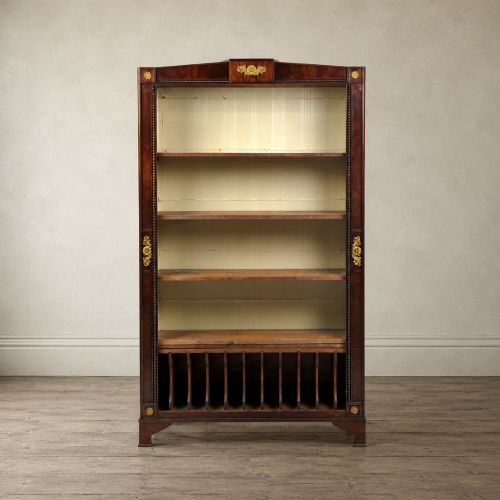
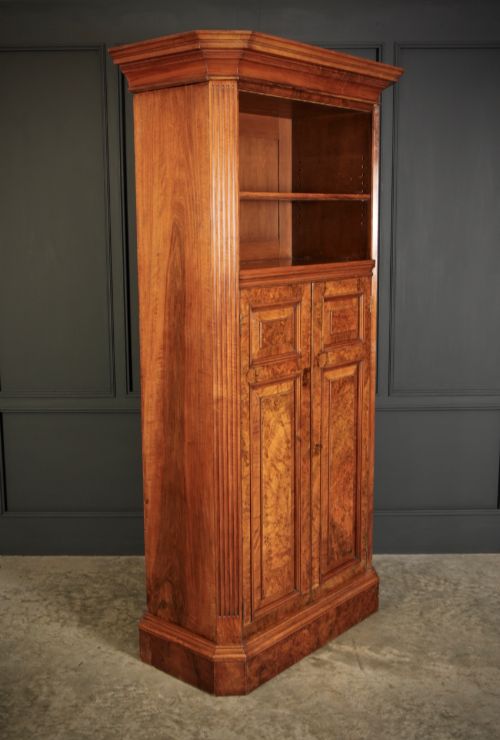
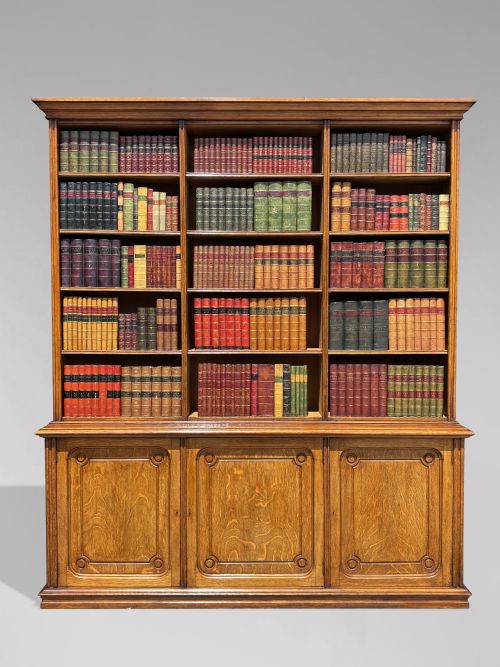
Tall display shelves bring vertical timber presence and open organisation to a room, offering height without consuming excessive floor space.
Tall Display Shelves
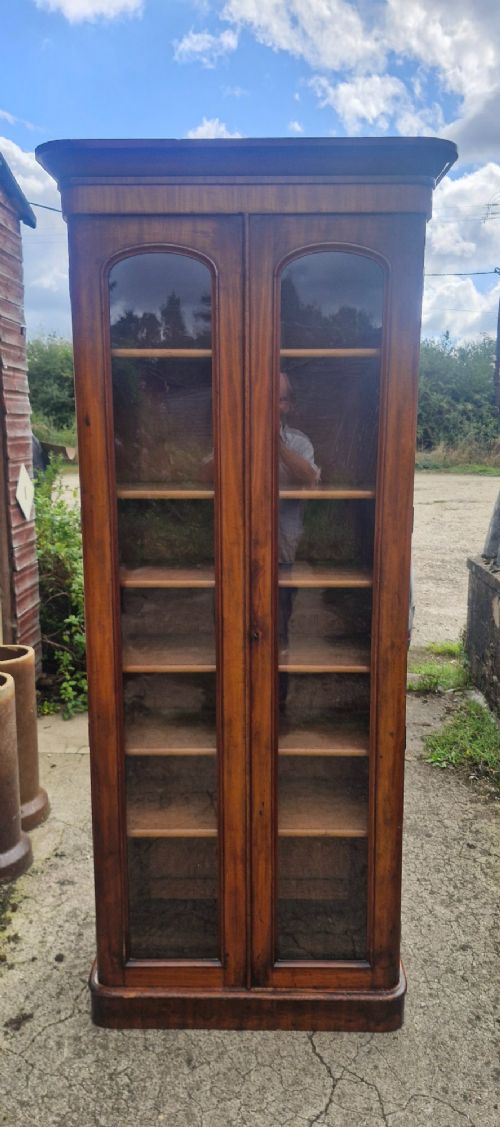
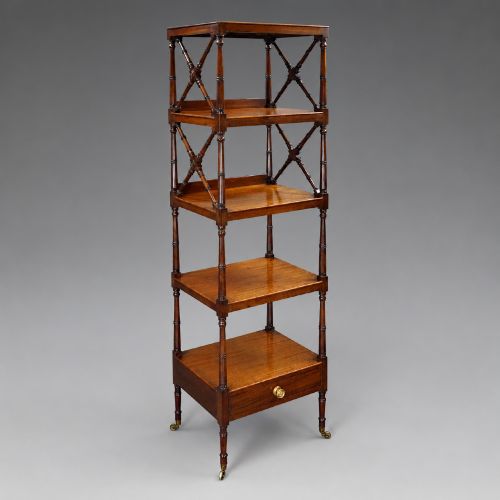
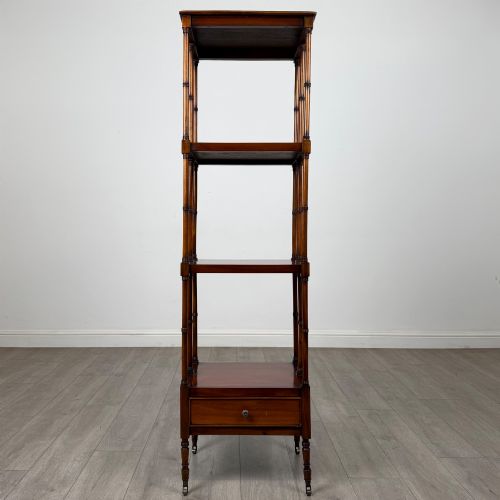
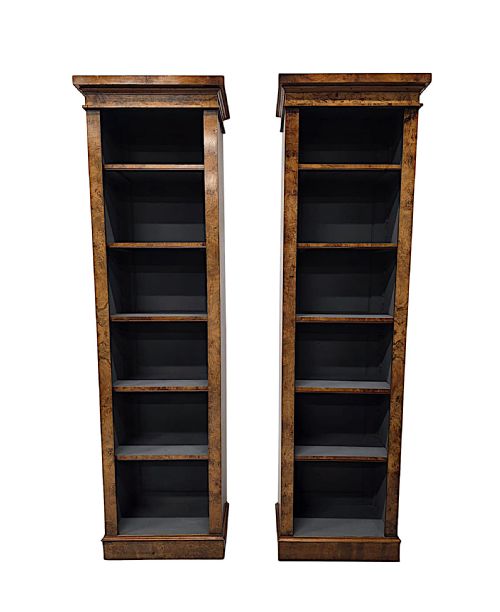
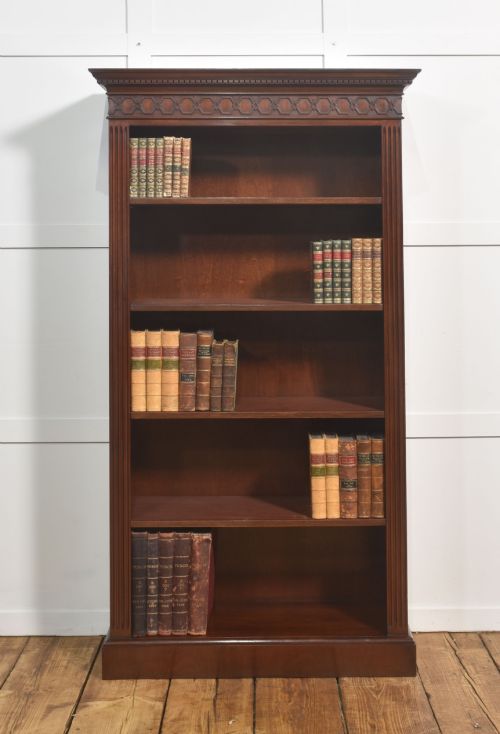
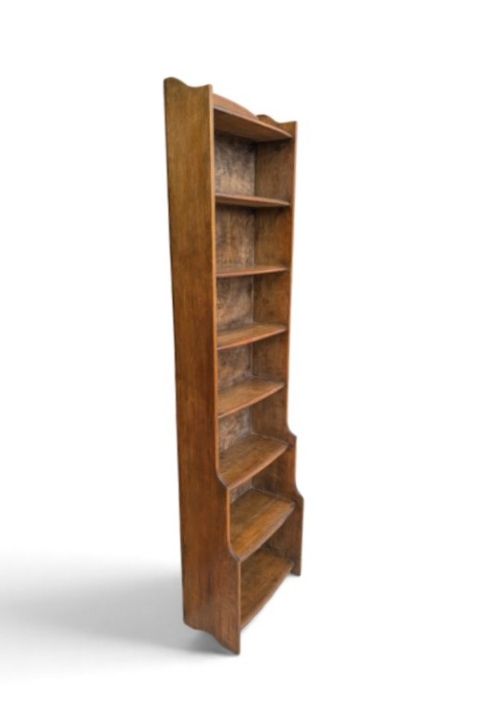
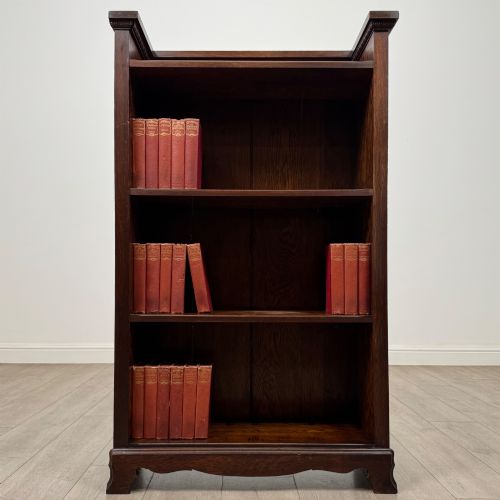
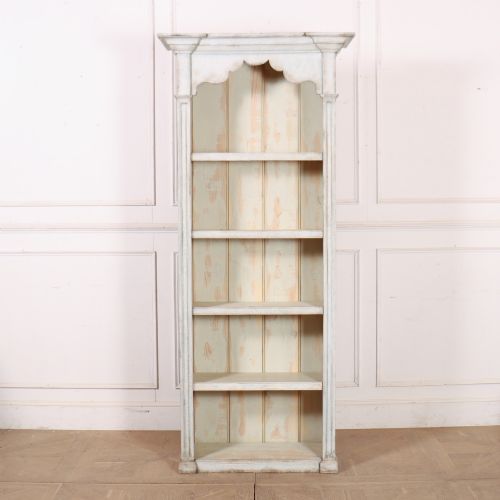
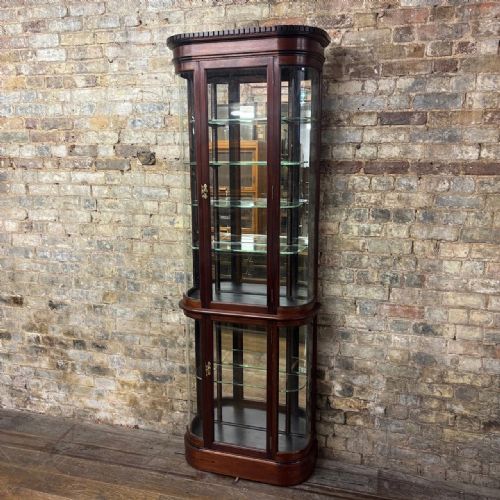
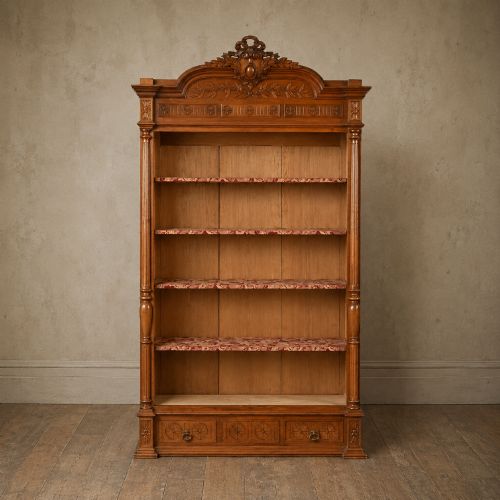
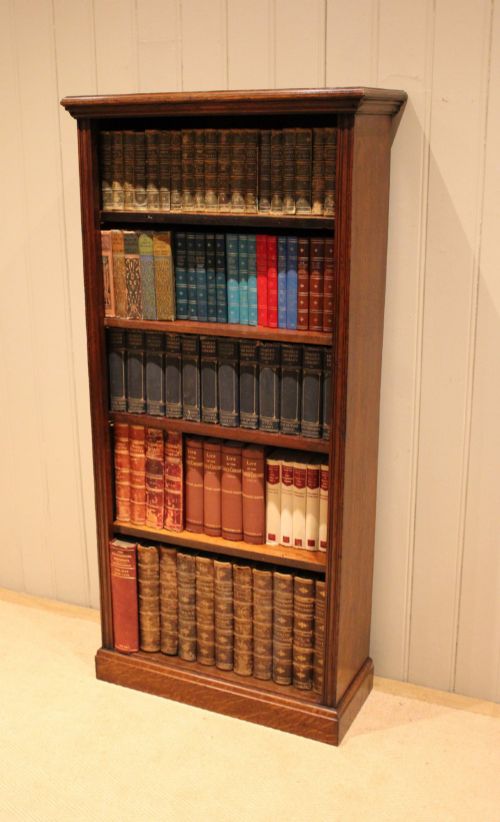
When you search for tall display shelves, you encounter pieces designed to hold books, ceramics and decorative objects within upright frames. The selection on this page centres primarily on open bookcases, glazed cabinets, whatnots and corner units.
The material palette is predominantly timber, spanning mahogany, oak, walnut, pine and satinwood, occasionally joined by brass embellishments or glass panels. These pieces emerge from the nineteenth and twentieth centuries, encompassing Victorian, Edwardian, Art Deco and Arts and Crafts stylistic periods.
How they were made
Makers constructed these upright frameworks using solid hardwoods and softwoods like mahogany, oak, walnut and pine, often incorporating burr veneers for visual depth on select surfaces. Joinery relies on traditional carpentry methods to support heavy tiers of books and display items over decades of use.
Surface treatments vary from polished waxed finishes that highlight natural timber grain to painted applications, such as French painted finishes in specific shades. Brass hardware and glass doors or adjustable shelving mechanisms complete the functional construction of these vertical units.
Materials recorded across the inventory include mahogany, oak, walnut, pine, satinwood, glass and brass.
What varies in quality
The distinction between ordinary utility items and superior examples lies in timber selection, such as figured mahogany or burr walnut, and the crispness of any applied mouldings or carvings. Finer pieces demonstrate careful proportion, balanced grain matching across larger expanses and integrated architectural details.
Internal adaptability also marks better examples, notably through the inclusion of well-engineered adjustable shelf systems rather than fixed tiers. The integrity of original glass, brass fittings and stable structural uprights further separates standard workshop production from exceptional cabinet work.
The Tall Display Shelves Glossary
- Whatnot
- A multi-tiered open stand designed for displaying ornaments or holding books, typically featuring slender upright supports.
- Waterfall bookcase
- A tiered shelving unit where each successive shelf steps back from the one below it, creating a cascading profile.
- Adjustable shelf
- A horizontal board supported on movable pins or ratchet strips, allowing the interior height between tiers to change.
- Burr walnut
- Timber taken from a growth deformation on a walnut tree, yielding highly figured swirl patterns used for decorative veneer.
Tall Display Shelves: Frequently Asked Questions
What are tall display shelves used for?
These vertical units serve to organise libraries, display collections of ceramics and hold decorative objects without dominating floor space.
Their open tiers or glass-fronted compartments keep contents visible and accessible within domestic and library settings.
How do I identify a Victorian bookcase?
Victorian examples typically employ solid mahogany, walnut or oak with substantial proportions, deep mouldings and often adjustable wooden shelving.
They reflect nineteenth-century preference for robust timber construction and functional domestic organisation.
Are shelves usually adjustable?
Many of the bookcases and shelving units listed feature adjustable shelves supported by traditional wooden ratchets or metal pins.
This adaptability allows the internal tiers to accommodate books of varying heights.
What timber types are most common?
Mahogany and oak appear most frequently across nineteenth and twentieth-century examples, complemented by walnut, pine and satinwood.
Certain pieces also incorporate decorative elements like burr walnut veneers or brass fittings.