
Georgian Open Cabinet
A georgian open cabinet brings timeless architectural line and accessible display into a room, offering open shelving paired with functional lower storage.
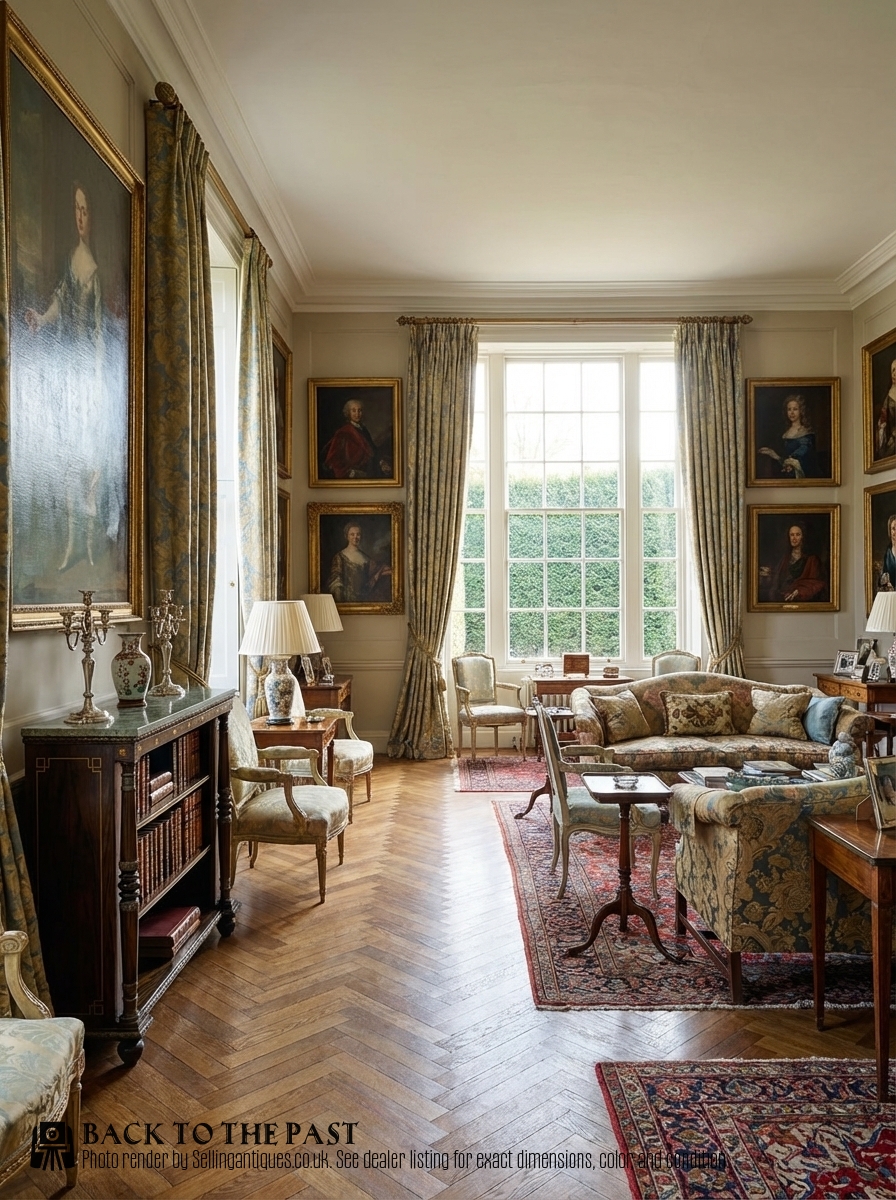
Georgian Open Cabinet
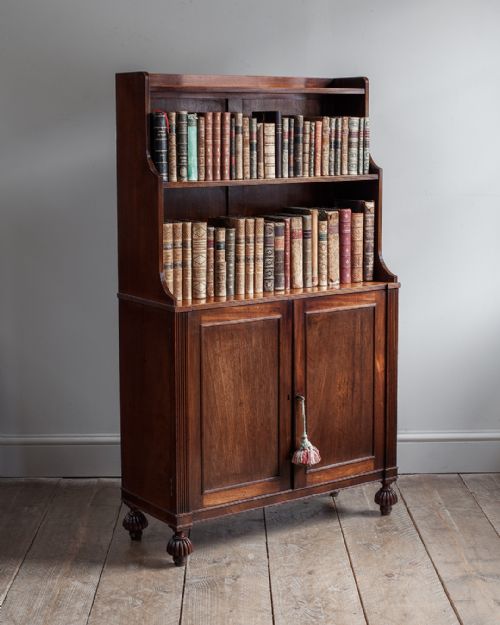
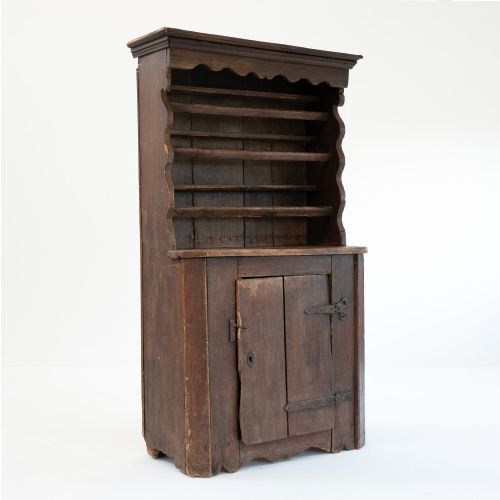
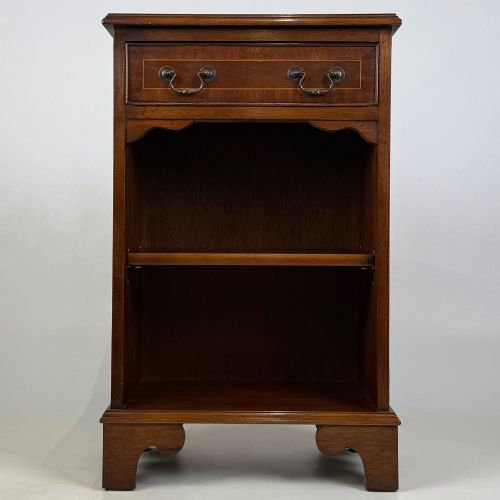
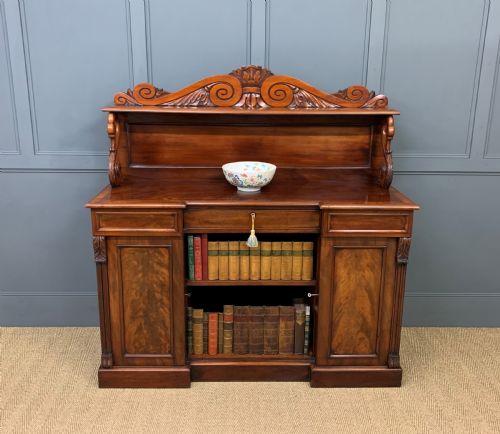
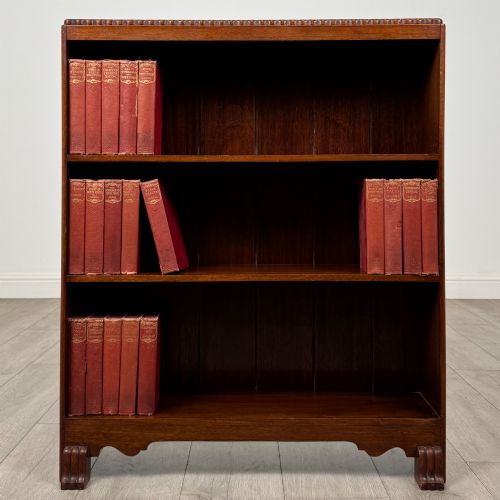
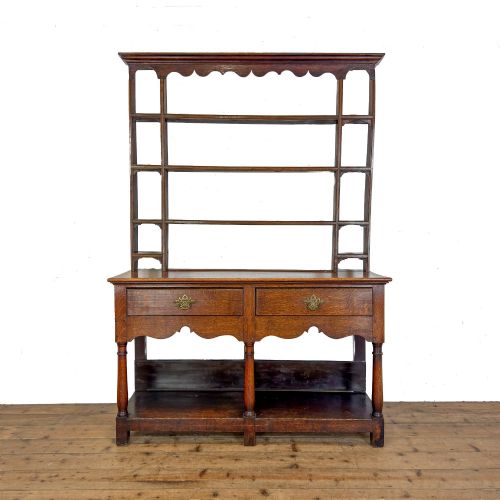
A georgian open cabinet encompasses pieces designed for display and storage, appearing primarily as bookcases, dressers, and side cabinets across this selection.
The materials and styles span centuries of craftsmanship, with mahogany, oak, and pine appearing alongside Regency, George III, and Edwardian revivals.
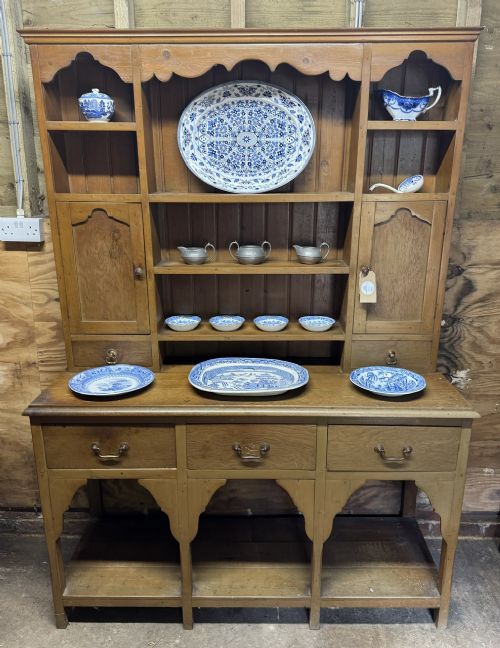
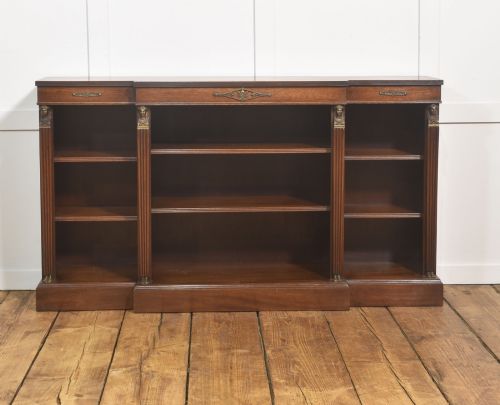
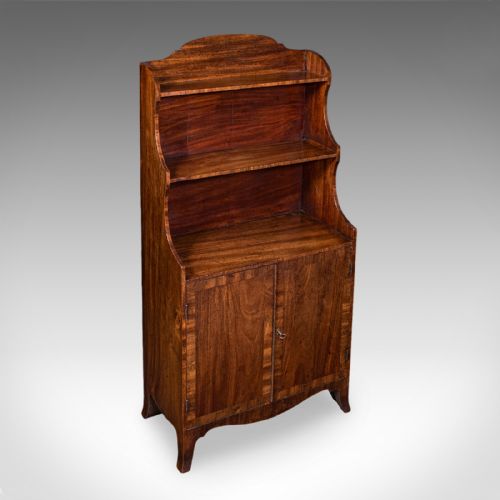
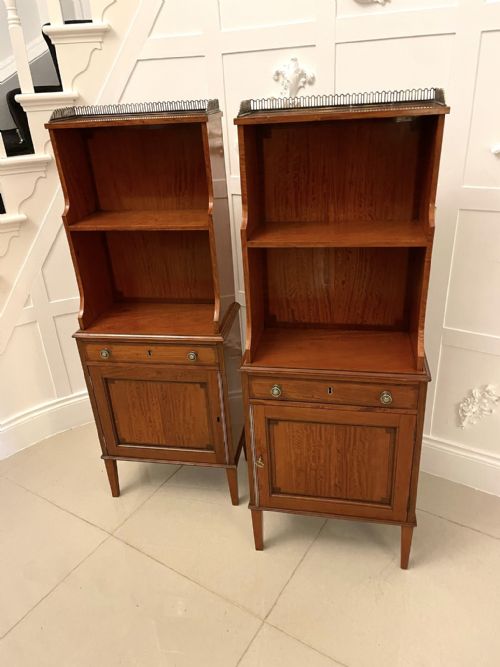
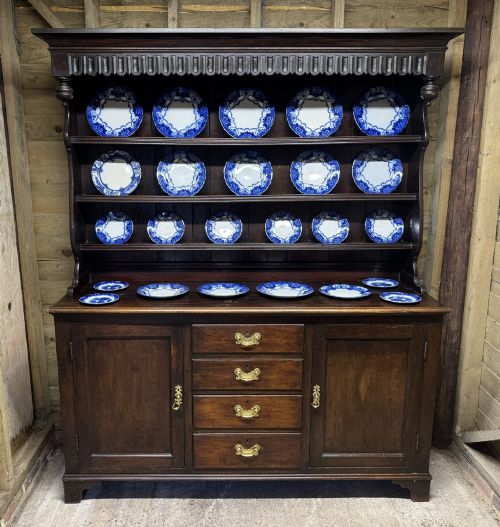
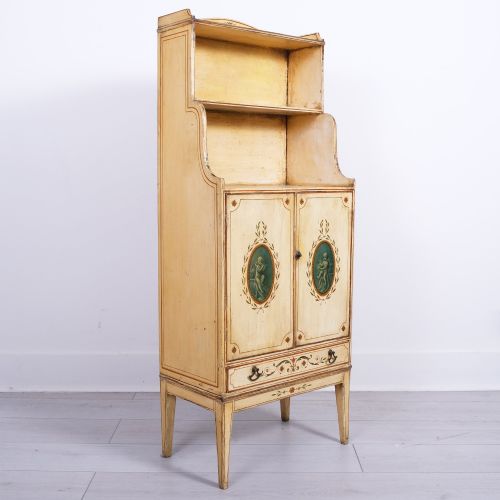
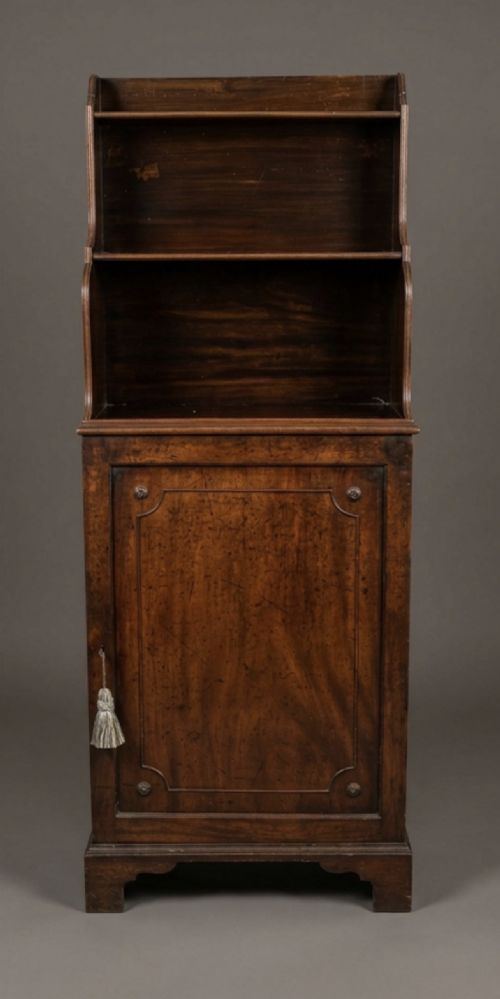
Buyers encounter everything from petite waterfall bookcases to substantial breakfront libraries and regional Welsh dressers.
Original painted finishes and rich grain patterns anchor these pieces in domestic interiors, whether originating in the eighteenth century or later revival periods.
Materials and Technique
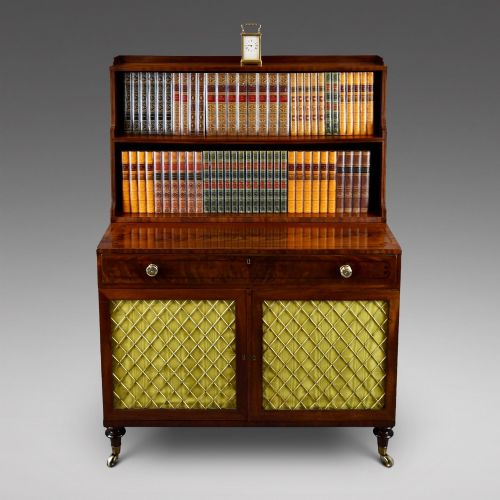
Cabinetmakers utilised dense hardwoods such as mahogany, rosewood, and satinwood, frequently selecting flame veneers to create striking visual movement across wide surfaces.
Structural integrity relied on solid regional timbers like oak and pine, which formed the carcases and potboards of traditional dressers.
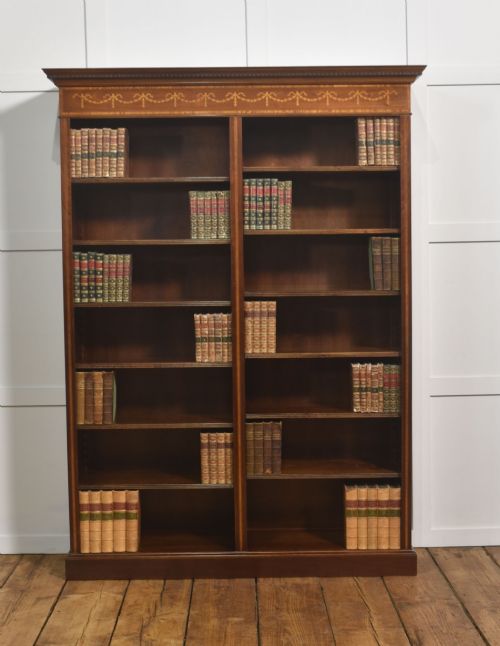
Decorative refinement was achieved through brass inlay, delicate stringing, and carved details that distinguished formal library pieces from utilitarian kitchen furnishings.
Several pieces feature stepped shelves designed specifically to prevent books from slumping while allowing small curios to look important.
The Measure of Craft
Excellence in a georgian open cabinet rests on the harmony of proportions, the selection of timber veneers, and the restraint of decorative enrichment.
Superior examples display careful timber matching, refined mouldings, and integrated hardware that complement the architectural scale of the piece without overpowering it.
Gillows·Maple And Co.
The Georgian Open Cabinet Glossary
- Waterfall bookcase
- A tiered shelving unit featuring graduated shelves that step back progressively from bottom to top. These pieces often incorporate a small cupboard base.
- Breakfront
- A cabinet design where the central section projects forward from the flanking wings. This configuration creates visual depth and architectural presence.
- Potboard dresser
- A traditional open-shelf dresser featuring a low slatted shelf near the floor for storing pots and heavy kitchenware. They are typically constructed from oak or pine.
- Chiffonier
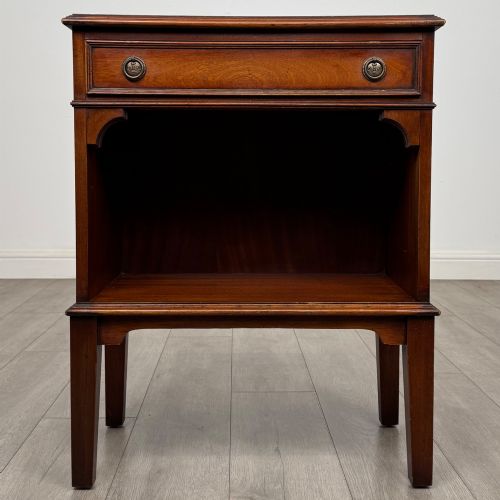
- A compact sideboard or low cabinet equipped with shelving or a superstructure on top. They frequently feature enclosed cupboards below.
- Inlay
- A technique where contrasting woods or metals like brass are inserted into recesses within the primary surface to create decorative patterns.
Georgian Open Cabinet: Frequently Asked Questions
What is a georgian open cabinet used for?
These pieces serve primarily for the display of books, ceramics, and decorative objects on open upper shelves. Lower cupboards or drawers provide concealed storage for household items.
In contemporary interiors, they function effectively in living rooms, libraries, and dining spaces to organise collections while maintaining an open feel.
How do I identify a georgian open cabinet?
Look for architectural proportions, timber selection such as mahogany or oak, and traditional construction methods like hand-cut dovetails. Period pieces often exhibit subtle signs of age and tool marks.
Revival pieces from later centuries frequently emulate these proportions and material choices, requiring careful examination of secondary woods and fixings to determine age.
Where should I place a breakfront bookcase?
Breakfront cabinets require adequate wall space to accommodate their projecting central section and substantial width. They work best as principal anchor pieces in larger rooms.
Ensure the room has sufficient clearance in front of the cabinet so doors and drawers operate without obstruction.
Are painted finishes period correct?
Painted surfaces appear on regional dressers and select refined cabinets from the eighteenth century onwards. Original paint adds significant character and historical value.
Buyers should examine the surface for natural wear patterns and underlying preparation layers that confirm the age of the finish.